

Main Facts: The Evolution of a Genre Titan
With its official release date locked in for November 10, Warhammer Survivors is rapidly transforming from what many initially dismissed as a simple IP-skinned cash-grab into one of the most anticipated rogue-lite experiences of the year. Developed by Auroch Digital—the studio renowned for capturing the chaotic essence of Games Workshop’s universe in Warhammer 40,000: Boltgun—the game adopts the addictive, screen-clearing mechanics popularized by Vampire Survivors.
However, following a hands-on preview period with a 10-hour demo, industry critics and enthusiasts alike are arguing that calling it a mere spin-off is a disservice. Featuring distinct mechanical depth, faithful adherence to both the Warhammer 40,000 and Age of Sigmar settings, and a series-defining suite of tactical additions like allied followers and specialized faction mechanics, Warhammer Survivors is positioning itself as a fully realized spiritual sequel to the phenomenon that launched the "bullet heaven" craze.
Chronology of Development: From Concept to the November Launch
The trajectory of Warhammer Survivors highlights Auroch Digital’s expanding relationship with Games Workshop properties. Following the critical and commercial success of Boltgun, the development team was presented with the challenge of fusing the notoriously grimdark, sprawling lore of the 41st Millennium and the Mortal Realms with the minimalist, arcade-style inputs of survival rogue-lites.
- Initial Inception: Announced earlier this year, the title immediately drew comparisons to Vampire Survivors due to its core premise: a solitary hero fending off hundreds, eventually thousands, of on-screen enemies while collecting automated drops and upgrading abilities.
- The Demo Phase: Auroch Digital released a restricted demo to media outlets and select players, offering a glimpse into the early-game balance, faction behaviors, and early performance on portable hardware.
- The Home Stretch: With the launch date set for November 10, the studio has been finalizing cross-platform optimizations, working heavily to ensure seamless playability on devices like the Steam Deck—a platform tailor-made for this style of game.
Supporting Data and Gameplay Mechanics: What Makes It Different?
While Warhammer Survivors respects the foundational blueprint laid down by Luca "poncle" Galante, Auroch Digital has injected enough mechanical innovation to justify its existence as a standalone powerhouse.
Familiar Foundations with a Grimdark Twist
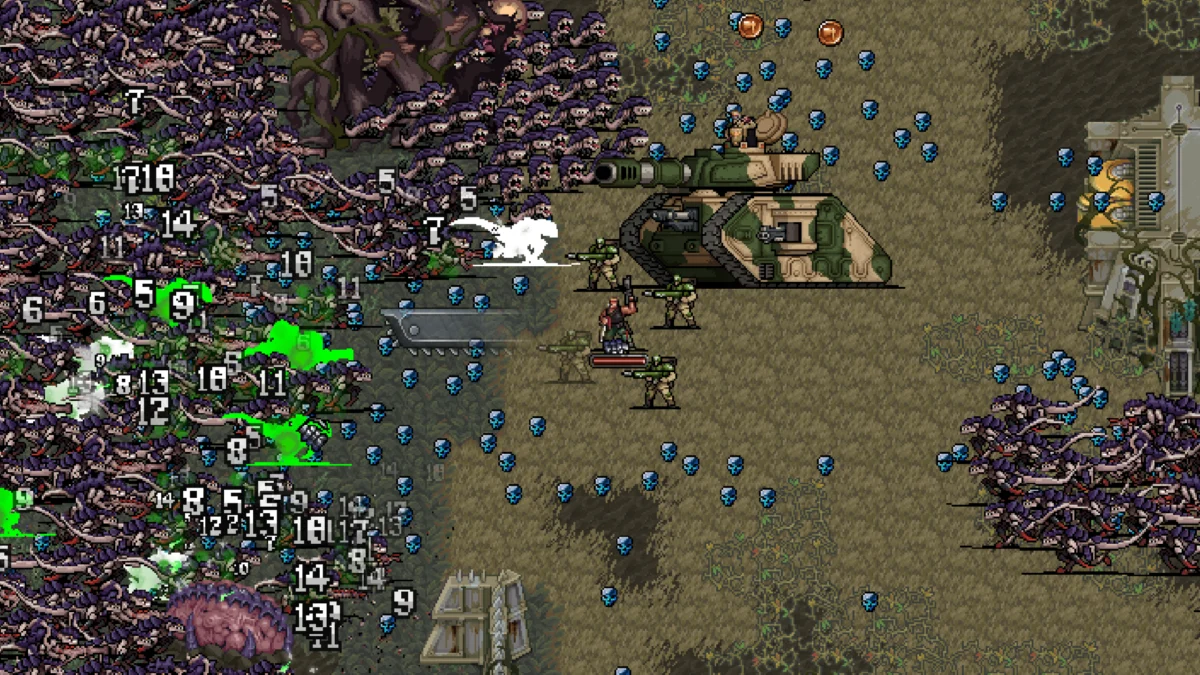
Core elements that made the genre a global obsession return in full force. Weapon evolutions, multi-item drop chests, arcana systems, and escalating challenge modifiers are all present. Yet, every system has been given a thematic coat of paint. Experience gems have been swapped out for glowing experience skulls. Instead of the seemingly invincible "Red Death" reaper hunting down players who overstay their welcome, Warhammer Survivors introduces "Extremis" bosses—monstrous foes that require tactical exploitation of the environment or specific weapon combos to dismantle.
Iconic Arsenal Additions
The weapon sandbox embraces the absurdities of the tabletop universe. Standouts from the preview include the weaponized Nuln Oil—a staple wash for miniature painters that, in the game, slows, damages, and increases the flammability of encroaching hordes—alongside explosive dice that bounce across the terrain before detonating in a shower of tabletop shrapnel.
Thematic, Immersive Maps
Maps are split cleanly between universes, avoiding a muddled crossover aesthetic.
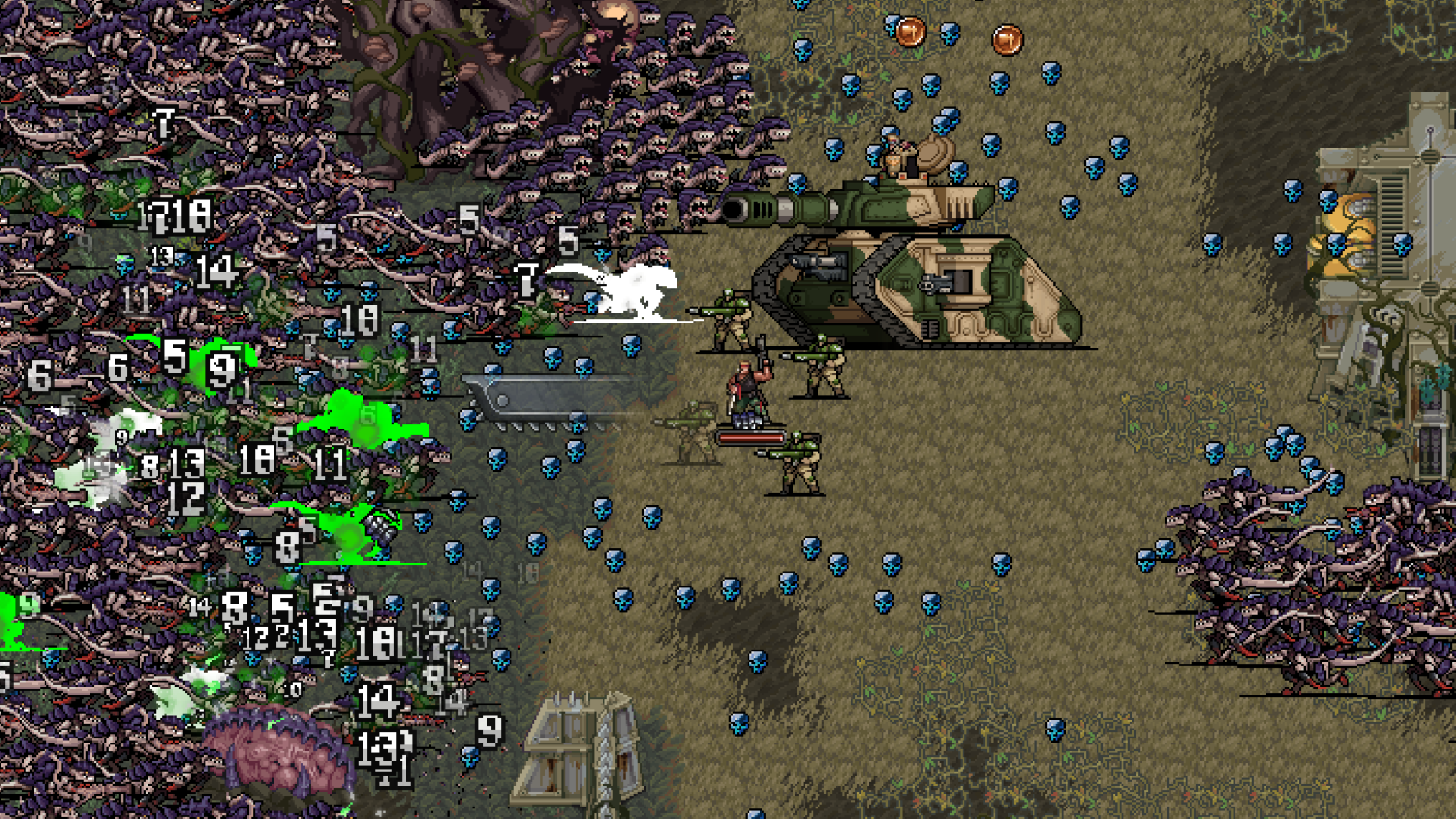
- Warhammer 40,000: Players traverse a Tyranid-infested bio-ship interior or battlefield swallowed by organic pink pustules and grotesque alien topography.
- Age of Sigmar: The aesthetic shifts to the subterranean tunnels and chaotic surface networks of the Skaven, complete with glowing warpstone radiation.
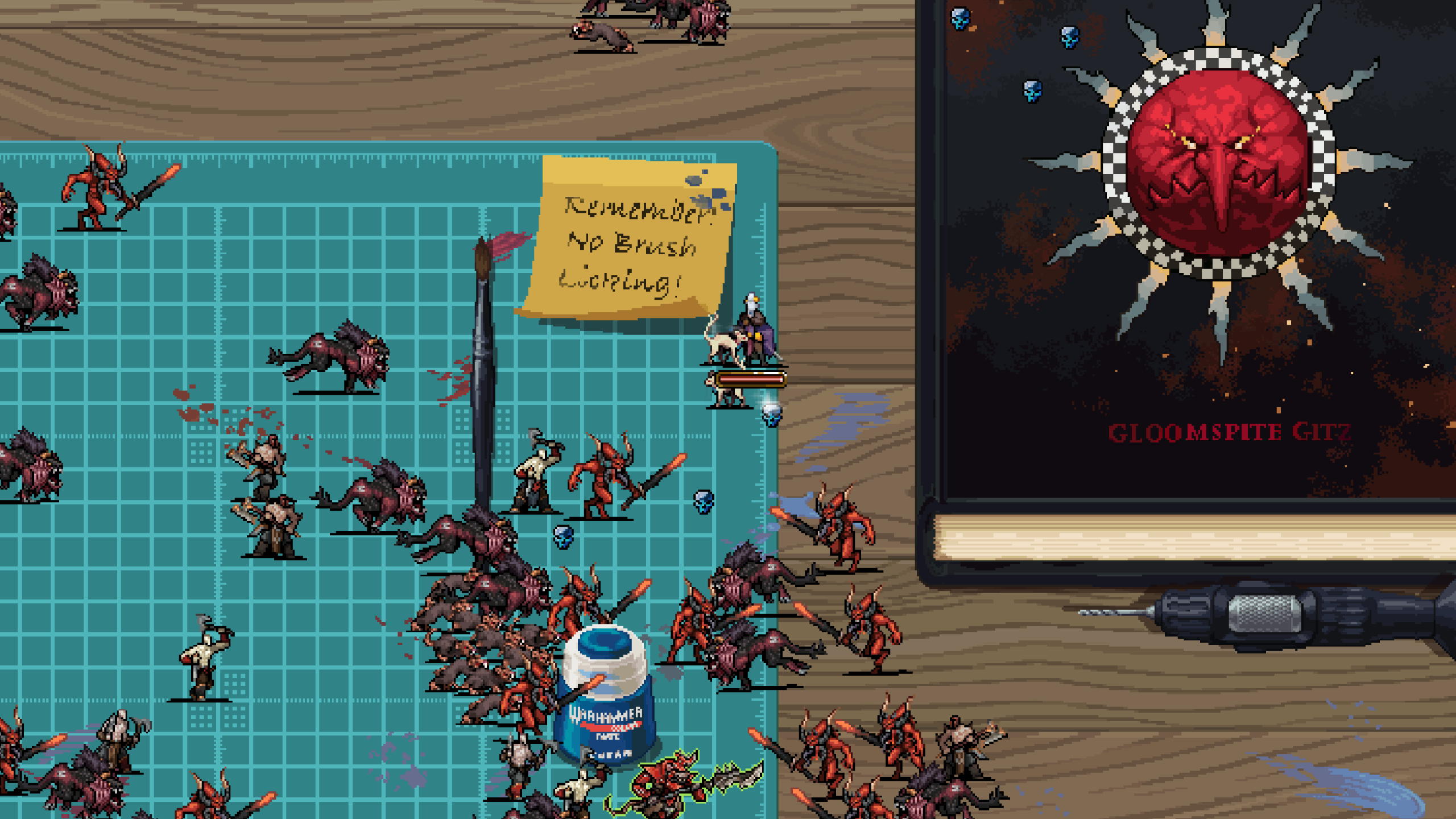
- The Meta-Map: In a clever nod to the hobbyists who buy the plastic, one map places the player directly onto a miniature painting tabletop surrounded by paint pots and measuring tapes, with digital monstrosities converging across a real-world hobby mat.
Official Responses and Developer Insights: Building a Universe Apart
Auroch Digital has emphasized that while the game shares DNA with other survival titles, keeping the two primary settings of Games Workshop—Warhammer 40,000 and Age of Sigmar—completely segregated was a vital design choice.
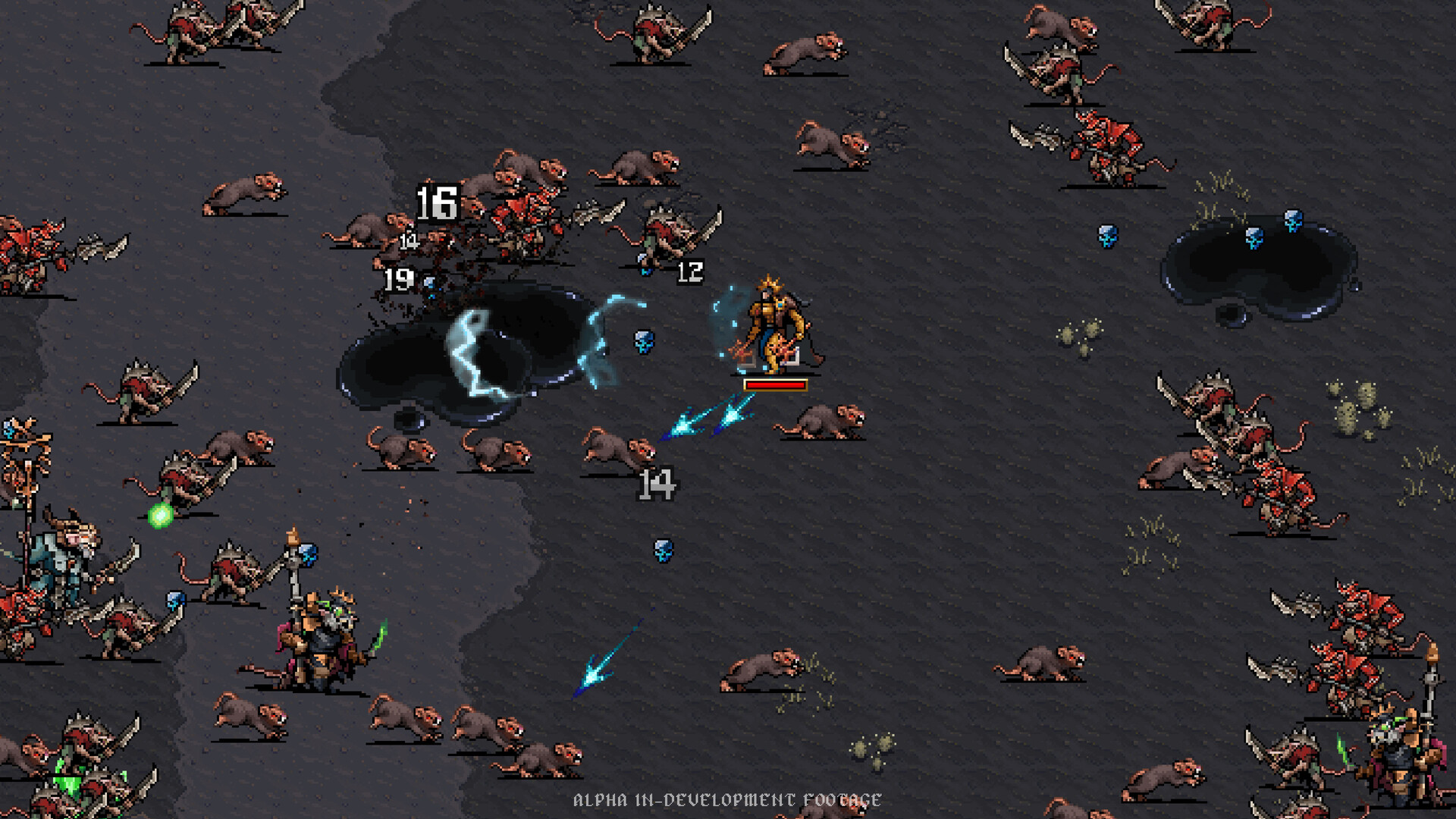
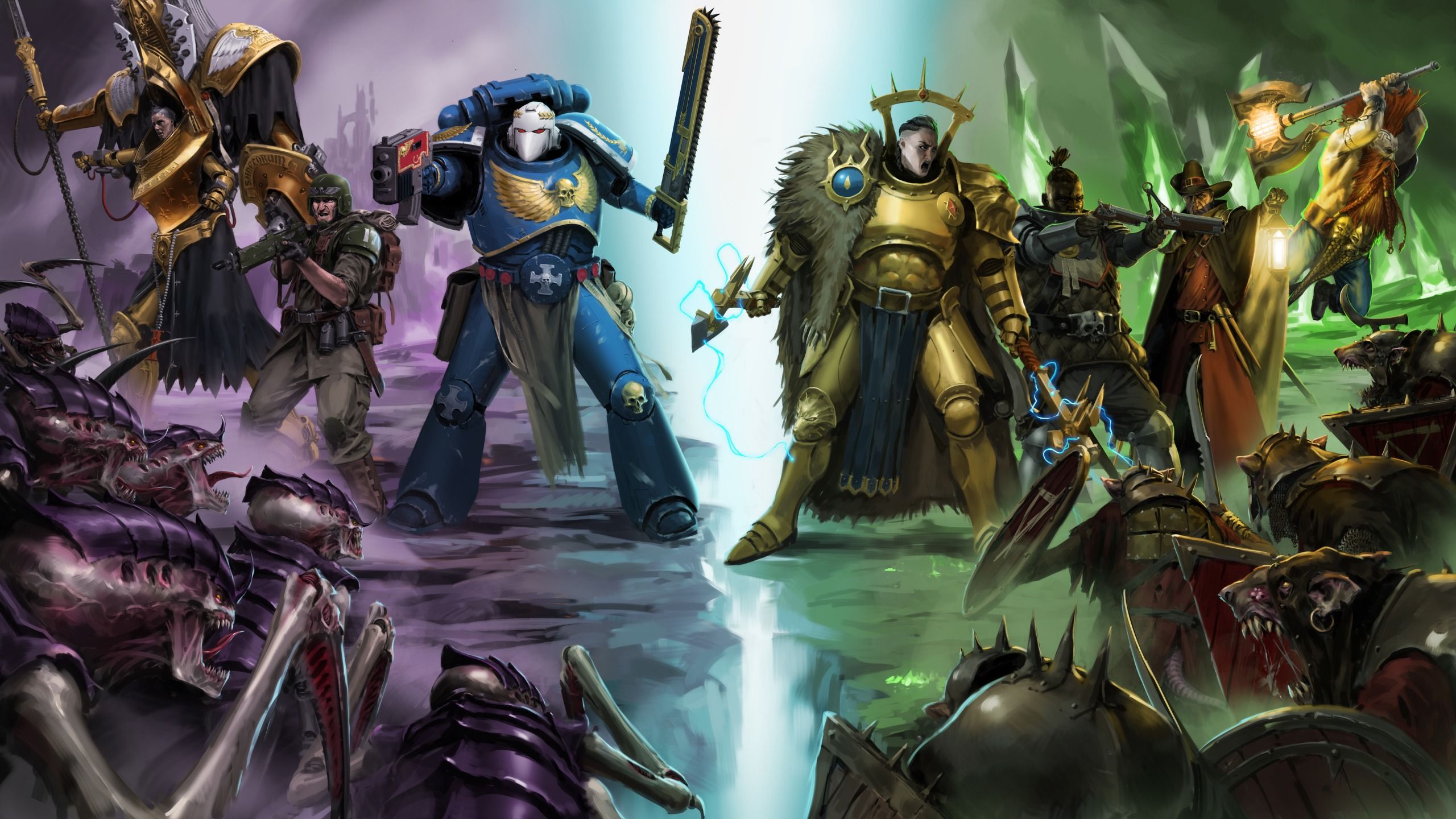
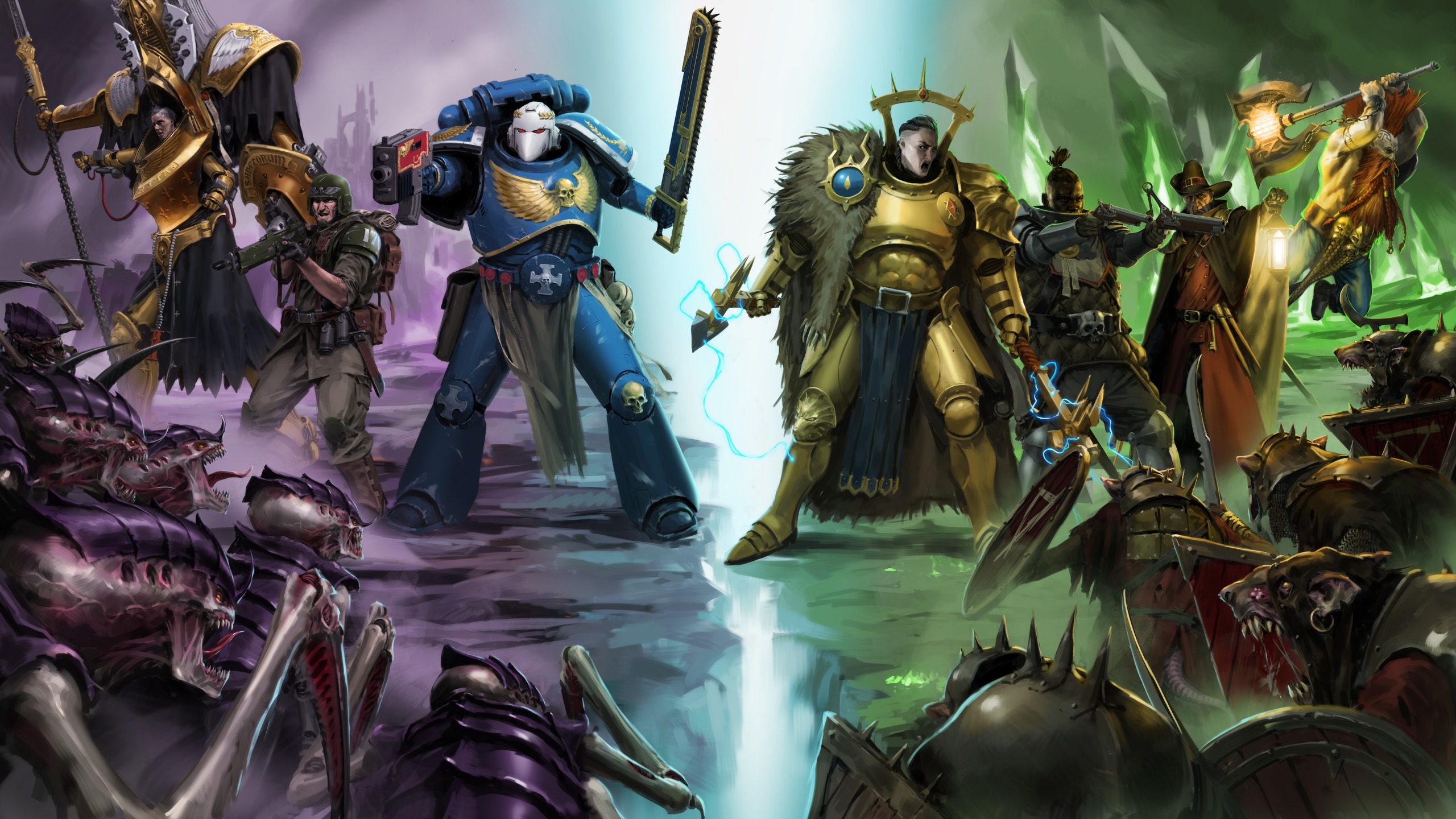
When launching a campaign, players must explicitly select their universe. Characters, meta-progression, unlocks, and specific skill trees are tied exclusively to that universe. This design choice effectively packs two distinct games into a single client, giving players double the content value without breaking the sacred lore boundaries that fans of the franchise hold dear.
Furthermore, the introduction of Followers changes the solitary nature of the genre. As players survive, they can unlock and rescue stranded characters across the maps. Once liberated, these characters join the player’s roster and can be summoned as automated support units when specific associated weapons are selected upon leveling up. Certain characters even receive intrinsic statistical buffs based on the sheer number of allied grunts—such as Astra Militarum troopers—following their lead.
Implications for the Bullet-Heaven Genre and Portable Gaming
The release of Warhammer Survivors arrives at a pivotal time for the rogue-lite market. As the market risks saturation from low-effort clones looking to capitalize on the success of Vampire Survivors, Auroch Digital’s project demonstrates how a licensed property can elevate a genre through deep mechanical integration.
Difficulty and Pacing
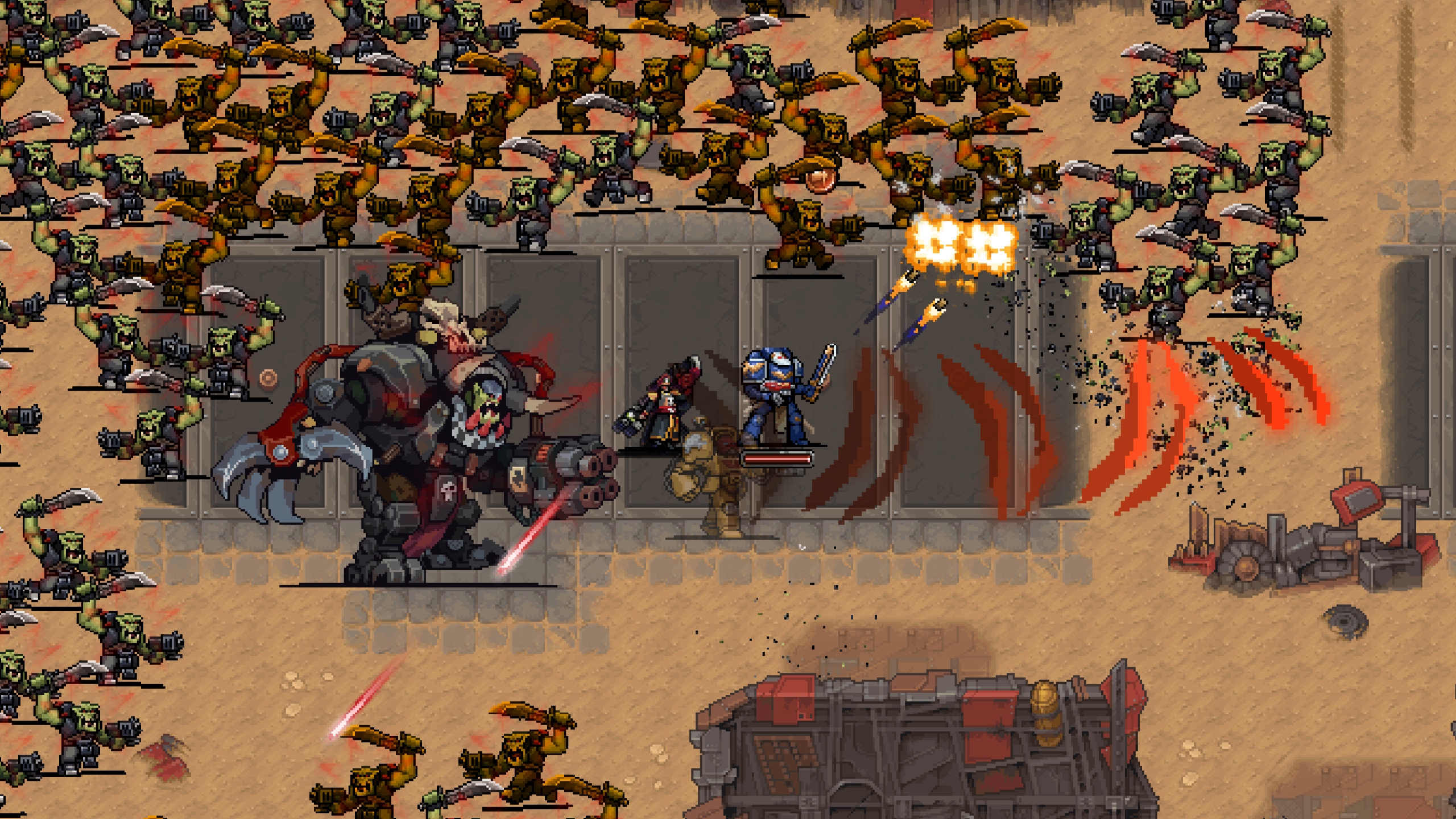
Early reports indicate that Warhammer Survivors is noticeably more punishing than its predecessors. Hordes escalate faster, and the early game demands immediate tactical resource management, forcing players to rely on tight positioning and calculated weapon synergy rather than mindless hoarding. Faction-specific traits—such as Tyranid Synapse creatures that enrage lesser swarm members within their radius, or Orks triggering a sudden, speed-boosting WAAAGH!—prevent players from falling into complacent autopilot routines.
The Steam Deck Factor
Much like its predecessor, Warhammer Survivors is destined to be a staple of handheld ecosystems. Despite development updates noting ongoing optimization passes, early previews confirm that the game runs brilliantly on the Steam Deck out of the box, offering stable frame rates even when hundreds of detailed sprites clog the screen.
As November 10 approaches, fans of strategy, action, and miniature wargaming alike are clearing their schedules. Warhammer Survivors isn’t just riding the coattails of a trend—it is poised to redefine what players expect from an indie-spirited, franchise-backed bullet heaven.

