

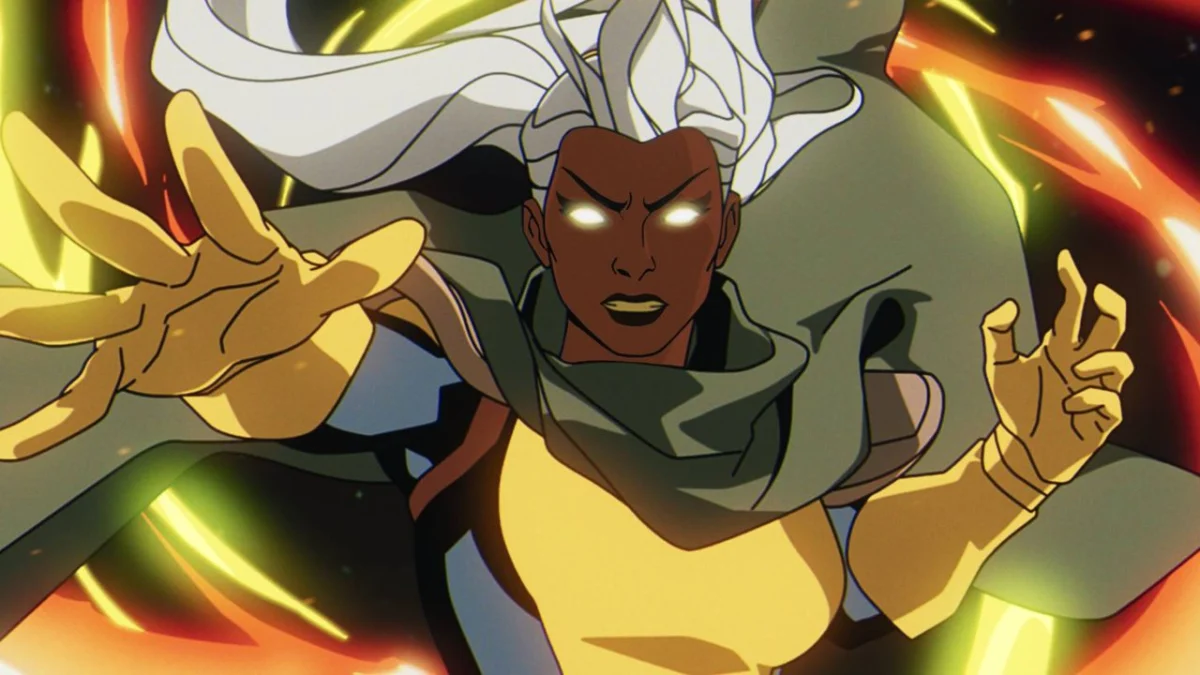
Marvel fans have spent the better part of two years navigating the "drought" between the inaugural season of X-Men ’97 and its upcoming sophomore outing. However, fresh insights from behind the scenes suggest that the agonizing wait between seasons is officially a relic of the past. As Marvel Animation pivots toward a more sustainable production model, viewers can breathe a sigh of relief: the X-Men are returning to our screens, and this time, they’re here to stay on a much more reliable schedule.
The Bottleneck is Broken: Lessons Learned from Season 2
For those who marveled at the high-octane, emotionally resonant storytelling of X-Men ’97’s first season, the delay for Season 2 felt like an eternity. Production hurdles, logistical shifts, and the complexities of high-end animation led to a significant gap that left fans wondering about the long-term viability of the series.
Larry Houston, a veteran producer who helped define the aesthetic of the original 1990s X-Men: The Animated Series and has been instrumental in the revival, recently addressed these concerns head-on. In an interview with The Direct, Houston clarified that the hiatus between the first two seasons was an outlier rather than a new industry standard.
"Luckily, the production problems won’t occur again," Houston explained. "There was a huge gap of time between season one and two. They’ve learned their lessons. So with seasons three and four, that won’t happen again… That was a one-off."
This shift in production strategy is not merely anecdotal; it reflects a broader institutional change at Marvel Studios and Disney Plus. By streamlining the pipeline and addressing the bottleneck issues that plagued the early stages of the show’s revival, the studio aims to establish X-Men ’97 as a cornerstone of their ongoing content strategy.
A Chronology of Excellence: From 1992 to the Modern Era
To understand the significance of this shift, one must look at the trajectory of the X-Men animated legacy. The original series, which aired from 1992 to 1997, is widely credited with introducing a generation to the complex, sociopolitical themes inherent in mutant lore.
When X-Men ’97 launched in March 2024, it arrived with the weight of massive expectations. It did not just meet them; it shattered them. Achieving a near-perfect 99% score on Rotten Tomatoes, the freshman season was lauded as a masterclass in nostalgia-fueled storytelling. Critics and fans alike praised its ability to honor the source material while evolving the narrative to meet modern sensibilities.
As we look toward the future, the chronology of the franchise’s expansion looks like this:
- March 2024: X-Men ’97 Season 1 premieres to universal acclaim.
- Post-Season 1: Marvel officially greenlights subsequent seasons, acknowledging the massive viewer engagement.
- July 2026: The highly anticipated Season 2 is scheduled for release.
- Future Outlook: Seasons 3 and 4 are currently in active development, with production moving in tandem to ensure a consistent output.
Supporting Data: Why the Demand for Mutants is at an All-Time High
The critical reception of the series cannot be overstated. In our own review of the first season, we awarded it 4.5 out of 5 stars, describing it as "a seamlessly connected revival season that serves as a near-perfect reintroduction to one of Marvel’s best superhero teams."
The success of the show has created a "virtuous cycle" for Marvel. High viewership numbers—driven by both original fans of the 90s show and a new demographic of younger viewers—have provided the financial and creative mandate to invest heavily in the show’s future.
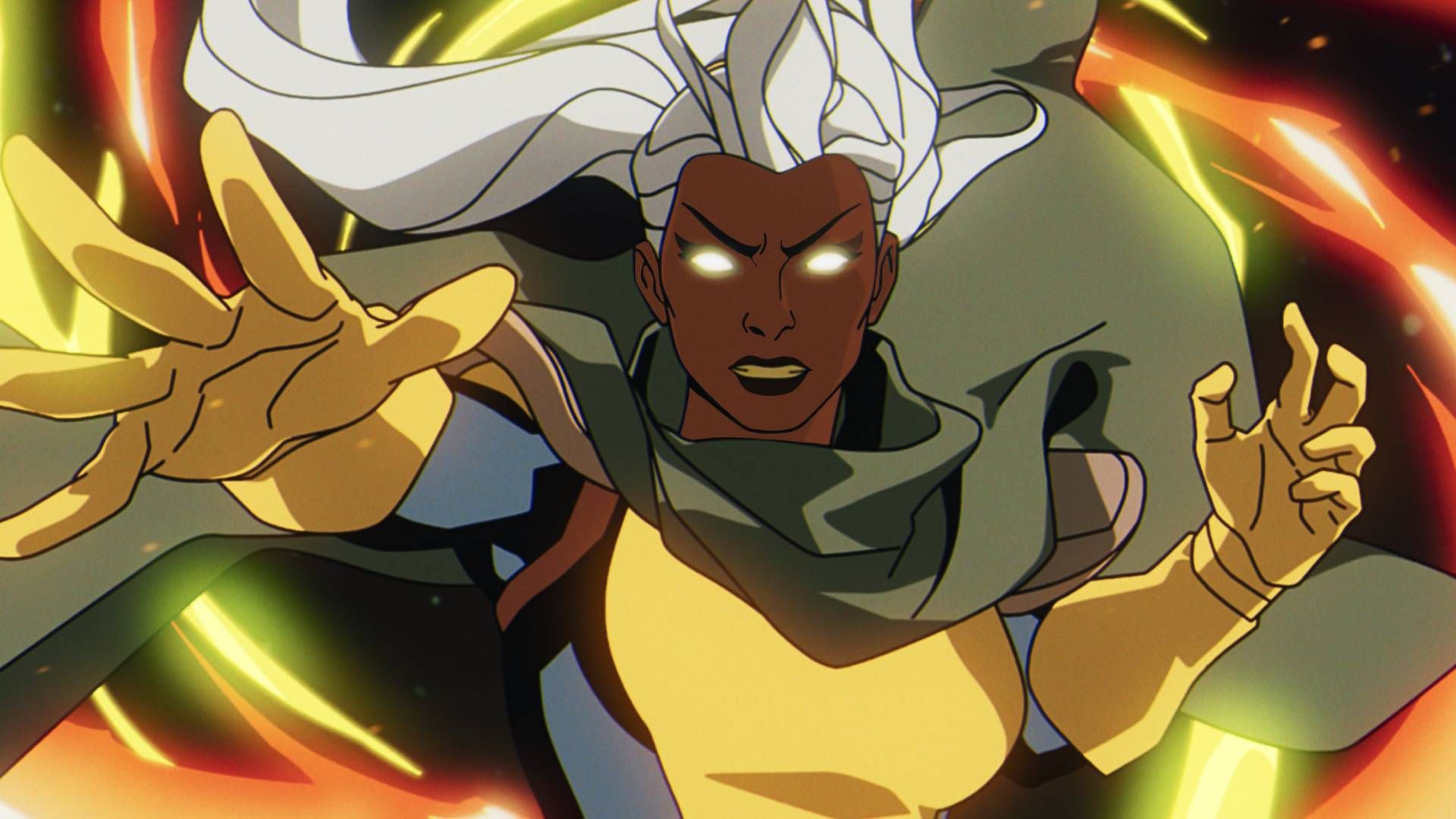
Brad Winderbaum, the Head of Marvel TV, has been vocal about this shift in strategy. Speaking on The Escape Pod, Winderbaum confirmed that both X-Men ’97 and the upcoming Your Friendly Neighborhood Spider-Man are intended to be multi-year, recurring fixtures. "We are aiming for new seasons every year moving forward," Winderbaum noted. This commitment to an annual cadence is a departure from the "event-style" release window that has characterized many Disney Plus Marvel series, signaling a move toward serialized, long-term television.
The Narrative Stakes: What to Expect in the Coming Seasons
The cliffhanger that concluded Season 1 left the team in a state of unprecedented disarray. With characters like Cyclops, Jean Grey, Rogue, Beast, Nightcrawler, Charles Xavier, and Magneto scattered across different timelines, the stakes for Season 2 are arguably the highest they have ever been.
The upcoming season promises to explore the repercussions of the team’s absence. While the X-Men grapple with the mechanics of returning to their proper place in history, the 1990s landscape they left behind is becoming increasingly hostile. New strains of mutant intolerance and the emergence of shadow-figures lurking in the halls of power suggest that the conflict will be as much about social tension as it is about cosmic-scale heroics.
Larry Houston, who has seen these characters through decades of iteration, remains confident in the direction of the story. "Trust me, as a fan, you will enjoy it," he teased, suggesting that the wait for July 2026 will be rewarded with the same narrative density and emotional weight that defined the first season.
The Implications: A New Era for Marvel Animation
The decision to move away from multi-year gaps and toward an annual release schedule has significant implications for the Marvel Cinematic Universe (MCU) and Marvel Animation.
1. Retention and Engagement
The "streaming wars" have made audience retention a primary KPI for platforms like Disney Plus. By providing a consistent, yearly drop for a high-performing property like X-Men ’97, Disney ensures that subscribers have a recurring reason to return to the platform, thereby reducing churn.
2. Talent Continuity
One of the reasons for the long delay in Season 2 was the time required to build and refine the animation pipeline. By keeping teams active and moving from one season to the next, Marvel can retain key creative talent, maintain a consistent visual style, and prevent the "brain drain" that occurs when production crews are disbanded and reassembled.
3. Cultural Dominance
The X-Men represent one of Marvel’s most valuable intellectual properties. With the cinematic future of the mutants in the MCU still in development, the X-Men ’97 series serves as the primary touchstone for the brand. Maintaining a yearly presence keeps the characters fresh in the public consciousness, setting the stage for potential future live-action crossovers or spin-offs.
Conclusion: A Bright Future for the X-Men
As we approach the July 2026 release of X-Men ’97 Season 2, the message from the studio is clear: the era of uncertainty is over. With Season 3 already in active production and Season 4 confirmed, the X-Men are no longer just a nostalgic callback; they are a permanent fixture of the modern Marvel TV slate.
For fans who have spent months parsing trailers and theorizing about the fate of Professor X and his team, this news offers the ultimate reassurance. The mutants are back, the pipeline is flowing, and for the foreseeable future, the X-Men will be gracing our screens with the quality, heart, and action that cemented their legacy in the first place. Whether you are a lifelong follower of the 90s classic or a newcomer to the mutant cause, the next few years promise to be an essential chapter in the X-Men saga.

