

Valve Corporation, the powerhouse behind the Steam storefront and some of the most influential titles in gaming history, has officially entered its next era. Deadlock, the studio’s ambitious hero-shooter/MOBA hybrid, has reached a staggering milestone: 262,145 concurrent players. This achievement is particularly striking given that the game remains in an invite-only testing phase, operating without the fanfare of a formal, global commercial launch.
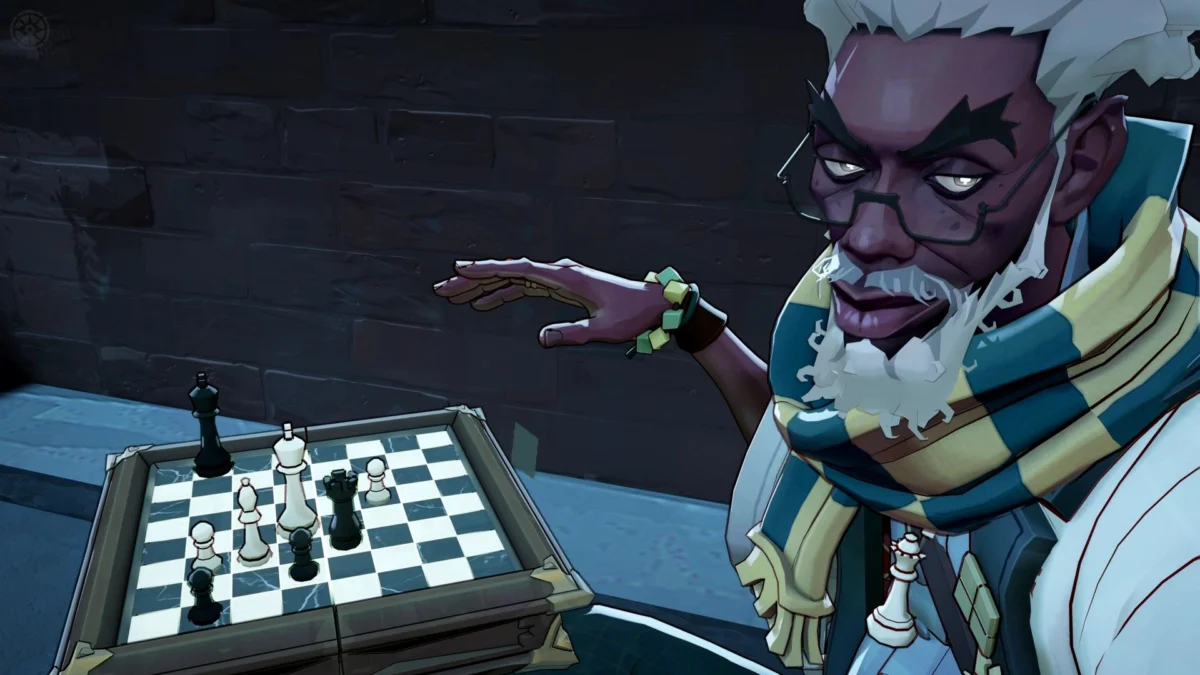
The surge in popularity follows a major content update that introduced six new heroes to the roster, including the enigmatic chess-themed mage, Solomon. This influx of players has officially pushed Deadlock past the all-time concurrent player peak of Team Fortress 2 (253,997), signaling a generational shift in Valve’s community landscape.
The Chronology of a "Secret" Success
The journey of Deadlock has been unconventional by modern AAA standards. Unlike the high-pressure marketing cycles typical of live-service titles, Deadlock was nurtured in the shadows for years.
From Leaks to Legitimacy
Rumors of a new Valve project began circulating years ago, but the project truly entered the public consciousness through a series of massive leaks. Over 90 videos of gameplay surfaced online, revealing a third-person, lane-based shooter with deep MOBA mechanics. Rather than issuing heavy-handed takedowns or panicked press releases, Valve adopted a posture of calm indifference, allowing the community’s curiosity to build organically.
The Invite-Only Phase
By utilizing an invite-only model, Valve effectively curated its early player base, ensuring the servers were populated by dedicated testers rather than impulsive casuals. This allowed developers to iterate on map design, ability balancing, and meta-game structures without the immediate toxicity that often plagues open-access competitive games.
The Latest Infusion
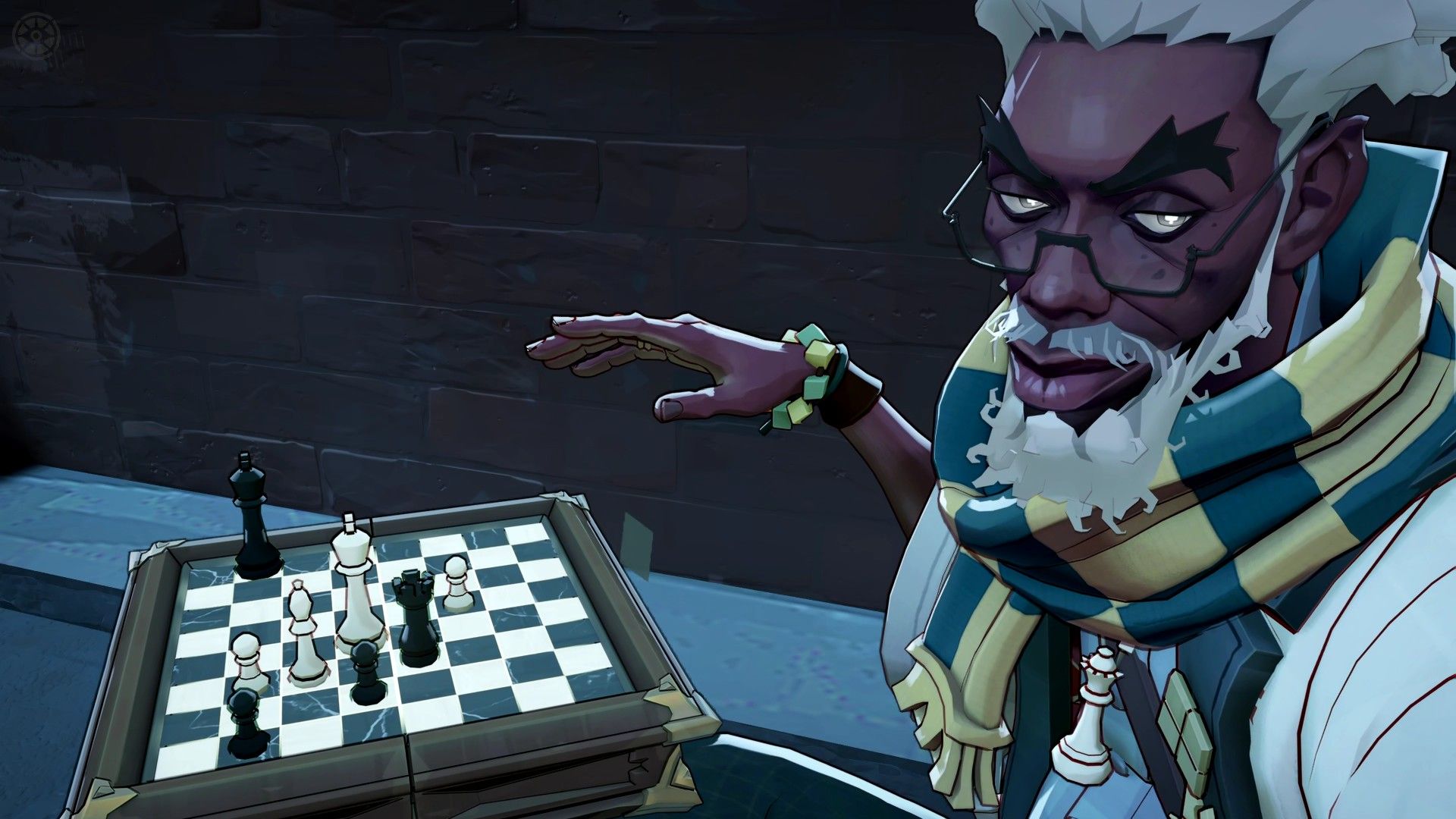
The most recent update, which served as the catalyst for the record-breaking player count, was a massive overhaul. Beyond introducing six new characters, the update brought a visual refresh to the game’s urban environment, leaning into a "spooky" aesthetic that has resonated with the player base. The inclusion of Solomon, whose unique mechanic involves reloading his weapon—a literal chessboard—with bullets that reflect historical game states, has become a lightning rod for community engagement and social media discourse.
Supporting Data and Comparative Analysis
To understand the magnitude of Deadlock’s success, one must look at the data provided by SteamDB. The current peak of 262,145 is not just a high-water mark for the game; it is a testament to the enduring influence of the "Valve seal of quality."
Deadlock vs. The Old Guard
Comparing Deadlock to Team Fortress 2 requires nuance. While TF2 hit its peak of 253,997 just three years ago—fueled by its own community-driven revivals and anti-botting measures—the context of the PC gaming market has evolved.
- Market Scale: The total addressable market for PC gaming has expanded significantly since TF2 first launched.
- Genre Appeal: Deadlock’s hybrid nature—combining the twitch-reflex demands of a shooter with the strategic depth of Dota 2—widens its net, appealing to fans of Overwatch, Valorant, and League of Legends simultaneously.
- Botting Variables: Analysts note that TF2’s player count history has been clouded by idle servers and botting crises. While Deadlock is not immune to future exploitation, its current momentum is driven by active human engagement, marking a "genuine" peak for a new IP.
The "Mad Science" of Valve’s Development Philosophy
The success of Deadlock underscores a unique, often criticized, but ultimately successful business strategy: the ability to afford "mad science." Because Valve owns Steam, the world’s largest digital storefront, they possess a financial runway that few other studios can match.
This independence allows them to develop games for years without immediate monetization, avoiding the "release-it-now-fix-it-later" trap that has crippled other recent live-service titles. However, this strategy is not a guarantee of success. The failure of Artifact—Valve’s attempt to dominate the digital card game market—serves as a reminder that even the most massive infrastructure cannot force a game to succeed if the core design fails to hook the audience. Deadlock, conversely, appears to have found the "fun" factor early, allowing the community to do the heavy lifting of testing and evangelism.
Implications for the MOBA Genre
The MOBA genre is notoriously difficult to penetrate. The dominance of League of Legends and Dota 2 has created an environment where newcomers often die on arrival. Deadlock’s success suggests that the market is hungry for a hybrid experience that breaks the top-down, click-to-move paradigm of traditional MOBAs.
Strategic Innovation
By shifting the perspective to third-person, Deadlock creates a different skill ceiling. Players are no longer just managing ability cooldowns; they are managing verticality, aim, and spatial awareness. This shift is likely what has allowed the game to cannibalize interest from both the hero-shooter crowd and the traditional MOBA audience.
The "Solomon" Effect
The reception of characters like Solomon indicates that players value thematic innovation. The attention to detail—such as the weapon reloading mechanics mirroring real-world chess games—signals to the community that Valve is crafting a world with high production value and intellectual depth. This "novelty" factor is a crucial engine for momentum, ensuring that the game remains a hot topic on platforms like Twitch and YouTube.
Looking Ahead: The Future of the Test
As Deadlock continues to grow, the question shifts from "will it succeed?" to "how will it scale?"
Balancing the Ecosystem
Valve’s primary challenge moving forward will be maintaining the integrity of the competitive experience as the game moves toward an eventual public release. Expanding from an invite-only test to a global open beta will invite a massive influx of players, which historically leads to server stress, increased toxicity, and the inevitable rise of cheating.
The Long Game
If the history of Dota 2 and Counter-Strike is any indication, Valve is likely preparing for a long, slow burn. They have demonstrated a willingness to listen to feedback, iterate on the fly, and pivot when necessary. The "spooky" city update and the recent hero drop suggest that the game’s pipeline is robust and that the studio is confident in the game’s current direction.
Final Thoughts
Whether Deadlock becomes the next permanent fixture in the Valve ecosystem remains to be seen. However, by eclipsing the peak of a titan like Team Fortress 2 while still in a closed testing phase, Deadlock has effectively declared itself the new vanguard of the studio’s portfolio.
For the average gamer, the message is clear: the era of the hero-shooter is not over; it has simply been re-imagined. As the chess-mage Solomon continues to reload his board on the frontlines, Valve has proven once again that, in the high-stakes game of software development, they are playing a different kind of match entirely. They aren’t just reacting to market trends—they are, as always, creating their own.

