

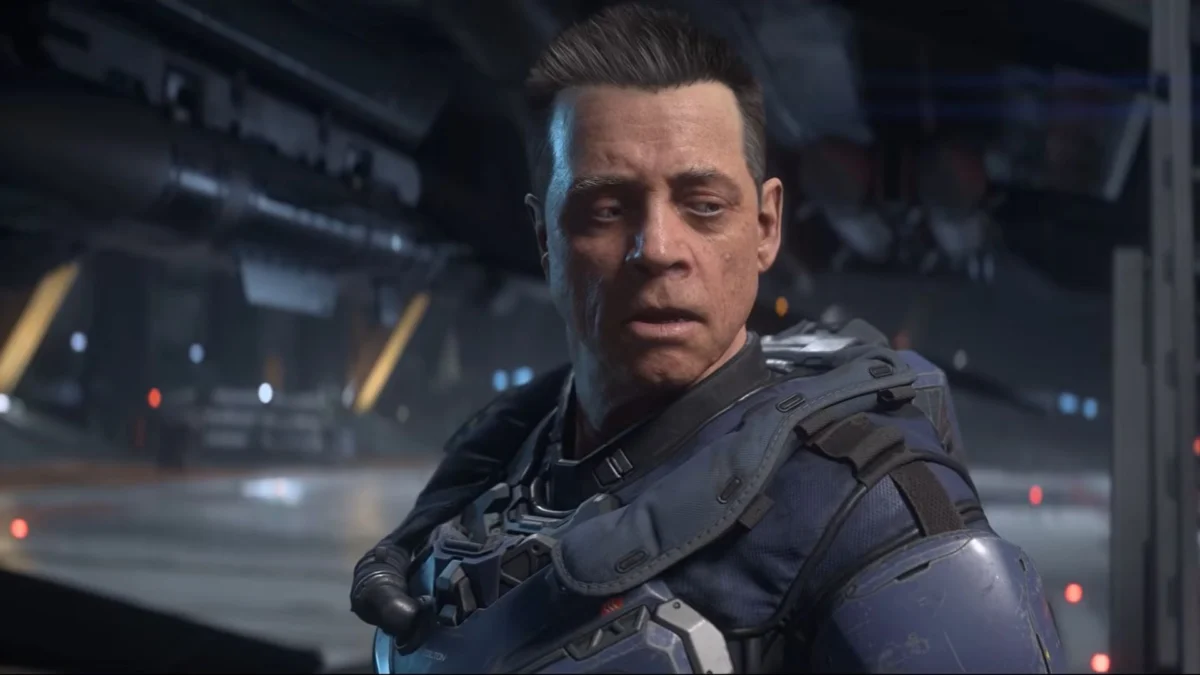
Nearly a decade and a half after initial crowdfunding campaigns first began reshaping the expectations of space-flight simulation enthusiasts, Squadron 42—the highly anticipated single-player cinematic campaign tied to the broader Star Citizen ecosystem—has officially landed on Steam. Complete with a dedicated store page, a new cinematic trailer titled "The Oath," and a targeted release window of Q2 2027, the project is once again asserting its presence in the broader PC gaming landscape.
The appearance of a Steam storefront follows a turbulent period of public relations for Cloud Imperium Games and game director Chris Roberts. In August, Roberts made headlines by announcing that Squadron 42’s release was being pushed out of 2026. The justification provided was strikingly candid: the studio aimed to avoid the commercial and cultural "attention buzz-saw" of Rockstar Games’ juggernaut, Grand Theft Auto 6.
While the reasoning drew considerable skepticism from the gaming community—fueled in part by a poorly received, lag-heavy Star Citizen livestream that raised eyebrows regarding the management of a project that has now crossed the $1 billion funding threshold—the arrival of concrete platform architecture marks a tangible step forward. Squadron 42 now has official system requirements, a newly minted wishlist trailer, and a formalized timeline that suggests an eventual endgame for a development cycle defined as much by its delays as its ambition.
Main Facts: What We Know About the Squadron 42 Steam Launch
The sudden deployment of the Squadron 42 Steam page has answered several immediate logistical questions regarding how the game will be distributed, what hardware it will demand, and who will star in its massive cast.
- The Release Window: The official Steam page lists a targeted launch window of Q2 2027. Whether this date holds remains one of the most heavily scrutinized questions in PC gaming, given the project’s extensive history of schedule revisions.
- Storage Demands: In line with contemporary AAA blockbusters—such as Final Fantasy 7 Revelation, which reportedly requires a staggering 200GB—Squadron 42 commands a hefty 150GB installation footprint.
- System Requirements: Surprisingly old-fashioned for a title that has pushed technological boundaries for years, the initial hardware specifications listed on Steam make no mandatory mention of ray tracing-capable graphics cards or DirectX 12 exclusivity, suggesting a wide scalability net or baseline optimizations rooted in older architectural frameworks.
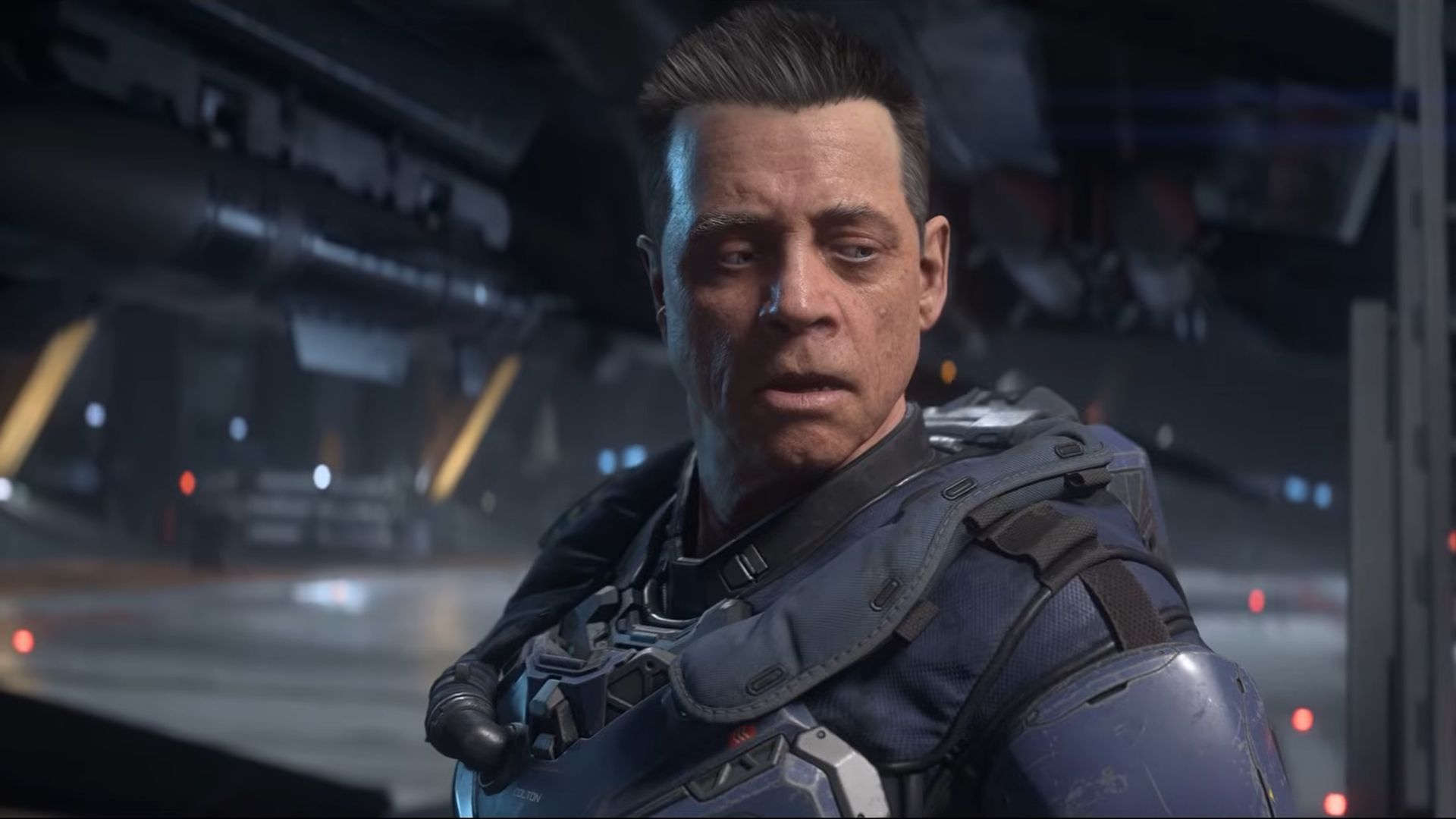
- The Star-Studded Cast: The project boasts an iconic Hollywood ensemble cast, including Mark Hamill, Gary Oldman, Gillian Anderson, Henry Cavill, Rhona Mitra, and Liam Cunningham (famously known as the Onion Knight in Game of Thrones). Many of these performances were captured via motion-capture and voice sessions completed a solid decade ago.
Chronology: A History of Shifts, Delays, and Milestones
To understand the significance of the Squadron 42 Steam page, one must look back at the convoluted timeline that brought the project to this juncture. The history of Star Citizen and its single-player spin-off is so densely packed with shifting milestones that the changes maintain their own dedicated community wiki pages.
Phase 1: The Kickstarter Genesis (2012–2015)
When Chris Roberts launched the original Kickstarter campaign for Star Citizen in late 2012, Squadron 42 was pitched as the spiritual successor to the legendary Wing Commander series. Promised as an immersive, narrative-driven space combat opera featuring offline capabilities and rich storytelling, the project initially targeted a 2014 release date. As crowdfunding exploded far past initial expectations, the scope of both Star Citizen (the persistent MMO) and Squadron 42 (the single-player campaign) ballooned exponentially.
Phase 2: The Slipped Windows (2016–2020)
By 2016, the original delivery windows had long since passed. Cloud Imperium Games attempted to provide deeper transparency by publishing roadmap trackers, but shifting technical goals—such as transitioning between engine iterations, rewriting network code, and developing procedural planet tech—pushed internal and external estimates further out. Vague promises of "beta" phases came and went throughout the late 2010s without a commercial release materializing.
Phase 3: The "Feature Complete" Announcement and Beyond (2023–2025)
At CitizenCon 2023, Cloud Imperium Games announced that Squadron 42 was finally "feature complete," meaning all gameplay mechanics and content had been implemented and the team was entering the polishing phase. However, polish for a project of this magnitude proved extensive. Throughout 2024 and 2025, financial transparency reports showed ongoing development costs climbing past the $1 billion mark in cumulative funding, culminating in the August announcement that 2026 was off the table to dodge Grand Theft Auto 6.
Supporting Data and Technical Realities
The release of system requirements alongside the Steam page offers a fascinating look into how Cloud Imperium Games is structuring the technical backbone of Squadron 42.
While modern PC hardware discussions are dominated by conversations surrounding path tracing, upscaling algorithms like DLSS and FSR, and cutting-edge API utilization, Squadron 42’s initial listings are remarkably conservative. The avoidance of mandatory ray tracing hardware requirements suggests that the developers are focused on ensuring broad compatibility across high-end and mid-tier rigs alike, a necessary concession for a game aiming to capture a wide audience after years of specialized development.
However, storage continues to be a primary battleground for modern titles. At 150GB, Squadron 42 reinforces the trend of heavyweight installations driven by uncompressed audio assets, high-definition texture packs, and complex cinematic sequences. Industry observers note that as games increasingly cross the 150GB to 200GB threshold (with titles like Final Fantasy 7 Revelation pushing 200GB), players will increasingly need to upgrade storage infrastructure simply to manage a rotating library of contemporary releases.
Official Responses and Industry Context
The strategy of shifting release dates away from major industry titans is a well-established risk-mitigation tactic, but Chris Roberts’ explicit invocation of Grand Theft Auto 6 as an "attention buzz-saw" proved polarizing.
Industry analysts have pointed out the pragmatic wisdom in avoiding the oxygen-sucking marketing blitz of Rockstar’s next title, which is expected to dominate media discourse for months before and after its launch. Yet, for a community that has weathered more than a decade of broken promises, citing an external publisher’s timeline as the primary roadblock for a game already facing internal delays was met with a mixture of amusement and exhaustion.
Further compounding the public relations challenge was the recent Star Citizen community livestream. Intended to showcase current progress, the stream suffered from noticeable technical lag, audio issues, and an atmosphere that critics described as sluggish and disconnected. For a project whose total funding has surpassed $1 billion, presentation matters deeply; clumsy community events make it harder for external observers to take statements about high-end polish and cinematic mastery at face value.
Implications: Can Squadron 42 Deliver on Its Legacy?
The debut of Squadron 42 on Steam fundamentally changes its accessibility. By moving toward mainstream storefronts rather than relying solely on the proprietary RSI launcher, Cloud Imperium Games is signaling a shift toward broader commercial availability.
The artistic direction of the new "The Oath" trailer leans heavily into traditional military sci-fi tropes—complete with dramatic salutes, tactical briefings, and dramatic space dogfights. While some veterans of the space-sim genre express weariness over the "Top Gun in space" aesthetic (longing instead for the more rugged, independent trader vibes of games like Privateer), the inclusion of A-list talent like Mark Hamill, Gary Oldman, and Gillian Anderson ensures that the cinematic presentation will be unlike anything else attempted in the genre.
Moreover, the dual player-character options—including a male default model prominently featured in promotional materials and a female counterpart voiced by Alix Wilton Regan—point to a tailored narrative experience that attempts to blend the character-driven pacing of Half-Life 2 with the epic dogfighting mechanics of classic Wing Commander.
If Cloud Imperium Games can actually hit the Q2 2027 release window and deliver a cohesive, bug-free, and emotionally resonant campaign, Squadron 42 could finally silence its critics and justify the unprecedented length and expense of its development cycle. If it slips further, however, it risks testing the patience of even the most dedicated backers. For now, the page is live, the wishlist is open, and the countdown to 2027 has officially begun.

