

Introduction: The Anatomy of a Corporate Miscalculation
In the modern digital landscape, the distance between a platform’s corporate boardroom and its user base is often measured in memes. Last week, Discord—the ubiquitous communication hub boasting hundreds of millions of monthly active users—discovered just how wide that chasm had become. Following the global deployment of a controversial new age estimation and verification system, the platform found itself at the epicenter of a massive online backlash.
Rather than soothing user anxieties over technical glitches, privacy vulnerabilities, and the intrusive nature of biometric data collection, Discord’s social media team leaned into a tone-deaf "smol bean" persona. The result? A digital rebellion characterized not by polite petitions, but by a surreal, viral wave of creative expression: thousands of internet users collectively drafting, animating, and sharing the gruesome, highly theatrical demises of Wumpus, the platform’s innocent blue mascot.
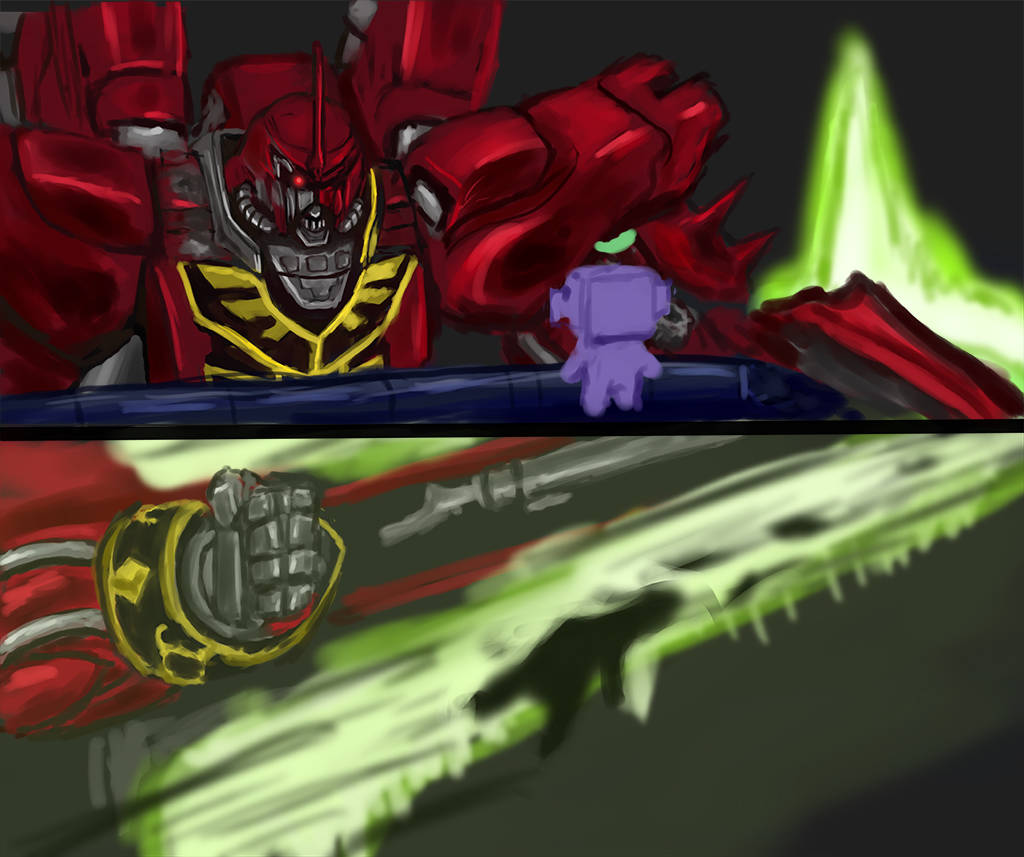
For any public relations professional, watching your company’s cute, universally recognized avatar get subjected to historical drawing-and-quartering, crushed by anime starships, and blasted by Godzilla’s atomic breath is a clear indicator of a catastrophic strategy failure. But beneath the dark humor and chaotic energy of X (formerly Twitter) lies a serious, deeply rooted anxiety regarding online privacy, data security, and the creeping normalization of invasive age-assurance technologies across the internet.
Main Facts: What Triggered the Discord Backlash?
The crisis unfolded in late September 2026, stemming directly from Discord’s rollout of its global age estimation systems. Driven by mounting regulatory pressures globally—ranging from the United Kingdom’s Online Safety Act to various state-level U.S. laws aimed at restricting minors’ access to mature content—platforms are increasingly forced to implement strict age-verification protocols.

Discord’s approach relied on an automated estimation model designed to deduce a user’s age based on behavioral and account metadata. According to company projections, approximately 90% of the user base was supposed to pass through this estimation phase seamlessly, requiring no active intervention. However, the remaining 10%—alongside countless users flagged erroneously by system bugs—were met with a jarring requirement: provide explicit age verification through either a government-issued ID scan or a facial biometric selfie.
The implementation was plagued by technical hiccups, locking legitimate users out of their accounts, throwing unexpected verification walls across servers, and fueling a toxic cocktail of frustration and fear.
These concerns were far from unfounded. The backlash hit a boiling point because it coincided with lingering trauma from recent high-profile cybersecurity breaches. Notably, reports surfaced detailing how tens of thousands of sensitive age-verification documents—including ID photos, usernames, email addresses, credit card details, and IP addresses—had been exposed in security lapses. For a generation of digital natives increasingly protective of their biometric data, handing a corporate entity a scan of a driver’s license or a facial scan felt less like a safety measure and more like a privacy trap waiting to spring.
Chronology: The Timeline of a PR Disaster
To understand how a routine software update morphed into a full-scale cultural phenomenon, one must trace the rapid escalation of events over a matter of days:

- Phase 1: The Global Rollout and Initial Glitches (Mid-September 2026)
Discord initiates its global age estimation system. Almost immediately, users encounter widespread bugs. Accounts are mistakenly flagged as underage, and loops of verification requests grind community interactions to a halt. - Phase 2: The "Just a Little Guy" Tweet
Facing mounting complaints and technical failures, Discord’s social media managers attempt to defuse the tension by posting on X with an endearing, self-deprecating tone. Attempting to frame the multi-billion-dollar platform as an innocent, helpless entity ("just a little guy"), the post completely misreads the room. - Phase 3: The Spark and the Satire
The internet rejects the corporate cuteness instantly. Users weaponize the contrast between Discord’s "soft" marketing and the harsh reality of mandatory ID scans and data leak fears. Satirical posts mocking the rollout begin to trend. - Phase 4: The Wumpus Massacre (Present Day)
Humor quickly transitions into surrealism and dark comedy. Artists, animators, and internet trolls unite under a common banner: the ritualistic, over-the-top destruction of Wumpus. Within days, historical executions, cinematic anime battles, and apocalyptic sci-fi annihilations of the mascot amass hundreds of thousands of likes and millions of views, cementing the event as a textbook case of bad corporate PR.
Supporting Data: The Scale of the Outrage
While corporate press releases often minimize user friction as "isolated incidents," the metrics surrounding the Wumpus backlash tell a vastly different story.
Engagement analytics on X reveal unprecedented virality for user-generated protest art:
- Combined views for top-tier Wumpus destruction artwork—including high-effort animations and illustrated parodies—surpassed 8 million views within a 72-hour window.
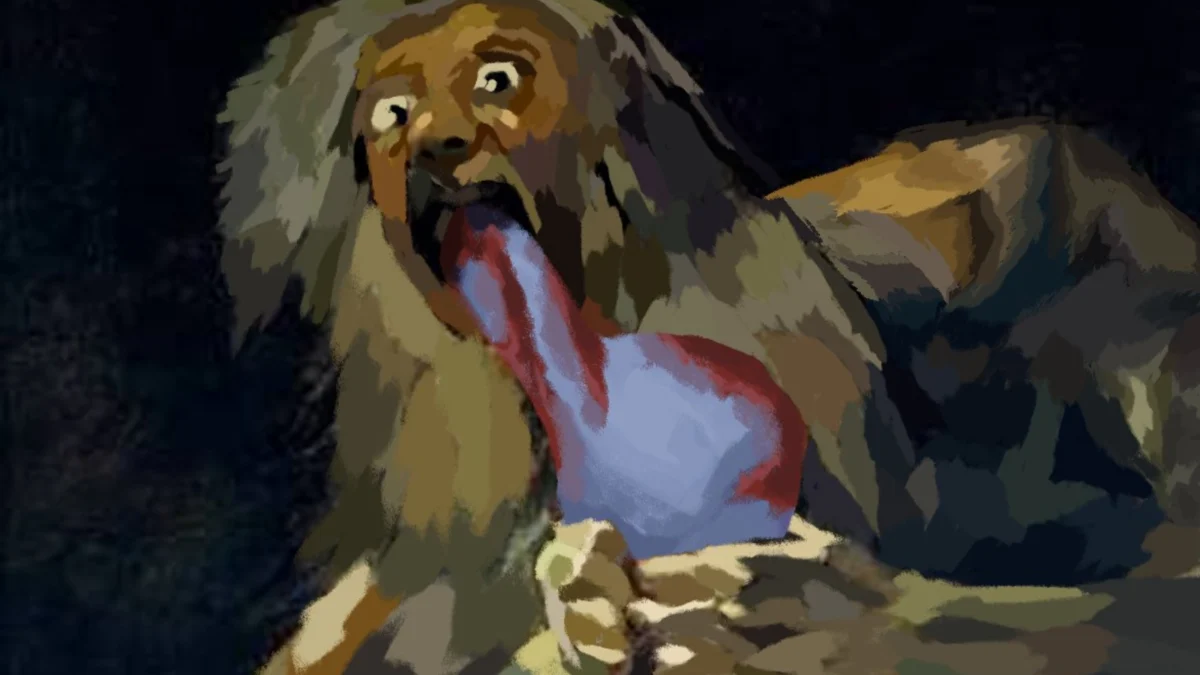
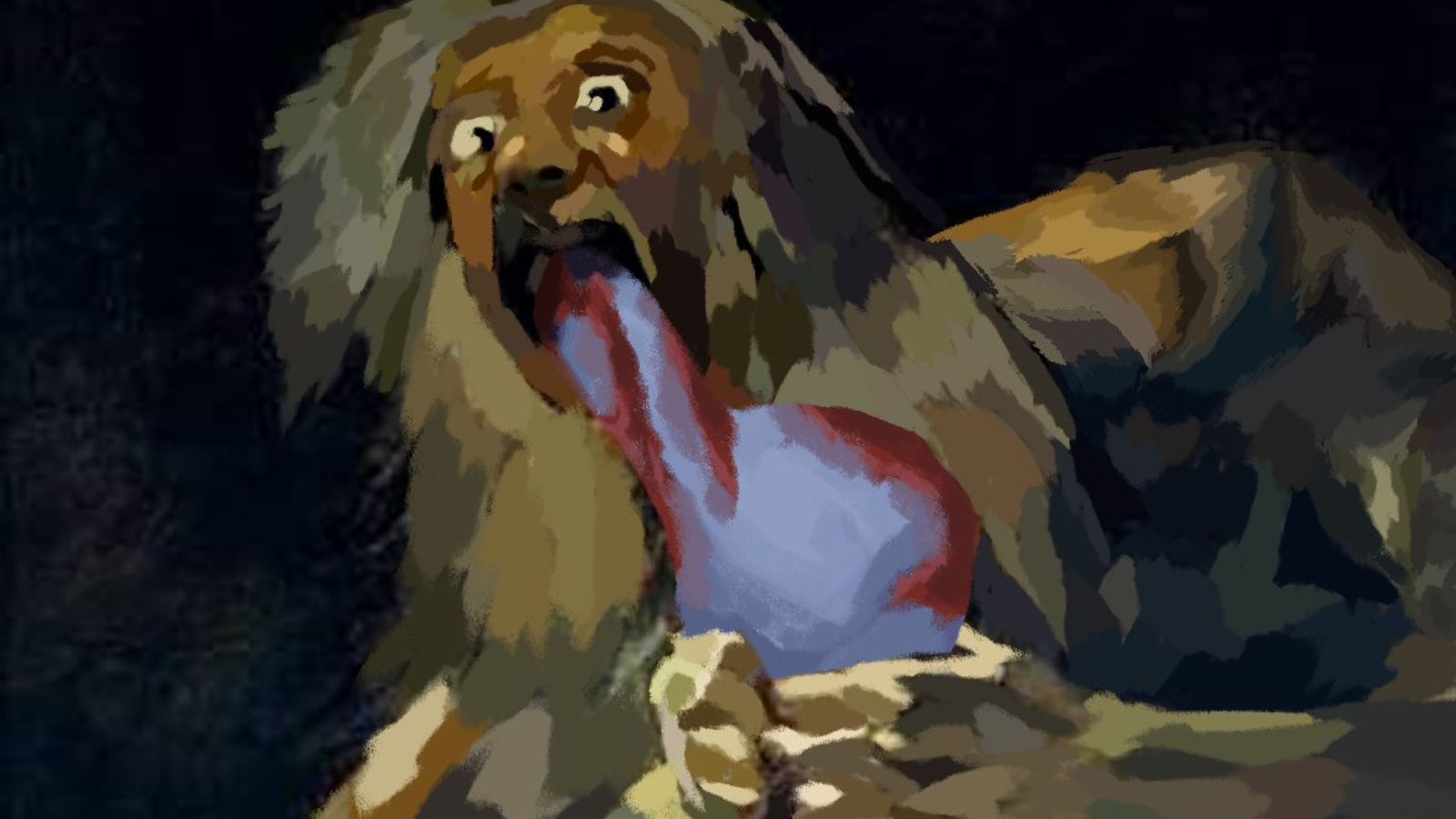
- Individual pieces, such as a recreation of Francisco Goya’s Saturn Devouring His Son (with Saturn replaced by a weary internet user and the son replaced by Wumpus) and a fluid-dynamics simulation of the mascot meeting a brutal end, accumulated over 400,005 combined likes.
- The overwhelming sentiment analysis of replies to Discord’s official communication channels showed a 95% negative response rate, heavily dominated by warnings over data privacy, surveillance capitalism, and past security breaches involving user identification documents.
This quantitative data highlights that the backlash was not merely a vocal minority of internet trolls, but a broad-based expression of user discontent spanning casual users, gamers, community moderators, and digital privacy advocates.
Official Responses: Tone-Deaf PR vs. Reality
Discord’s official response to the crisis has been widely criticized by industry analysts for lacking emotional intelligence and regulatory self-awareness.
When digital platforms implement policies that fundamentally alter the user experience—particularly policies touching upon sensitive biometric data—users expect transparency, accountability, and serious corporate responsibility. Instead, Discord’s initial social media strategy leaned heavily into "corporate cringe," attempting to cute-ify a policy that users perceived as intrusive and potentially dangerous.
Security researchers point out that corporate entities routinely underestimate the anxiety consumers feel regarding digital identity verification. By treating mandatory facial scans and ID uploads as minor inconveniences rather than major privacy concessions, Discord signaled a profound disconnect from its core audience. As of now, the company has offered standard boilerplate reassurances regarding data encryption and third-party security vendors, but these statements have done little to quell the underlying distrust stoked by previous data leaks.
Implications: What the Wumpus Backlash Means for the Future of Tech
The great Wumpus massacre of 2026 is more than just a funny internet week; it serves as a watershed moment for several critical trends in digital communication, governance, and corporate behavior:
1. The Death of Cute Corporate Personas
For years, brands have attempted to humanize themselves on social media by acting like quirky, relatable internet users. However, the Discord incident demonstrates that consumers have grown wise to this tactic. When a platform is simultaneously collecting sensitive biometric data and enforcing restrictive global policies, attempts to play the "smol bean" card are viewed as manipulative and insulting. Users do not want a friend; they want a secure, reliable utility that respects their privacy.
2. The Rising Tides of Age-Verification Resistance
As governments worldwide continue pushing for mandatory age-assurance technologies to protect minors online, platforms are caught between regulatory compliance and user rebellion. Discord’s struggles prove that users are deeply suspicious of methods requiring government IDs or facial geometry mapping. The friction experienced during this rollout suggests that future implementations by other tech giants will face similar, if not worse, resistance.
3. The Power of Collaborative Internet Culture
If nothing else, the backlash reaffirms the unparalleled speed and creativity of modern internet culture. When driven by collective grievance, online communities can pivot from frustration to high-concept artistic satire within hours. By turning the corporate mascot into a canvas for cathartic destruction, users reclaimed a modicum of power over a platform that felt increasingly corporate and detached from its grassroots gaming origins.
Conclusion
Discord will undoubtedly survive the PR fiasco. Wumpus will likely remain its mascot, and users will continue utilizing the platform for daily communication, gaming sessions, and community building.
However, the events of this past week leave a permanent scar on the relationship between the platform and its users. It serves as an enduring cautionary tale for the tech industry at large: when you demand users’ most sensitive personal data, do not expect them to smile while you do it—and definitely do not expect them to spare your mascot.

