

By Ford James
Published October 2, 2026
Main Facts: The Resurgence of Tactical Strategy
For years, the mainstream gaming landscape was dominated by fast-paced, high-reflexive genres. First-person shooters, twitch-based battle royales, competitive sports simulations, and high-octane action RPGs commanded the lion’s share of player attention and industry investment. For a generation of players raised on rapid inputs and split-second reactions, turn-based tactics games were often dismissed as slow, overly methodical, or niche relics of a bygone era.
Today, that paradigm has fundamentally shifted. The tactics genre is experiencing a massive, undeniable renaissance. Spearheaded by critically acclaimed breakout hits and heavily anticipated upcoming titles like Star Wars: Zero Company, Fire Emblem: Fortune’s Weave, and Ubisoft’s Rainbow Six Tactics, strategy games are capturing mainstream audiences in ways not seen in decades. Far from being restricted to dusty corners of PC gaming culture, modern tactical games are driving major commercial success, blending deep mechanical complexity with cinematic storytelling, roguelite progression, and polished, high-budget presentation.
Chronology: From Niche Roots to a Modern Explosion
To understand how the tactical genre arrived at its current golden age, it helps to examine its recent trajectory:
- The Classic Foundations: Historically, players discovered the genre through pioneers like Worms, Hogs of War, and foundational grid-based tactical RPGs. However, these were often viewed as stepping stones rather than mainstays for younger gamers who gravitated toward action-heavy titles.
- The Modern Catalyst (2017–2022): A gradual rehabilitation of the genre began with sleeper hits and unexpected crossovers. Games like Mario + Rabbids: Kingdom Battle (2017), Mutant Year Zero: Road to Eden, Gears Tactics (2020), and Wargroove proved that traditional grid and turn-based mechanics could be successfully married to modern intellectual properties and slick aesthetics.
- The Breakthrough Moment (Late 2022): For many modern converts, the turning point arrived with the launch of Marvel’s Midnight Suns in December 2022. By proving that deck-building, positioning, and superhero fantasy could coexist in a tactical format, it opened the floodgates for players previously intimidated by the genre.
- The Current Renaissance (2024–2026): Over the past few years, the ecosystem has exploded with diverse entries—ranging from indie darlings like Mewgenics to heavy hitters like Jagged Alliance 3 and Fire Emblem: Fortune’s Weave. The landscape has evolved to encompass tactical roguelites, licensed blockbusters, and gritty military simulations, setting the stage for an even more robust slate of releases heading into 2027.
Supporting Data: Standout Titles Driving the Movement
The breadth of the current tactics revival is best demonstrated by the sheer variety of titles defining the space. Developers are no longer adhering to a single formula; instead, they are cross-pollinating tactical gameplay with genres like stealth, racing, roguelites, and squad-based shooters.

Star Wars: Zero Company
Arguably the most prominent standard-bearer for the genre’s narrative potential, Star Wars: Zero Company leans into a grittier corner of the franchise’s universe. Reminiscent of the tone established by the Disney+ series Andor, the game follows Hawks—an ex-soldier turned independent mercenary leader drowning in debt to the Hutts—who is forced into clandestine operations by Republic Intelligence.
While Zero Company doesn’t fundamentally rewrite the rules of tactical combat, it near-perfects them. Every recruited squad member is fully voice-acted with distinct personalities, special abilities, and individual quirks. Crucially, the game utilizes permanent death: if a squad member falls in battle, they are gone for good. This high-stakes mechanic transforms every skirmish from a routine puzzle into a tense, emotionally fraught operation.
Worms Galactic Tactics (Coming 2027)
For newcomers seeking an accessible entry point, Team17’s upcoming Worms Galactic Tactics promises to bridge the gap between casual party games and deep strategic planning. Marking the franchise’s first true venture into the tactical genre, the game retains the iconic, chaotic humor of classic Worms while shifting into a 3D environment.
Blending tactics with roguelite progression—much like Star Wars: Galactic Racer—players compete in the "Galactic Gauntlet," a tournament featuring escalating rounds across destructible environments. Hands-on impressions from industry events like Gamescom highlight that the fusion of classic gadgets, environmental destruction, and modern roguelite replayability makes it one of the most anticipated approachable strategy games on the horizon.
Rainbow Six Tactics
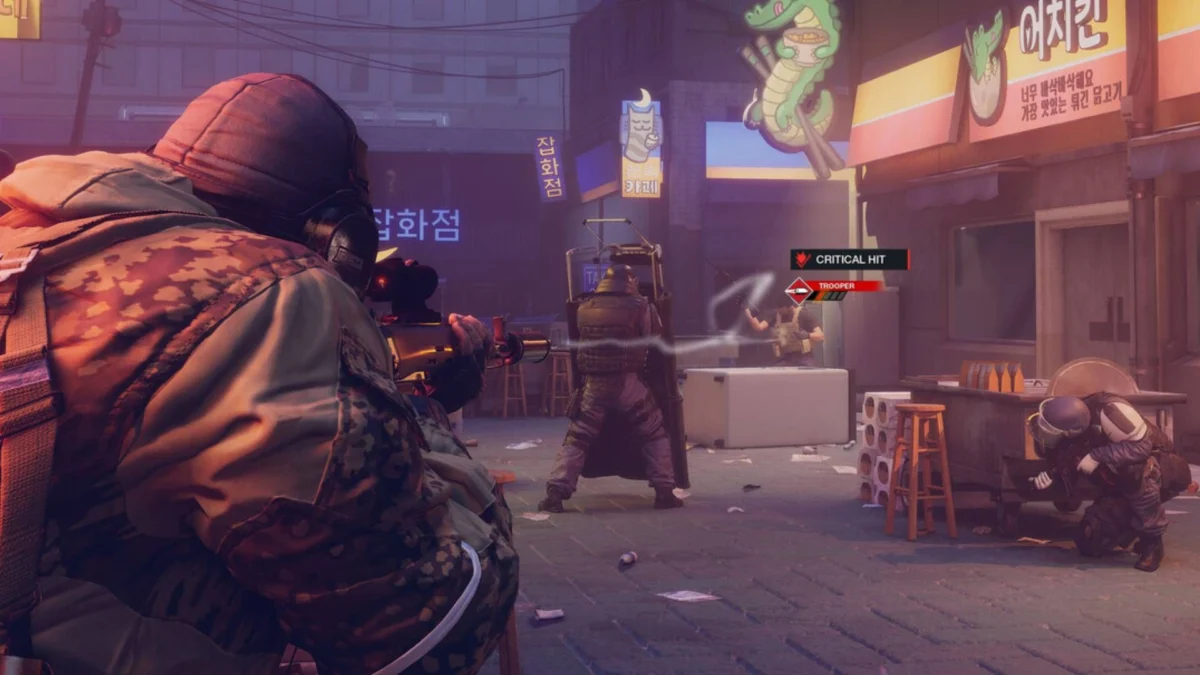
At the opposite end of the tonal spectrum lies Ubisoft’s Rainbow Six Tactics. Designed as a military-themed tactics game tailored for fans of Tom Clancy’s Rainbow Six Siege, this title introduces a revolutionary "breach planning phase."

Instead of traditional reactive turn-taking, players map out multi-step infiltration paths like a grandmaster playing chess. Once executed, the operators carry out the complex choreography in real-time. Skilled players can orchestrate devastating, lightning-fast room clears before enemy AI units even have time to register the threat, translating the high-speed tension of tactical shooters into a deliberate, cerebral format.
Official Responses and Industry Insights
Industry developers and critics alike have noted the psychological shift in how modern gamers consume media. No longer locked into the binary choice between "fast-paced action" and "boring slow games," players are increasingly seeking experiences that reward patience, spatial awareness, and long-term planning.
Game directors across multiple studios have pointed out that modern computing power and AI advancements have allowed turn-based enemy behaviors to become vastly more sophisticated. No longer do tactical games rely on cheap difficulty spikes or unfair stat boosts to challenge the player; instead, modern AI forces true tactical adaptation, mirroring the competitive depth found in high-level multiplayer shooters.
Furthermore, narrative integration has improved exponentially. Developers of titles like Star Wars: Zero Company emphasize that turn-based frameworks provide a uniquely intimate window into character growth. Because players spend extended periods managing individual units, positioning them carefully, and gambling with their survival, bonds form organically between the player and their custom or recruited rosters—a phenomenon rarely replicated in action games where characters are treated as disposable avatars.
Implications: What This Means for the Future of Gaming
The tactical genre’s resurgence carries significant implications for the broader video game industry:
- Broadened Demographics: The stigma that tactics games are exclusively for aging PC traditionalists has been shattered. By wrapping complex mechanics in beloved intellectual properties (Star Wars, Rainbow Six, Mario) and blending them with modern progression loops (roguelites, deck-building, permadeath), developers are successfully onboarding younger, action-oriented demographics.
- Creative Risk-Taking in Mid-Budget and AAA Spaces: The commercial success of these titles signals to publishers that players are hungry for depth and originality. As burnout grows around predictable, annualised live-service shooters, tactical games offer a refreshing alternative that prioritizes intellect over twitch reflexes.
- The Rise of the "Thoughtful Gamer": As the industry matures alongside its player base, the demand for games that respect the player’s time while offering cerebral challenges will only grow. Whether through the gritty mercenary management of Star Wars: Zero Company, the chaotic destruction of Worms Galactic Tactics, or the military precision of Rainbow Six Tactics, the tactical renaissance is here to stay—proving definitively that sometimes, the most powerful weapon a gamer has isn’t a faster trigger finger, but a better plan.

