

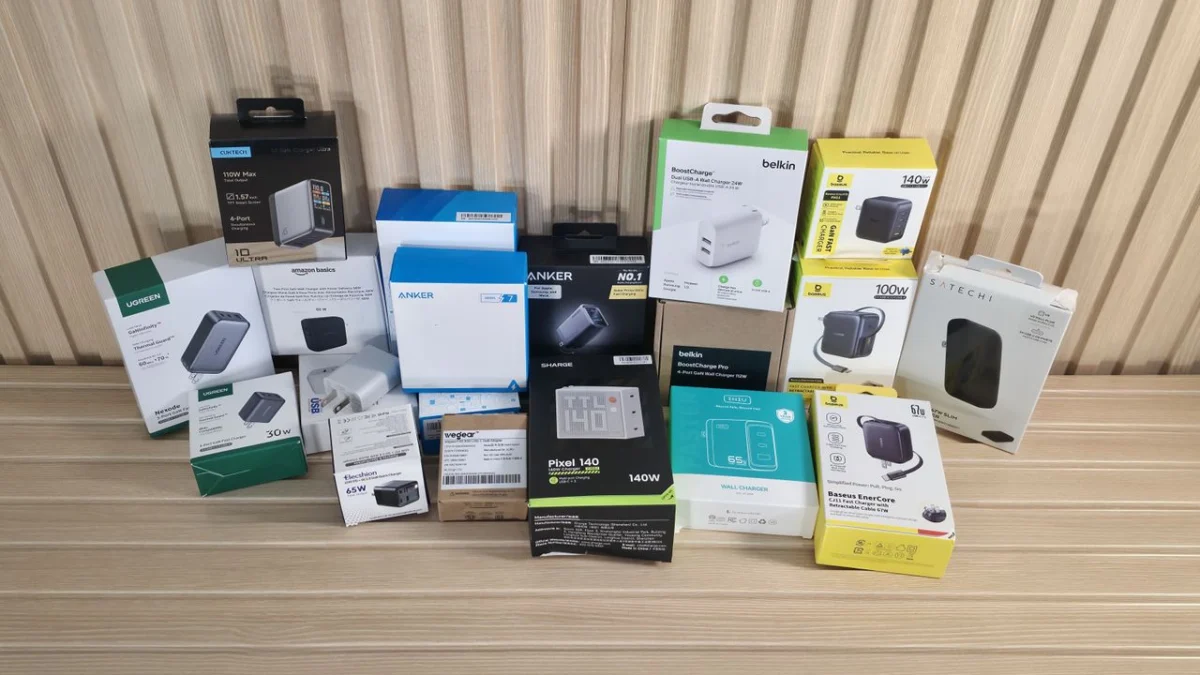
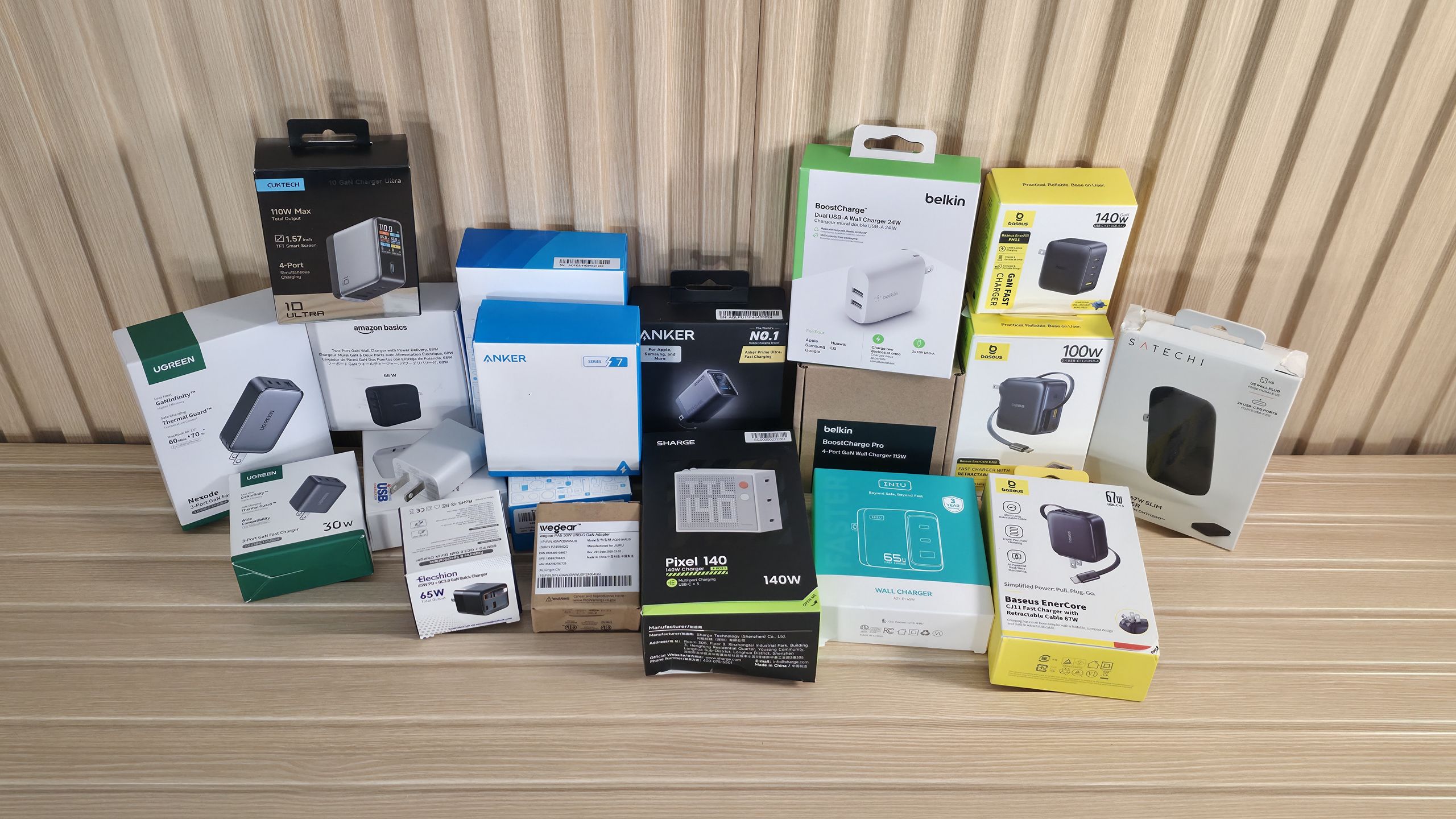
The ubiquitous USB charger, once a simple accessory bundled with every new device, has transformed into a sophisticated piece of technology crucial for our increasingly connected lives. As device manufacturers increasingly omit chargers from their packaging, consumers are left navigating a complex market, pondering questions of wattage, port configurations, and emerging technologies like Gallium Nitride (GaN). A recent comprehensive investigation by Tom’s Hardware, rigorously testing 20 diverse models ranging from a modest 15W smartphone charger to a formidable 140W powerhouse, sheds critical light on what truly defines a superior USB charging experience.
Main Facts: Unpacking the Modern Charger Conundrum
The core takeaway from Tom’s Hardware’s extensive analysis is clear: while basic, low-wattage charging remains largely straightforward, the landscape for powering more demanding devices like laptops, tablets, and multiple gadgets simultaneously is far more nuanced. The investigation revealed that modern chargers are generally more efficient, safer, and "smarter" than their predecessors, thanks to advancements in charging protocols and materials. However, the promise of rapid, multi-device charging at high wattages introduces significant engineering challenges, particularly concerning heat management and sustained power delivery.
Key findings underscore several crucial considerations for consumers:
- GaN Technology Delivers: The once-niche Gallium Nitride (GaN) material is indeed worth the investment. Its superior thermal efficiency allows for smaller, more powerful, and cooler-running chargers.
- Sustained Output is Paramount for High Wattage: Marketing claims for peak wattage often don’t tell the whole story. For chargers above 100W, the ability to maintain consistent power output over extended periods, rather than merely hitting a high peak, is critical for effective charging.
- Thermal Performance Dictates Longevity and Safety: Heat is the nemesis of electronics. Chargers that manage heat effectively not only perform better but also offer enhanced safety and durability.
- Efficiency and Idle Draw Matter: While most modern chargers are reasonably efficient under load, minimizing idle power draw contributes to energy savings and environmental responsibility.
- Dollar-per-Watt Value: For budget-conscious consumers, this metric provides a practical way to assess the economic viability of a charger, ensuring optimal performance without overspending.
The testing spanned a wide array of brands, including industry leaders like Anker, Baseus, Belkin, Ugreen, and Cuktech, evaluating critical metrics beyond mere advertised specifications. This rigorous approach aimed to provide consumers with actionable insights into real-world performance.
Chronology: The Evolution of Charging and Rigor of Testing
The journey of the USB charger reflects a broader technological evolution. Initially, chargers were proprietary, bulky, and often device-specific, delivering minimal power (typically 5W-10W). The advent of USB-A brought some standardization, but output remained limited. The real revolution began with USB-C, ushering in higher power delivery capabilities (USB Power Delivery – USB-PD) and the promise of a universal charging standard. This evolution continues with subsequent iterations of USB-PD, Programmable Power Supply (PPS), and proprietary fast-charging protocols like Qualcomm’s Quick Charge (QC), AFC (Adaptive Fast Charging), FCP (Fast Charger Protocol), UFCS (Universal Fast Charging Specification), and SCP (SuperCharge Protocol).
The most recent significant leap has been the widespread adoption of Gallium Nitride (GaN) semiconductors. Unlike traditional silicon, GaN allows for transistors to switch much faster and operate at higher temperatures, dramatically reducing the size and improving the efficiency of power adapters. This technological progression directly addresses the consumer demand for smaller, more powerful, and versatile chargers that can keep pace with an ever-growing ecosystem of portable electronics, from smartphones and tablets to high-performance ultrabooks and even gaming laptops.
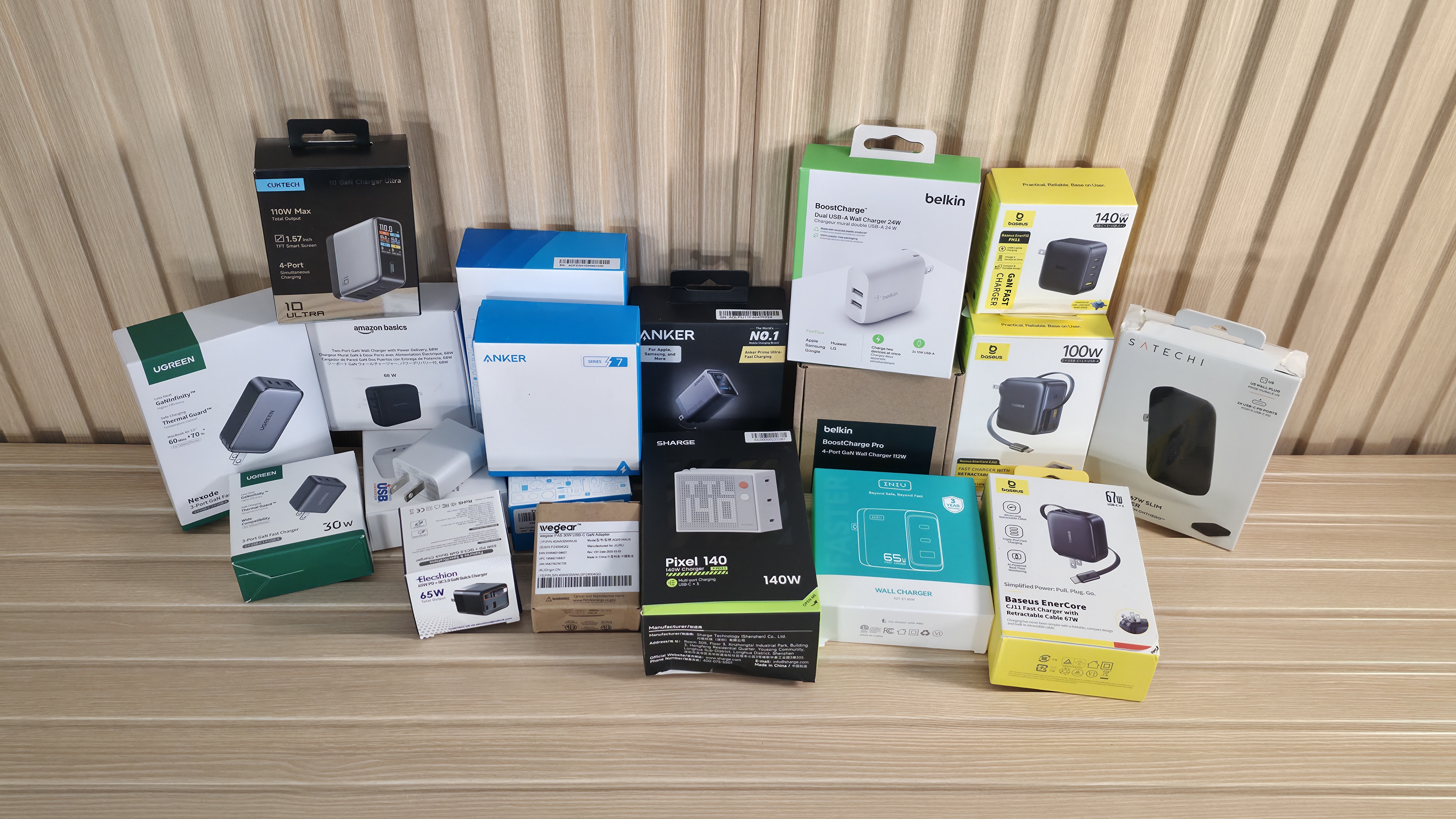
To accurately assess this complex and rapidly evolving market, Tom’s Hardware embarked on a meticulous testing regimen. Their methodology went significantly beyond simple plug-and-play observations. Over dozens of hours, 20 different charger models were subjected to a battery of tests designed to simulate real-world usage and push the devices to their limits.
- Sustained Output: Chargers were continuously loaded to their maximum advertised wattage to determine if they could maintain this output over time, or if thermal throttling would lead to significant drops.
- Thermal Performance: Infrared cameras and thermocouples monitored external and internal temperatures during sustained loads, identifying how effectively each charger dissipated heat. This is crucial for both safety and component longevity.
- Efficiency: The amount of power drawn from the wall versus the power delivered to the device was measured to calculate efficiency ratings, highlighting energy conservation.
- Idle Power Draw: Chargers were monitored when plugged in but not actively charging a device, revealing "vampire drain" and its potential impact on electricity bills.
- Dollar-per-Watt: A pragmatic metric calculated to help consumers understand the cost-effectiveness of each charger relative to its power output.
This comprehensive approach provides a robust foundation for the recommendations, moving beyond marketing hype to provide data-driven insights.
Supporting Data: Decoding Charger Technology and Performance
The detailed testing provided tangible evidence of how various technologies and design choices impact real-world performance.
The GaN Advantage: Smaller, Cooler, Faster
The "spoiler: yes!" regarding GaN’s worth is validated by the data. GaN (Gallium Nitride) is a semiconductor material that offers distinct advantages over traditional silicon in power applications. GaN transistors can operate at much higher frequencies and temperatures, with lower resistance, leading to significantly smaller and more efficient power components. This means a 100W GaN charger can be dramatically smaller than a silicon-based counterpart, generate less waste heat, and thus be more compact and portable. While GaN chargers may carry a slightly higher price tag, their superior thermal management and reduced footprint often justify the cost, especially for travelers or those seeking to reduce clutter.
Charging Protocols: The Language of Power Delivery
Modern fast charging relies heavily on sophisticated communication protocols between the charger and the device.
- USB Power Delivery (USB-PD): This is the foundational standard for high-wattage charging over USB-C. It allows devices and chargers to negotiate voltage and current, enabling flexible power profiles (e.g., 5V, 9V, 15V, 20V) and much higher wattages (up to 240W in the latest USB-PD 3.1 specification).
- Programmable Power Supply (PPS): An extension of USB-PD 3.0, PPS allows for granular, step-less adjustment of voltage and current in real-time. This dynamic negotiation minimizes energy conversion losses, reduces heat generation in the device, and allows for even faster and safer charging, especially for smartphones.
- Qualcomm Quick Charge (QC): A proprietary standard, primarily for Android devices using Qualcomm chipsets. While USB-PD is becoming dominant, many devices still support QC for backward compatibility and rapid charging.
- AFC, FCP, UFCS, SCP: These are other proprietary fast-charging protocols developed by manufacturers like Samsung (AFC), Huawei (FCP, SCP), and a consortium in China (UFCS). A good multi-port charger will often support several of these to ensure broad compatibility.
The presence of these protocols ensures that a charger can "speak" the correct language to your device, delivering power optimally and safely.
The Battle Against Heat: Physics and Engineering
"Chargers still can’t escape physics," as the article notes, particularly when dealing with 100W-plus output from a device "roughly the size of a deck of cards." Converting AC power from the wall to DC power for your devices inherently generates heat. At lower wattages (e.g., 15-30W), this heat is easily managed. However, as wattage increases, the challenge escalates exponentially.
- Thermal Throttling: A common safety mechanism where a charger reduces its power output to prevent overheating. While essential for safety, it directly impacts sustained charging speed. Tom’s Hardware’s testing revealed significant variations in how well chargers managed this, with some maintaining a higher percentage of their peak output after throttling.
- Cooling Technology: Features like Baseus’s "AI-powered" BCT (Baseus Cooling Technology) are internal chips that actively monitor and manage temperatures, preventing excessive heat buildup and ensuring consistent performance. The Baseus Enercore, for example, achieved the lowest recorded temperature (just under 55 degrees Celsius) among the tested models, a testament to effective thermal design.
Exemplary Performance: Case Studies from the Tests
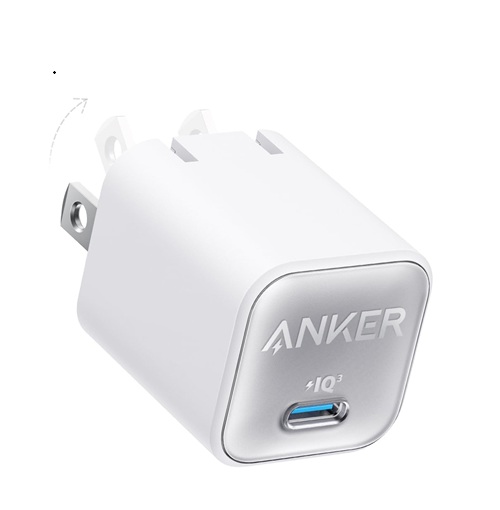
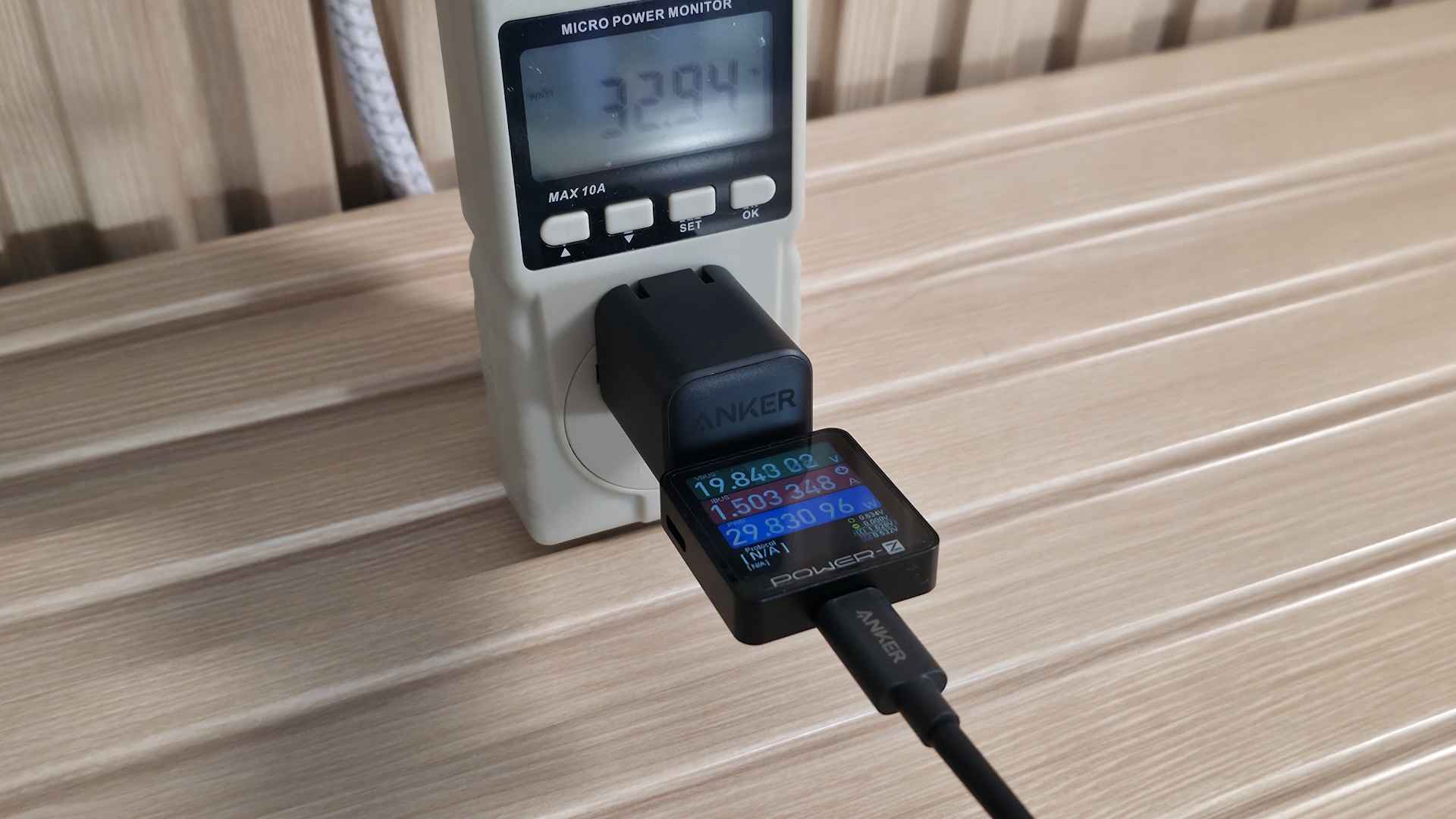
1. Anker Series 5 (Nano 3, 30W – A2147): The Reliable Low-Power Workhorse
- Output: 30W (1x Type-C)
- Protocols: PD 3.0, QC, PowerIQ 3.0
- Safety: ActiveShield 2.0/MultiProtect
- Performance: Consistently delivered its nameplate wattage. While peaking at just under 65 degrees Celsius, this was within acceptable limits for its output. Solid efficiency and negligible idle power draw.
- Value: At $15.99 (or $12.99), it represents excellent value for single-device charging for smartphones, smartwatches, and smaller tablets, thanks to its compact size and comprehensive safety features.
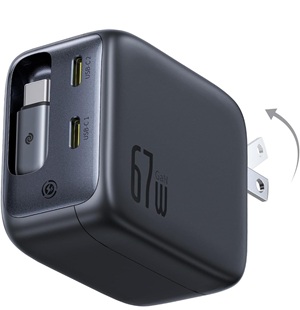
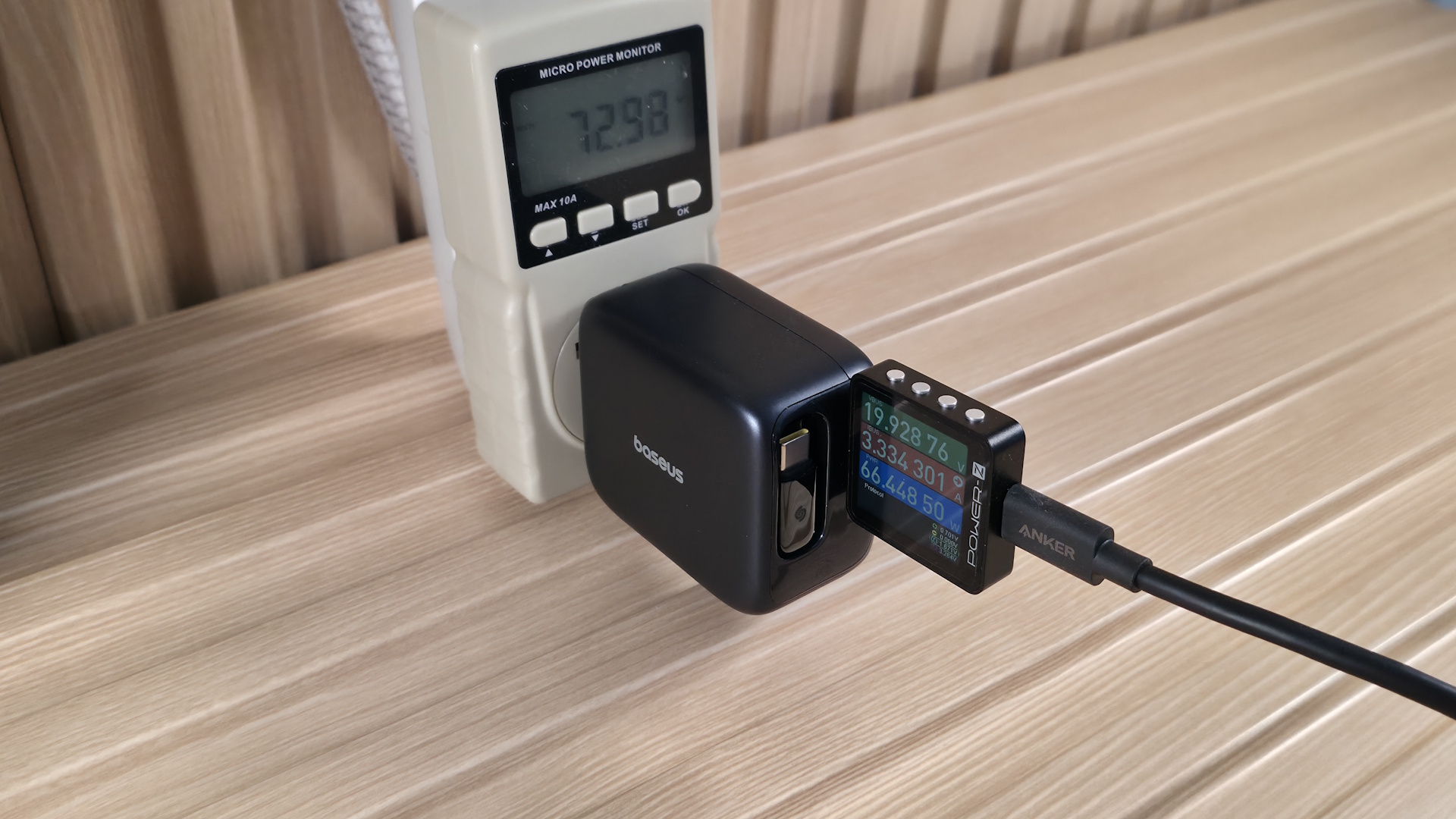
2. Baseus Enercore (67W – CJ11): The Mid-Range Multi-Tasker with a Twist
- Output: 67W (1x Retractable Type-C, 2x Type-C)
- Protocols: USB PD 3.0, PPS, QC 3.0, AFC, FCP
- Safety: BCT (Baseus Cooling Technology), OCP, OVP, Short circuit, Overcharge
- Performance: Maintained full wattage throughout testing and recorded the lowest temperatures (under 55 degrees Celsius) among its peers. Its efficiency was also among the best.
- Value: Priced at $29.99 (on sale from $39.99), its standout feature is the integrated, retractable Type-C cable, making it exceptionally convenient for travel and multi-device charging (laptops, tablets, phones) without needing extra cables.
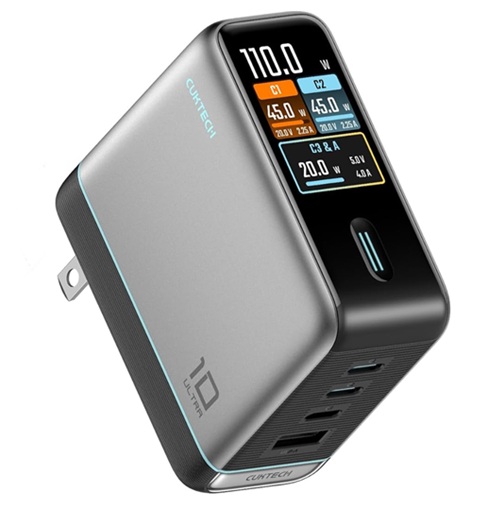
3. Cuktech 10 Ultra (110W): The High-Output Command Center
- Output: 110W (1x Type-A, 3x Type-C)
- Protocols: USB PD 3.1, PPS, QC 4.0+, UFCS, FCP, SCP
- Safety: OCP, OVP, OTP, Overcharging/Overloading, Short circuit
- Performance: Demonstrated strong sustained output, retaining nearly 90% of its peak wattage even after thermal throttling (a common occurrence for high-density chargers). Its peak temperature of 63.4 degrees Celsius was impressive for its output, running cooler than some lower-wattage models.
- Value: At $59.99, it offers substantial value for users needing to charge multiple high-power devices concurrently, such as gaming laptops, MacBook Pros, and several smaller devices. The informative color display showing per-port data is a useful diagnostic tool.
Official Responses: Industry Standards and Brand Commitments
While the article doesn’t feature direct quotes from company spokespeople, the products themselves, and the underlying technologies they employ, represent the industry’s "official response" to consumer demands and safety regulations.
- USB-IF Certification: The USB Implementers Forum (USB-IF) is crucial in establishing and maintaining standards for USB technology. Chargers and cables that carry USB-IF certification (like the Ugreen cable mentioned) adhere to strict specifications, ensuring interoperability, safety, and performance. This certification is the industry’s collective "official response" to the need for reliable and safe charging ecosystems.
- Brand Commitment to Safety and Innovation: Companies like Anker, Baseus, and Cuktech integrate proprietary safety features (e.g., Anker’s MultiProtect, Baseus’s BCT) and support a wide array of charging protocols. This demonstrates a commitment to not only delivering raw power but also to ensuring the safety and compatibility of their products across a diverse range of devices. The adoption of GaN technology by these leading brands is a clear indication of their embrace of cutting-edge materials for enhanced performance.
- Meeting Market Demands: The shift towards multi-port chargers and higher wattages reflects the industry’s response to the proliferation of portable electronics. Consumers now travel with laptops, tablets, phones, smartwatches, and earbuds, all requiring power. A single, powerful, multi-port charger is a direct answer to this evolving need, aiming to simplify travel and reduce the number of individual adapters required.
Implications: Empowering Consumers and Shaping the Future of Charging
The findings from Tom’s Hardware’s extensive testing have several significant implications for consumers and the broader electronics market.
Empowering Consumer Choice
The detailed analysis provides consumers with the knowledge to make informed decisions beyond simply looking at a wattage number. Understanding the importance of sustained output, thermal performance, and specific charging protocols allows buyers to select a charger that truly meets their needs, rather than falling prey to misleading marketing. For example, a user with a gaming laptop understands that a 100W+ charger needs to maintain that power, not just peak there momentarily. Someone with multiple devices will prioritize port count and intelligent power distribution.
Driving Market Trends
The emphasis on GaN technology, multi-port configurations, and advanced safety features by recommended brands will likely continue to shape the market. As GaN becomes more cost-effective, its adoption will likely accelerate, leading to even smaller and more efficient chargers across all wattage ranges. The demand for "smart" chargers with informative displays (like the Cuktech 10 Ultra) that provide real-time charging data will also grow, as users seek greater control and insight into their power delivery.
The Future of Universal Charging
The continued dominance and evolution of USB-PD and PPS suggest a future where a single, high-wattage USB-C charger could genuinely power almost all personal electronic devices. This reduces electronic waste, simplifies travel, and minimizes cable clutter. However, the importance of cable quality cannot be overstated. As wattage increases, the cable itself becomes a critical component, requiring proper certification (e.g., USB-IF for 240W) to ensure safe and efficient power transfer. The affordability of high-wattage certified cables (as low as $9.99 for a 240W Ugreen cable) removes a significant barrier to entry for consumers seeking to leverage the full potential of their powerful chargers.
Environmental and Economic Impact
Investing in a versatile, high-quality charger can have positive environmental implications. By replacing multiple single-purpose chargers, consumers contribute to reducing electronic waste. Furthermore, highly efficient chargers with low idle power draw reduce overall energy consumption, offering minor but cumulative economic benefits over time. While a premium charger might seem like an upfront expense, its durability, versatility, and efficiency can translate into long-term savings and convenience.
In conclusion, the days of passively accepting a bundled charger are over. The modern USB charging landscape demands an educated consumer. By understanding the nuances of wattage, port types, emerging technologies like GaN, and the critical importance of sustained performance and thermal management, individuals can confidently select chargers that are not only fast and efficient but also safe, durable, and truly capable of powering their digital lives into the future. The comprehensive testing performed by outlets like Tom’s Hardware serves as an invaluable guide in this increasingly complex yet essential technological domain.

