

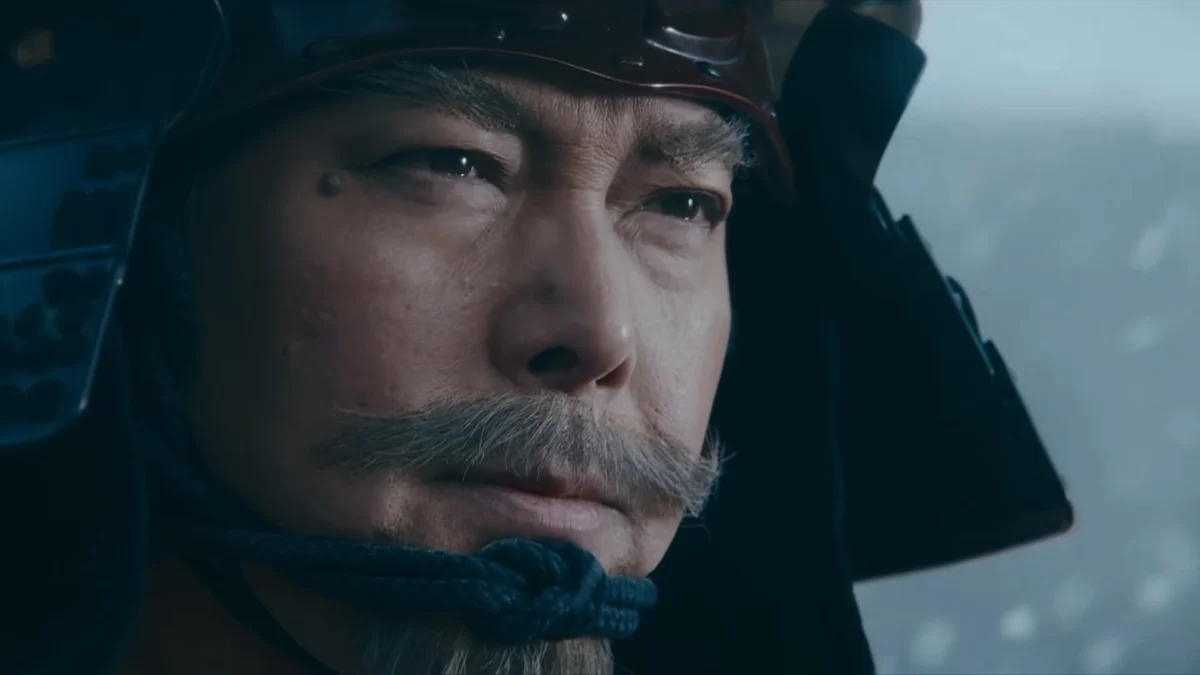
Introduction: A Celebrated Strategy Legacy Marred by a Botched Release
When Creative Assembly announced the launch of Total War: Shogun 2 – Complete Edition, strategy gaming enthusiasts anticipated a triumphant return to one of the most beloved entries in the critically acclaimed franchise. Released originally in 2011, Shogun 2 is widely celebrated by critics and fans alike as a pinnacle of tactical depth, historical atmosphere, and masterclass real-time strategy (RTS) design.
Instead of a triumphant modern revitalization, however, the newly released Complete Edition has plunged headfirst into a massive public relations and technical crisis. Within hours of going live on Steam, the remaster was met with an avalanche of backlash. Currently drowning in an "Overwhelmingly Negative" user review status, the game sits at a dismal 19% positive rating out of hundreds of reviews.
Rather than earning praise for modernizing a classic, the developers and publishers are facing severe accusations of corporate greed, rushed development practices, the questionable implementation of generative AI art tools, degraded technical performance, and anti-consumer practices—chiefly, the abrupt delisting of the original, superior version of the game from digital storefronts.
Main Facts: What Went Wrong with the Complete Edition?
The core grievances driving the community revolt against Total War: Shogun 2 – Complete Edition span multiple facets of the release, touching upon aesthetic degradation, technical instability, and aggressive monetization strategies.
1. Questionable Generative AI Art and Upscaling
One of the most inflammatory aspects of the Complete Edition is its visual assets. Players quickly discovered that the remaster relies heavily on automated upscaling tools—and, in several instances, outright generative AI art—to overhaul the game’s UI and unit cards.
The results have been widely mocked and criticized across social media platforms like Reddit and X (formerly Twitter). In one glaring example highlighted by the community, an iconic unit card featuring a mustached samurai warrior on horseback was warped by AI upscaling to the point where the warrior’s nose and facial features blurred into a shape resembling a Star Wars Stormtrooper helmet. Other comparisons reveal distorted armor, unnatural lighting, and definitive "tells" of generative AI, such as a soldier depicted with six distinct fingers on a single hand.
Fans have pointed out that these low-effort, machine-generated artifacts completely undermine the meticulous hand-crafted aesthetic of the 2011 original, replacing historical texture and character with uncanny, grotesque digital noise.
2. Abysmal Technical Performance
Remasters are generally expected to optimize older software to run smoothly on modern hardware configurations. Paradoxically, Shogun 2 – Complete Edition performs substantially worse than its 13-year-old predecessor.
Players across various hardware tiers have reported severe performance bottlenecks, particularly concerning campaign map frame rates, stuttering, and unexpected crashes. In many instances, community members note that the remaster runs significantly worse than modern, highly complex iterations of the Total War franchise—games that feature vastly superior graphical fidelity and significantly larger scale. Furthermore, the release has failed to address numerous long-standing bugs that plagued the original game, while simultaneously introducing a fresh wave of platform-specific glitches.
3. Pricing and the Delisting Controversy
Compounding the technical and artistic failures is the economic model chosen for the release. Creative Assembly is charging an extra $10 for players to jump into the Complete Edition. For a game over a decade old, paying a premium for a version that is visibly and technically inferior to the original feels, to many fans, like blatant exploitation.
Adding severe insult to injury, the developers pulled the original, non-remastered version of Total War: Shogun 2 from the Steam store entirely. While legacy owners who already purchased the original game retain access to their libraries, new players are now entirely locked out of purchasing the original edition. They are forced to buy a compromised, broken product if they wish to experience one of the genre’s foundational masterpieces.
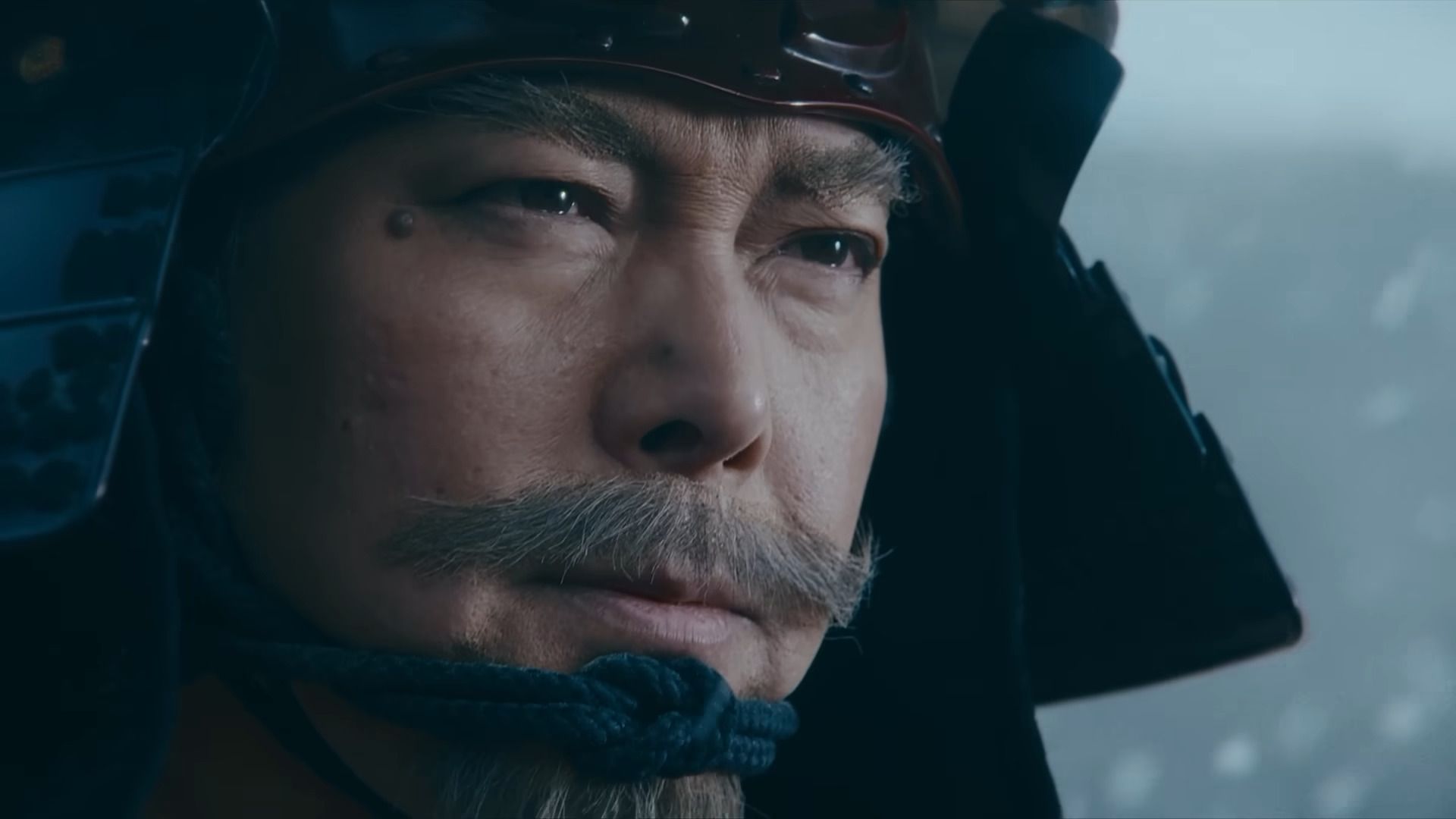
Chronology of Events: From Announcement to Community Uprising
To understand how a beloved franchise entry spiraled into controversy so rapidly, it is necessary to examine the timeline of events leading up to and immediately following the launch of Total War: Shogun 2 – Complete Edition.
- Pre-Launch Expectations: For years, Shogun 2 maintained a fiercely loyal player base. While other titles in the Total War series experienced divisive launches or controversial DLC pricing models (such as the backlash surrounding Total War: Pharaoh and Total War: Warhammer III expansions), Shogun 2 remained a golden standard of stability and design.
- The Announcement: Creative Assembly revealed the Complete Edition with promises of a modern remaster designed to bring the Sengoku Jidai era up to contemporary standards, bundling all historical expansions and updates into a single package.
- Launch Day Reality: Upon its release on Steam, players immediately downloaded the title, expecting polished UI elements and improved performance. Within hours, the community noticed glaring visual anomalies in the unit cards and interface icons.
- The Discovery of Generative AI: Tech-savvy users and digital artists began dissecting the game files and comparing UI assets side-by-side with the 2011 release. The discovery of botched upscaling, architectural deformations, and explicit AI artifacts (such as extra digits on hands) quickly went viral on the r/totalwar subreddit.
- The Review Bombing Campaign: Frustrated by the combination of paid upgrades, performance degradation, and the silent removal of the original game from Steam, players initiated a coordinated review bombing campaign. Within hours, the game’s score plummeted to "Overwhelmingly Negative," with positive reviews hovering below 20%.
- Community Megathreads and Documentation: Fans established dedicated bug-tracking megathreads and video comparisons, compiling undeniable evidence of the remaster’s shortcomings to alert prospective buyers and pressure the studio into issuing a formal response.
Supporting Data: By the Numbers
The quantitative metrics surrounding the launch of Total War: Shogun 2 – Complete Edition highlight the unprecedented scale of consumer dissatisfaction:
- Steam Review Score: Overwhelmingly Negative, with only 19% positive reviews out of an initial pool of nearly 700 user submissions within the first 24 hours.
- Price Discrepancy: A $10 surcharge added on top of historical pricing expectations for a title originally released in 2011.
- Asset Degradation Count: Dozens of unit cards and UI elements flagged by the community for blatant AI artifacts, including anatomical errors (e.g., six-fingered hands) and structural distortions.
- Accessibility Loss: 100% removal of the original, stable version of Shogun 2 from new purchasers’ storefront options, restricting consumer choice entirely.
Official Responses and Industry Context
As of the time of writing, Creative Assembly and publisher SEGA have yet to issue a comprehensive formal statement addressing the specific accusations of generative AI art or the severe performance regressions. However, the silent delisting of the original game and the defensive posture often adopted by major publishers in the wake of low-cost remaster controversies point to an increasingly tense relationship between developers and their core consumer base.
Industry analysts note that this incident is part of a broader, troubling trend within the video game industry. In recent years, publishers looking to cut operational costs and maximize profit margins have increasingly turned to automated upscaling algorithms, generative AI tools, and minimal-effort remaster pipelines. The goal is frequently to monetize nostalgic intellectual properties with minimal investment in human labor, art direction, or technical optimization.
Unfortunately for publishers attempting these shortcuts, modern gaming communities possess advanced data-mining capabilities, sharp visual literacy, and coordinated communication platforms that allow them to spot and expose substandard asset creation almost instantaneously.
Implications: What This Means for Creative Assembly and the Franchise
The disastrous launch of Total War: Shogun 2 – Complete Edition carries profound implications for both Creative Assembly and the future management of the Total War catalog.
1. Erosion of Consumer Trust
Trust is the most valuable currency in the games industry, particularly for historical strategy games that rely on dedicated, long-term hobbyist communities. Creative Assembly has spent over two decades building a stellar reputation through titles like Rome, Medieval II, and the original Shogun 2. By releasing a sub-par, AI-assisted remaster while simultaneously locking away the pristine original version, the studio risks alienating its most dedicated advocates.
2. The Growing Backlash Against Generative AI in Gaming
The gaming community has shown an increasingly zero-tolerance stance toward the uncredited or low-quality use of generative AI in commercial titles. While tools like machine learning can theoretically assist developers with technical optimizations, using automated generators to replace human artistry—especially on beloved historical icons and interface assets—is viewed as an insult to the players who pay for the software. The Shogun 2 fiasco serves as a cautionary tale for other major studios considering cost-cutting measures in art and design pipelines.
3. Urgent Need for Remediation
Moving forward, Creative Assembly faces a stark choice. To salvage the reputation of the Complete Edition, the studio will likely be forced to undertake a massive, manual overhaul of the disputed art assets, rewrite optimization patches to address the campaign map lag, and—most importantly—restore the original 2011 version of Total War: Shogun 2 to the Steam storefront to grant consumers back their purchasing freedom.
Until such corrective measures are implemented, Total War: Shogun 2 – Complete Edition will stand as a glaring reminder of how corporate overreach and a reliance on automated shortcuts can tarnish even the most golden legacies in video game history.

