

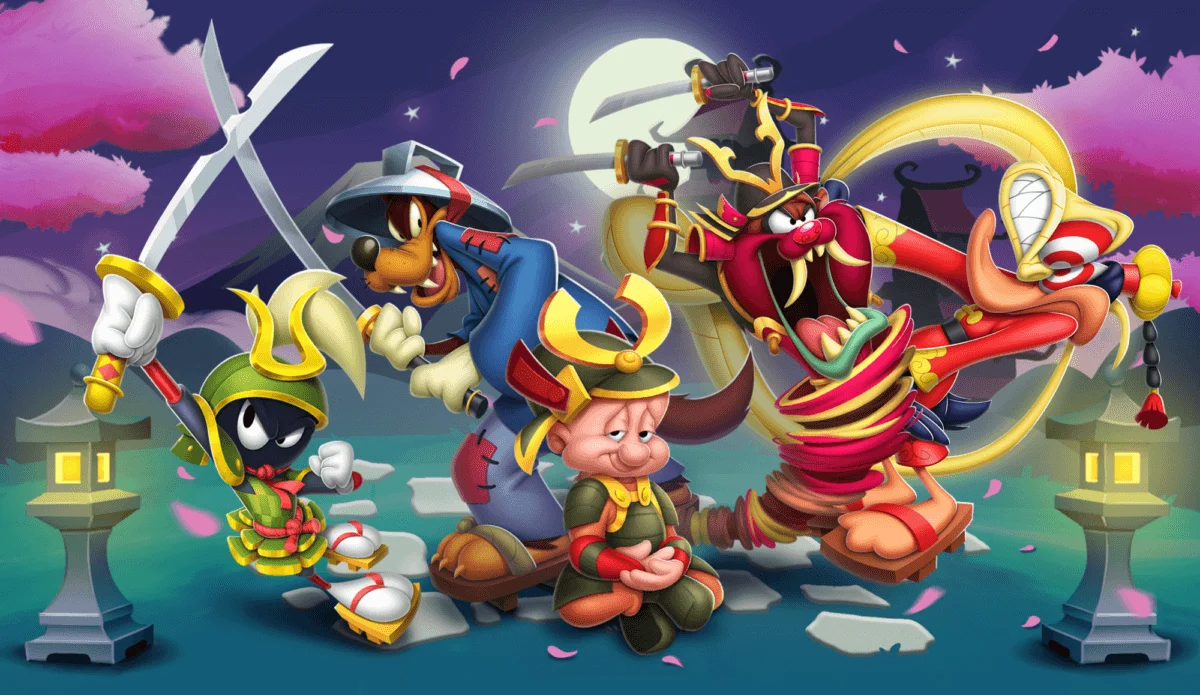
The landscape of mobile gaming is shifting once again as Scopely announces the closure of one of its most recognizable titles. Looney Tunes: World of Mayhem, the vibrant, free-to-play strategy RPG that brought the iconic antics of Bugs Bunny, Daffy Duck, and the rest of the ACME-adjacent crew to mobile devices, is officially scheduled to go offline. This decision marks the end of an eight-year run for a game that defined a specific era of licensed mobile intellectual property integration.
As the industry continues to pivot toward live-service longevity, the sunsetting of World of Mayhem serves as a sobering reminder of the finite nature of digital-only gaming experiences.
Main Facts: A Sunset Timeline
The decommissioning of Looney Tunes: World of Mayhem will occur in stages, allowing the existing player base a final window to enjoy the game’s remaining content. According to the official announcement published by Scopely and Aquiris Game Studio, the wind-down process is as follows:
- August 16, 2026: Official social media channels will be deactivated, and the window for in-game purchases will close.
- August 23, 2026: The application will be pulled from all mobile storefronts, including the Apple App Store and Google Play Store.
- October 15, 2026: Servers will officially shut down, rendering the game inaccessible.
Until the final shutdown date in October, the development team has promised a series of giveaways and the distribution of free items to ensure that the remaining “Toonsters”—the term used for the game’s dedicated player community—can enjoy the title’s mechanics to their fullest extent before the lights go out. Support services will remain operational for users until the final day of service.
Chronology: From Launch to Legacy
Launched in 2018, Looney Tunes: World of Mayhem was a collaboration between the Brazil-based Aquiris Game Studio and the mobile publishing powerhouse Scopely. At its peak, the game was praised for its faithful art style, which mirrored the high-quality animation of the classic Looney Tunes shorts, and its accessible, turn-based combat system.
Throughout its lifecycle, the game received numerous updates that introduced hundreds of variations of classic characters, ranging from “Space Explorer Daffy” to “Gridiron Gossamer.” It fostered a competitive ecosystem through its “Alliance” system, which allowed players to coordinate attacks, participate in regional wars, and engage in social play that built a surprisingly tight-knit community.
By 2026, the game had survived the tumultuous shifts in mobile gaming trends, including the rise of hyper-casual titles and the consolidation of the mobile RPG market. However, the decision to sunset the title follows a trend of “legacy” mobile games being phased out as publishers reallocate resources toward newer, more profitable ventures.
Supporting Data: The Volatility of Mobile Live Services
The announcement of the World of Mayhem closure arrives amid a broader industry trend of major mobile titles reaching their expiration dates. Just one week prior to this announcement, Nintendo confirmed that Mario Kart Tour would cease operations in September 2026.
The industry is currently facing a "great contraction" of legacy mobile titles. Several factors contribute to these shutdowns:
- Maintenance Costs vs. Revenue: As a game ages, the cost of maintaining server infrastructure, providing security patches, and creating new content often outweighs the declining revenue from a shrinking player base.
- User Acquisition Challenges: With the cost of acquiring new players rising significantly due to changes in privacy laws (such as Apple’s App Tracking Transparency), maintaining older games is often less efficient than launching new titles that can leverage modern marketing funnels.
- Licensing Constraints: Games tied to massive intellectual properties (IP) like Looney Tunes often require complex, multi-year licensing renewals. If the financial projections for the game do not meet the threshold required by the IP holders (in this case, Warner Bros. Discovery), the publisher is often forced to terminate the service.
Unlike Animal Crossing: Pocket Camp, which Nintendo is transitioning into a paid, offline-capable application, Looney Tunes: World of Mayhem will leave behind no offline iteration. Once the servers are disconnected in October 2026, the digital world built by the developers and the players will cease to exist, effectively becoming "lost media."
Official Responses: A Difficult Goodbye
In a heartfelt blog post addressed to the community, the developers expressed the difficulty of the decision. They acknowledged that the game was more than just code and textures; it was a social hub.
"This isn’t an easy goodbye," the post read. "For years, this community has built alliances that turned into real friendships, fought through wars together, and enjoyed plenty of laughs along the way. We’ve watched Toonsters grow from strangers into teammates, and from teammates into true friends. We don’t take that lightly, and it’s with real sadness that we say goodbye to this wonderful community."
The tone of the message underscores a shift in how developers handle the end of a product’s life. Rather than a cold, corporate announcement, the team emphasized the human element of the game—the social bonds formed in the game’s alliance chat rooms and the shared excitement of unlocking rare characters.
Implications: The Fragility of Digital Ownership
The shuttering of World of Mayhem highlights a growing concern among the gaming public regarding the preservation of digital history. Unlike physical media, which can be stored and replayed decades later, live-service games are entirely dependent on the publisher’s infrastructure.
The "Disposable" Nature of Mobile Gaming
When a game like World of Mayhem disappears, it takes with it years of user-generated social history and specialized digital content that cannot be replicated. For many, this is a significant loss of personal time and, in some cases, financial investment. While the developers are providing free items as a final "farewell tour," it does not solve the long-term issue of digital preservation.
The Shift in Strategy for Publishers
For companies like Scopely, the lesson is clear: the focus is shifting toward "evergreen" titles that can sustain large audiences for a decade or more. Games that have reached a plateau in growth, even if they maintain a healthy, dedicated base, are often viewed as candidates for retirement to clear the technical and creative debt that accumulates over time.
What’s Next for the Players?
As October 2026 approaches, the community is expected to focus on documenting their experiences. Many players have already begun organizing final group events and screenshots archives to preserve their favorite memories from the game.
The closure of Looney Tunes: World of Mayhem is a definitive end, but it also reflects the reality of the current gaming market. As the industry continues to evolve, the challenge for both developers and players will be to find ways to celebrate the lifespan of these digital worlds before they are inevitably retired.
Conclusion
The sunsetting of Looney Tunes: World of Mayhem is more than just a news item; it is a chapter closing in the history of mobile gaming. For eight years, the game served as a playground for millions, bridging the gap between nostalgic animation and modern tactical gaming. As players prepare for the final shutdown in October 2026, they are doing so with a mix of resignation and appreciation for the connections they made.
While the servers may go dark, the impact on the community and the lessons learned by the developers at Scopely and Aquiris will likely influence the next generation of mobile experiences. For now, the Toonsters have a few months left to enjoy the mayhem—a final act for a game that, in its own way, brought a little more laughter to the world.

