

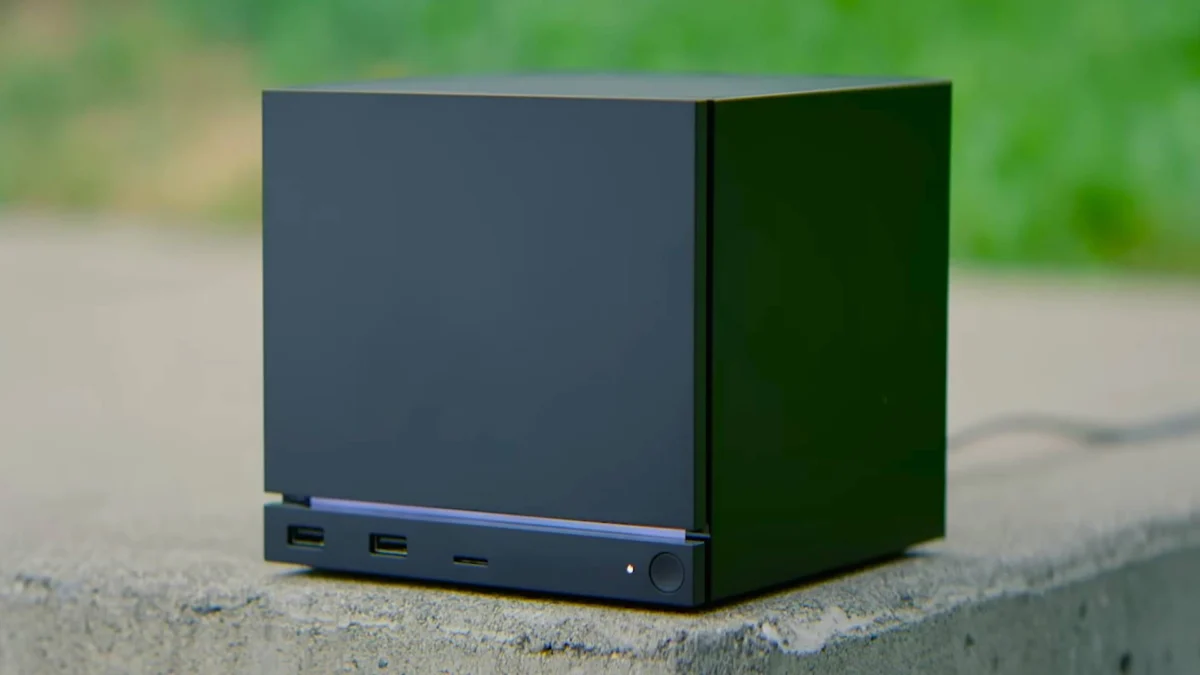
The landscape of consumer electronics is undergoing a seismic shift, and for PC gamers, the forecast is increasingly bleak. As the Steam Machine enters the market with a starting price of $1,049 for a entry-level 512GB unit—excluding the cost of a controller—the barrier to entry for high-performance gaming has become a formidable wall. This eye-watering price point, which many analysts initially hoped would be a temporary peak, now appears to be the new, uncomfortable reality.
Industry leaders, including Valve, are bracing for a prolonged period of hardware volatility. The primary culprit? A global memory chip and storage shortage driven by an insatiable appetite from AI data centers. As these massive computing hubs consume the lion’s share of available supply, consumer electronics manufacturers are finding themselves at the back of the line, forced to pay premium prices for increasingly scarce components.
The Anatomy of "RAMageddon": A Chronology of Supply Chain Disruption
To understand how we arrived at this juncture, one must look at the steady erosion of the semiconductor supply chain over the past three years. What began as a localized supply issue in the wake of post-pandemic recovery has spiraled into what industry insiders have colloquially dubbed "RAMageddon."
- Late 2024: Early indicators of a storage supply crunch began to surface. While manufacturers initially attributed this to a standard cyclical downturn, reports of hoarding and supply chain bottlenecks began to emerge as companies anticipated the rapid rise of generative AI infrastructure.
- Early 2025: The first major spikes in DRAM and NAND flash pricing occurred. As AI companies began securing long-term, high-volume contracts for the latest memory modules, consumer PC manufacturers found their procurement costs rising by 15% to 20% quarterly.
- Mid-2026: The crisis hit the retail sector. Major console manufacturers, including Microsoft and Sony, began signaling to investors that profit margins were being severely squeezed. Microsoft’s leadership, specifically CEO Asha Sharma, publicly acknowledged that memory costs were projected to double again by late 2027, effectively ending the era of subsidized hardware pricing.
- Present Day: We have entered the "New Normal." Companies like Lenovo have gone on record stating that the days of cheap, accessible RAM are effectively over, as the demand from data centers creates a permanent baseline of high costs that retailers can no longer absorb.
The AI Hunger: Why Data Centers are Consuming Your Gaming Budget
The core of the current hardware crisis lies in the rapid proliferation of artificial intelligence. Modern AI models require massive, high-speed memory architectures to function, and the global infrastructure race to build the next generation of data centers is prioritizing these chips above all else.
This is a structural shift in the global economy. As Valve engineer Yazan Aldehayyat noted in a recent, candid interview with Bloomberg, the situation on the ground is not merely stagnating; it is actively worsening.
"Honestly, it’s still getting worse," Aldehayyat stated. "Just in case people are not aware. What people are seeing on retail shelves right now, from our observations, is lagging what we’re seeing from a bulk supply by at least three to six months."
This "lag" indicates a terrifying reality: the prices consumers are currently grumbling about are based on supply costs negotiated months ago. The current, higher-priced bulk supply has not yet fully hit the consumer market, suggesting that the $1,049 price tag on the base-model Steam Machine may actually be a conservative estimate of future costs.
Official Perspectives: The View from Valve
Valve’s position on the current hardware landscape is one of pragmatic, if somewhat grim, resignation. The company has spent over a decade refining its vision for the Steam Machine, aiming to bring the flexibility of open-source PC gaming into the living room. However, the current hardware environment has forced the team to rethink the viability of high-volume manufacturing.
Pierre-Loup Griffais, another key engineer at Valve, highlighted that the issue is not just cost—it is a physical lack of components. "We’re basically building everything we can. We’re limited by memory capacity, for sure," Griffais explained. This admission sheds light on the supply constraints facing the industry; it isn’t just a matter of price, but of pure availability. Even if Valve were willing to pay double or triple the current market rate, the chips simply do not exist in the necessary quantities to satisfy the global demand.
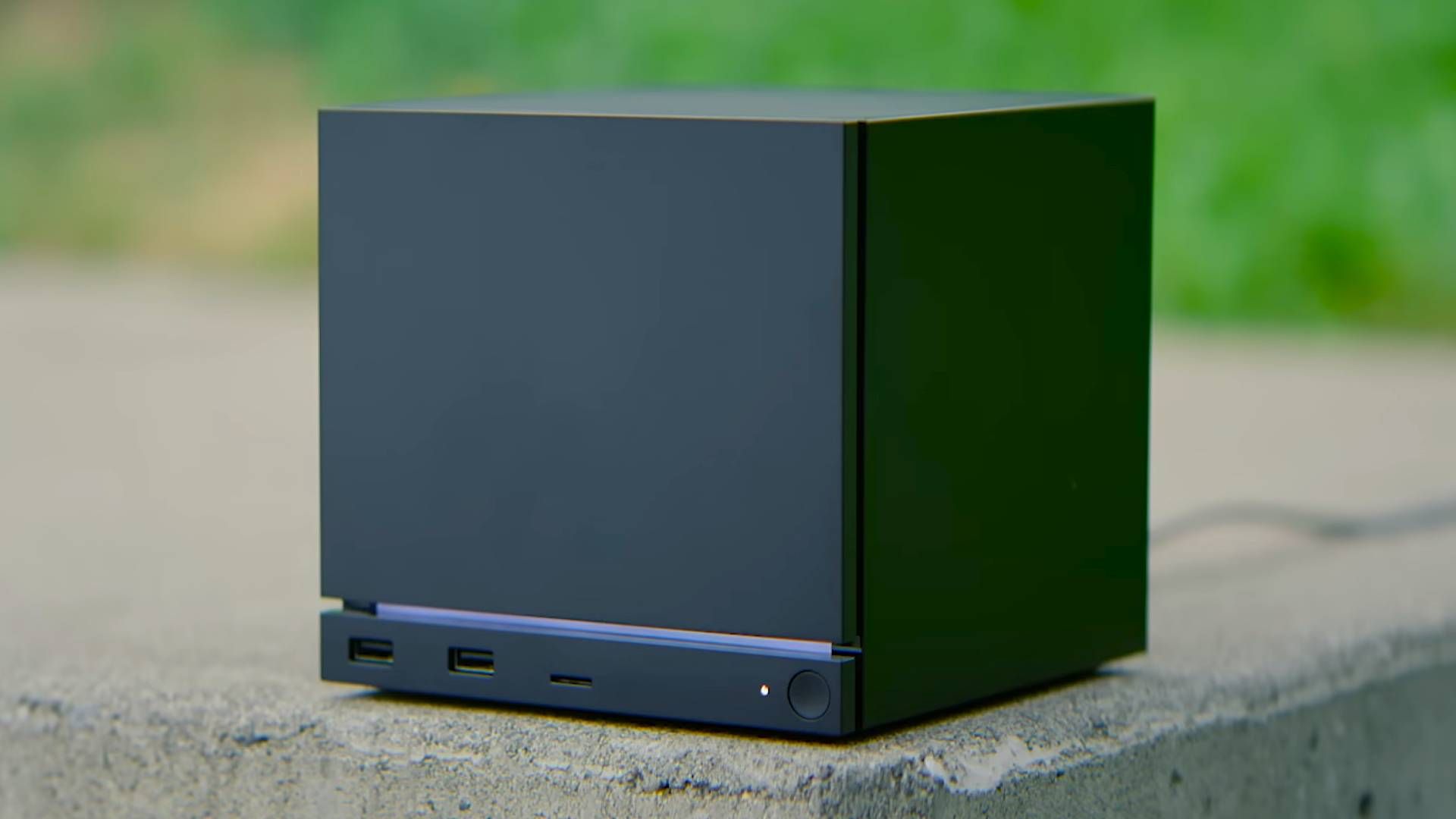
Despite this, Valve remains committed to the project. The company has clarified that the Steam Machine is not intended to be a profit-generating juggernaut in the vein of traditional consoles. Instead, it serves as a gateway to the Steam ecosystem and a proponent of open-source gaming. By keeping the hardware alive, Valve ensures that the Linux-based gaming market remains competitive and accessible, regardless of the temporary (or perhaps long-term) volatility of the hardware market.
The Long-Term Implications for PC Gaming
The ripple effects of this memory crisis will be felt far beyond the Steam Machine. The entire gaming industry is moving toward a model where "hardware as a service" or higher-margin premium tiers become the standard.
1. The Death of the "Budget" Gaming Rig
With RAM and storage costs holding steady at record highs, the entry-level gaming PC is effectively disappearing. Gamers who once could build a competent machine for $600-$800 are now finding that the same performance requires an investment of $1,200 or more. This will likely push casual gamers toward cloud gaming solutions, further consolidating the industry into a handful of major service providers.
2. Standardization of Hardware
To combat rising costs, manufacturers are increasingly moving toward soldered, non-upgradable components. By limiting the user’s ability to upgrade RAM or storage after purchase, companies can better predict their supply needs and optimize their inventory. While this helps keep initial retail prices from skyrocketing even further, it limits the longevity of the devices, essentially forcing consumers into a shorter replacement cycle.
3. Software Optimization as a Necessity
As hardware becomes more expensive, the burden falls on developers to optimize their software. We may see a shift in the industry where high-end graphical fidelity takes a backseat to efficiency. Developers who can create beautiful, performant games that don’t require massive amounts of VRAM or system memory will likely find themselves in a position of power.
Conclusion: Navigating the New Frontier
The current hardware climate is a harsh wake-up call for the gaming industry. For over a decade, consumers grew accustomed to the rapid decline in component costs—a byproduct of Moore’s Law and a stable, competitive supply chain. That era has, for the moment, come to an end.
As the industry pivots to accommodate the massive demand from AI, the average gamer must adapt. Whether this leads to a resurgence in retro gaming, a pivot to cloud-based services, or simply a shift in consumer expectations regarding hardware lifespan, one thing is certain: the "New Normal" is here to stay.
Valve’s persistence with the Steam Machine, despite these immense hurdles, serves as a testament to the company’s long-term vision. They are not merely selling a piece of hardware; they are securing a place for open-source, flexible gaming in a world where the hardware itself is becoming increasingly guarded, expensive, and scarce. For now, the best advice for those looking to upgrade is to manage expectations, keep a close eye on supply reports, and prepare for a market that is no longer dictated by the gamer, but by the needs of the silicon giants.

