

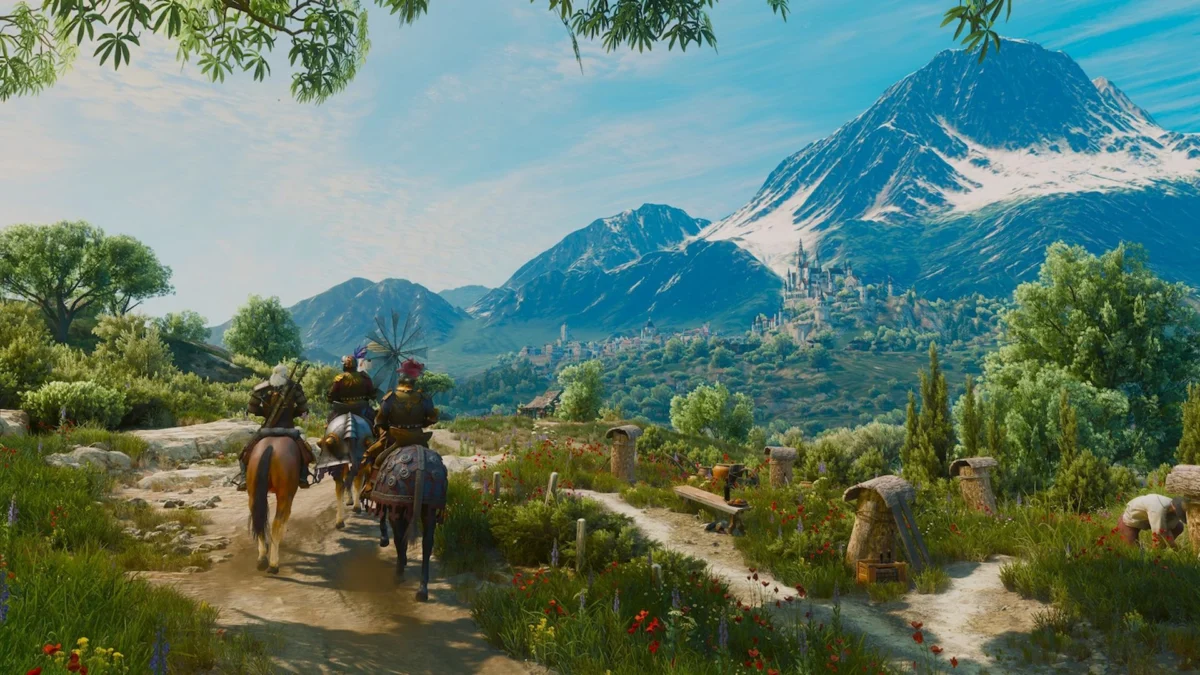
The release of The Witcher 3: Wild Hunt Remastered (2026) serves as a poignant reminder that some video games are not merely software, but cultural touchstones. While the original 2015 release set an industry benchmark for open-world design, narrative depth, and player agency, it was not without its technical idiosyncrasies. CD Projekt Red’s latest effort to refine this magnum opus does not seek to reinvent the wheel, but rather to polish the spokes. The result is a more cohesive, immersive, and fluid experience that proves why The Witcher 3 remains the gold standard for the genre.
Main Facts: Refinement Over Revolution
At its core, The Witcher 3 Remastered is a love letter to the existing player base. It is not a remake in the vein of a total engine overhaul, but a substantial modernization of a decade-old masterpiece. The update focuses on three primary pillars: graphical fidelity, quality-of-life gameplay enhancements, and accessibility improvements.
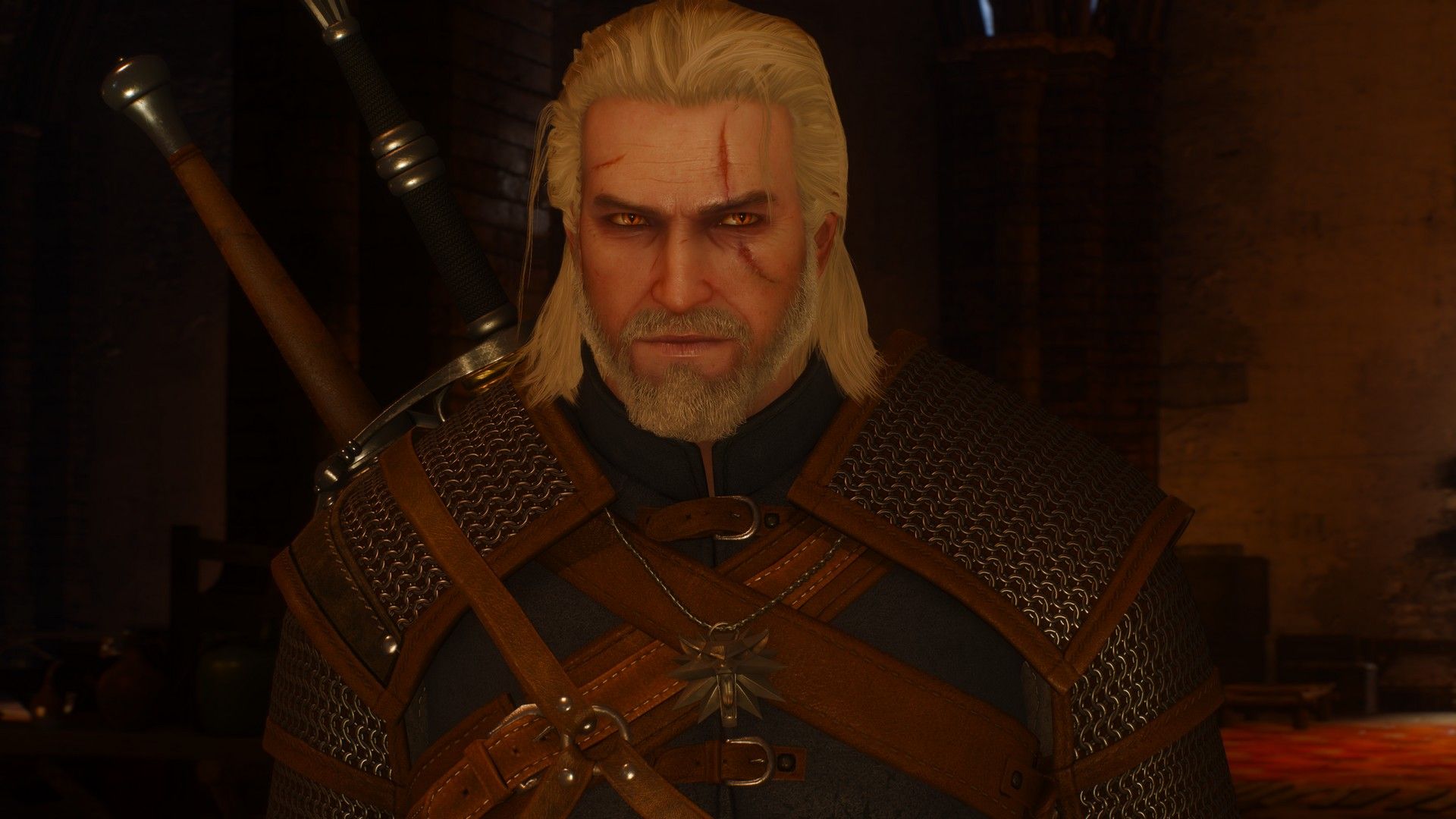
Among the most significant, if understated, changes is the correction of environmental pathing. For years, the horse-mounted navigation of Roach was hampered by collision issues with trees and fences. This has been rectified, removing a persistent source of friction that plagued players since launch. Beyond this, the game features a comprehensive lighting overhaul, updated character models, and a re-engineered skill system that allows for greater player experimentation.
A Chronology of the Continent’s Evolution
To understand the significance of this remaster, one must view it within the timeline of the franchise.
- 2015: The original The Witcher 3: Wild Hunt launches to critical acclaim, winning hundreds of Game of the Year awards.
- 2015–2016: The release of Hearts of Stone and Blood and Wine expansions elevates the game’s reputation to one of the most content-rich RPGs in history.
- 2022: A technical "Next-Gen" update is released, introducing Ray Tracing and improved assets for PS5 and Xbox Series X.
- 2026: The Witcher 3 Remastered debuts, marking a comprehensive effort to streamline the core gameplay loop, refine UI/UX, and introduce modern quality-of-life features that were absent even in the 2022 update.
This progression illustrates a developer committed to maintaining the longevity of its intellectual property, ensuring that The Witcher 3 remains playable and enjoyable for new generations of hardware.
Supporting Data: Why the Changes Matter
The impact of this remaster is best understood through the lens of user experience. The original skill system, while functional, was often criticized for its opaque layout and lack of meaningful progression feedback. The new iteration, which resembles a modern, tiered skill tree, provides a visual and mechanical clarity that encourages diverse builds—whether a player prefers a "Sign-heavy" build or a traditional steel-and-silver combat style.
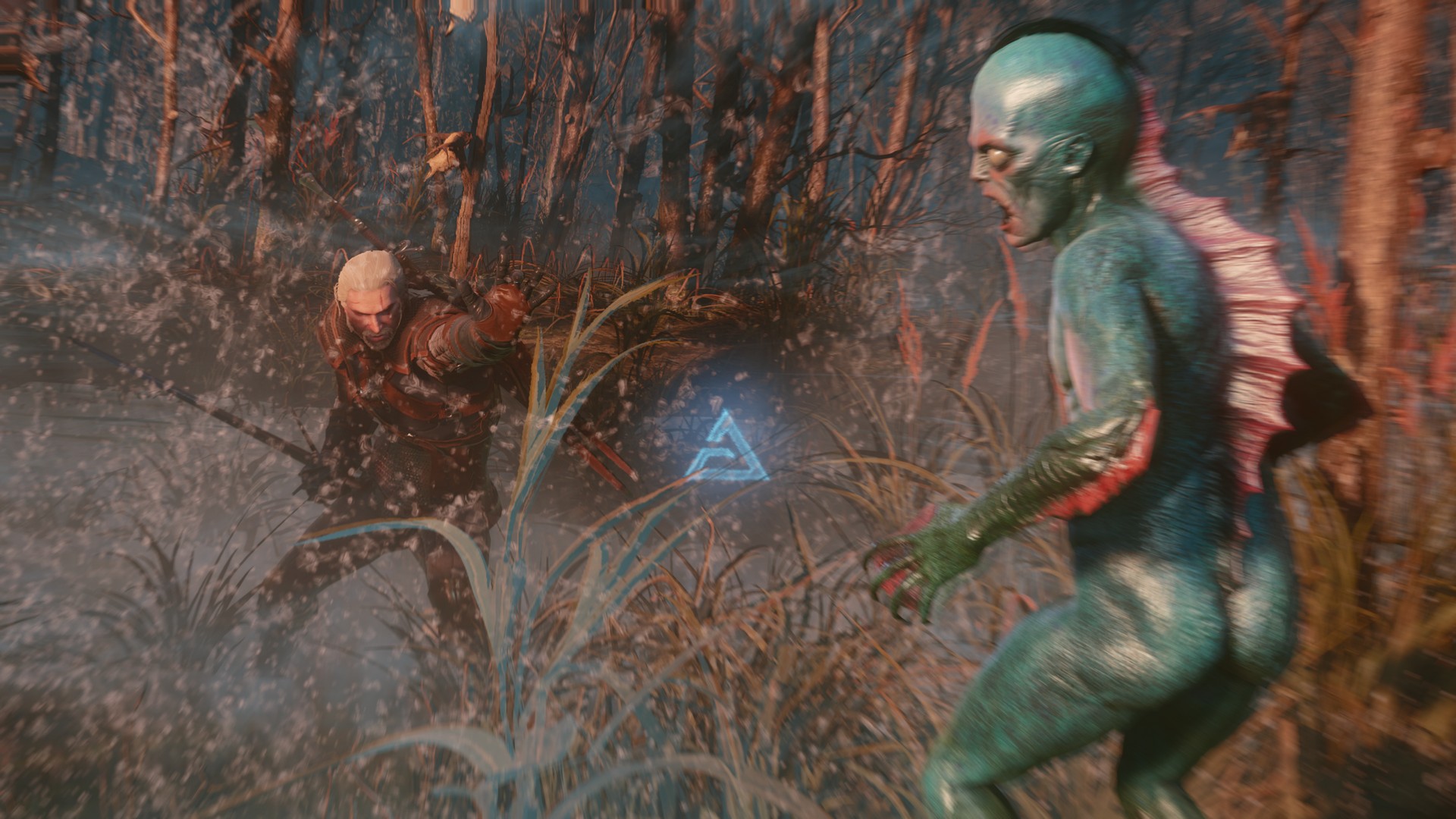
Furthermore, the integration of a "Modern" camera setting offers a more intimate perspective during combat. By pulling the camera closer to Geralt, the intensity of swordplay is heightened. This adjustment makes the visceral, high-stakes nature of being a Witcher feel more grounded.
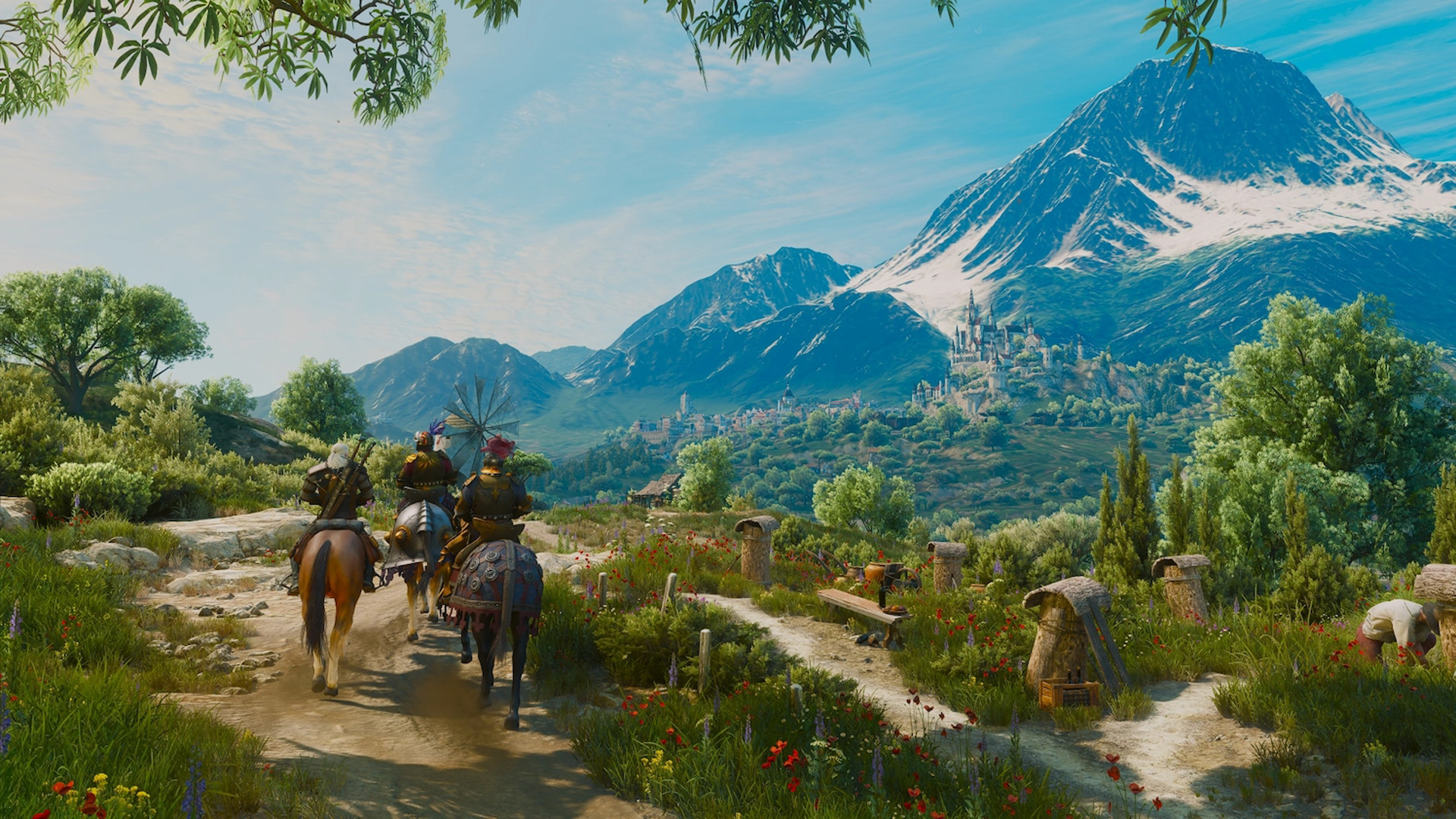
Technically, the graphical overhaul—particularly the lighting in Toussaint and the atmospheric density of Velen—is palpable. While the game does experience occasional frame-rate fluctuations on high-end PCs, these are minor compared to the sheer visual gains. The overhaul of the menus and the codex also removes the "clutter" that previously made deep-diving into the game’s lore a cumbersome task.
Official Responses and Developer Intent
CD Projekt Red has positioned this release as an acknowledgment of the game’s enduring popularity. In various communications, the studio has emphasized that the goal was to "remove the barriers between the player and the story." By addressing the "small" issues—such as the aforementioned tree-snagging, faster menu navigation, and clearer quest tracking—the developers have effectively reduced the cognitive load required to navigate the massive open world.
The studio has also pledged ongoing support, with post-launch patches already in development to stabilize the occasional performance hiccups noted by early adopters. This responsiveness highlights a shift in industry standards where "evergreen" titles are no longer abandoned after their initial launch windows.
The Philosophical Implications of Remastering
The release of this remaster invites a broader conversation about the lifecycle of video games. In an era where 100-hour RPGs are common, the "barrier to entry" for returning to a game can be high. By smoothing over the rough edges, CD Projekt Red is advocating for the value of historical preservation in gaming.
Too often, we treat games as disposable media, moving from one "next big thing" to the next. However, the success of The Witcher 3 demonstrates that a great story remains relevant regardless of its release year. When a studio takes the time to look back at the "warts" of a project and systematically remove them, it allows the core artistic vision to shine through without the distraction of outdated design choices.
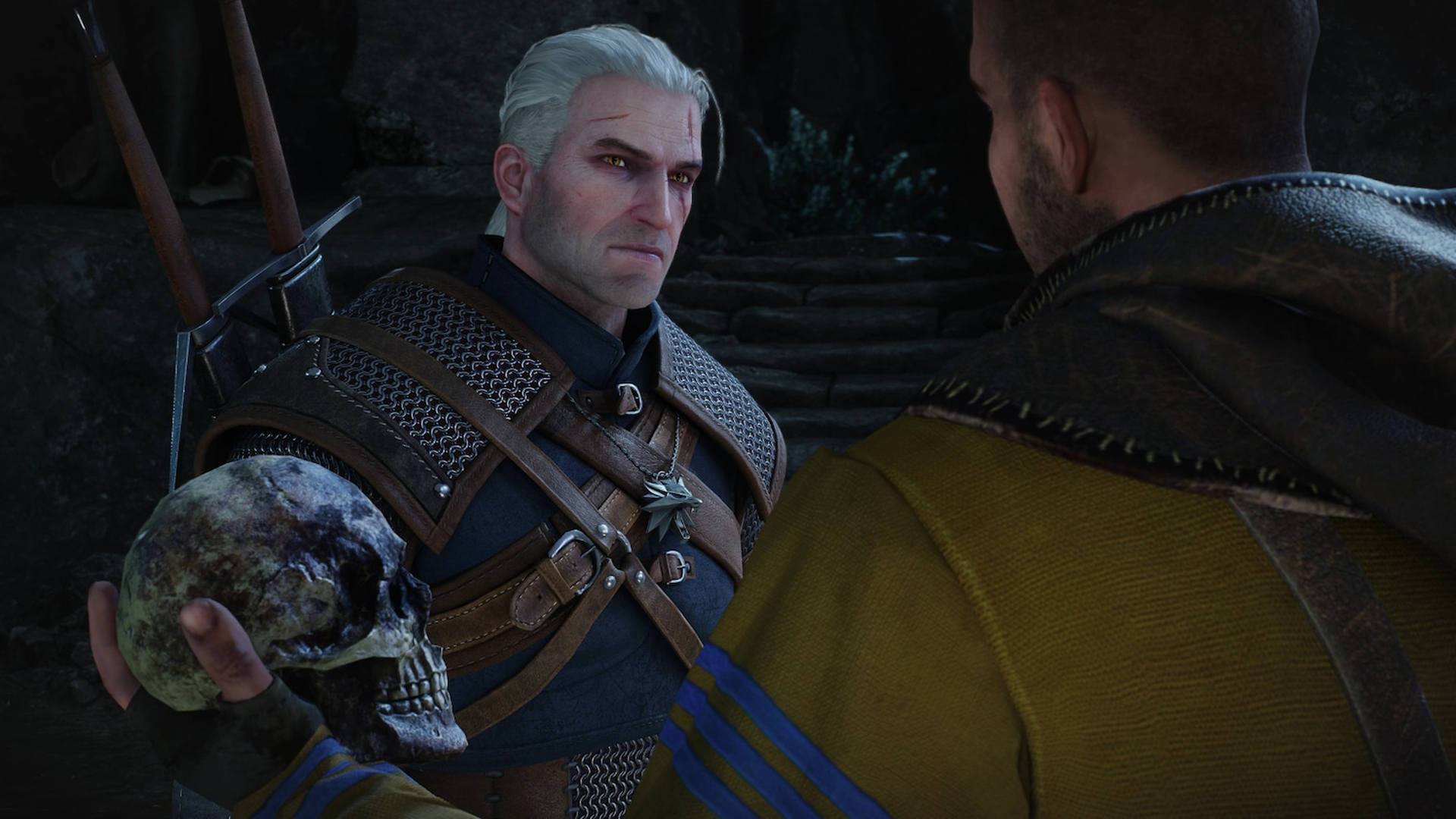
This is particularly important for the RPG genre. Because these games rely on deep systems and long-term player investment, the ability to return to them with a "fresh" feel is invaluable. It transforms the experience from a chore of re-learning old, clunky mechanics into a seamless re-immersion into a world that feels as vibrant as it did a decade ago.
Conclusion: Is It Worth Returning?
For the veteran who has logged hundreds of hours in the swamps of Velen or the streets of Novigrad, the Remastered edition offers a refreshing, friction-less experience. For the newcomer, it is undeniably the best way to experience one of the greatest stories ever told in the medium.
The game is not "new," but it is "better." It proves that while the graphics and technical performance are what grab the headlines, it is the small, thoughtful improvements—like not getting stuck on a tree or having a more intuitive menu—that truly define the player’s relationship with a digital world. As the industry looks forward to the next generation of titles, The Witcher 3 Remastered serves as a benchmark for how developers should treat their legacy: with care, respect, and a commitment to perfection.

Geralt of Rivia’s journey was always about destiny, but thanks to this update, it is now also about longevity. It is a rare, successful example of a title that improves with age, proving that with enough care, even the most familiar paths can feel brand new again. Whether you are a fan of the books, the show, or simply a lover of deep, character-driven storytelling, the Continent is waiting, and it has never looked—or played—better.

