

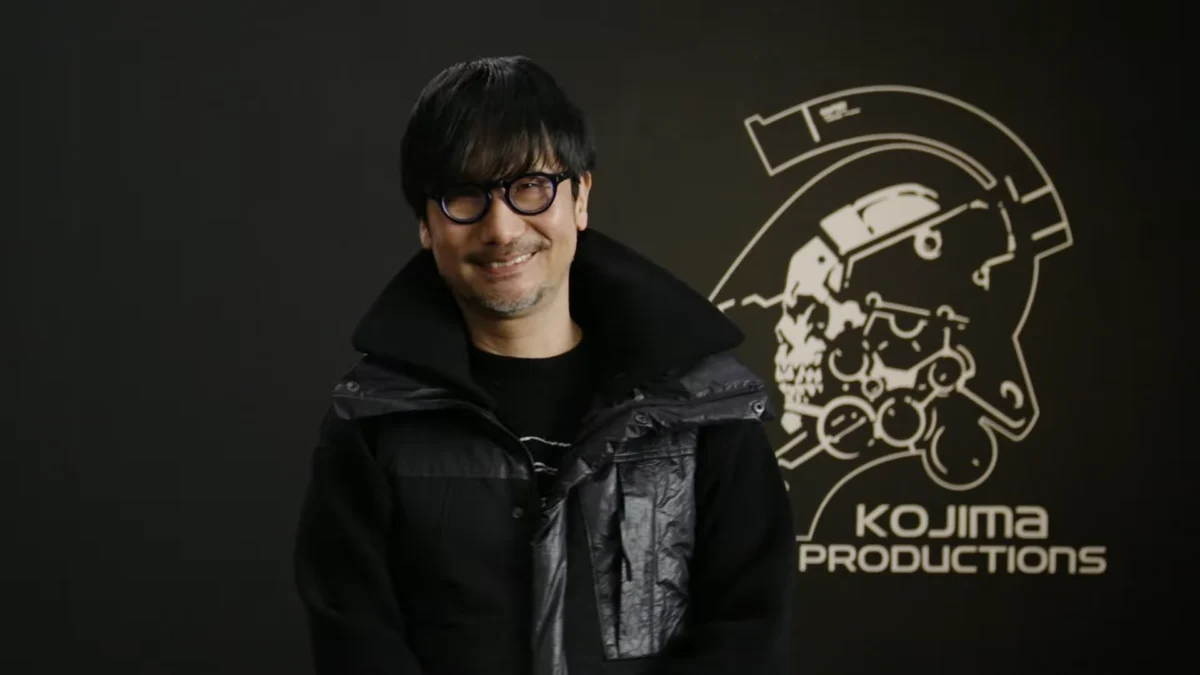
In a stunning turn of events that has sent shockwaves through the gaming industry, the long-anticipated partnership between legendary auteur Hideo Kojima and Sony Interactive Entertainment has suffered a major fracture. The project at the center of this storm, Physint—a title positioned as the spiritual successor to the Metal Gear Solid franchise—was abruptly dropped by Sony earlier this month. However, in a rapid-fire industry maneuver, Xbox stepped into the breach, securing the project and ensuring that Kojima’s vision would not be relegated to the cutting-room floor.
For many, the cancellation of Physint by Sony was unthinkable. The project was not merely another title in development; it was a flagship collaboration between one of gaming’s most influential creators and his long-time institutional home. The subsequent migration to the Xbox ecosystem marks a seismic shift in the power dynamics of the triple-A landscape.
The Anatomy of a Surprise Cancellation
The dissolution of the partnership was as swift as it was unexpected. According to recent reports from The Washington Post, the news was delivered during a sterile, business-like Zoom call in June. The meeting included Kojima Productions studio president Shinji Hirano, Kojima himself, and the studio’s head of talent development, Aki Saito.
Sony’s decision to cease funding was delivered without warning. For Kojima, the revelation was disorienting. Despite a professional relationship with the PlayStation brand spanning over three decades—a history marked by the meteoric rise of the Metal Gear series—the reality of the modern corporate landscape proved colder than expected.
"I was shocked and surprised," Kojima remarked via an interpreter. Despite the sudden nature of the decision, the auteur has maintained a professional stance, noting, "I didn’t have any anger or sadness." His immediate priority, however, was not the prestige of the project, but the survival of his studio. As an independent entity, Kojima Productions relies on the financial backing of major publishers to sustain its operations. The cancellation threatened not just a game, but the livelihoods of his entire team.
A Chronology of the Physint Saga
To understand the magnitude of this split, one must look at the trajectory of Physint since its initial unveiling.
- The 2024 Reveal: During a high-profile PlayStation State of Play, Sony executive Hermen Hulst appeared alongside Kojima to unveil Physint. The presentation was elaborate, emphasizing a deep collaboration between Kojima Productions, Sony’s music division, and the powerhouse resources of Columbia Pictures.
- The Cinematic Ambition: The project was marketed as a "next-generation action-espionage" experience, explicitly designed to blur the lines between cinema and interactive media. It was framed as the ultimate culmination of Kojima’s 40-year career.
- The Casting News: Momentum seemed to be building steadily, with the announcement that John Wick: Chapter 4 star Bill Skarsgård had been tapped to lead the project.
- The June Zoom Call: Sony abruptly informed Kojima Productions that it would no longer finance the project, effectively ending their direct involvement.
- The Xbox Pivot: Within minutes of the news breaking, Microsoft’s Xbox division mobilized, announcing that they would step in to publish Physint, alongside the previously revealed horror title OD.
Why Physint Matters: The "Biggest Selling Title"
Perhaps the most puzzling aspect of the split is the commercial potential of Physint. Hideo Kojima has been characteristically careful not to use the Metal Gear trademark, yet the industry and the fanbase recognize the project as the spiritual heir to his most iconic work.
In his discussions with the press, Kojima has been candid about his expectations for the game. "This is the biggest selling title I could possibly create," he stated. For a creator whose resume includes some of the highest-grossing and most critically acclaimed games in history, this is no small claim.
Kojima’s logic is sound: he is returning to the action-espionage genre that he helped pioneer and define. In an era where the market is saturated with open-world fatigue, a high-fidelity, cinematic, narrative-driven spy thriller is a rare commodity. By canceling the project, Sony walked away from a title with built-in brand awareness and a massive, ready-made audience.
The Changing Face of Corporate Loyalty
The fallout has prompted a broader conversation about the nature of the "auteur" in the modern gaming industry. In the 1990s and 2000s, the bond between a lead designer and a platform holder was often familial. Kojima himself noted in an interview with IGN that he was close with legendary figures like Ken Kutaragi and Kaz Hirai.
"I’ve been working with them for like 30 years… but it’s not like that recently," Kojima reflected. "I realized that, okay, this is the reality."
This realization highlights a shift in how major publishers manage risk. As development costs for triple-A games balloon into the hundreds of millions, the patience of corporate boards is thinning. Even a visionary like Kojima is no longer immune to the cold calculations of quarterly earnings and shifting strategic priorities. Sony’s decision to drop a project they had previously championed suggests a pivot toward either safer, service-based models or a re-evaluation of their internal investment portfolio.
Implications: Xbox’s Aggressive Expansion
For Microsoft and the Xbox brand, the acquisition of Physint is a massive strategic victory. Having already secured the rights to publish OD, Xbox is effectively positioning itself as the new sanctuary for Japanese prestige gaming.
The implication here is twofold:
- Platform Parity: By picking up Physint, Xbox has mitigated the perception that they lack the "prestige" exclusives that define a generation of gaming. While Sony has built a reputation on cinematic single-player experiences, Xbox is now directly competing for that exact demographic.
- Creative Autonomy: For independent studios like Kojima Productions, the lesson is clear: relying on a single platform holder is a high-risk endeavor. By diversifying its partnerships, Kojima is insulating his studio against the whims of a single boardroom.
What Lies Ahead?
As Physint transitions from the Sony umbrella to the Xbox ecosystem, the eyes of the gaming world are fixed on the development process. Will the shift in funding affect the scope of the project? Can the cinematic ambitions—initially tied to Sony’s own film studios—be maintained under a different publisher?
Kojima has built his career on defying expectations. Whether he is working with Konami, Sony, or now Microsoft, the "Kojima brand" remains the ultimate selling point. While the transition has been messy and, by his own admission, surprising, the end result may actually be a more robust and independent version of the project he envisioned.
The saga of Physint is more than just a business deal gone wrong; it is a case study in the evolving landscape of the video game industry. It serves as a reminder that even the most celebrated partnerships are subject to the pressures of the bottom line, and that in the world of high-stakes game development, loyalty is often secondary to strategy. As Kojima continues his work on Physint, he carries with him the weight of 40 years of history—and a new partner who is clearly eager to prove that this "biggest selling title" will be the crown jewel of their generation.

