

The digital landscape is undergoing a tectonic shift. For over a decade, Spotify has been the undisputed king of audio streaming, defining the way the world consumes music and, more recently, podcasts. However, the platform is now aggressively pivoting to reclaim the visual attention of its massive user base. Following the successful introduction of music videos to Premium subscribers late last year, Spotify has unveiled a robust, feature-rich ecosystem designed to turn the app into a full-scale audiovisual destination. By integrating direct-to-artist uploads, algorithmic discovery, and a nostalgic nod to the golden era of music television, Spotify is launching a direct challenge to YouTube’s long-standing dominance in the music video space.
The Evolution: From Audio-First to Multimedia Hub
When Spotify first dipped its toes into the video pool last December, it was a measured, cautious experiment—a "Premium-only" feature set that acted as a value-add for loyal subscribers. But the company’s recent rollout signals that this was merely the opening act. Spotify is no longer just "the music app"; it is evolving into a comprehensive cultural hub.
The core of this evolution lies in the democratization of the upload process. Through the Spotify for Artists dashboard, musicians now possess the agency to upload full-length music videos directly to the platform. This removes the friction of third-party distribution, allowing artists to manage their visual and sonic presence from a single, centralized control room.
Once these assets are uploaded, Spotify’s proprietary engine takes over, distributing them through a variety of engagement-focused features. Among these is the "Videos For You" shelf—a personalized, algorithmically driven carousel that mirrors the "For You" discovery mechanics that have become the industry standard for content consumption. Coupled with curated playlists like Best New Videos and Live Performances, Spotify is creating a cohesive environment where video is not a secondary thought, but a primary driver of the user experience.
The "TRL" Effect: Reclaiming the Countdown Culture
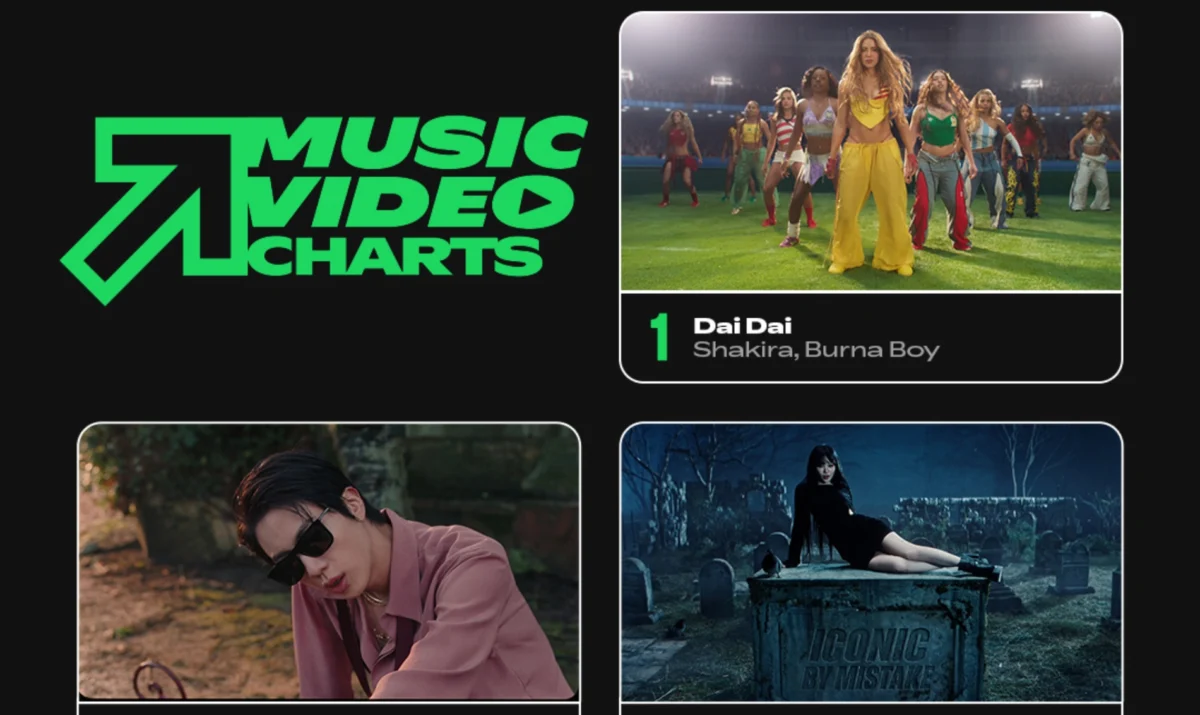
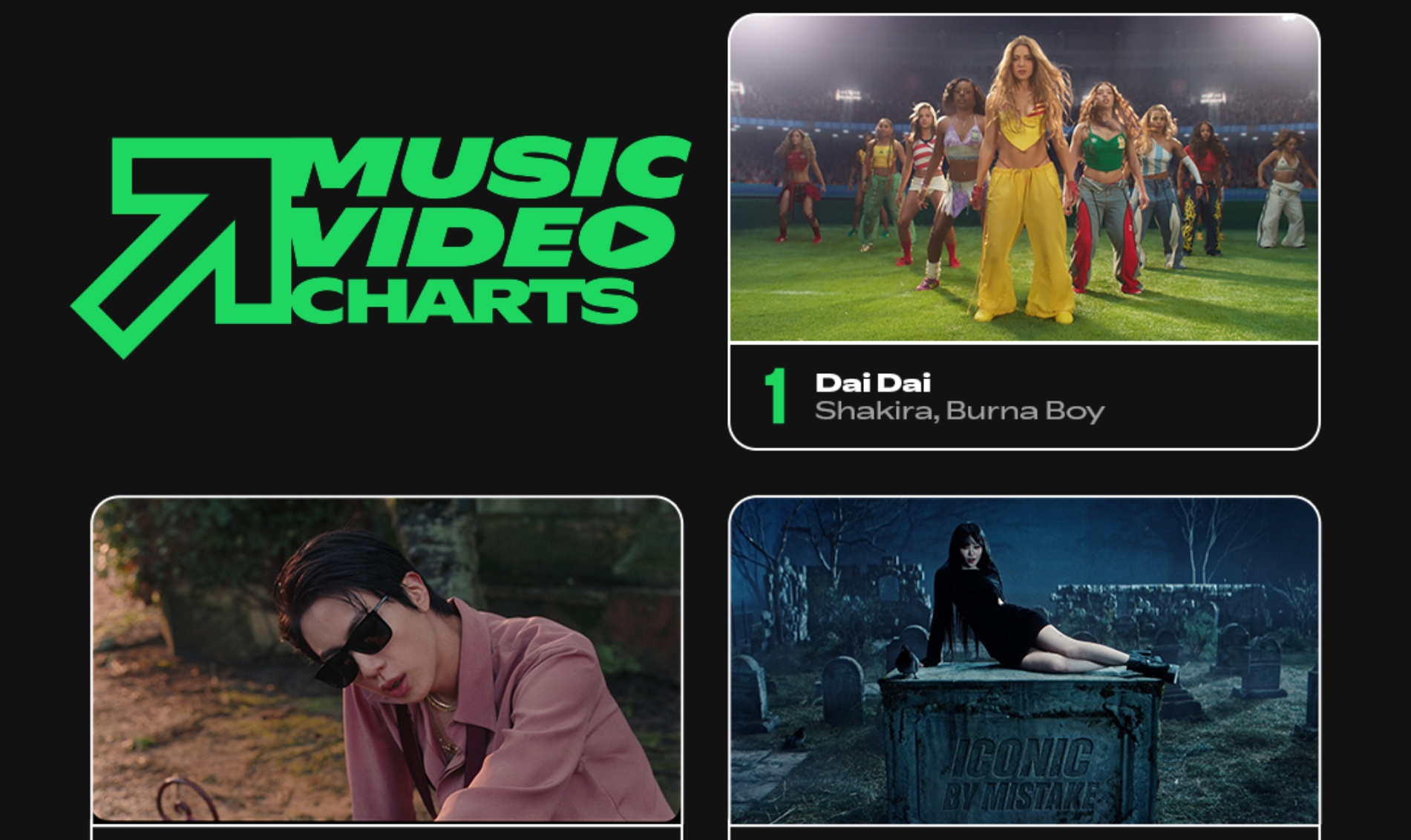
Perhaps the most ambitious component of this update is the launch of the Music Video Charts Global. This top-ten ranking is designed to highlight the most popular music videos on the platform on a weekly basis, effectively recreating the communal excitement that defined MTV’s Total Request Live (TRL) for the Millennial generation.
By institutionalizing a chart, Spotify is attempting to foster a sense of "appointment viewing" or "trending urgency." In the 2000s, TRL acted as the cultural barometer for music; if a video was on that countdown, it was a cultural event. By integrating this concept into its mobile app, Spotify is aiming to recapture that same magic, providing a centralized place where fans can see what the world is currently obsessed with, both sonically and visually.
The Data-Driven Case for Video Integration
While the nostalgic appeal of charts is undeniable, Spotify’s strategy is rooted in cold, hard data. The company has shared compelling insights that suggest video integration is a massive catalyst for platform engagement. According to Spotify’s internal metrics, users who watch a music video on the app are 64% more likely to listen to the corresponding song repeatedly over the subsequent three weeks.
The engagement does not stop there. The "video-to-stream" pipeline is exceptionally efficient:
- Conversion Power: Viewers are 1.4 times more likely to perform high-intent actions, such as saving the track, sharing it with friends, or adding it to a personal playlist.
- Catalog Growth: Perhaps most importantly for labels and independent artists, the presence of video content triggers a "halo effect." Users who engage with an artist’s music videos show an overall 57% increase in consumption across that artist’s entire catalog.
These numbers illustrate a fundamental truth about modern music consumption: video serves as the "hook" that draws the listener in, but the audio experience is what keeps them there. By keeping the user within the Spotify ecosystem during this transition, the platform effectively reduces "app switching," keeping fans engaged with the artist’s brand for longer durations.
The YouTube Rivalry: A Battle for Screen Time
For years, YouTube has reigned supreme as the world’s largest music video repository. Its search-driven discovery and comment-centric community have made it the default destination for music discovery. However, Spotify’s aggressive push into video—coupled with its existing success in video podcasts—is a calculated move to challenge YouTube’s monopoly on visual music consumption.
YouTube has long utilized its own "Trending" charts to dictate music discourse. By launching the Music Video Charts Global, Spotify is essentially signaling to the industry that it is no longer content to be the "background noise" app. It is positioning itself as a rival for active viewing time. While YouTube remains a massive platform for long-form, user-generated, and educational content, Spotify is betting that its specialized focus on the music-fan journey—and its superior algorithmic recommendation engine—will entice users to migrate their music-viewing habits away from the cluttered landscape of YouTube and into the refined, audio-integrated environment of Spotify.
Official Stance and Artist Empowerment
Spotify’s corporate rhetoric around this launch is focused on the concept of "taking fans further." In a recent blog post, the company emphasized that video should not merely be "seen," but should serve as a bridge between the listener and the artist. "It can bring fans back to the song, deeper into the catalog, and closer to the artist," the statement read.
This messaging is crucial for artist buy-in. Musicians have long felt the pressure to be content creators across multiple platforms—TikTok, Instagram, YouTube, and Spotify—often feeling stretched thin. By providing the tools to upload directly to their primary streaming home, Spotify is simplifying the workflow. They are essentially telling artists: "You don’t need to drive your traffic to a third-party site to build your brand; you can do it right here, where the streams are already counted."
Implications for the Future of Music Marketing
The implications of this shift are profound for the music industry. We are likely to see a change in how music videos are produced and released. Historically, a "music video budget" was a massive undertaking reserved for lead singles. However, with the emphasis on global charts and discovery, artists may shift toward more agile, cost-effective visual content that is designed to perform specifically within the Spotify app’s interface.
Furthermore, the rise of the Music Video Charts Global could force a change in how record labels handle their release strategies. We may see "Spotify-first" video premieres, where visual content is exclusive to the app for a set period to boost chart rankings, similar to the strategies used by major streaming platforms for audio exclusives in the past.
Finally, for the independent artist, this democratization is a game-changer. Previously, getting a video on a "trending" list required massive reach or institutional backing. By offering tools for discovery and playlist inclusion, Spotify is creating a more level playing field, where an artist with a high-quality video and a dedicated fan base has a legitimate shot at climbing the global charts.
Conclusion: The New Audio-Visual Standard
Spotify’s transformation is not merely a feature update; it is a fundamental re-imagining of what a music streaming service can be. By integrating the visual, the social, and the algorithmic, Spotify is attempting to secure its position as the ultimate gatekeeper of music culture.
As the lines between audio and visual content continue to blur, the platform that offers the most seamless, integrated experience will win the war for consumer attention. With its new video tools, Spotify has made its intentions clear: it wants to be the place where the music is heard, the place where the music is watched, and the place where the next generation of musical trends are born. The era of the "Music Video 2.0" has begun, and Spotify is leading the charge, one view at a time.

