

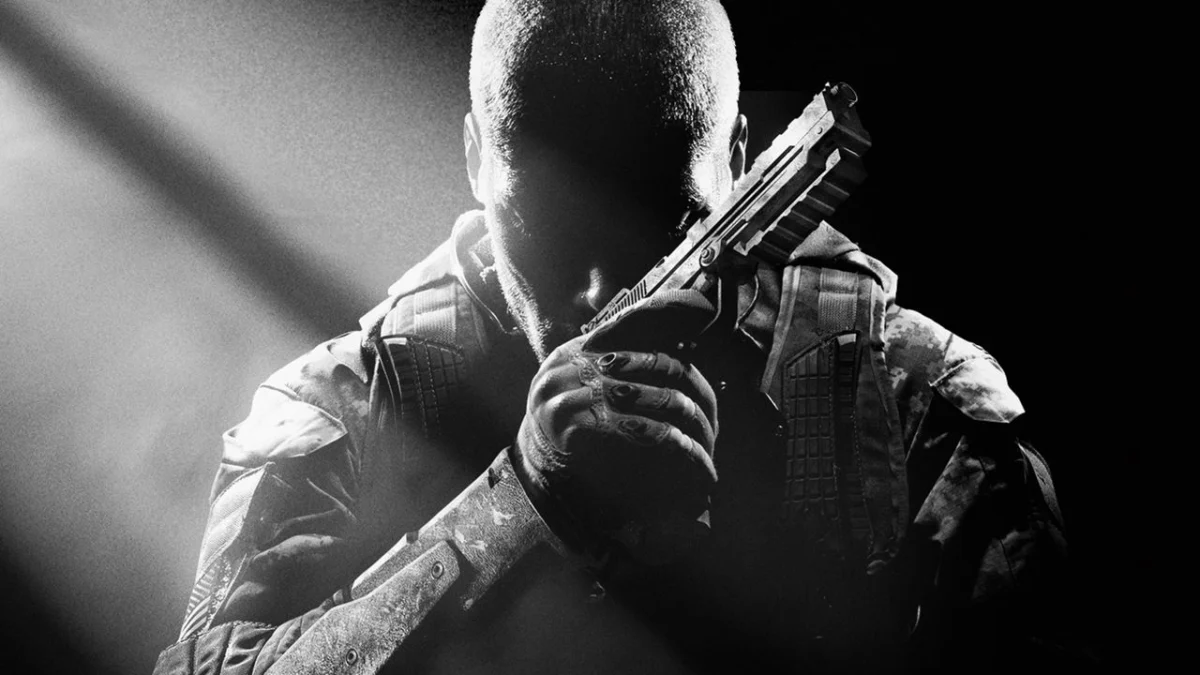
The "Golden Era" of Call of Duty—a period often defined by the frantic, lobby-based camaraderie of the Black Ops and Modern Warfare titles of the early 2010s—has long been the benchmark against which all modern iterations are measured. For years, the community has voiced concerns that the evolution of matchmaking algorithms, designed for strict skill-based optimization, has stripped the franchise of its social fabric. Now, in a move that signals a significant pivot in strategy, Activision has announced that the Season 5 update for Call of Duty: Black Ops 7 will introduce a revamped matchmaking system heavily inspired by the legacy titles that defined the franchise’s rise to dominance.
The Shift: Bridging the Gap Between Eras
The announcement, delivered via the official Call of Duty social media channels, confirms that the developer has been listening intently to the long-standing debate surrounding matchmaking philosophy. "Over the past year, we’ve continued to learn a lot about multiplayer matchmaking through player data and community feedback," the team stated.
The core of this update involves recalibrating the matchmaking logic for "Black Ops Classic," "Quick Play," and "Party Games" playlists. By pivoting toward the architecture of the original Black Ops titles, Activision aims to recapture the unpredictability and social variety that defined the series a decade ago. While the company has stopped short of abandoning modern technical standards entirely, the move represents a rare, large-scale acknowledgment that "modernization" does not always equate to "improvement" in the eyes of the player base.
A Chronology of the Modern Matchmaking Conflict
To understand the weight of this decision, one must look at the trajectory of the Call of Duty franchise over the last decade.
1. The Legacy Period (2010–2012)
The original Call of Duty: Black Ops and Black Ops 2 were built on a connection-first matchmaking model. Players were generally grouped by geographical proximity and connection quality, resulting in a diverse mix of skill levels within a single lobby. This "lobby persistence"—where players stayed together for multiple matches—allowed rivalries to form and social groups to coalesce naturally.
2. The Algorithmic Shift (2015–2023)
As the franchise transitioned into the live-service era, Activision and its subsidiary studios shifted toward Skill-Based Matchmaking (SBMM) and Engagement-Based Matchmaking (EBMM). These systems were designed to keep players within a specific "engagement" bracket, often prioritizing balanced stats over connection speed. While this helped protect new players, veteran segments of the community argued that it turned every casual match into a high-stakes "sweat-fest," effectively killing the casual social experience.
3. The Nostalgia Wave (2024–Present)
The recent re-release of the original Black Ops titles on PlayStation 4 and 5 served as a catalyst for this change. As players flooded back to the servers, the contrast between the old and new experiences became impossible to ignore. Even as these legacy servers struggled with cheaters and XP exploits, the community’s vocal appreciation for the feel of those older lobbies forced a reckoning at the studio level.
Supporting Data: Why Players Demand Change
The push for this change is not merely based on sentimentality; it is backed by a shift in player retention metrics. Internal data, though rarely shared in full, has consistently shown that while modern matchmaking keeps players playing for longer individual sessions, it has led to a decline in "long-term community sentiment."
- The Lobby Persistence Factor: In the older titles, the ability to play against the same group of people for an hour created a "micro-community" within the lobby. Modern systems, which frequently break up lobbies to "optimize" for the next game, destroy this social continuity.
- Skill Ceiling vs. Social Ceiling: The data suggests that high-skill players feel alienated by the current strict SBMM, which dictates their performance before the match even begins. By loosening these restrictions, Activision hopes to increase the perceived agency of the player.
- The Cheater Problem: The resurgence of the older games also highlighted the technical debt Activision faces. With over 263,000 cheaters banned in Black Ops 7 this year alone, the company has had to scale its "Ricochet" anti-cheat system to match the intensity of the game’s competitive environment. Ensuring the new matchmaking system doesn’t create new vulnerabilities for exploiters is currently the primary challenge for the engineering team.
Official Responses and Strategic Pivot
Activision’s statement is a rare concession for a studio that typically defends its proprietary algorithms. "We’re also excited to see all the recent love for Black Ops and Black Ops II," the company noted. "That feedback reinforced that there are many elements of those experiences that players appreciate."
Industry analysts view this as a defensive maneuver to secure the franchise’s longevity. By incorporating these legacy-inspired systems into Black Ops 7 and planning similar options for the upcoming Modern Warfare 4 Beta, Activision is attempting to satisfy two distinct demographics: the competitive "pro" scene that requires tight skill balancing, and the legacy fanbase that prioritizes the "vibe" and social connectivity of the classic experience.
Implications for the Future of the Franchise
What does this mean for the future of the Call of Duty brand?
1. The End of "One Size Fits All"
This update suggests that the "One Size Fits All" approach to matchmaking is being abandoned. Moving forward, we are likely to see a tiered approach: competitive ranked playlists will continue to use strict skill-based parameters, while "Classic" or "Open" playlists will lean into the connection-based, high-variety matchmaking of the past.
2. Community Trust and Transparency
By acknowledging the issues and responding with a technical overhaul, Activision is attempting to rebuild a fractured relationship with its core audience. The success of this move will depend entirely on how the community perceives the "feel" of these new lobbies. If the matches feel faster, more varied, and less like a professional tournament, it could lead to a massive resurgence in active player counts.
3. A Precedent for Future Remasters
The success of the Black Ops legacy re-releases proves that there is a massive market for the "classic" experience. If the matchmaking changes in Black Ops 7 prove successful, it may incentivize Activision to commit to more robust support—or even full remasters—of older titles, rather than treating them as legacy curiosities.
Conclusion: A Delicate Balance
The transition to a legacy-inspired matchmaking system is a bold, necessary step for the Call of Duty franchise. It acknowledges that games are not just products to be optimized by algorithms, but social spaces that thrive on human interaction and organic connection.
While the "sweatiness" of modern matchmaking served a purpose in protecting casual players, the cost has been the erosion of the unique culture that made Call of Duty a global phenomenon. As Season 5 rolls out, all eyes will be on the lobbies. Will the return to a classic-style matchmaking system bring back the "magic" of the early 2010s, or has the community evolved too far to turn back the clock?
For now, the developers seem determined to find out. By listening to the feedback—even when it criticizes their own modern innovations—Activision is attempting to ensure that Black Ops 7 isn’t just another annual release, but a bridge to the best of what the franchise once was. Whether this experiment succeeds or not, one thing is certain: the conversation about how we play Call of Duty has fundamentally changed, and for the first time in a long time, the players have a seat at the design table.

