

SAN FRANCISCO — Virtual reality has long promised an immersive escape, transporting users to fantastical digital landscapes, futuristic battlefields, and serene meditation circles. However, as the medium shifts from a stationary gaming hobby into a mainstream fitness platform—hosting high-intensity apps like Supernatural, Les Mills Bodycombat, and Pistol Whip—the physical limitations of the hardware are pushed to their absolute limits.
Spend enough time in a VR headset while completely stationary, and you will quickly notice familiar complaints: heat buildup, awkward weight distribution, the annoyance of glasses, controller fatigue, and spatial disorientation. Start exercising aggressively in one, and those minor inconveniences transform into major barriers to entry. You move faster, generate intense body heat and sweat, and demand that a sophisticated piece of micro-machinery remain securely anchored to your face through high-velocity lateral movements, squats, and punches.
For fitness enthusiasts who log miles inside virtual worlds daily, overcoming these physical hurdles is the difference between a successful routine and abandoning the headset entirely. Following years of daily VR workouts, seasoned users have curated a blueprint of essential gear and low-cost improvisations. From specialized third-party hardware to household items you likely already own, here is the definitive guide to optimizing your spatial computing setup for peak physical performance.
Main Facts: The Core Challenges of Spatial Fitness
The rapid evolution of standalone VR headsets like the Meta Quest series has democratized home workouts, but human biology and ergonomic design remain at odds. The core friction points of VR fitness can be categorized into four primary areas:
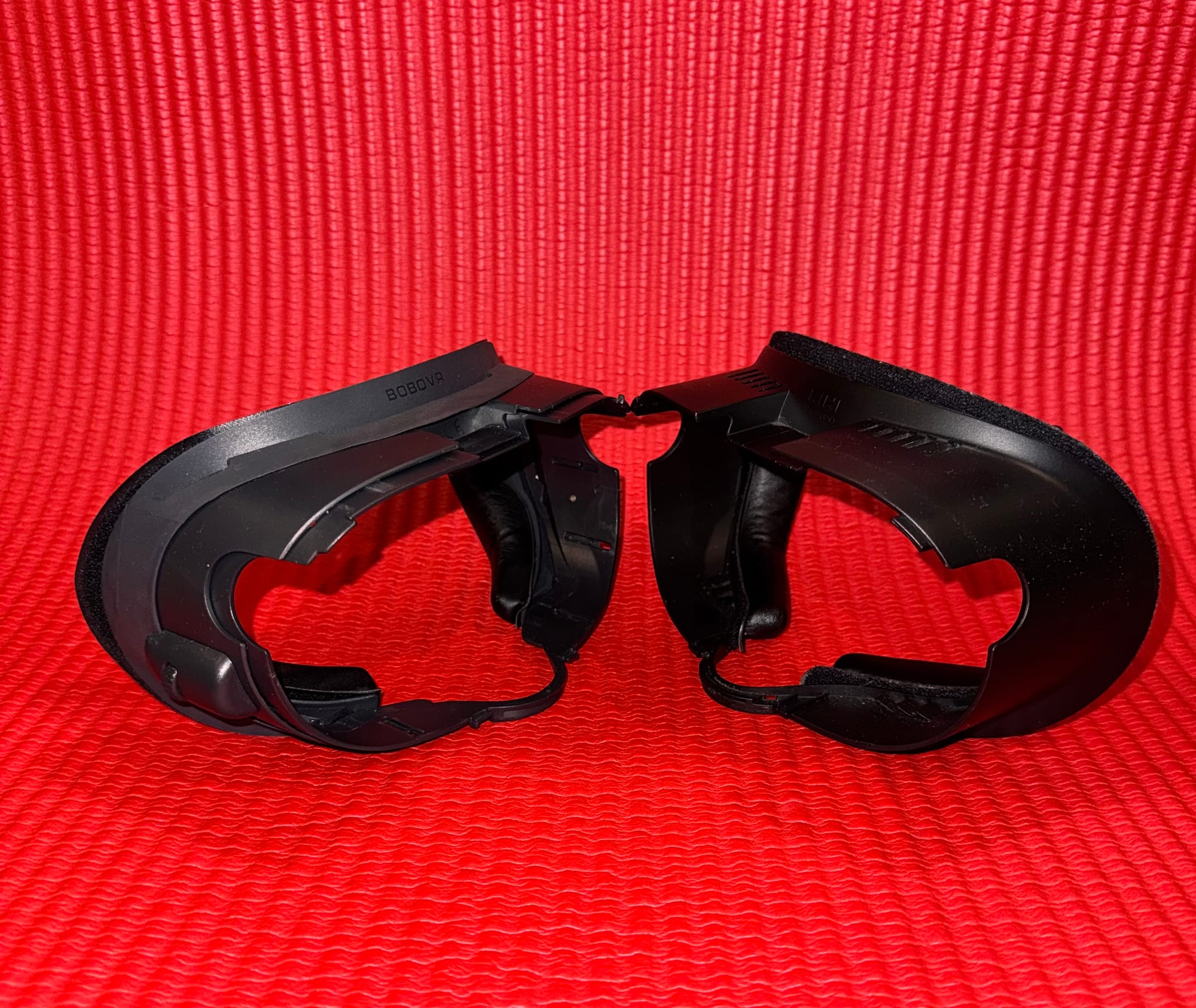
- Thermal and Moisture Overload: Headsets trap heat and sweat directly against the face, leading to foggy lenses, slick controllers, and unsanitary fabric interfaces that absorb moisture.
- Ergonomic Strain: Factory head straps are notoriously front-heavy, placing the full burden of the compute hardware directly on the user’s cheekbones and brow line during rapid head movements.
- Visual and Spatial Barriers: Traditional eyeglasses clash violently with internal lenses, while the immersive nature of VR makes it dangerously easy for users to wander away from their safe physical zones.
- Grip Security: High-intensity routines involving rapid hand gestures risk sending expensive controllers flying across living rooms if standard, flimsy wrist tethers are the only line of defense.
Solving these systemic issues requires a targeted approach, blending specialized aftermarket accessories with clever, everyday hacks.
Chronology: The Evolution of the VR Fitness Toolkit
The path toward a comfortable VR workout ecosystem did not happen overnight. It is the result of years of consumer trial and error, running parallel to the hardware iterations of the last decade.
- The Early Era (Pre-2019): Early adopters strapped bulky, wired PC-VR headsets to their faces, dealing with sweat-soaked foam pads, dangling cables, and terrifying moments of controller detachment. Solutions were largely DIY—rubber bands, makeshift wrist straps, and desk fans pointed haphazardly at workout spaces.
- The Standalone Revolution (2019–2022): The launch of untethered headsets like the Oculus Quest opened the floodgates for mainstream VR fitness. Users quickly realized that stock cloth straps and absorbent foam interfaces were completely inadequate for cardio. This era birthed the first wave of third-party silicone covers, rudimentary knuckle grips, and counter-weighted battery solutions.
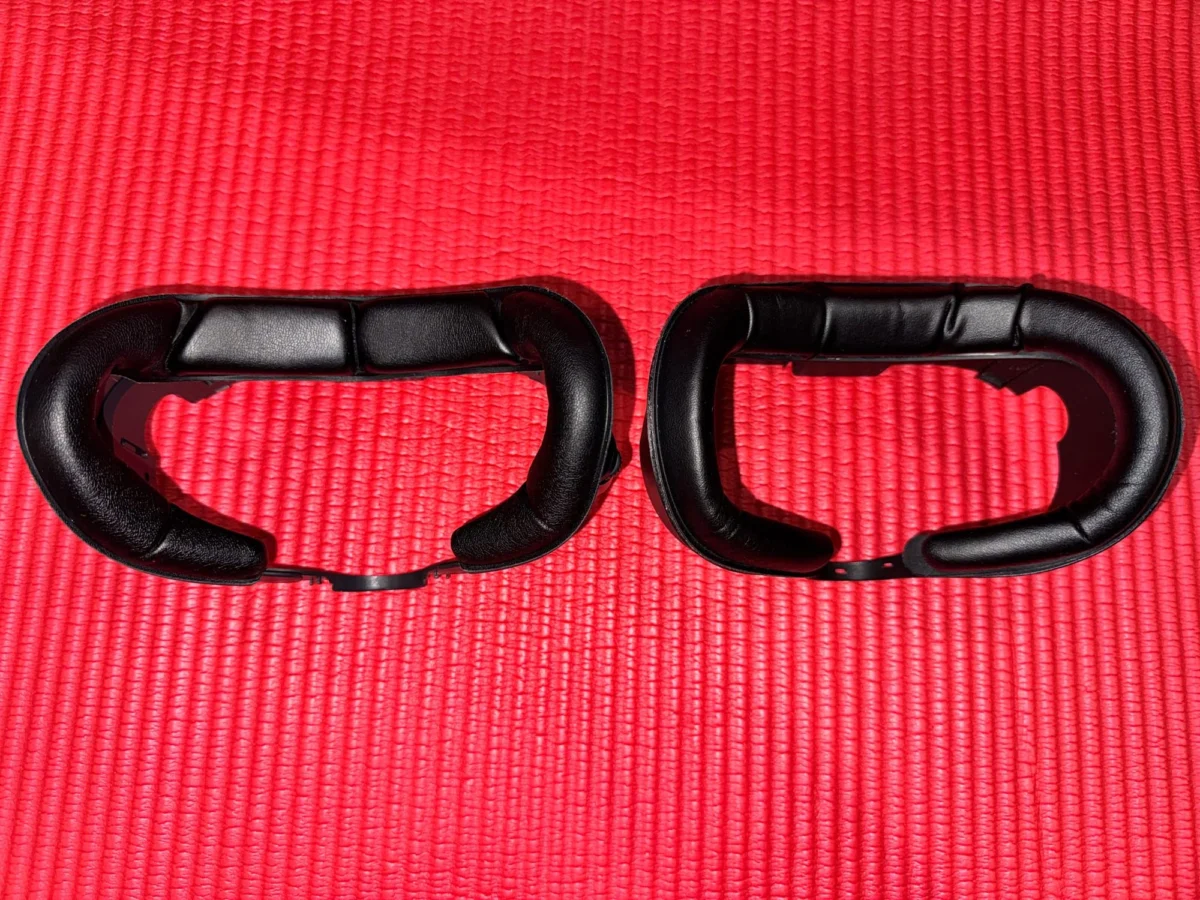
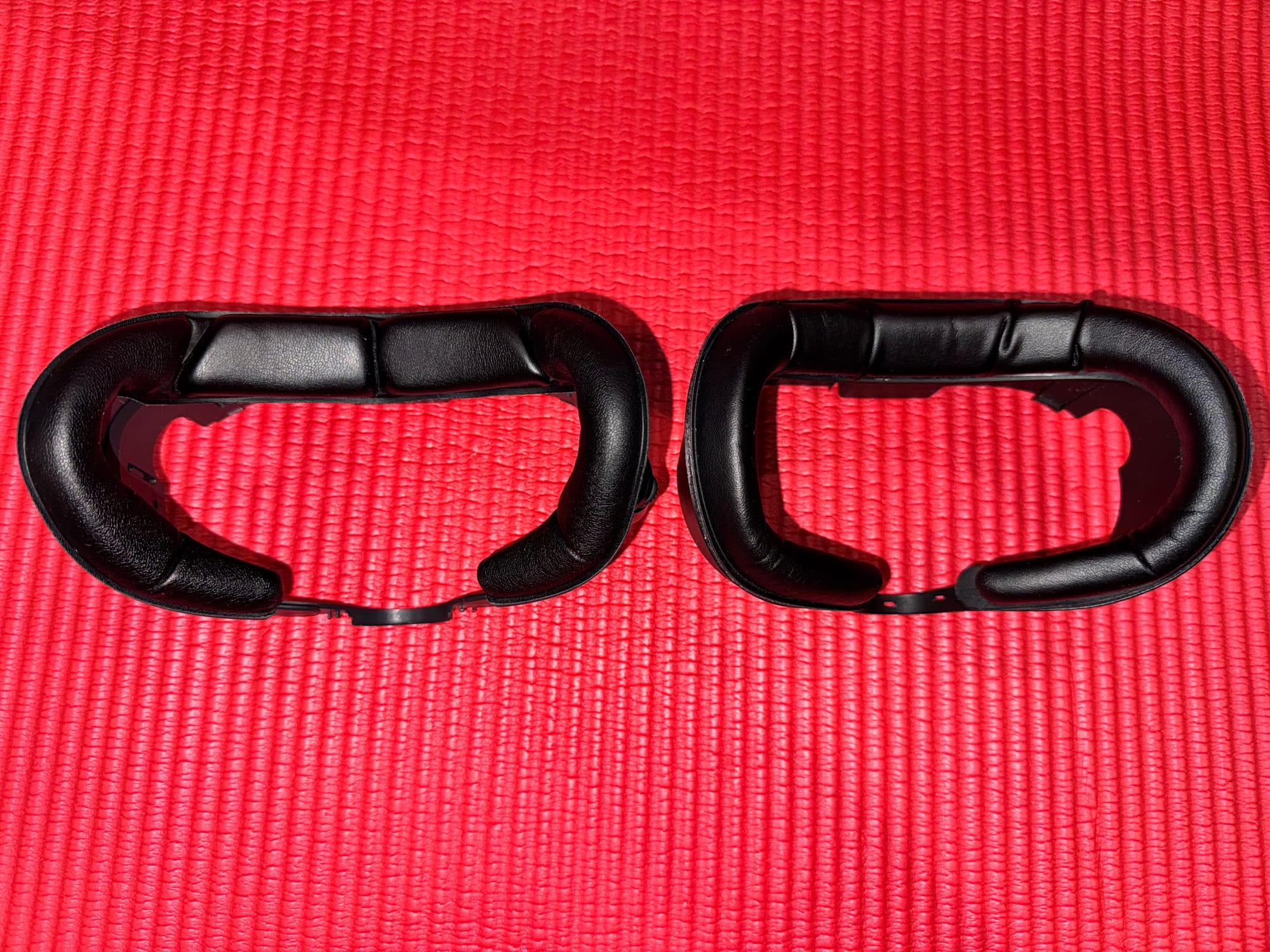
- The Modern Ergonomic Era (2023–Present): Today, a mature ecosystem of specialized fitness accessories exists. Companies like KIWI Design, BOBOVR, Zenni Optical, and ProxiMat engineer integrated hardware explicitly designed to withstand the rigors of spatial athletics. Hot-swappable batteries, magnetic lens adapters, and synthetic leather cushions have transformed VR from a clumsy tech experiment into a legitimate athletic discipline.
Supporting Data: Upgrading the Experience
While you do not need to empty your bank account on day one, targeted investments can radically alter the comfort and longevity of your workout sessions. Here is how seasoned fitness enthusiasts tackle each specific pain point.
1. Hand Fatigue and Sweat: Knuckle Grips
Standard wrist tethers will keep a controller from flying through your television, but they are utterly miserable for fitness. Constantly clutching a hard plastic shell leads to severe hand cramps during high-rep punching routines.
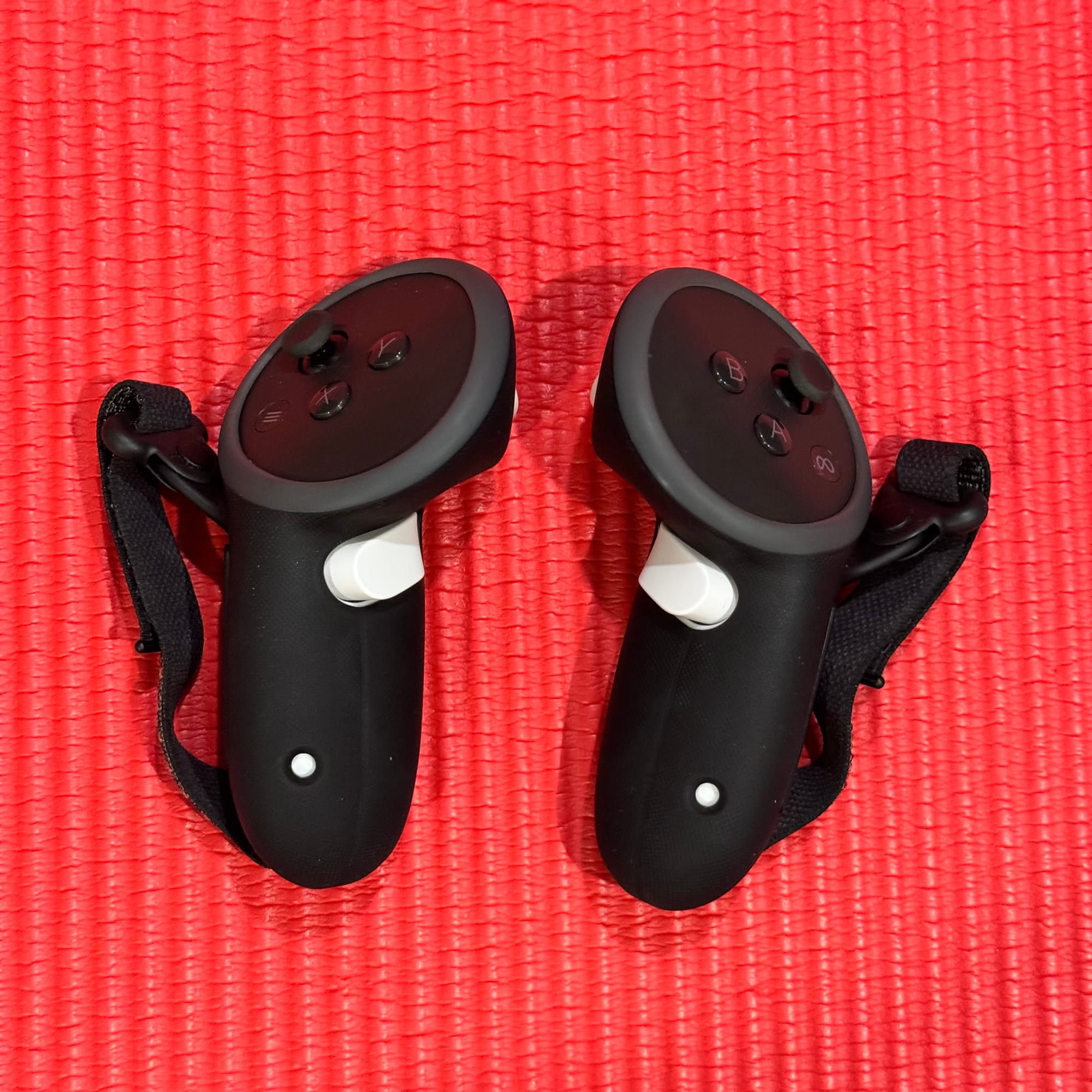
- The Solution: Knuckle grips (such as the KIWI Design G4 Pro or BOBOVR equivalents) secure the controller to the back of your hand via an adjustable strap.
- The Benefit: Users can completely open their hands during dance routines, flow exercises, or Tai Chi-like stretches without dropping the hardware. Furthermore, textured grip materials provide enhanced traction once hands become slick with sweat.
2. Optical Interference: Prescription Lens Inserts
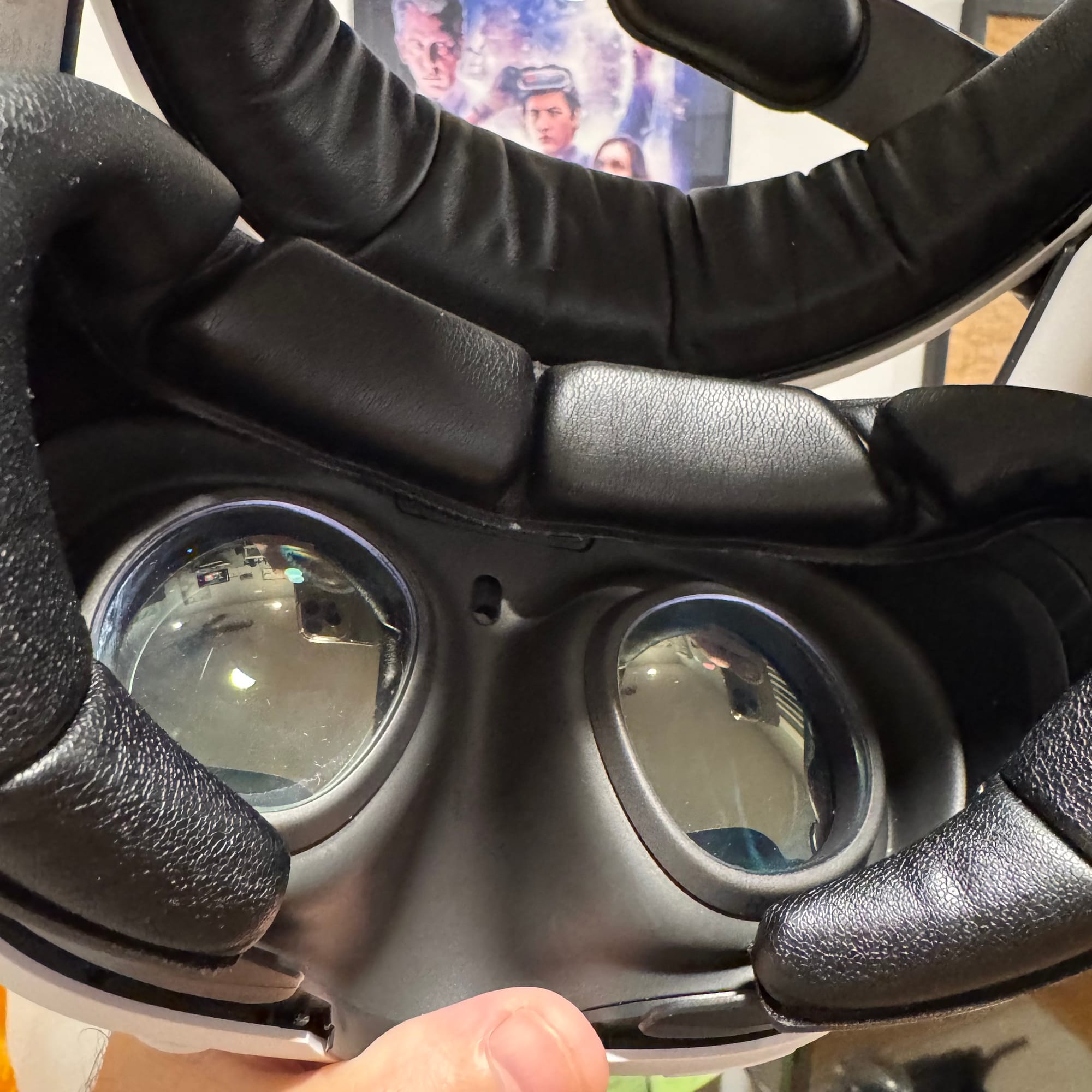
If you wear corrective lenses, working out in VR with glasses is an exercise in frustration. Frames shift, press painfully against your temples, and risk scratching the headset’s internal optics.
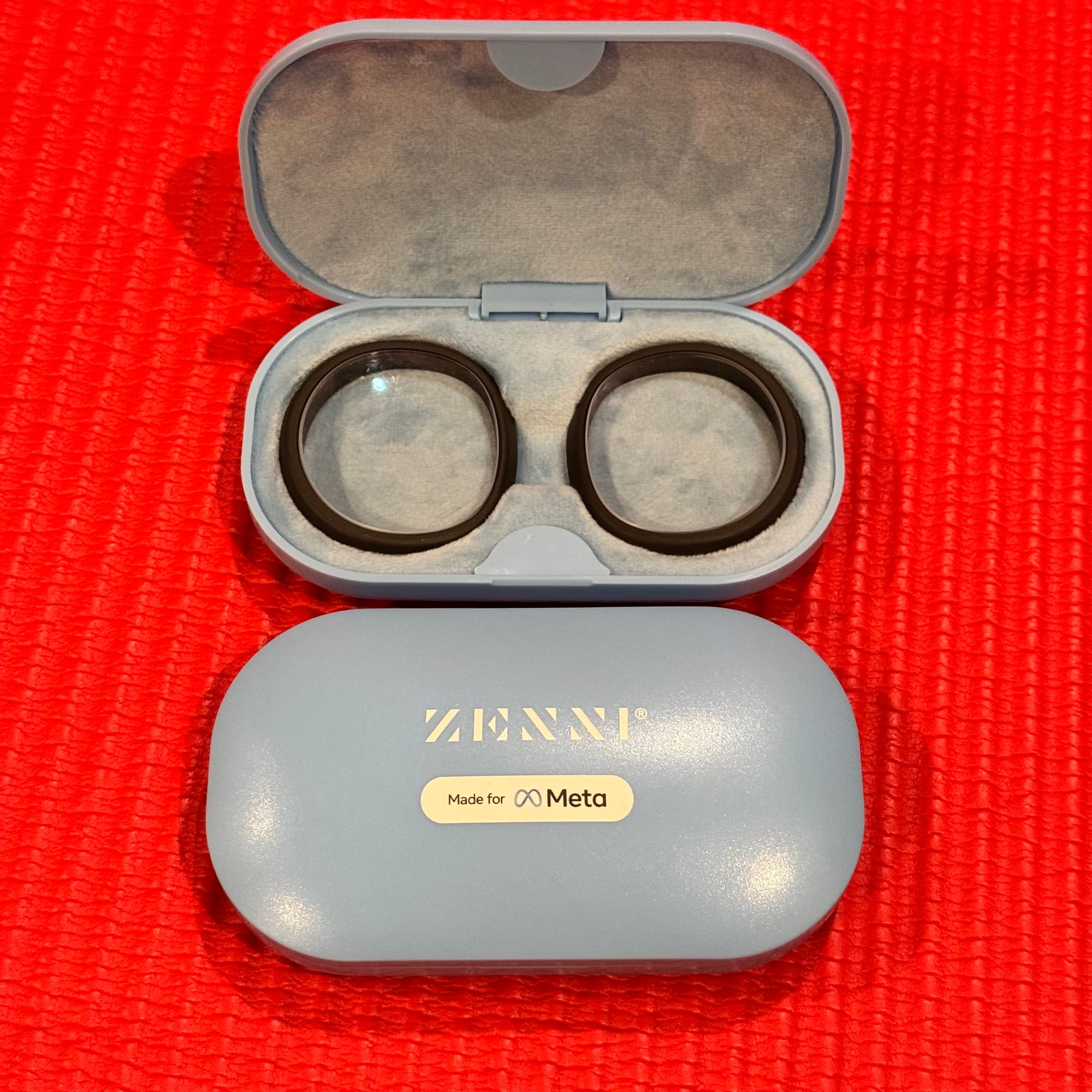
- The Solution: Custom prescription lens inserts—such as those manufactured by Zenni Optical in partnership with Meta—snap directly into place over the headset’s native lenses.
- The Benefit: They eliminate the need for glasses entirely. When you put on the headset, your vision is immediately sharp. Crucially, they act as a physical barrier, protecting expensive factory optics from accidental scratches when wiping away sweat.
3. Front-Heavy Fatigue: Battery Head Straps
Factory cloth straps are fine for a 20-minute movie, but they force the cheekbones to bear the brunt of the headset’s front-heavy weight during fast-paced physical evasion.
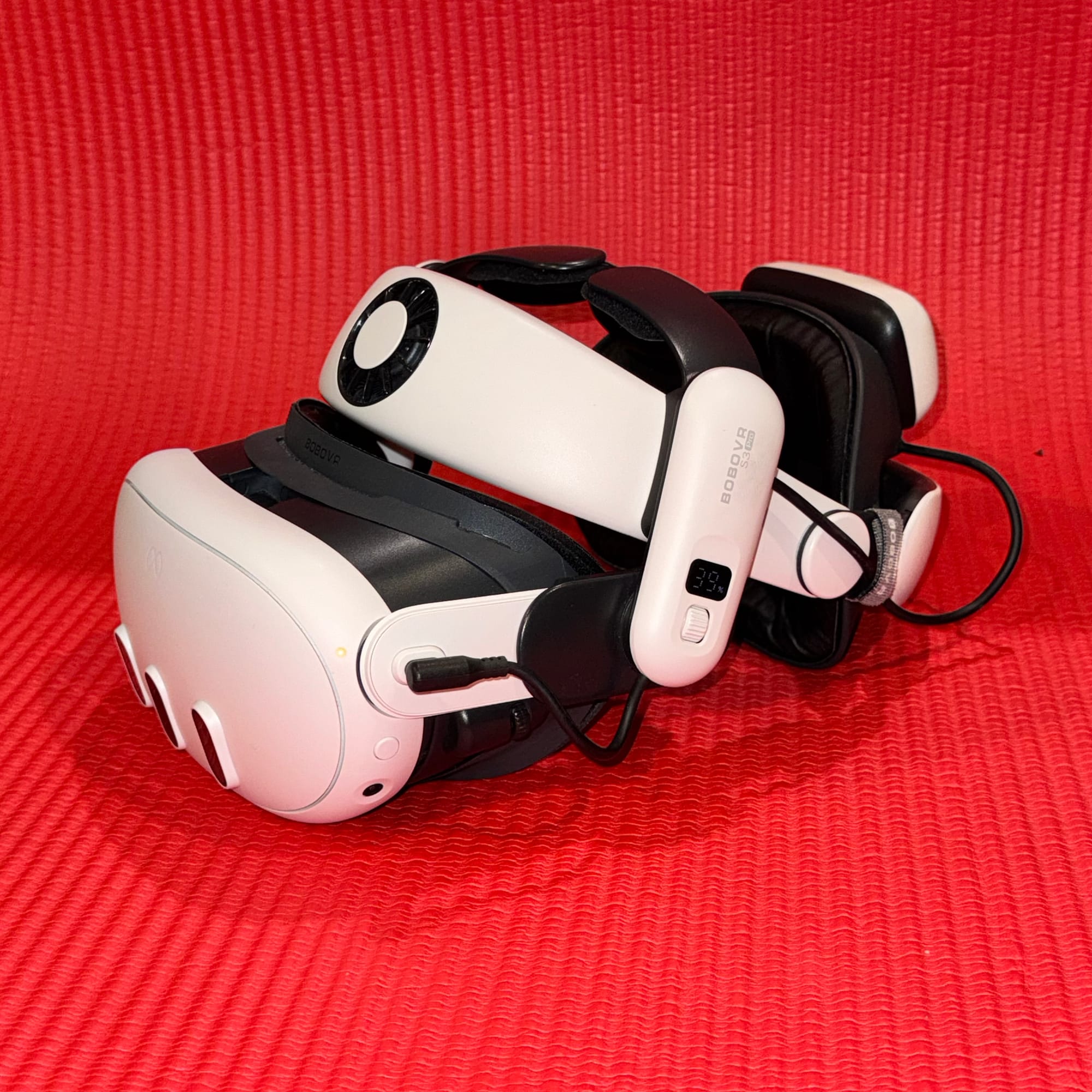
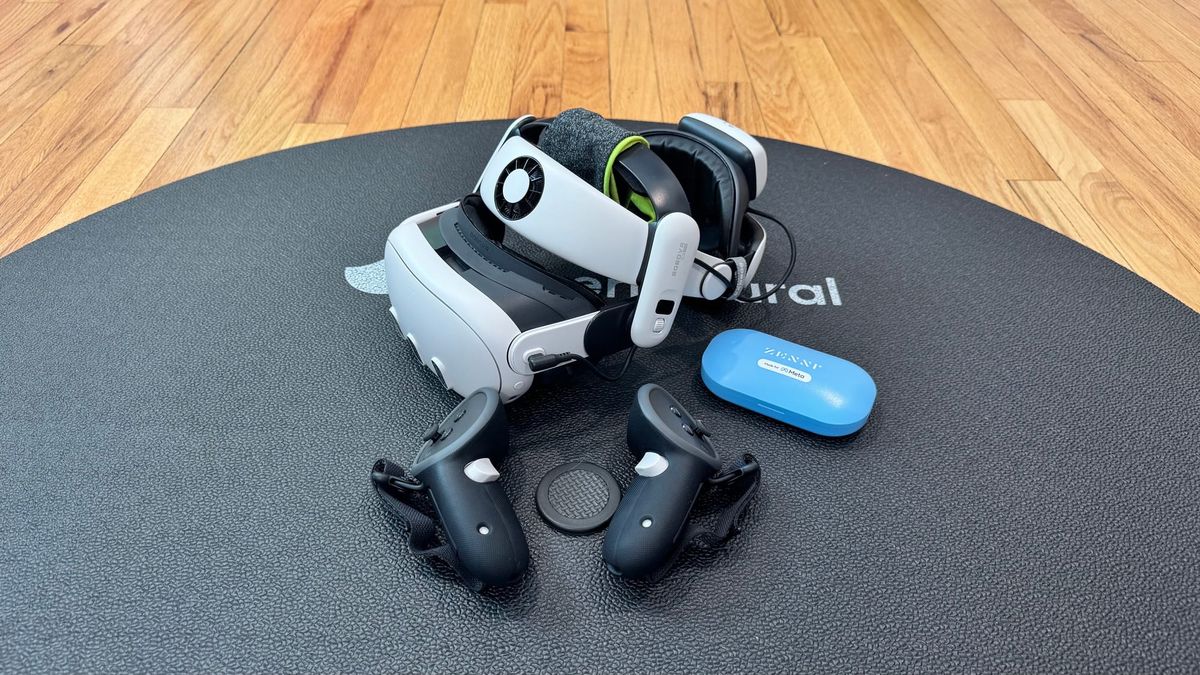
- The Solution: Upgrading to an elite-style or halo-style head strap with a rear-mounted battery pack (such as the BOBOVR S3 Pro or KIWI Design K4 Boost).
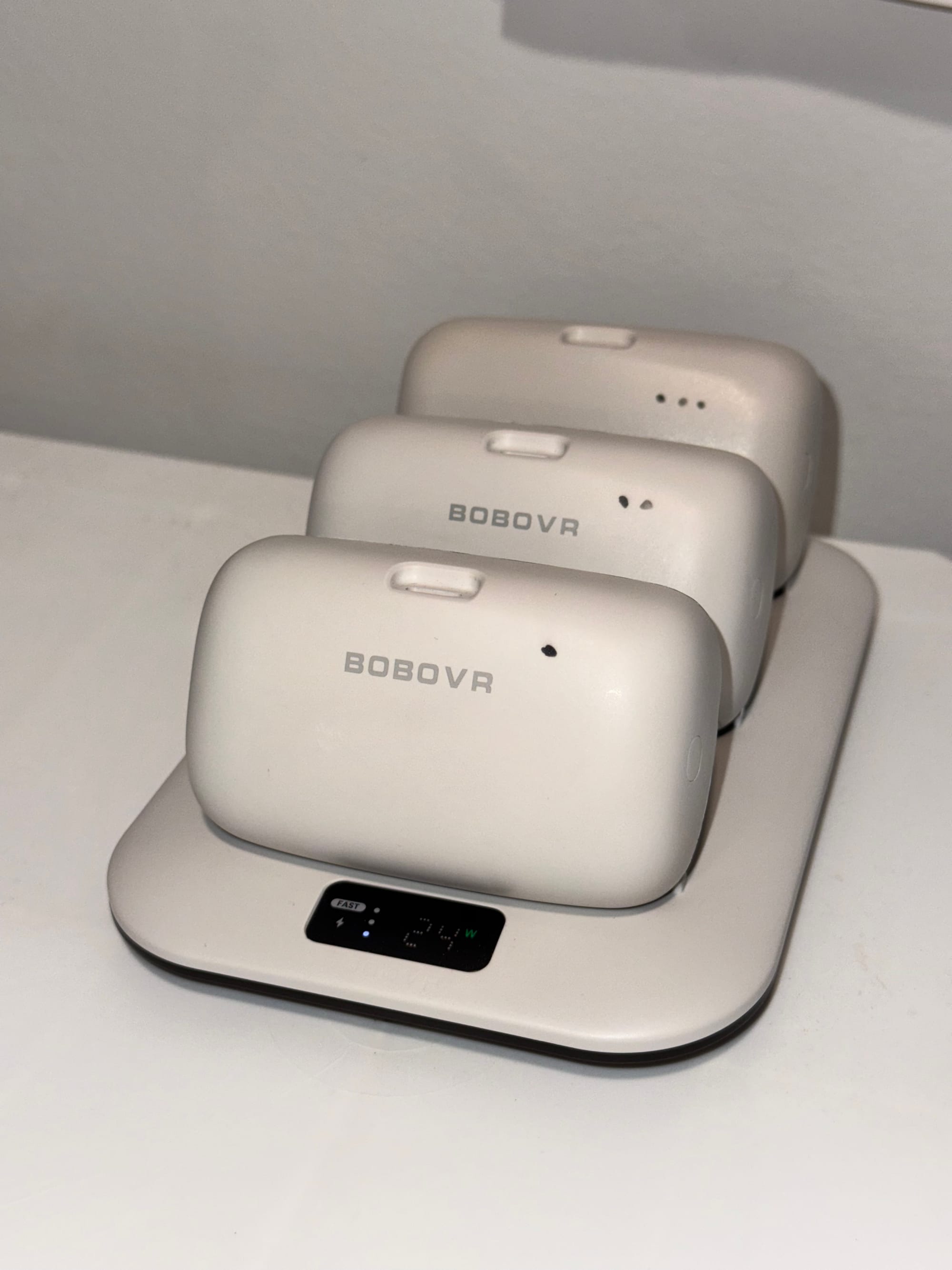
- The Benefit: While the total weight of the setup actually increases, the rear battery acts as a crucial counterweight. It redistributes the load away from your face and around your skull, drastically reducing neck strain. Additionally, hot-swappable battery systems effectively eliminate battery anxiety, allowing for indefinite workout extensions.
Official Responses and Industry Adaptation
As virtual reality establishes itself as a core pillar of digital wellness, tech giants and fitness brands are increasingly acknowledging the unique ergonomic demands of their user base.
Meta and other hardware developers have begun designing newer headset iterations with modularity in mind, making it easier to swap facial interfaces and head straps out of the box. While factory straps remain generalized to keep base retail prices down, official partnerships—such as Meta’s collaboration with Zenni for prescription optics and certified accessory programs with third-party manufacturers—signal an official industry consensus: one size does not fit all, especially when heart rates spike.
Major fitness applications like Supernatural have similarly adapted, building dedicated "Low Intensity" and stretching modalities alongside high-octane cardio sessions to accommodate users managing hardware fatigue, while collaborating with companies like ProxiMat to promote safe physical boundaries.
Implications: The Future of Spatial Health and Ergonomics
The normalization of VR fitness carries broad implications for the future of consumer electronics and wellness technology.
As augmented and virtual reality devices inevitably shrink in size and weight over the coming decade, the lessons learned from the VR fitness community will dictate industrial design. Consumers are no longer willing to tolerate discomfort in exchange for immersion. Future spatial computing devices—whether used for enterprise productivity, gaming, or high-intensity cardio—will require native ergonomic considerations like active airflow, sweat-resistant materials, and balanced weight distribution from day one.
Until lightweight, all-day spatial glasses become the global standard, the current ecosystem of aftermarket accessories offers a valuable lesson in user-driven modification.
Keep It Simple: Low-Cost Hacks That Work
You do not need to spend a fortune to build a functional VR workout setup. Some of the most effective solutions require zero technical overhead:
- The Room Fan: Pointing a basic household fan at your workout area provides moving air that cools your body and gives you a subconscious physical cue of which direction you are facing in the room.
- The Sweatband: A standard, inexpensive fabric sweatband keeps moisture out of your eyes and off the internal electronics.
- The Workout Mat: A tactile rubber mat (like a ProxiMat 42" Classic) gives your feet a physical reference point, helping you stay securely centered in your workout space without constantly breaking immersion to check virtual boundaries.
Ultimately, the best VR fitness setup is the one that completely fades into the background. If an accessory is doing its job right, you stop thinking about the hardware entirely—allowing you to focus strictly on the workout, the music, and the virtual world around you.

