

In the fast-paced, ephemeral world of digital distribution, where games are downloaded in an instant and forgotten just as quickly, PM Studios has remained a steadfast champion of the tangible. For two decades, the Las Vegas-based publisher has operated as a vital bridge between developers and the physical retail shelf. However, as the industry faces a seismic shift toward a "digital-only" future—most notably marked by Sony’s announcement that it will cease disc production for PlayStation consoles by 2028—the role of companies like PM Studios is undergoing a radical, and perhaps existential, transformation.
The Physical Legacy: Two Decades of Discs and Cartridges
PM Studios’ journey began roughly 20 years ago, initially finding its footing by bringing niche titles like the Korean rhythm-action series DJMax to North American audiences. What started as a focused effort to localize underserved markets evolved into a robust business model: assisting developers in navigating the complexities of physical manufacturing, global distribution, and retail logistics.
CEO Michael Yum describes the sheer scale of the operation: "I’d say we have about a hundred or more games that we back up on the physical side on a yearly basis. When you sign one of those [large partners] up, you have like 10 games a year from just them alone."
This logistical backbone has allowed PM Studios to become a silent giant in the industry. By acting as a physical publishing arm for various other developers, they have helped bring hundreds of titles to store shelves that might otherwise have remained digital-only exclusives. This service is not just about moving units; it is about preservation and providing players with the choice of ownership—a value proposition that Yum feels is increasingly under fire.
A Chronology of Growth and the "Wukong" Catalyst
The trajectory of PM Studios has been marked by a series of strategic pivots, moving from simple localization to becoming a significant player in the global publishing ecosystem. A key chapter in this history is the company’s expansion into Asian markets, specifically Korea and China.
"I had a lot of friends in Korea who couldn’t release their games," Yum recalls. "So I was bringing games from Korea and China over to America and Europe."
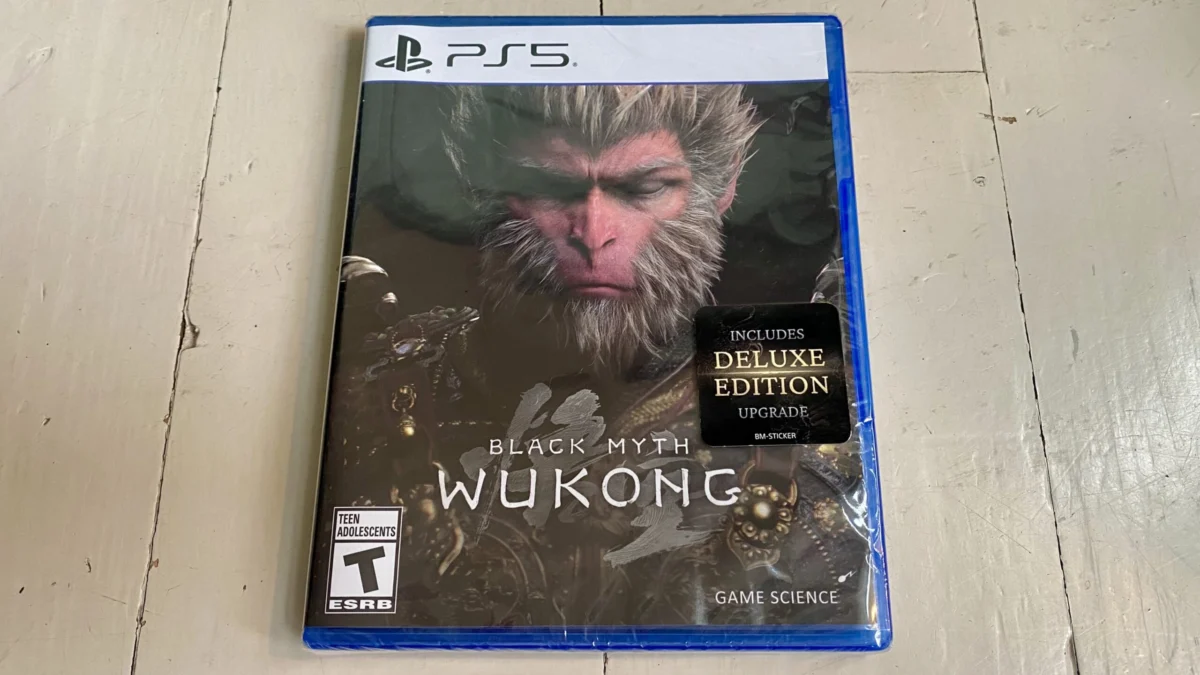
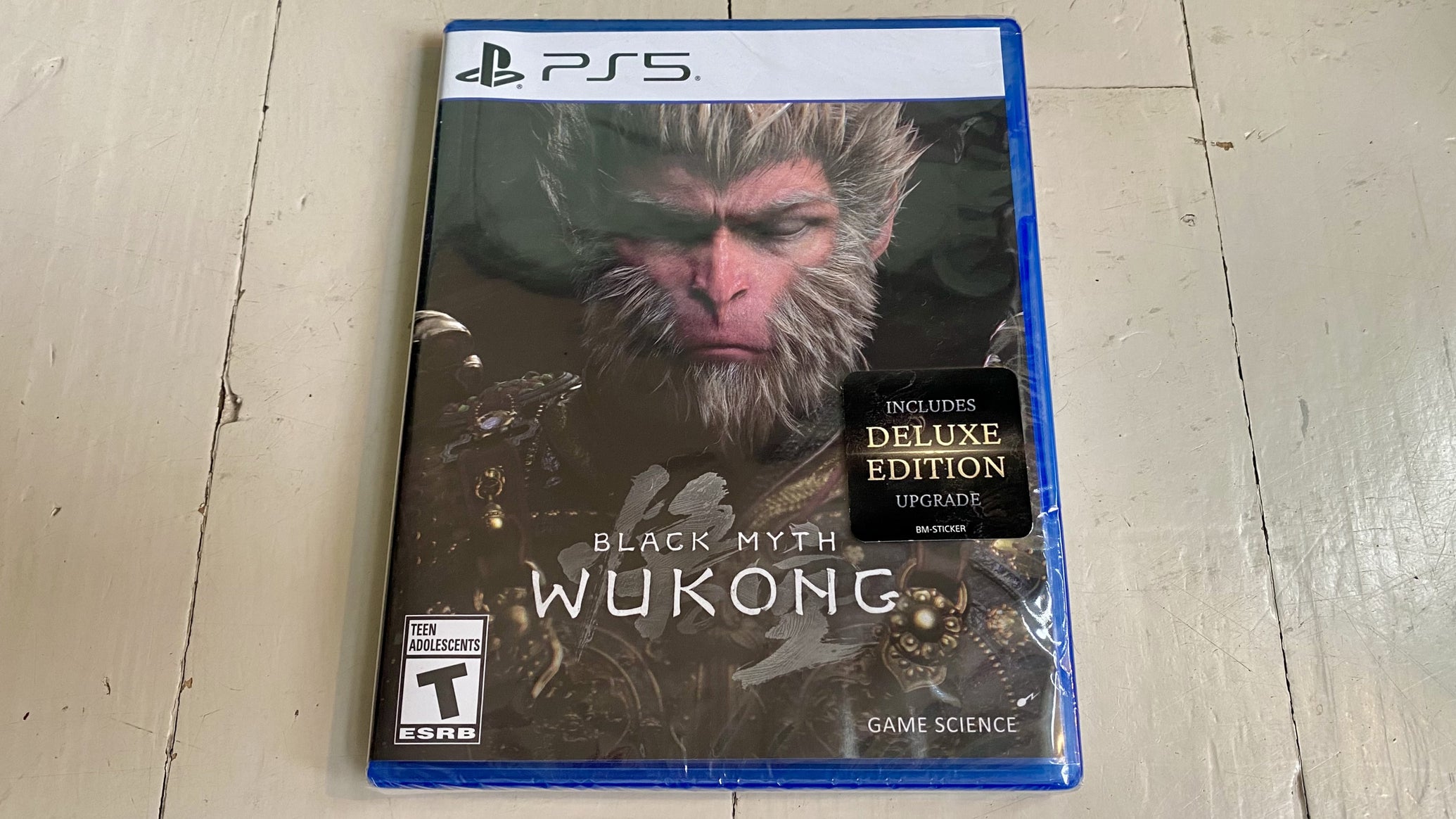
This bridge-building culminated in one of the most significant moments in the company’s recent history: the physical publishing of Black Myth: Wukong. When PM Studios took on the project, it was viewed as a massive gamble. The game was an unproven commodity with high production values, and the risks were substantial.
"I didn’t know it was going to be that big," Yum admits. "When it took off, yeah, it was quite an experience. I’ve never seen anything like that. That one title was so huge that it effectively covered everything else." The success of Black Myth: Wukong served as a proof-of-concept for PM Studios, demonstrating that there was still an immense, untapped appetite for high-fidelity, "AA-plus" titles, even when they emerge from non-traditional development hubs.

Supporting Data: The Retail Reality
While the industry narrative heavily favors digital distribution, the data from PM Studios suggests that the "death of physical" is not as uniform as analysts might suggest.
The market for physical media is bifurcated. On one end, there is a strong demand for titles aimed at younger players. For example, PM Studios published Bluey’s Quest For The Gold Pen, a title where physical sales accounted for roughly 80% of total revenue. This underscores a crucial demographic trend: parents often prefer physical copies of games for children, either for the collectibility, the ease of gifting, or the ability to share games among siblings.
Furthermore, there is a fervent "collector’s market" for indie hits. Even after a title like Animal Well receives a limited-edition digital-adjacent release, a mass-market physical version still sees significant interest. "The fans come back to support the physical version of the game," Yum notes. "The collectors are buying stuff."
This creates a paradox: while the volume of physical media may be shrinking relative to the total gaming market, the value of the physical object as a premium, collectible item is rising.

Official Responses and the Sony 2028 Mandate
The most significant headwind for the industry is Sony’s recent decision to sunset physical disc production by 2028. For a company built on the disc-based model, this is not just a policy change—it is a transformation of their core identity.
"It’s sad and devastating," Yum says. "My first games were on PlayStation, and I’m primarily a PlayStation player. But truthfully, I see a lot of the new generation of gamers buying digital copies." He observes that his own children, part of the "digital-native" generation, find the act of inserting a physical disc into a console to be a confusing, outdated concept.
Despite this, PM Studios is not folding its cards. Instead, they are evolving. The strategy is moving toward "code-in-a-box" solutions and premium, bundle-focused physical packages that emphasize the "fan service" and collector value of the IP. By focusing on what digital cannot replicate—tangible, high-quality merchandise paired with the game—they hope to keep the physical spirit alive in a digital-first era.
Implications: The Shift Toward the AA Market
As the physical market faces its twilight, PM Studios is diversifying its revenue streams, moving into full-scale publishing for AA titles. This involves taking on higher levels of financial risk to secure and shepherd larger projects, such as The Wolf Among Us 2.

"I told them [Telltale Games] that I can help invest and fund this game, and I could bring in my marketing team and production team operations to help finish the game in a timely manner," Yum says. This shift toward "AA" publishing—games that sit between the massive, multi-hundred-million-dollar "AAA" blockbusters and the smaller, lower-budget indie titles—is a strategic play.
According to Yum, AA games are currently the "sweet spot" for publishers. The market is saturated with indie titles, making discovery difficult, while AAA games are often too expensive to produce. AA games, however, offer high-quality, "flashy" visuals that catch the consumer’s eye while remaining within a manageable risk profile.
The Global Perspective: China’s Rapid Ascent
The future of the AA space, according to Yum, is inextricably linked to the rapid growth of the Chinese development scene. He points to the speed, hunger, and technical proficiency of Chinese studios as a disruptive force that the rest of the world must reckon with.
"They are setting the bar now," Yum says. "They’re making games way faster than everyone else, way cheaper than everyone else. So if the rest of the world doesn’t keep up with them, they’re going to take over."

This competitive pressure is forcing PM Studios to become more selective. They are focusing on projects with established IP, clear developer credibility, and strong wishlisting data to mitigate the risks inherent in the AA landscape.
Conclusion: A Future of Digital and Physical Synthesis
While the era of the physical disc may be winding down, the ethos of PM Studios remains focused on the player’s choice. The launch of their community platform, Panax, is the latest step in this evolution. By building a space for collectors to track their trophies and celebrate their libraries, they are attempting to codify the culture of gaming in a way that transcends the medium of the delivery.
As Yum concludes, the outcry over the potential loss of physical media is, at its heart, an outcry over the loss of agency. "People are very upset because you’re taking away a choice."
PM Studios, by continuing to champion the physical—even as they pivot toward a future of digital AA publishing—is positioning itself as the bridge between two worlds. Whether they are successful in maintaining the viability of the physical format remains to be seen, but their commitment to the "collectible" and the "tangible" ensures that for at least a few more years, the sound of a disc being inserted into a console will not yet be a thing of the past.

