

For most players, the primary draw of a major game update lies in the tangible changes: the shifting map layouts, the introduction of fresh characters, and the essential quality-of-life tweaks that smooth out the rough edges of competitive play. However, in the world of game development, there is a secondary, often overlooked medium of communication—the patch notes. While many developers settle for dry, utilitarian lists of bug fixes, Valve has long treated its update logs as canvases for creative expression. With its latest update for the highly anticipated MOBA-shooter Deadlock, Valve has once again proven that they are the undisputed masters of the "patch note experience."
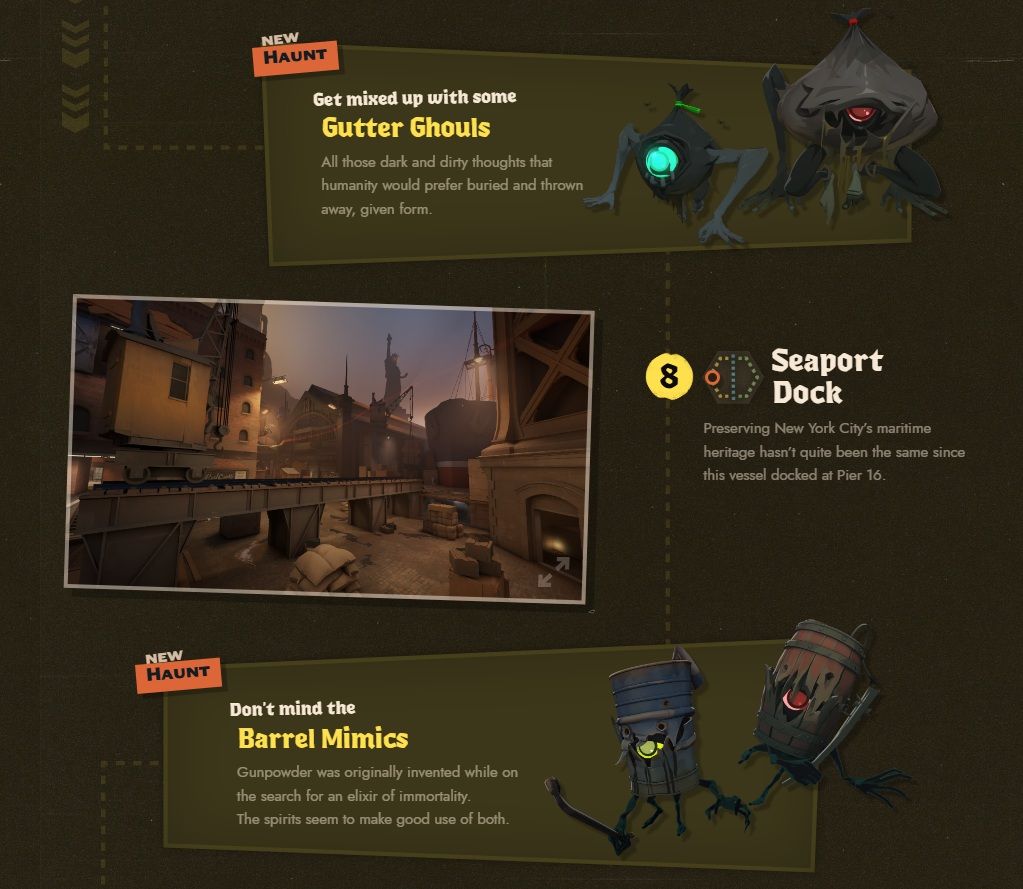
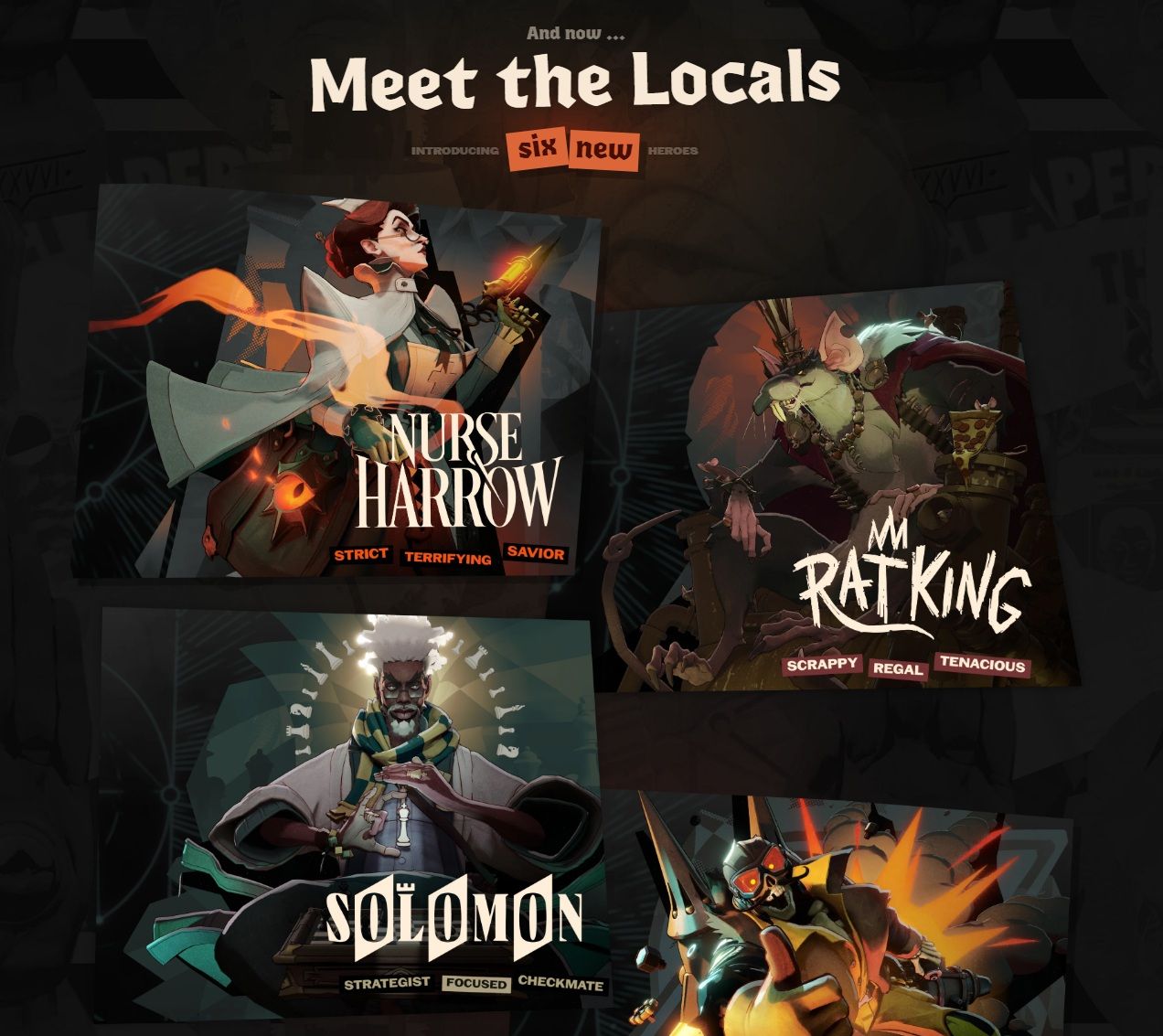
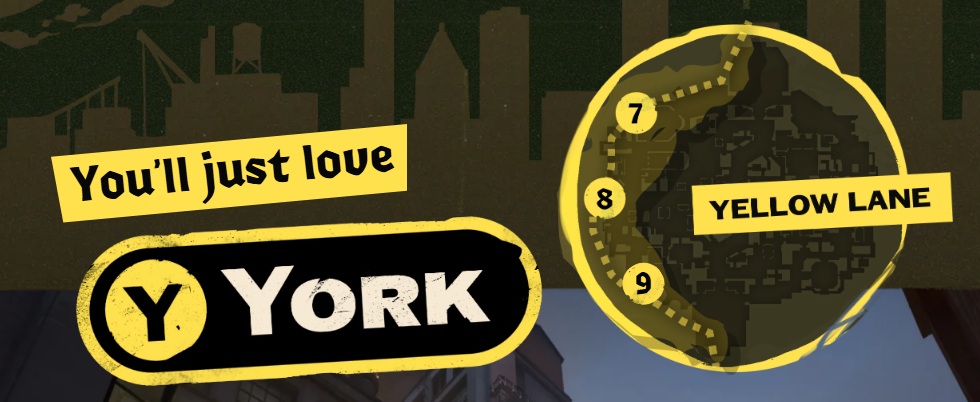
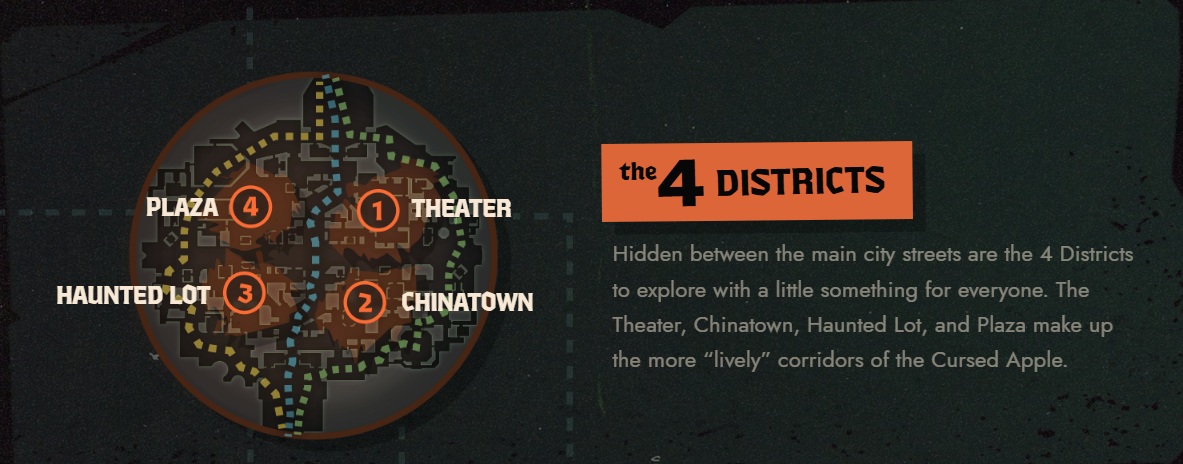
The "City Never Sleeps" update for Deadlock is not merely a collection of balance changes; it is a meticulously designed digital artifact. As players scroll through the vibrant, interactive page, they are guided through a reimagined New York City, complete with scenic stops across the game’s four core districts: Chinatown, the Theater, the Haunted Lot, and the Plaza. By blending in-world lore with technical documentation, Valve has crafted a presentation that reminds players not to take the competitive intensity of the game too seriously. It is a breath of fresh air in an industry often obsessed with the sterile, hyper-competitive nature of modern live-service titles.
The Evolution of the Valve Patch Note
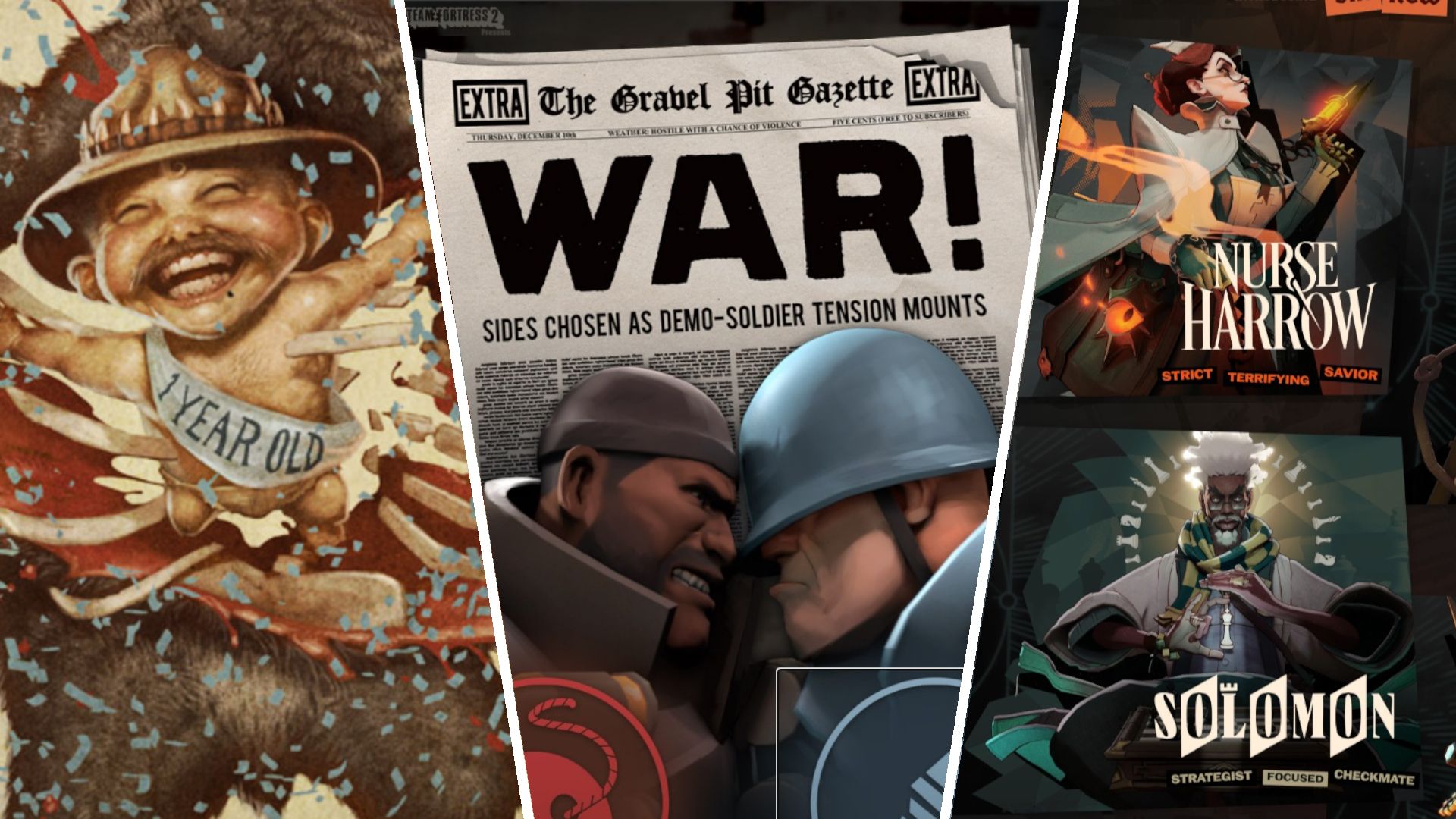
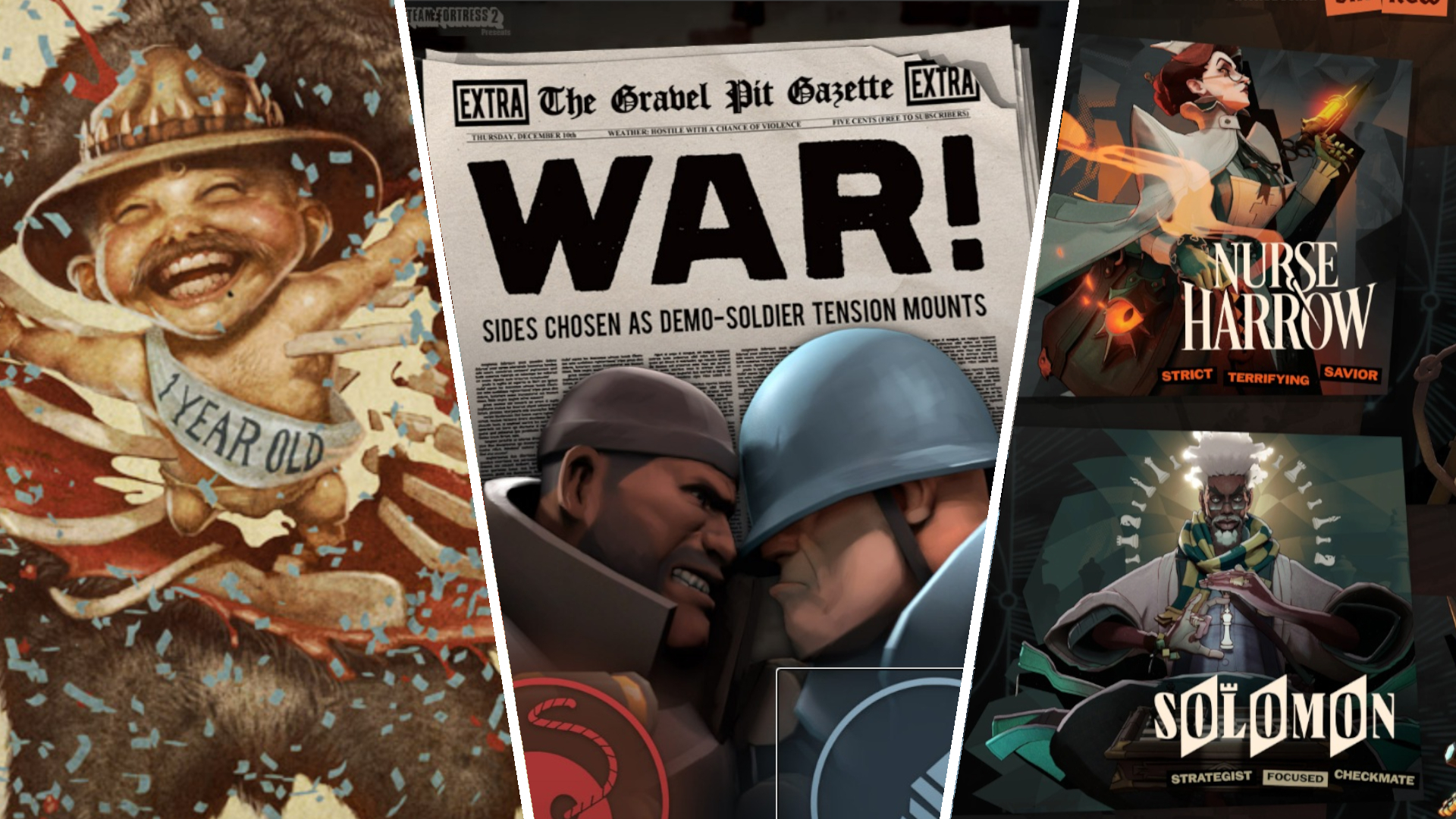
To understand why the Deadlock update feels so special, one must look back at the history of Valve’s communications. The company pioneered the concept of "story-driven updates" long before the term "live service" existed. In 2009, with the Team Fortress 2 (TF2) "WAR!" update—pitting the Soldier against the Demoman—Valve transformed the mundane act of releasing a patch into a community-wide event.

Before League of Legends had animated series and before seasonal battle passes became the industry standard, Valve was using TF2 to tell stories. They created a cast of nine distinct, eccentric characters and provided context for the maps players had been fighting on for years. Updates weren’t just about adding new weapons or hats; they were about advancing the conflict between the RED and BLU teams, turning every patch into a chapter in an ongoing saga.
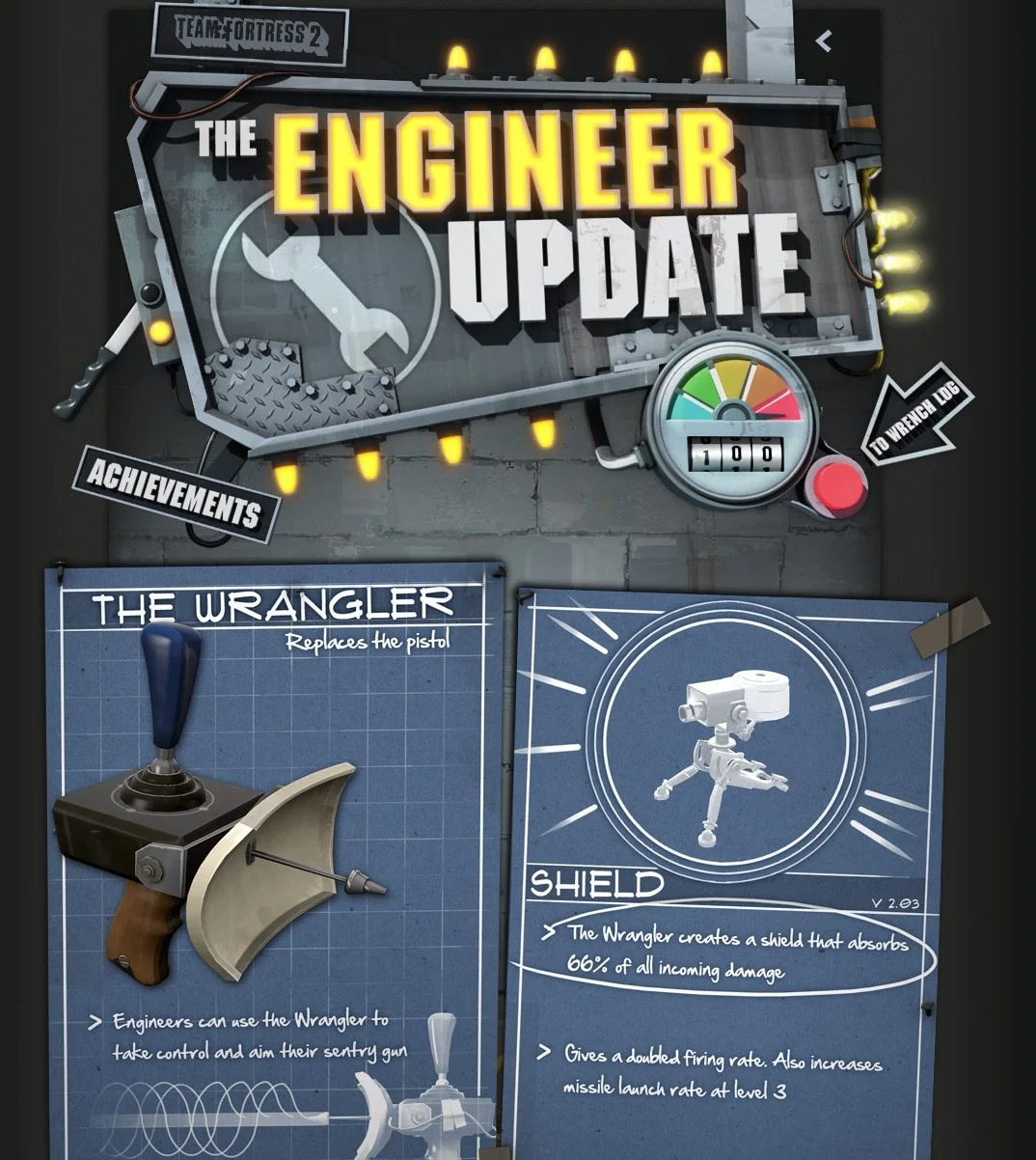
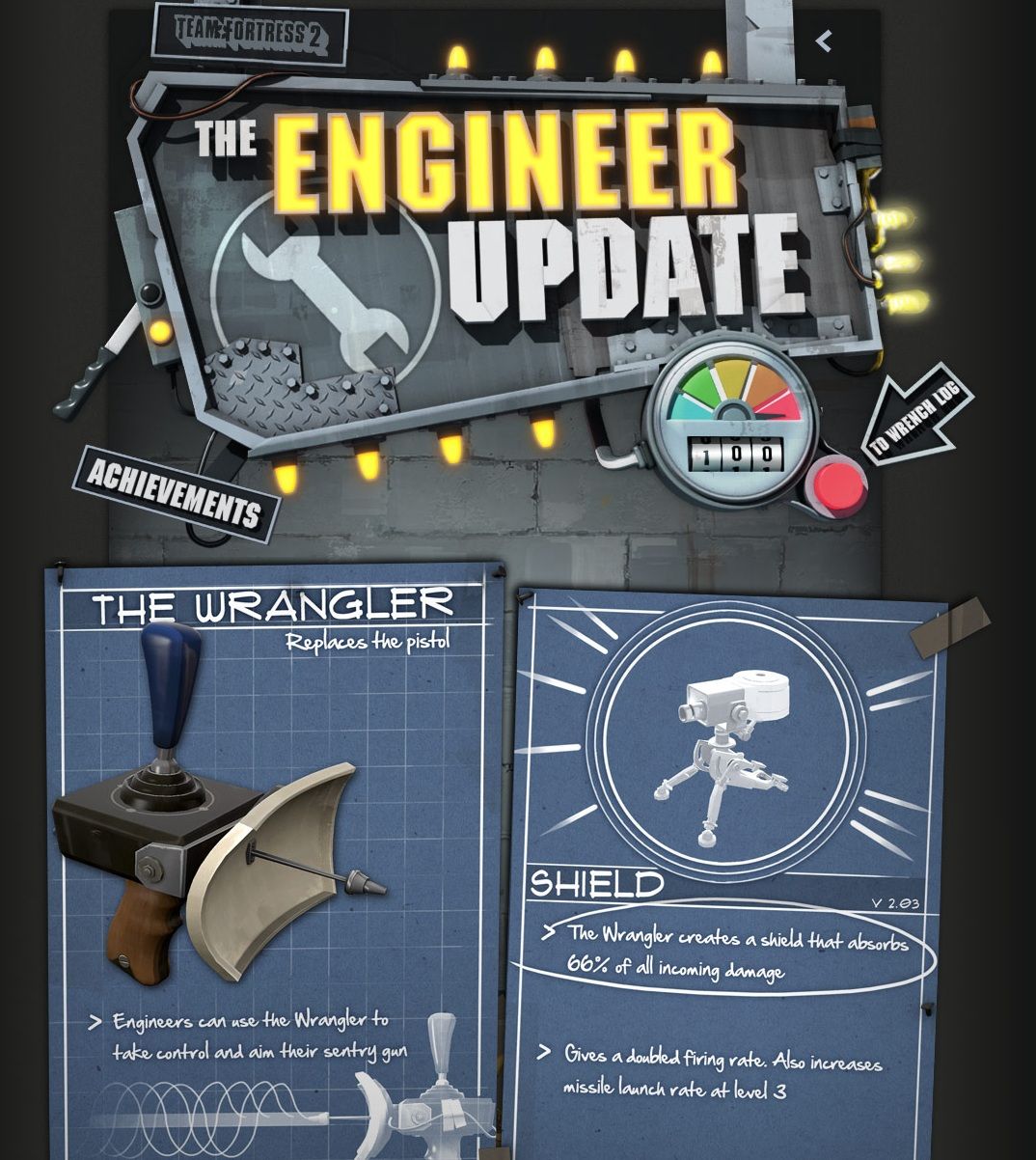
This era established the gold standard for post-launch support. Updates would drop late on a Thursday or Friday, hinting that the team had been obsessively polishing the content until the final second. The aesthetic of these announcements varied wildly—from hand-drawn blueprints for the Engineer’s "Gunslinger" to department store catalogs for the Scout’s "Force-A-Nature." By treating each update as a bespoke theatrical production, Valve fostered a unique connection with its player base.
A Chronology of Creative Communication
The history of these updates is essentially a timeline of Valve’s design philosophy. Looking back at the TF2 archives, it is clear that no two updates followed the same template:
- February 24, 2009 (The Scout Update): A milestone in gaming history, this update introduced the concept of a thematic, multimedia rollout, complete with custom lore and item debuts.
- December 17, 2009 (The WAR! Update): Perhaps the most famous of the lot, this update introduced a global tracker for kills between the Soldier and the Demoman, turning a balance patch into a competitive game in itself. The Soldier emerged victorious, tallying 6.40 million kills to the Demoman’s 6.37 million.
- June 10, 2010 (The Mac Update): In a brilliant display of self-awareness, Valve adopted the minimalist, white-space-heavy aesthetic of Apple’s marketing from the early 2000s, perfectly mirroring the corporate "style" of the era.
- July 8, 2010 (The Engineer Update): This update famously introduced the Wrangler and the Gunslinger, presented through the lens of technical blueprints and scrawled, handwritten notes.
- December 20, 2012 (The Mecha Update): This update leaned into the tropes of kaiju cinema and B-movie horror, signaling that Valve was willing to experiment with any genre to fit the TF2 universe.
Poring over these archives today feels like uncovering a lost civilization. In an age where most games are constrained by strict, formulaic roadmaps and the pressures of corporate transparency, Valve’s willingness to "go hard" on a simple blog post feels almost revolutionary.
Supporting Data: Why Presentation Matters
Why does this matter? For the modern developer, the patch note is a tool for transparency. For Valve, it is a tool for engagement. By investing in custom artwork, interactive maps, and narrative-heavy descriptions, Valve ensures that their players feel like participants in a living world rather than just users of a piece of software.
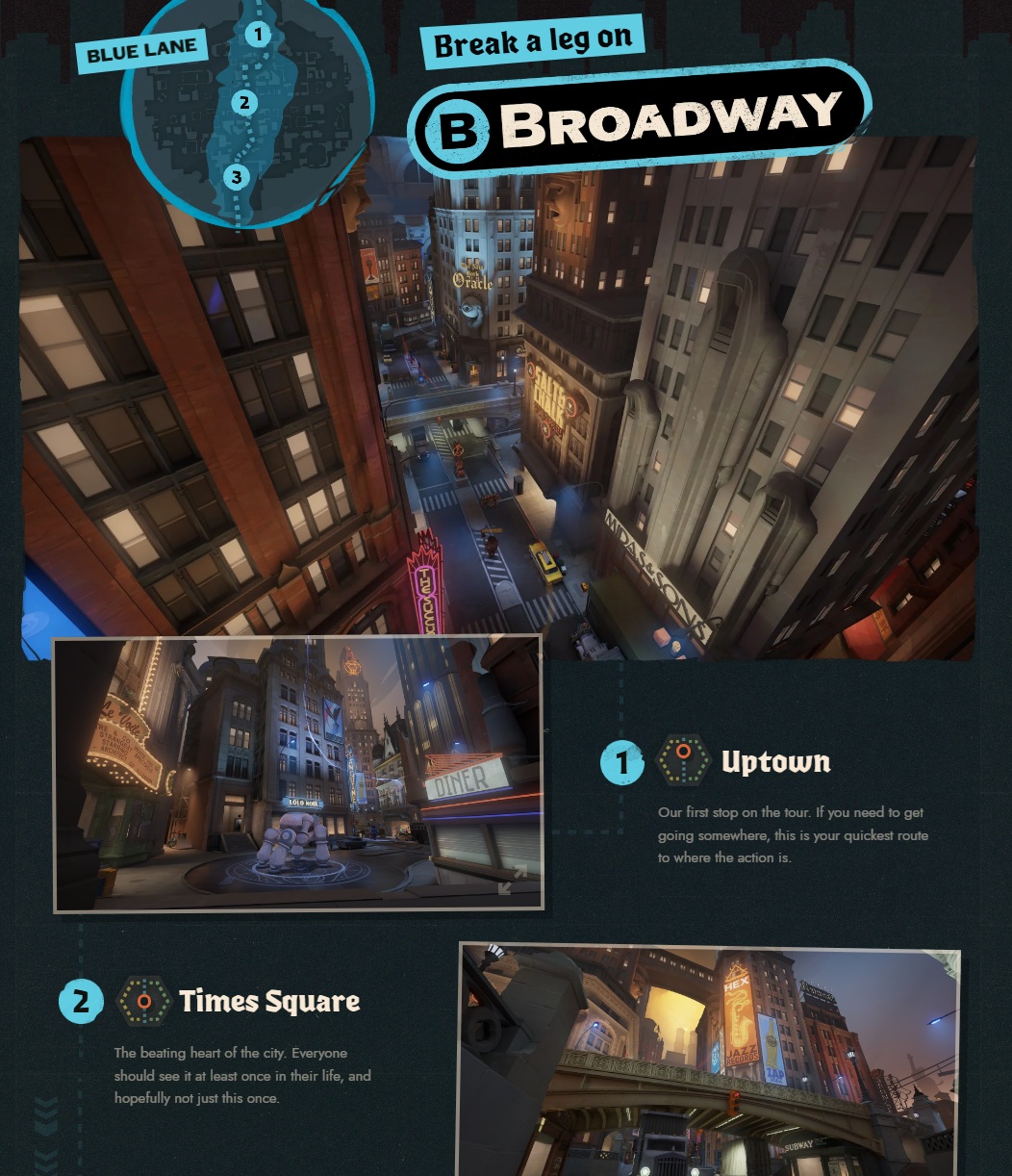
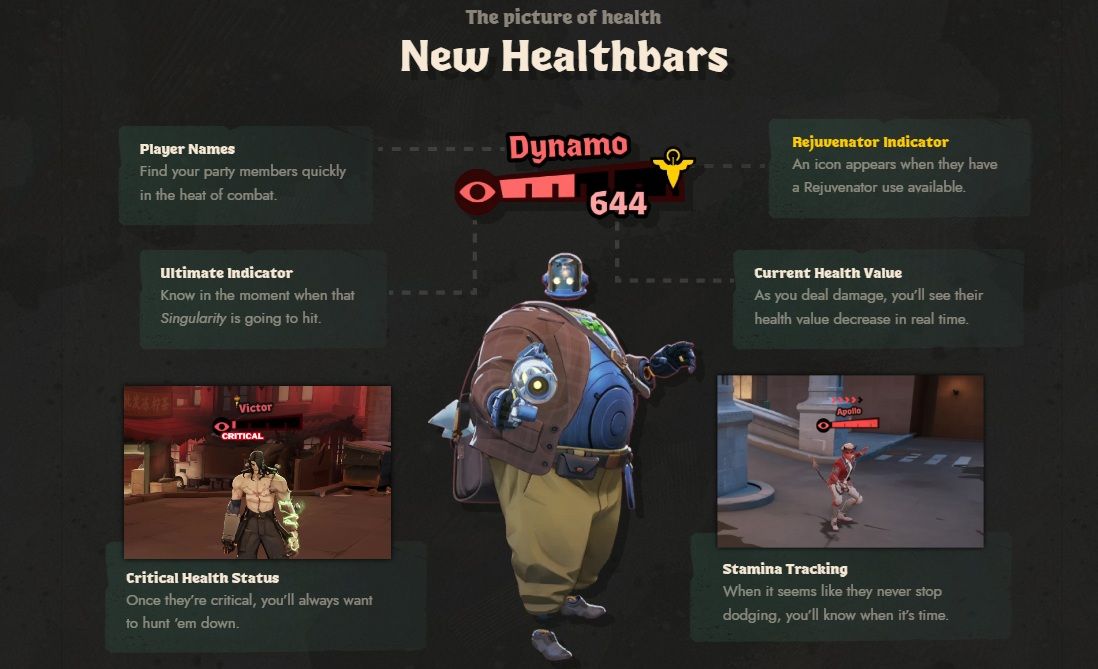
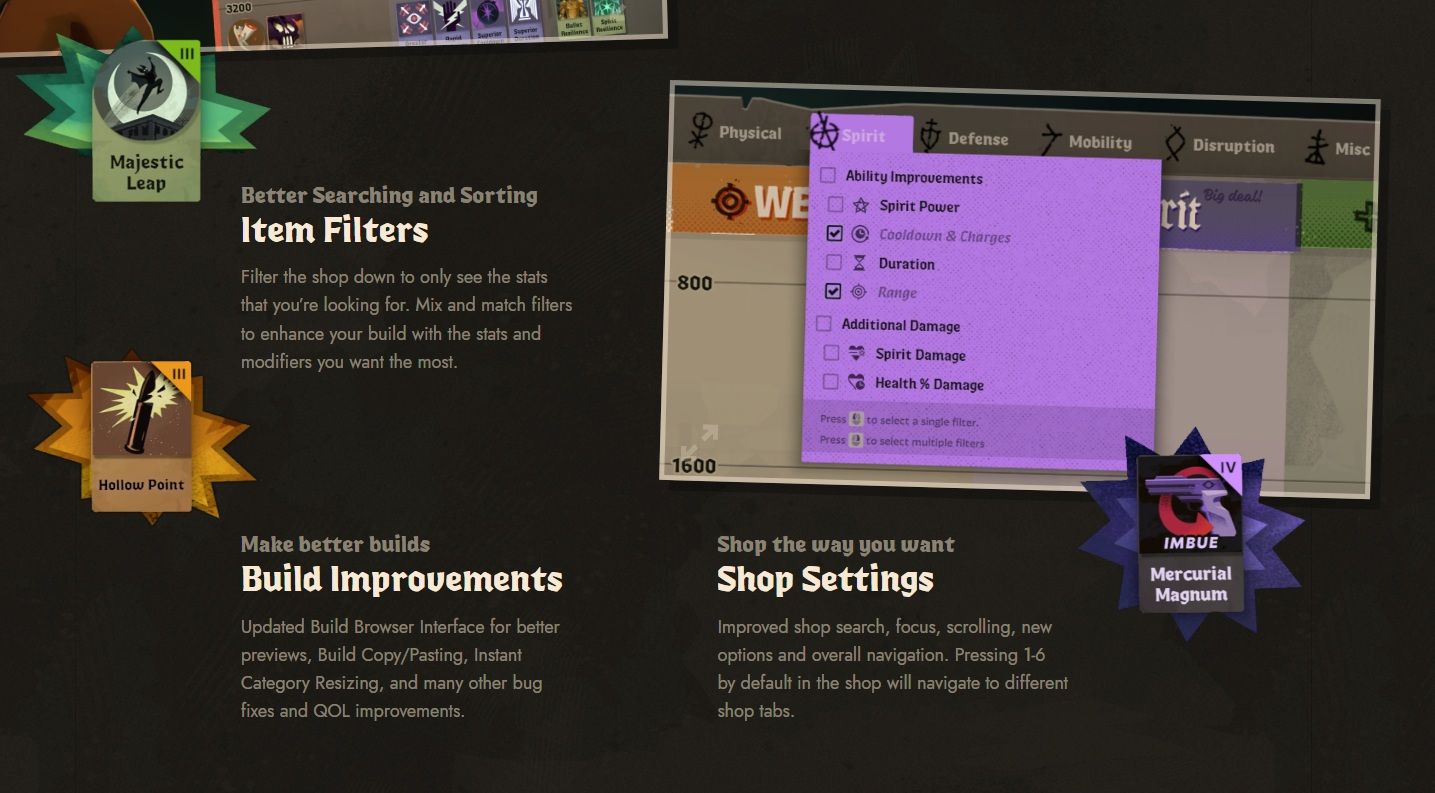
The Deadlock update utilizes a "dotted line" visual motif that leads the reader through the document, mirroring the sense of discovery one feels when exploring the game’s map. By stuffing the page with custom assets—artwork for items and mechanics that don’t appear anywhere else—Valve creates an "annoyingly good" presentation that makes the player want to engage with the game, even if they are typically averse to the MOBA genre.
The success of these updates is not just anecdotal. When studios treat their communities with respect and whimsy, the player base responds. Valve’s long-term success with Team Fortress 2—a game that has remained relevant for over 15 years—is directly tied to the personality they injected into the game’s development cycle.
Official Responses and Internal Philosophies
While Valve has moved toward more standard, functional patch notes for Counter-Strike 2 and Dota 2, the Deadlock update suggests a return to form. Critics and fans have often asked why Valve shifted toward more "regimented" updates in its other titles. The answer likely lies in the nature of those games. CS2 and Dota 2 are highly competitive, e-sports-driven titles where balance is paramount. In these environments, clarity often takes precedence over theater.
However, the team behind Deadlock seems to recognize that a new game needs a soul. By leveraging the "dormant TF2 energy," they are building a bridge between the old guard of Valve developers and the new generation. While the game’s inherent "sweat level"—the intensity required to play a competitive shooter-MOBA—is high, the humor in the patch notes acts as a necessary counterweight. It reminds players that, at the end of the day, they are playing a game designed to be fun.

Implications for the Future of Live Service
The resurgence of this style of communication carries significant implications for the broader industry. We are currently in an era defined by formulaic seasonal updates, games-as-advertisement platforms, and a general lack of distinct identity among multiplayer shooters.
When developers scramble to alter their plans based on the latest social media backlash, Valve’s confidence—the ability to simply drop a war between characters or a "Hatless Update" to make fun of their own monetization—stands out. The success of other titles like Helldivers 2, which has found massive success by using a reactive, narrative-driven approach to its live service, suggests that players are hungry for this kind of "theater."
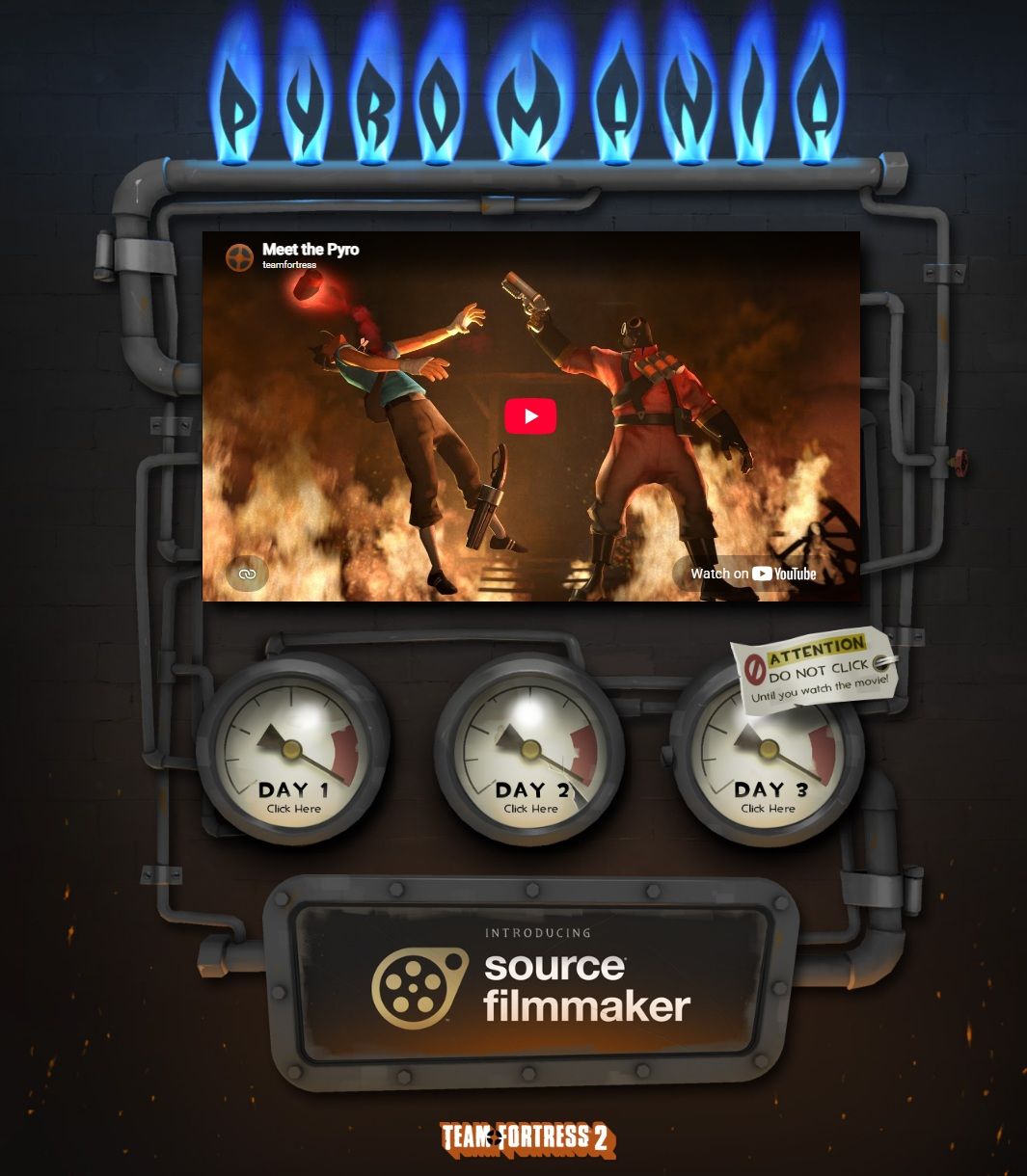
As for Deadlock, it remains to be seen if the game will eventually succumb to the same "low-nonsense" future that characterizes most professional-level MOBAs. But for now, the developers are treating the game with the same sense of wonder that defined the Team Fortress 2 era. Whether the game is a massive hit or a cult classic years down the line, one thing is certain: the patch notes will be a joy to read.
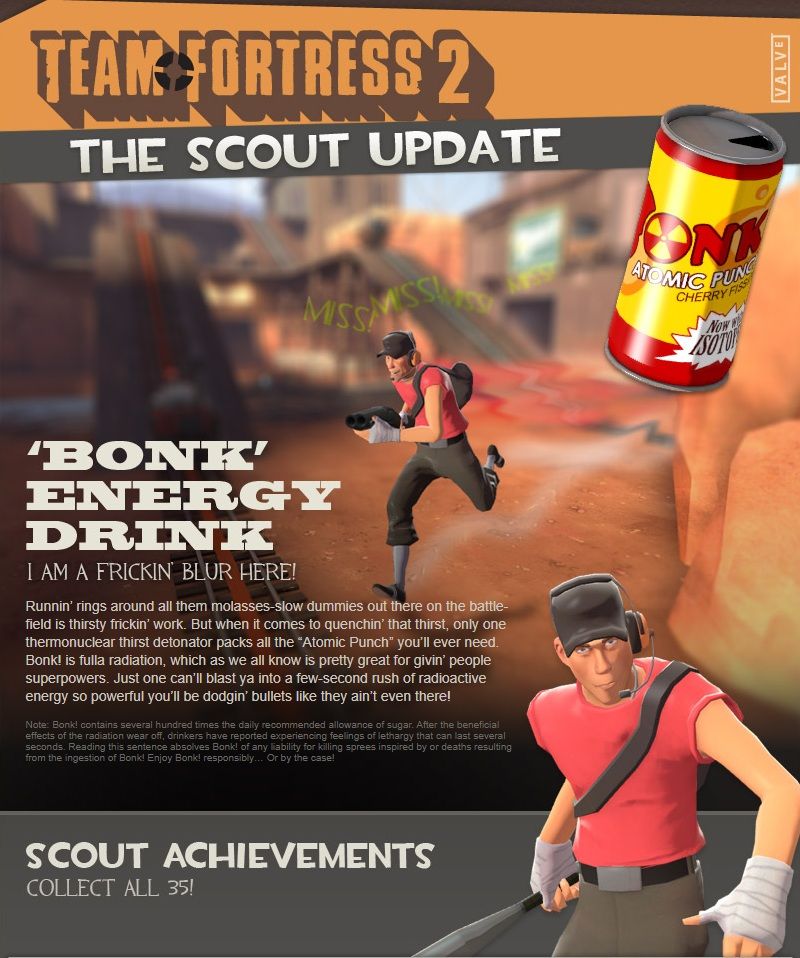
In a digital landscape that is increasingly uniform, Valve is once again showing that a little bit of flair goes a long way. They haven’t just updated a game; they have reminded us of what makes gaming culture special in the first place—the ability to be surprised, to laugh, and to feel like part of a story that is constantly unfolding. Welcome back, Valve patch notes. We’ve missed you.

