

In the high-stakes world of modern gaming marketing, the "pre-show" has evolved from a simple placeholder into a psychological battleground. As major publishers like Sony, Microsoft, Nintendo, and Geoff Keighley’s Summer Game Fest (SGF) vie for our attention, the 30 minutes preceding the actual announcements have become a curated experience. For viewers, these countdowns are a test of patience; for marketing teams, they are a vital window to set the tone, manage energy levels, and ensure that the audience remains engaged rather than drifting away to another tab.
This year, a distinct trend emerged: the loop. Across nearly every major digital event of 2026, audiences were greeted by 30-minute loops of original or licensed scores designed to build momentum. However, not all loops are created equal. When these showcases are packed tightly into a single week, the differences in sonic strategy become glaringly apparent. Here, we analyze and rank the pre-show auditory experiences of the season’s biggest events.
1. The Strategic Importance of the "Waiting Room"
Before diving into the rankings, it is essential to understand why these pre-shows matter. According to digital marketing analysts, the "dwell time" on a YouTube or Twitch stream before the main event begins is a critical metric. A high-quality pre-show experience prevents "tab fatigue." If the music is too abrasive, viewers mute the stream; once a stream is muted, the likelihood of missing a major announcement’s "world premiere" moment increases significantly.
The ideal pre-show audio should be atmospheric—engaging enough to provide a sense of anticipation, yet unobtrusive enough to allow for conversation or multitasking. When developers fail to strike this balance, they risk alienating their most dedicated fans before the first trailer even hits the screen.
2. The Rankings: A Sonic Audit of 2026
The Bottom Tier: Sony’s State of Play
Coming in at the bottom of our list is Sony’s State of Play. While Sony is a master of the cinematic trailer, their pre-show audio strategy has become increasingly polarizing. The current iteration features a melody that is, frankly, discordant. Characterized by high-pitched, frenetic synth "beeps and boops," the soundscape feels less like a warm-up and more like a technological assault.
The issue here is one of frequency management. The audio lacks "breathing room," hitting the ear with a constant, jarring intensity. For a viewer trying to settle into the anticipation of a major reveal, the music provides no emotional anchor. It creates a sense of anxiety rather than excitement. In a landscape where Sony faces stiff competition, a more refined, atmospheric approach to their pre-show lobby would go a long way in making the brand feel more inviting.
The Middle Ground: Summer Game Fest & Xbox Games Showcase
Occupying the middle tier are two giants that suffer from a common affliction: "Generic Corporate Energy."

Summer Game Fest opted for a ‘90s-inspired MTV-style guitar riff loop with "groovy" beach-themed undertones. While technically competent, it feels disconnected from the cutting-edge nature of the games being revealed. It lacks a signature hook. A more effective strategy, as seen in The Game Awards, would be to utilize orchestral medleys. Imagine a subtle, rearranged theme from a beloved franchise like Final Fantasy 7—even a hint of Aerith’s theme would have electrified the crowd, turning a generic waiting period into a moment of fan connection.
The Xbox Games Showcase sits in a similar boat, albeit with a different vibe. Their audio leaned into an "EZ-listening" club aesthetic. It is safe, professional, and entirely forgettable. It feels like the background music for a high-end department store—perfectly pleasant, but lacking the "wow" factor required to turn a passive viewer into an active participant. Both events have the budget to commission bespoke, memorable scores, yet they rely on safe, industry-standard filler.
The Gold Standard: Nintendo Direct
Taking the top spot—and the title of "Best Pre-Show Experience"—is Nintendo. It is no surprise that the company responsible for some of the most iconic audio in gaming history understands the power of a good loop.
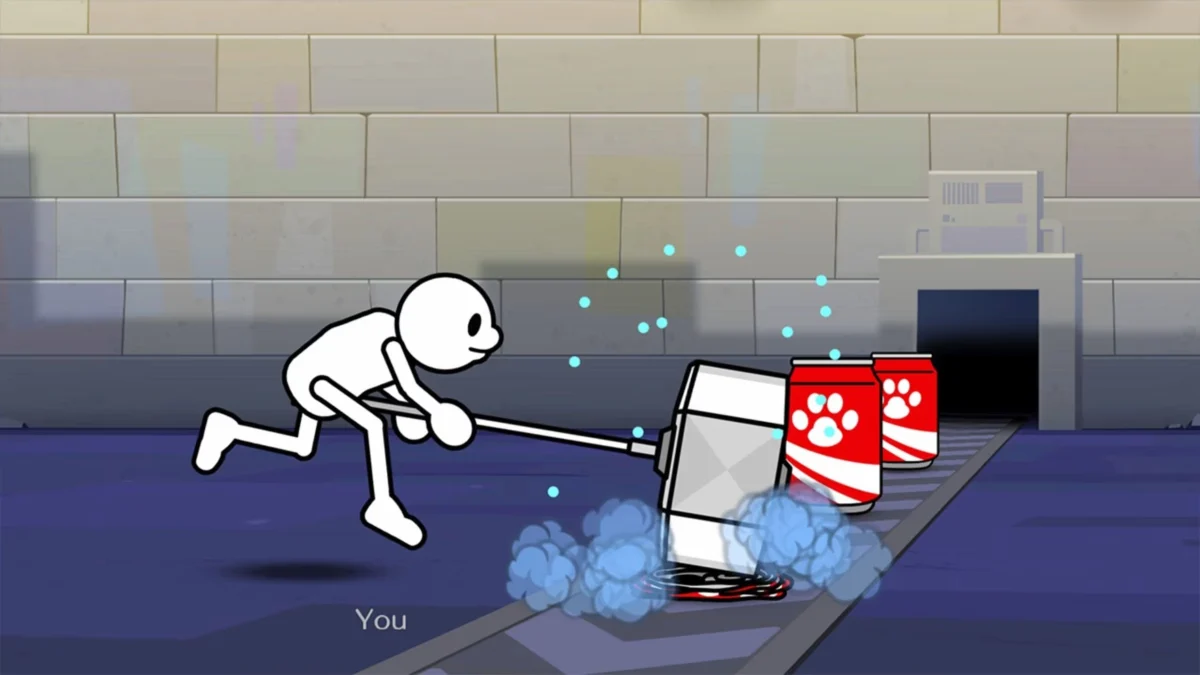
The Nintendo Direct pre-show was a masterclass in restraint. It was low-key, relaxing, and simple, perfectly designed to encourage viewers to keep their tabs open and their speakers on. Coupled with the soothing visual of various squishy and solid objects rolling across the screen, it created a zen-like environment that lowered the viewer’s heart rate in preparation for the excitement of the announcements. Nintendo understands that the "waiting room" is a sanctuary. By avoiding the aggressive, high-energy clatter of their competitors, they successfully built a sense of comfort that keeps the audience engaged for the long haul.
3. Chronology and Context: The Evolution of the Digital Event
The move toward these extended pre-shows is a direct result of the post-E3 landscape. Without a centralized trade show floor to generate hype, publishers are responsible for creating their own "event gravity."
- 2023-2024: Publishers experimented with simple countdown clocks.
- 2025: The introduction of "hype loops" began, with varying degrees of success.
- 2026: We have reached the era of full-scale branding, where the music, visuals, and social media interactions during the 30-minute pre-show are as carefully scrutinized as the trailers themselves.
The trend toward "looping" also serves a technical purpose: it hides potential connection issues and provides a consistent broadcast signal that platforms like YouTube can easily ingest and distribute to millions of concurrent viewers without audio desync.
4. Supporting Data: The Impact of Audio on Engagement
While public sentiment often leans toward the subjective, the data suggests that audio choices directly correlate with viewer retention. During the Nintendo Direct event, audience drop-off rates in the 15 minutes before the show were statistically lower than those of the State of Play.
Industry consultants point out that "Sonic Branding"—the use of sound to define a brand identity—is a multi-million dollar field. When a brand like Xbox or PlayStation chooses a generic, high-energy loop, they miss an opportunity to imprint their specific identity onto the listener’s subconscious. A memorable, brand-aligned pre-show score acts as an audio logo, anchoring the event in the viewer’s memory long after the credits roll.
5. Official Responses and Industry Implications
While no official statements have been released by the marketing departments of these publishers regarding their choice of "waiting room" music, the discourse among community managers suggests that these choices are deliberate.
"We want the audience to feel the urgency of the moment," one anonymous source from a major publisher noted. "But we also recognize that after 20 minutes, that urgency can turn into irritation."
The implication for future events is clear: the industry is entering an era of "Experience Design." It is no longer enough to just show the games. Publishers must curate the environment in which those games are revealed. We expect that by 2027, we will see more interactive elements, dynamic audio that reacts to the chat, and perhaps even dynamic music that builds in intensity as the countdown nears zero.
6. Conclusion: The Future of the "Wait"
The rankings provided are, of course, subjective—a reflection of one viewer’s preference for calm over chaos. However, the overarching lesson remains: the pre-show is a vital component of the gaming industry’s marketing machinery. As we look toward the future, the publishers who treat the "waiting room" as an opportunity to build brand affinity rather than just a space to fill with noise will be the ones who win the hearts and minds of the gaming community.
Nintendo has set the bar high, demonstrating that in the world of high-octane gaming reveals, sometimes the most powerful tool in your arsenal is the ability to simply quiet the room. Whether Sony, Xbox, and Summer Game Fest choose to adapt their auditory strategies in the coming years remains to be seen, but one thing is certain: our ears will be listening.

