

Main Facts: Reflecting on a Defining Milestone
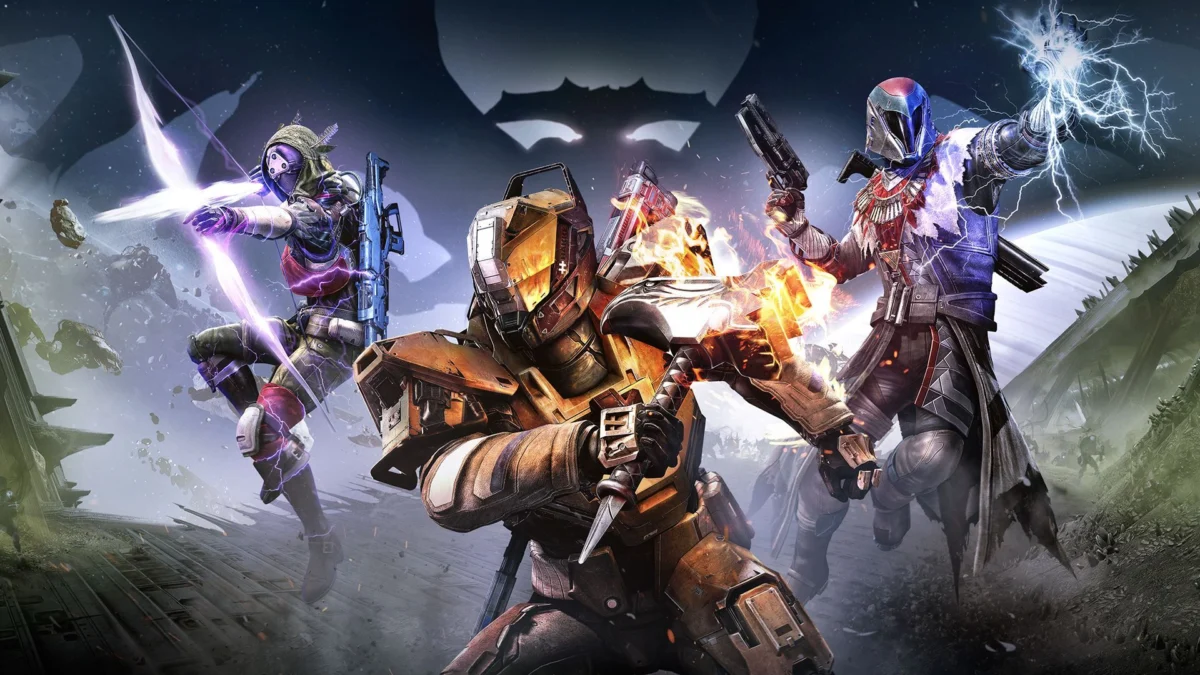
Eleven years after its historic release, Bungie’s watershed Destiny expansion, The Taken King, remains a foundational touchstone for both the developers who crafted it and the millions of Guardians who played it. The anniversary drew a poignant reflection from former Bungie studio vice president Mark Noseworthy, who took to social media to share his thoughts on the project. Noseworthy, who parted ways with the studio amid widespread corporate restructuring and layoffs in 2024, identified The Taken King as the absolute pinnacle of his tenure in game development.
Released in September 2015, The Taken King arrived at a precarious time for Bungie. The original Destiny launched in 2014 with immense hype, massive publisher backing from Activision, and a sky-high budget, but it suffered from narrative incoherence, thin endgame content, and baffling progression loops. The Taken King fundamentally altered that trajectory, introducing a compelling cinematic story spearheaded by the vengeful Hive deity Oryx, a revitalized progression system, refined buildcrafting mechanics, and the iconic King’s Fall raid.
Noseworthy’s recent commentary underscored the internal philosophy that birthed the expansion: "We knew Destiny 1 was so close to great; it was just missing some ingredients and a different preparation. ‘I love playing Destiny. I hate that it’s not better’ was our mantra while making [The Taken King]." This candid admission encapsulates the complicated, emotionally resonant relationship that both creators and players have maintained with the franchise over its turbulent, decade-long lifespan.
Chronology: The Evolutionary Timeline of Destiny
To understand the enduring impact of The Taken King, it is essential to trace the chaotic timeline of the Destiny franchise, which has swung wildly between historic triumphs and systemic near-death experiences.
- September 2014 – The Rocky Genesis: Destiny launches globally. While the gunplay is universally praised as best-in-class, the game is heavily criticized for its cut-and-paste campaign, lack of matchmaking for high-tier activities, and an inscrutable loot economy.
- September 2014 – The Vault of Glass Breakthrough: The release of the franchise’s first raid, the Vault of Glass, provides the community with its first taste of what Destiny could truly achieve, heavily galvanizing the player base and establishing the game’s raiding culture.
- December 2014 & May 2015 – Early Growing Pains: The release of early expansions, The Dark Below and House of Wolves, introduces localized story beats and activities but fails to fundamentally cure the game’s core structural ailments.
- September 2015 – The Turning Point (The Taken King): Destiny 1’s Year 2 kicks off with The Taken King. It wipes away antiquated leveling systems, introduces voiced dialogue for the Guardian protagonist, retools subclasses with exciting new supers, and delivers a fully realized, cohesive campaign. It saves the franchise from early obsolescence.
- September 2017 – The Sequel Cycle and Relearning Lessons: Destiny 2 launches, repeating several mistakes of the original game’s infancy—most notably stripping away endgame depth, fixed weapon rolls, and the meaningful progression systems that The Taken King had spent years perfecting.
- September 2018 – History Repeats with Forsaken: Facing an identical existential crisis to 2015, Bungie releases Forsaken, an expansion structurally modeled after The Taken King. It rescues Destiny 2 from critical and commercial stagnation, introducing the sprawling Dreaming City and a darker, revenge-driven narrative.
- 2020–2024 – The Light and Darkness Saga Peaks and Concludes: Bungie delivers critical darlings such as The Witch Queen and the ultimate conclusion of the ten-year arc, The Final Shape.
- 2024–Present – The Wind-Down: Following corporate layoffs and shifting company priorities toward projects like Marathon, active content development for Destiny 2 winds down, leaving the game in a preserved, static state.
Supporting Data: The Anatomy of an Expansion and the "Fixer" Paradox
The Taken King did not merely add content; it established a diagnostic framework that would define Bungie’s development cycle for years to come. In the gaming industry, expansions are typically measured by the breadth of their new sandboxes, the hours of campaign play they provide, and the volume of loot they introduce. However, Destiny expansions historically carried an additional, heavier burden: acting as institutional repair kits.
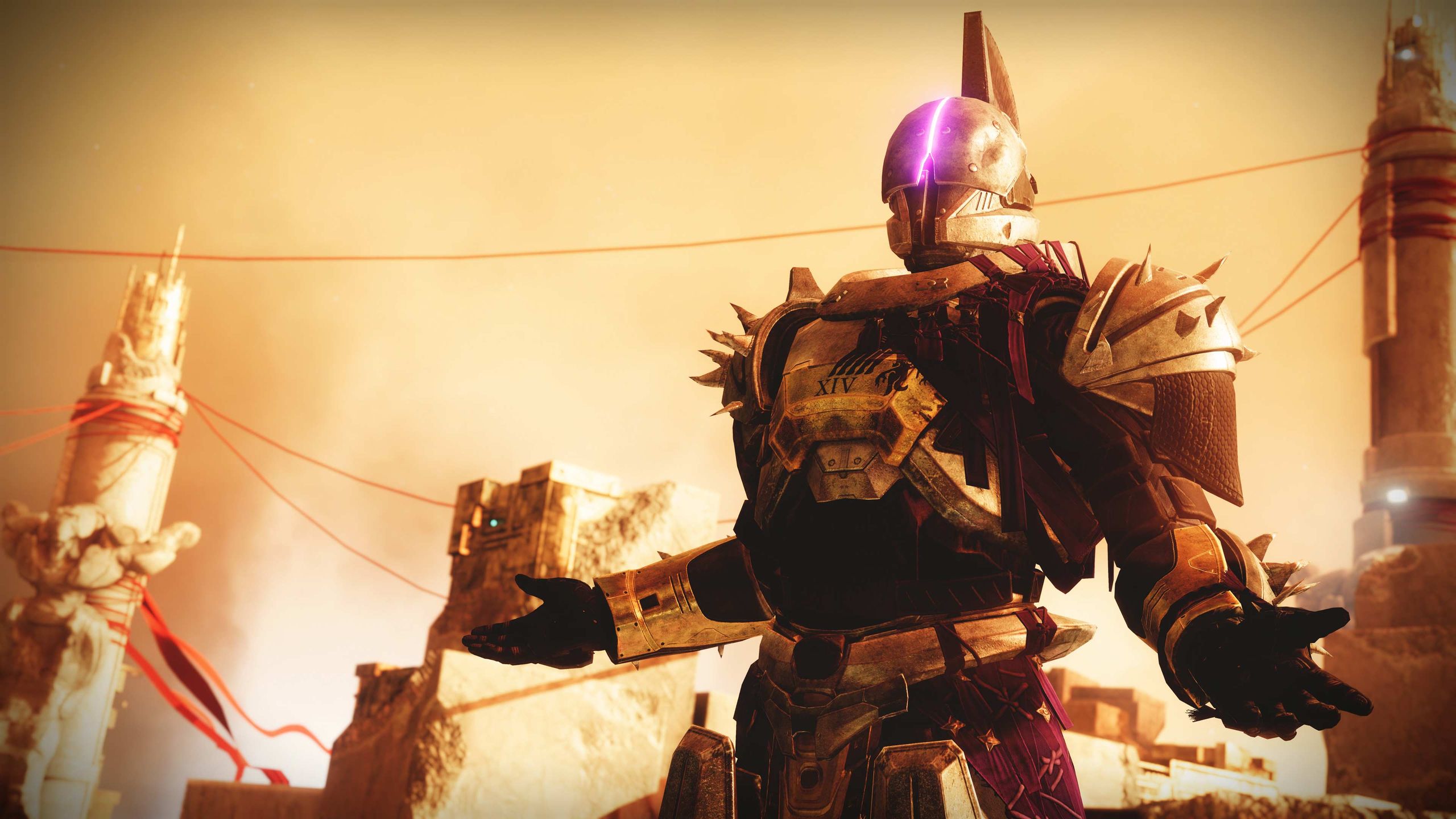
When analyzing the major milestones in the franchise’s history, a clear pattern emerges regarding content reception and structural health:
| Expansion Name | Release Year | Primary Theme/Antagonist | Primary Legacy in Franchise History |
|---|---|---|---|
| The Dark Below | 2014 | Hive (Crota) | Minor content drop; established the pattern of Hive-centric lore depth. |
| House of Wolves | 2015 | Fallen (Skolas) | Introduced Prison of Elders; improved cooperative economies. |
| The Taken King | 2015 | Hive/Taken (Oryx) | The Blueprint. Rescued Destiny 1, overhauled progression, and set the gold standard for raids. |
| Destiny 2: Forsaken | 2018 | Scorn/Fallen (Uldren) | The Sequel Savior. Solved Destiny 2’s launch identity crisis through deep secrets and expansive design. |
| The Witch Queen | 2022 | Hive (Savathûn) | Widely regarded as a narrative high-water mark with a legendary campaign difficulty option. |
| The Final Shape | 2024 | The Witness | The emotional and mechanical climax of the ten-year Light and Darkness saga. |
This data highlights a recurring cycle: Bungie launches a foundational product with ambitious ideas that occasionally outstrip technical execution or player engagement loops. A subsequent crisis ensues, followed by a massive, paradigm-shifting expansion that resets player goodwill.
The phrase "I hate Destiny, it’s my favorite game" transformed from a sarcastic community joke into an anthropological truth of the live-service era. It spoke to a player base addicted to the peerless, fluid gunplay and universe-building, yet routinely frustrated by cyclical regression. Expansions like The Taken King and Forsaken served as "fixers"—content drops whose primary job was not just to expand the borders of the game world, but to surgically repair the foundational plumbing that had broken down elsewhere.
Official Responses and Developer Perspectives
Mark Noseworthy’s reflections shed light on the intensely personal nature of game development at Bungie, particularly during an era when the studio was navigating uncharted waters as an independent-minded powerhouse tethered to publishing agreements and high-pressure release windows.
When Noseworthy and fellow senior leaders departed Bungie amidst sweeping, highly publicized layoffs that affected over 220 employees, it marked the end of an era for the studio. Developers who had poured decades of their professional lives into building the mythos of the Guardians suddenly found themselves looking in from the outside.
In public statements and post-departure reflections, former staff members have frequently emphasized the emotional weight of watching the franchise evolve. The mantra quoted by Noseworthy—"I love playing Destiny. I hate that it’s not better"—was not born out of cynicism, but out of an acute, relentless perfectionism. The team recognized that the core mechanical loop of Destiny—the way a hand cannon snapped to a target, the weight of a Titan shoulder charge, the ethereal music of Michael Salvatori—was generationally good. Yet, surrounding that gem were structural friction points: inventory management headaches, grind-heavy loops, and narrative pacing issues that continuously threatened to obscure the brilliance beneath.
Implications: The End of an Era and the Final State of the Universe
The anniversary of The Taken King arrives at a bittersweet time for the community. With active development on Destiny 2 winding down as Bungie shifts its institutional focus toward its upcoming extraction shooter, Marathon, the era of waiting for the next great "fixer" expansion has come to an end.
For years, the community operated on a rhythmic cycle of hope and remediation. Whenever Destiny 2 hit a dry spell or a seasonal model grew stale, players looked toward the horizon, wondering if the next major drop would be the one to finally turn the corner permanently.
Now, the corner will never be turned again. Destiny 2 sits in a preserved state—its final updates having smoothed out the edges, excised predatory FOMO (Fear Of Missing Out), unlocked long-requested rewards, and made vast swaths of legacy content accessible. It is, by many metrics, the most stable and feature-complete version of the game to ever exist. Yet, it is also a finished monument. The engine of constant iteration, the frantic pre-launch crunch, and the desperate races to build expansions that could single-handedly rescue the studio’s flagship IP are chapters that have closed.
As the industry looks back at The Taken King eleven years on, its legacy extends far beyond its specific campaign missions or nostalgic weapons like the Ace of Spades or Gjallarhorn (which saw its legendary meta-reign defined during this era). It stands as a testament to the high-stakes, iterative nature of live-service game design—a reminder of what can happen when a passionate development team listens to its community’s deepest frustrations and channels them into a masterclass of interactive storytelling and world-building.
Even as the Guardians hang up their cloaks, marks, and bonds for good, the echo of The Taken King’s development philosophy remains a defining blueprint for modern multiplayer game design: brilliant, flawed, relentlessly ambitious, and forever striving to be better.

