


For decades, the Massive Multiplayer Online (MMO) genre has been defined by a fundamental social paradox: the necessity of coordination. To experience the pinnacle of content—the raid—players have historically been forced to align their personal lives with the schedules of dozens of strangers, manage complex guild hierarchies, and navigate the inherent frustrations of human unpredictability.
Erenshor, the ambitious solo-developed project by Burgee Media, is effectively dismantling that barrier. By creating a simulated world where the "other players" are sophisticated, computer-controlled NPCs known as "simplayers," the game offers the depth and nostalgia of early-2000s classics like EverQuest without the social friction. With the recent arrival of the "Planar March" update, Erenshor has officially integrated the raid experience, marking a watershed moment for the title and a bold experiment in solo-player game design.
Main Facts: The Planar March Update
The "Planar March" update, which dropped last Monday, represents the most significant expansion to the game since its early access launch. For a game that prides itself on capturing the spirit of a bygone era of MMORPGs, the addition of end-game raiding is both a technical achievement and a thematic milestone.
The update introduces:
- Four Distinct Raid Zones: Tailored environments designed to challenge players with high-stakes encounters.
- 21 New Bosses: Each featuring unique mechanics, loot tables, and difficulty scaling.
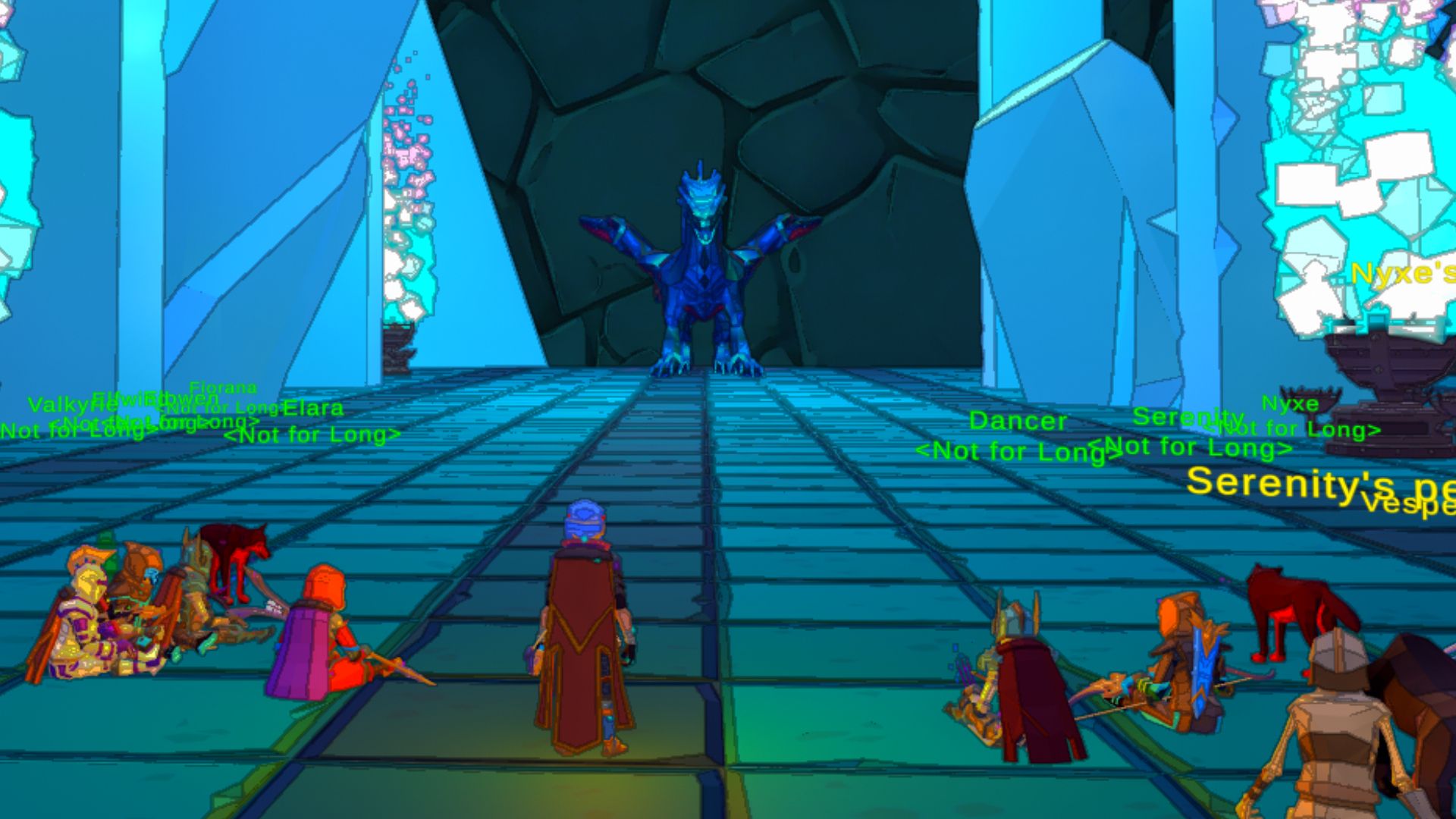
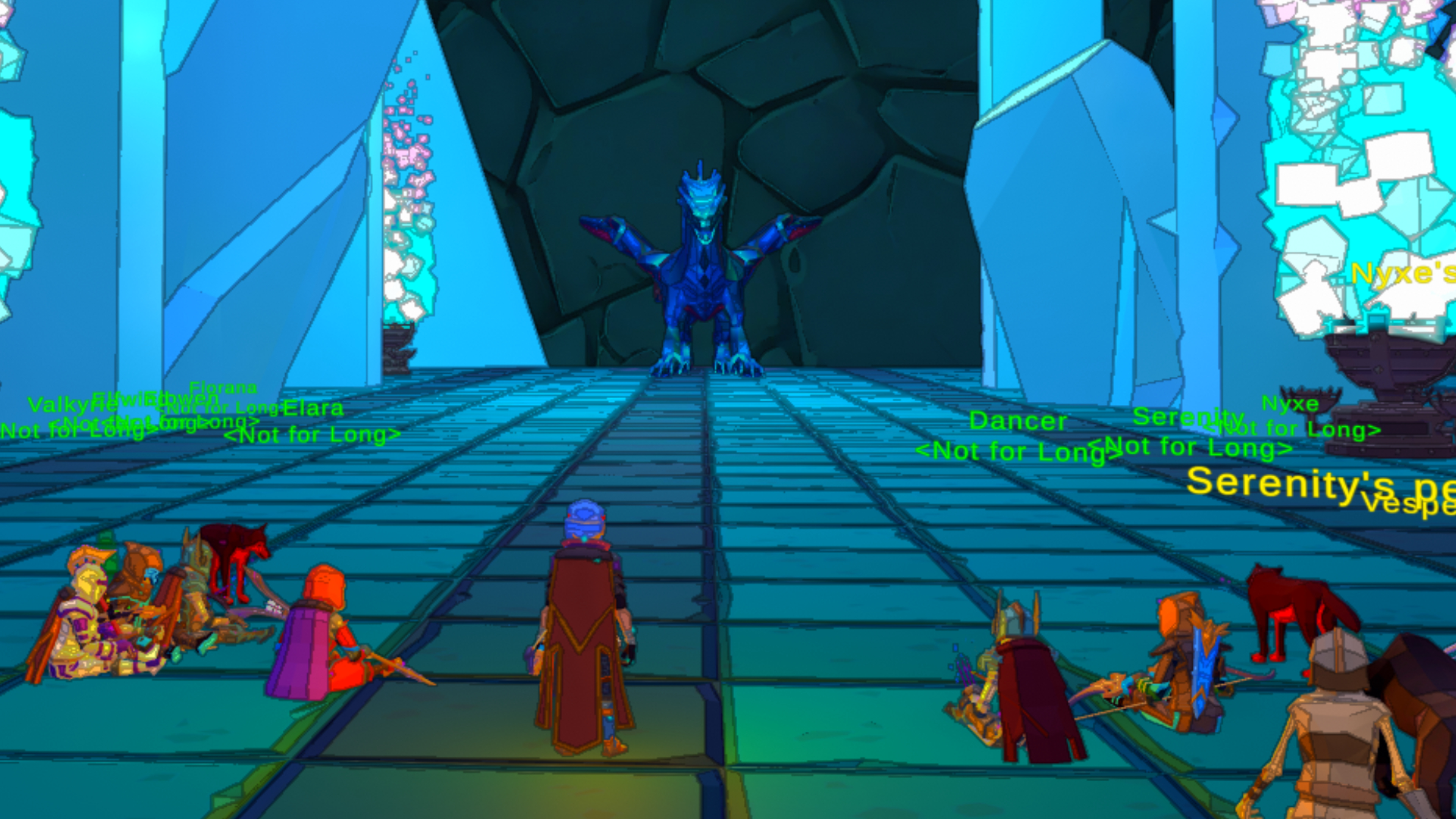
- Automated Guild Management: A streamlined system allowing players to assemble raid teams via the guild menu, which deploy instantly upon entering an instance.
- Zero Downtime Scheduling: By replacing real humans with AI-driven "simplayers," the game eliminates the "pizza delivery" breaks, gear repair AFKs, and logistical nightmares that typically plague organized raiding.
The result is a curated, high-end experience that allows a single user to engage in the complex, strategic combat of a 40-man raid without needing to join a Discord server or commit to a weekly raiding schedule.
A Chronology of Development: From Concept to Raid
The path to this update was not paved with ease. For solo developer Brian, the implementation of raids was a daunting prospect that loomed over the project’s development cycle.
The Intimidation Phase
During the initial development of Erenshor, the inclusion of raids was an aspiration rather than a certainty. The challenge lay in programming AI that could replicate the nuanced roles of a traditional MMO party—tanks holding aggro, healers managing mana, and DPS players navigating complex mechanics—within an environment that felt authentic to the "old-school" MMO aesthetic.
The "Shadow" of Implementation
In his reflections on the Steam community blog, Brian noted that the mere concept of raiding felt like an "intimidating shadow." Creating an AI system that could handle the high-pressure environment of a raid required a complete rethinking of how his NPC "simplayers" interacted with the world and each other.
The Community Sprint
The final push to the "Planar March" release was characterized by intensive community testing. By leveraging a dedicated group of early adopters, Burgee Media was able to stress-test the new AI scripts, ensuring that the 21 new bosses were not just challenging, but fair. The result was a successful launch that, according to the developer, stands as the most critical day for the game since its debut.
Supporting Data and Technical Context
Erenshor currently holds a "Very Positive" rating on Steam, with 94% of user reviews praising its commitment to the classic MMO experience. This high level of player satisfaction is rooted in the game’s unique architecture.
The "Simplayer" AI Architecture
Unlike standard single-player RPGs where NPCs are scripted to follow linear paths, Erenshor’s simplayers possess a degree of autonomy. They inhabit the world alongside the player: they loot gear, they level up, they form their own guilds, and they have opinions on the player’s performance.
When a player enters a raid, the "guild menu" acts as the primary interface for coordination. Because these NPCs are persistent entities, they bring their own equipment and historical progression into the instance, making the raid feel like a true collective effort rather than a solo player commanding mindless minions.
Accessibility and the Casual Market
The game effectively targets the "MMO casual" demographic—players who grew up in the era of EverQuest and Ultima Online but no longer have the 20-to-30 hours per week required to remain competitive in modern live-service titles. By stripping away the social overhead while maintaining the mechanical difficulty of the genre, Erenshor offers a "best-of-both-worlds" scenario: the prestige of raiding without the social tax.
Official Responses: A Developer’s Perspective
In the wake of the update, the feedback from the community has been overwhelmingly supportive, providing validation for the long, "late nights" the developer spent refining the AI.
"When I promised raids, I had no idea how the heck I was going to implement it," Brian wrote in his release statement. The developer’s transparency regarding the difficulty of the task has fostered a deep sense of trust between the creator and the player base. This collaborative atmosphere is a hallmark of successful indie development, where the feedback loop between the player and the developer is tight and responsive.
The developer has emphasized that the "Planar March" is not just about adding new content; it is about proving that the simulation model can handle the most complex requirements of the MMO genre. By successfully executing this, Erenshor has set a new benchmark for what is possible in solo-developed, simulated-world gaming.
Implications: The Future of the "Solo-MMO" Genre
The success of Erenshor signals a potential shift in the gaming landscape. As modern MMOs struggle to balance player retention with the increasingly busy lives of their audiences, the "simulated-social" model provides an intriguing alternative.
Preserving the "Glory Days"
Erenshor taps into a potent vein of nostalgia. By replicating the "glorious grinding" and the punishing difficulty of pre-WoW MMOs, it allows veterans of the genre to revisit the feelings of danger and discovery that defined their early gaming years. It proves that the "hardcore" experience does not necessarily require other humans—it requires well-designed obstacles and a world that feels alive.
The Potential for Scalability
If Erenshor continues to thrive, we may see a surge in "offline-MMO" or "single-player MMO" titles. The ability to play a massive, persistent, and mechanically deep game without the toxicity of chat rooms or the frustration of "ninja-looting" is a significant value proposition.
Long-term Challenges
The primary challenge for Erenshor moving forward will be content sustainment. In a traditional MMO, content is infinite because players generate their own social experiences. In a simulated world, the developer must constantly iterate on the AI and the world-state to keep the experience fresh.
However, for now, the "Planar March" update stands as a triumph. It invites players to step back into the shoes of a hero in a world that doesn’t care if you’re late for a meeting, but will absolutely punish you if you don’t bring the right strategy to the dragon’s lair. It is a bold, nostalgic, and undeniably effective bridge between the past of the genre and a potentially lucrative future.
Whether you are a jaded veteran of the 2000s or a newcomer curious about the roots of the genre, Erenshor offers an experience that is rare in the modern gaming market: a grand adventure that respects both your time and your desire for a challenge.

