

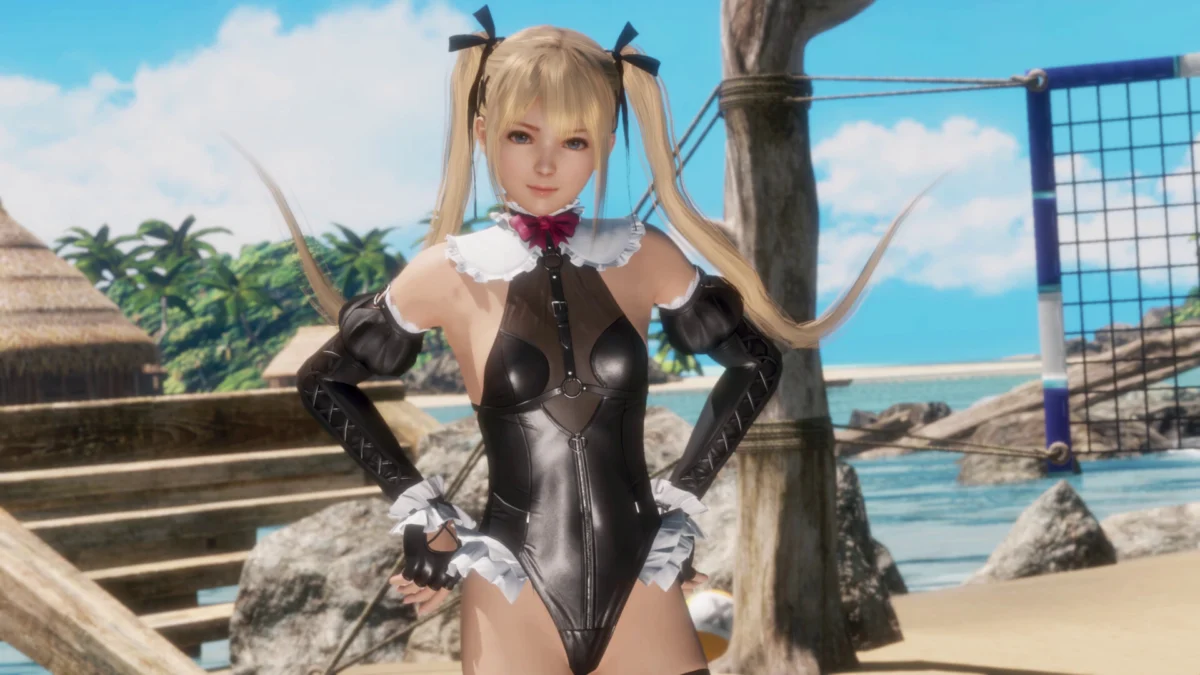
The fighting game landscape is defined by its legacy titles, and few franchises command the same level of brand recognition and stylistic flair as Koei Tecmo’s Dead or Alive. After a significant hiatus, the series is poised for a triumphant return to modern hardware. This week, the publisher confirmed that Dead or Alive 6: Last Round—a comprehensive, visually enhanced iteration of the 2019 title—will launch on the PlayStation 5 on June 25, 2026.
By bringing the franchise into the current console generation, Koei Tecmo is not merely porting an old title; they are attempting to bridge the gap between long-time veterans and a new generation of players, offering a refined, high-fidelity experience that highlights the series’ core pillars: speed, strategy, and aesthetic excellence.
A Legacy Refined: The Chronology of DOA6
The Dead or Alive series has maintained a storied, if occasionally turbulent, history since its inception in the mid-90s. When Dead or Alive 6 first arrived in 2019, it was lauded for its accessibility and deep, rock-paper-scissors-style combat system that prioritized momentum and environmental interaction.
However, seven years is a lifetime in the world of competitive gaming. As industry standards shifted toward higher graphical fidelity, 4K rendering, and advanced lighting engines, the original title began to show its age. Last Round serves as a bridge, representing a rare opportunity for a development team to return to a project years later to polish the rough edges and elevate the presentation to match modern technical benchmarks. This re-release acts as the definitive edition of the title, consolidating years of post-launch support into a single, cohesive package while signaling to the global fighting game community that the series is far from finished.
Technical Enhancements and the "Oboro" Lighting System
At the heart of Last Round is the integration of the "Oboro" lighting system. First showcased in the spin-off title Lost Paradise, this proprietary technology marks a significant departure from the static lighting models of the 2019 release.
In a recent interview with series producer Yosuke Hayashi, the importance of this visual overhaul became clear. The Oboro system focuses on the precision of light reflection, shadow casting, and environmental ambient occlusion. By simulating how light interacts with skin textures, fabrics, and metal surfaces, the engine creates a more photorealistic experience.
"With the introduction of Oboro, we have improved the quality of natural expressions," Hayashi explained. "It has made it possible to create environments that are more photorealistic and up to current visual standards. I believe players will enjoy having a completely different impression when playing familiar stages."
For players equipped with 4K-compatible displays, the update ensures that every frame—from the high-speed impact of a strike to the intricate textures of the fighters’ costumes—is rendered with unprecedented clarity. While the team confirmed that the game will not feature specialized PlayStation 5 hardware features like haptic feedback or DualSense-specific integration, the focus remains squarely on visual fidelity and a "comfortable environment" for competitive play.
Expanding the Roster: Content and Accessibility
One of the most frequent criticisms of the original Dead or Alive 6 was the piecemeal release of downloadable content. Last Round addresses this directly by including the base roster along with all five previously released DLC characters in the standard edition of the game.
This decision is tactical. By lowering the barrier to entry, Koei Tecmo is encouraging lapsed players to return and giving newcomers the full suite of combat options from the moment they boot up the game. The inclusion of these characters, combined with the promise of future post-launch updates, suggests that the publisher is committed to building a long-term ecosystem rather than a "one-and-done" software release.
The Power of the Lens: Introducing Photo Mode
Perhaps the most requested feature from the community was a robust photo mode. Dead or Alive has always leaned heavily into the concept of "beauty" as a core tenet of its design, and Last Round capitalizes on this by introducing an expansive set of tools for capturing the action.
Players can now manipulate camera composition, adjust facial expressions, tweak character placement, and even alter the level of sweat on a fighter’s skin. This isn’t just a gimmick; it is an acknowledgment of the "virtual photography" movement that has taken over the gaming industry. By allowing players to frame their own scenes, Koei Tecmo is empowering the community to create and share their own content, which in turn fosters social media engagement and long-term interest in the game.
The Road Ahead: Strategic Implications
The most intriguing revelation from the announcement is the commitment to future character development. While the team remains tight-lipped about specifics, Yosuke Hayashi confirmed that the development team is actively working on completely new characters to be added post-launch.
"The Dead or Alive fighting game series has been dormant for quite a while," Hayashi noted. "We want to get everyone fired up again, starting with Dead or Alive 6: Last Round. We thought it was essential to add a completely new character to the roster—we made this decision from the very start and created them alongside the game’s development."
This admission carries significant weight. It implies that Last Round is not just a final send-off for the sixth installment, but a foundation for the future of the brand. By continuing to support a legacy title with fresh content, the studio is effectively "keeping the lights on" while they presumably work on a successor. It is a strategic move that keeps the community engaged and ensures the player base remains active during the transition into the latter half of the decade.
Conclusion: A New Dawn for DOA
Dead or Alive 6: Last Round represents a calculated attempt to reclaim the series’ status as a premier 3D fighter. By focusing on visual fidelity through the Oboro engine, consolidating DLC content, and responding directly to community feedback regarding photo modes and character accessibility, Koei Tecmo is demonstrating a renewed commitment to its fanbase.
For the veteran player, the technical improvements and new content provide a fresh way to engage with a familiar system. For the newcomer, it offers the most feature-complete, polished version of the game to date. As the June 25 release date approaches, all eyes will be on how the community receives this return to form.
Whether Last Round serves as a swan song or a springboard for a future sequel, one thing is clear: Dead or Alive is back, and it looks better than it ever has. The fighting game market is more competitive than ever, but with a refined engine and a promise of ongoing support, the franchise has firmly staked its claim in the current console landscape. The "extreme battles" that defined the series are ready to reach a whole new generation of PlayStation 5 owners, and the journey toward that future begins this summer.

