

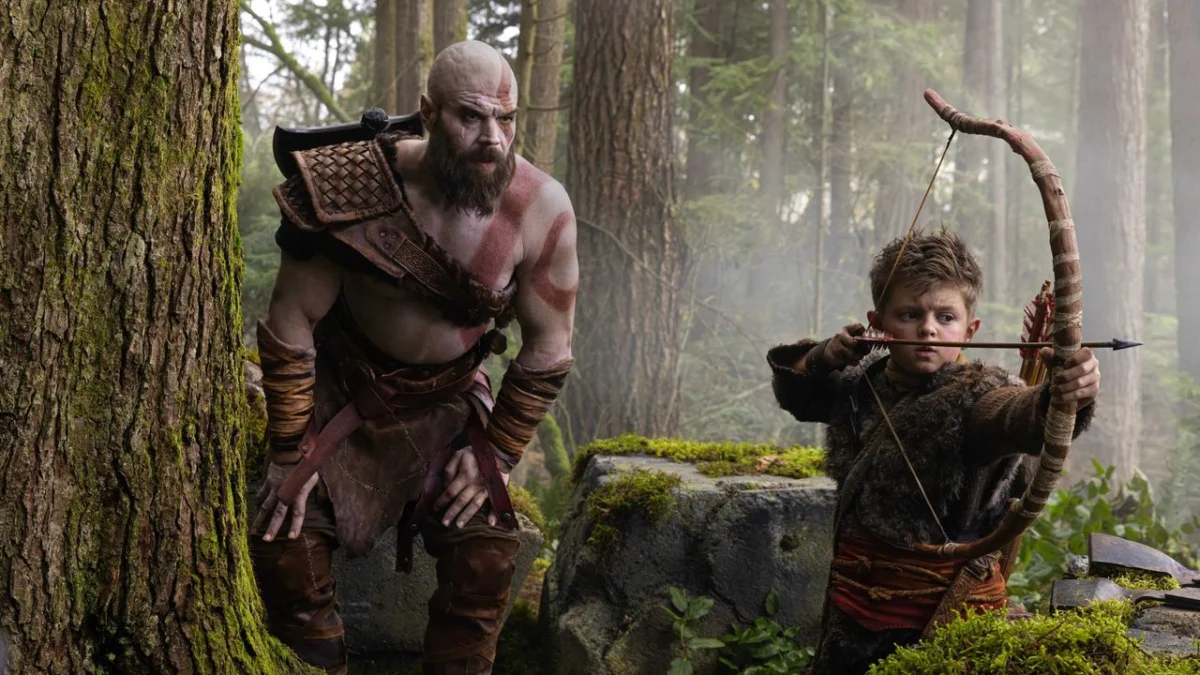
The highly anticipated television adaptation of PlayStation’s seminal God of War franchise has hit a significant and costly roadblock. Amazon MGM Studios has confirmed that it will be recasting the lead role of Kratos following a debilitating on-set injury sustained by actor Ryan Hurst. The decision, which necessitates a massive reshoot of already completed material, marks a tumultuous chapter for one of the most expensive and high-profile series currently in development.
The Injury and the Decision to Recast
The news, first reported by Deadline, reveals that Ryan Hurst—best known to gaming audiences for his voice performance as Thor in God of War: Ragnarok and to television audiences for his role as Beta in The Walking Dead—suffered a torn bicep during a rigorous action sequence on the series’ set. Despite initial hopes for a recovery window that would allow production to continue, sources indicate that Hurst required surgery, rendering him unable to fulfill the physically demanding requirements of the Ghost of Sparta.
The physical commitment required for the role of Kratos is substantial. Reports indicate that Hurst had undergone a grueling transformation, gaining 40 pounds of lean muscle to mirror the character’s iconic, hulking physique. However, the nature of the injury and the demands of the production schedule have forced Amazon to make the difficult decision to move in a different direction. In a high-stakes production where the lead character is present in virtually every frame, the studio determined that a full recast was the only viable path forward to maintain the show’s integrity and timeline.
A Massive Reset: Production Implications
The implications of this recast extend far beyond a simple change of personnel. According to industry insiders, the production team had already completed filming on four full episodes. Because these episodes feature Hurst in the primary role, the studio is now facing the daunting task of scrapping this footage and starting over.
This "hard reset" is a significant blow to the production budget and timeline. The series, which has been in development for years, was meant to be the flagship of Amazon’s prestige television slate. With a target of mid-October to resume filming, the studio is working under intense pressure to secure a new lead. While no official replacement has been named, the urgency of the situation suggests that casting directors are currently in advanced negotiations.
The decision to recast rather than wait for Hurst to recover also highlights the logistical nightmare of filming a series with an aging child actor in a central role. As the young actor portraying Atreus continues to grow, the studio cannot afford extended production delays. Every month of downtime risks a loss of continuity in the child’s physical appearance, forcing Amazon’s hand to prioritize the project’s long-term momentum over the original creative vision.
Chronology of a High-Stakes Adaptation
The journey to bring God of War to the screen has been fraught with both anticipation and scrutiny.
- Early Development: Amazon MGM Studios officially announced the greenlight for the God of War series, with Rafe Judkins (of The Wheel of Time) attached as showrunner.
- The Casting Reveal: The announcement of Ryan Hurst as Kratos was met with a mixture of excitement and skepticism. When the first promotional images were released, they sparked widespread debate across social media regarding the "dadbod" interpretation of the character, with fans questioning if the visual aesthetic matched the brutal, hardened image of the game version.
- The Injury: Production began with high intensity, but was abruptly halted when Hurst sustained his bicep injury during a stunt rehearsal.
- The Fallout: Following a brief period of uncertainty, the studio confirmed that the injury was severe enough to terminate Hurst’s contract, leading to the current search for a replacement.
- Looking Ahead: Amazon aims to restart principal photography by mid-October, with the goal of minimizing the delay to the overall release schedule.
The Weight of Expectation
Adapting a beloved video game franchise is never a simple task, and God of War carries the heavy burden of fan expectation. The series is tasked with bridging the gap between the frantic, gore-filled hack-and-slash gameplay of the original Greek saga and the more nuanced, emotional narrative of the Norse-era titles.
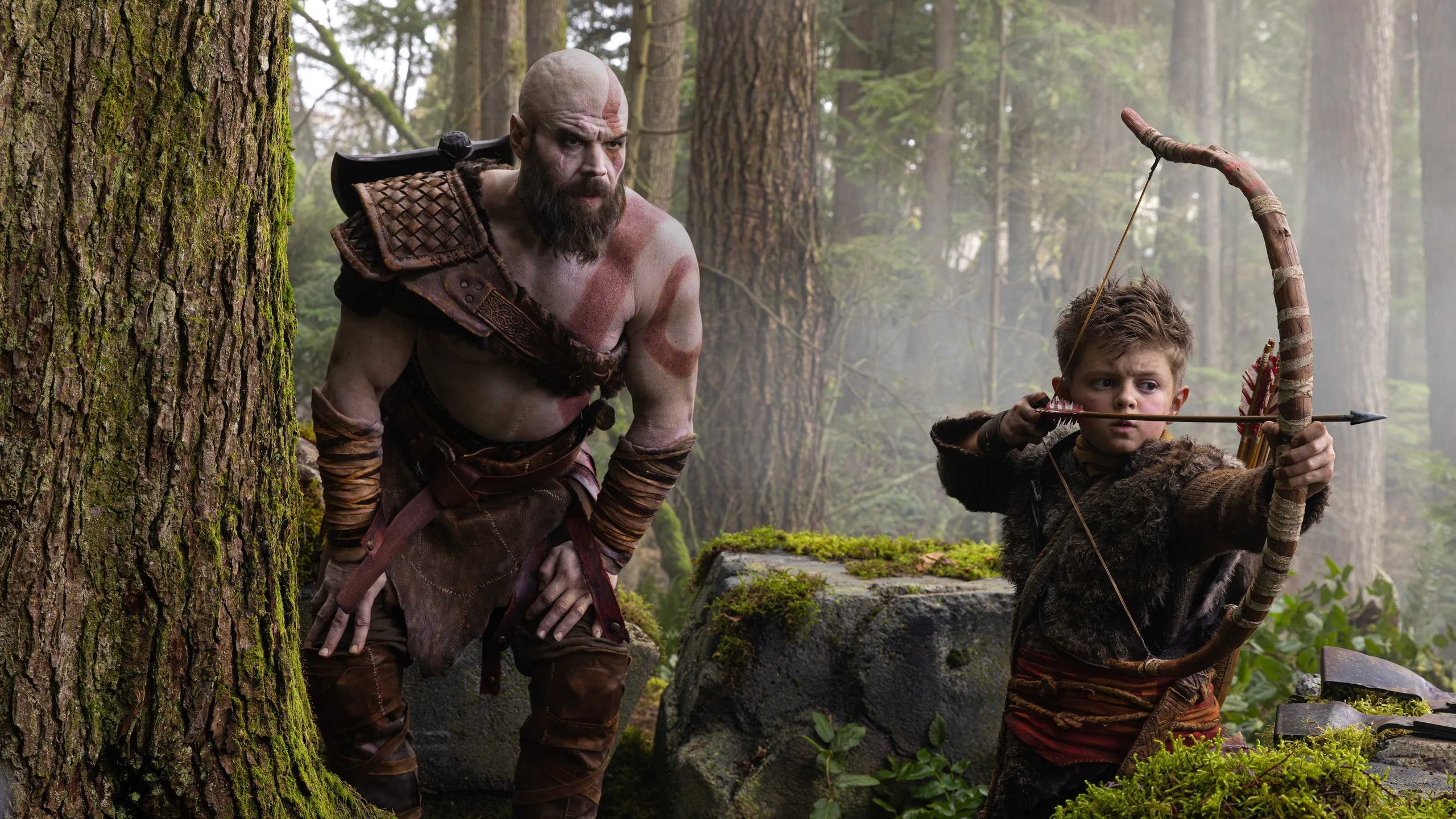
The "mixed reaction" to the initial promotional imagery proved that the audience is hyper-vigilant about the show’s fidelity to the source material. By opting for a total reset, Amazon has an unexpected second chance to address those early criticisms. Whether the studio pivots to a different physical type for the new actor or doubles down on the previous creative direction remains to be seen.
Industry Context: The "Curse" of Game Adaptations
This incident serves as a stark reminder of the volatility inherent in translating digital experiences into live-action media. While recent successes like HBO’s The Last of Us and Amazon’s own Fallout have paved a smoother road for game adaptations, the logistical reality of production remains a hurdle.
The physical toll on performers in modern action-heavy series has been a growing concern within the industry. As streamers push for movie-level spectacle on a television schedule, the intensity of stunt work has increased. Hurst’s injury is a sobering case study in the risks associated with the "superhero-level" physical transformations expected of actors today.
Furthermore, the news of the God of War series arrives alongside updates about other franchise-related projects, such as the rumored God of War: Laufey game. Interestingly, while the God of War TV show is being built for a massive global audience on Prime Video, there is increasing chatter regarding the future of the gaming franchise’s availability on PC, with reports suggesting upcoming titles may bypass the platform entirely—a point of contention for a PC-centric audience that has recently embraced the series via Steam.
Implications for the Future of the Series
What does this mean for the fans? Firstly, the release date—previously speculated to be a 2026 window—is almost certainly delayed. With four episodes worth of material to be reshot, the production is effectively losing nearly half a year of progress.
Secondly, the casting choice for the new Kratos will now become the most scrutinized decision in the show’s history. The studio must find someone who can embody the stoicism, the suppressed rage, and the paternal warmth of the character. The actor will need to carry the emotional weight of a father attempting to protect his son while grappling with a violent past.
Lastly, the show’s success hinges on whether it can move past these "behind-the-scenes" dramas and deliver a product that resonates with both long-time fans and newcomers. If Amazon can successfully navigate this transition and deliver a high-quality series, this period of turmoil may eventually be viewed as a mere footnote. However, if the reset leads to further production delays or a loss of creative cohesion, it could jeopardize the future of the entire franchise.
As we await news on the next Kratos, the industry watches with bated breath. The path of the Spartan is never easy, and for those behind the cameras at Amazon, the road to the premiere has just become significantly steeper.

