

The landscape of tabletop wargaming has shifted once again with the arrival of the Warhammer: The Old World Core Set. Acting as both a nostalgic tribute to the defunct Warhammer Fantasy Battles and a sophisticated evolution of the genre, this release marks a pivotal moment for Games Workshop. Positioned as a "time capsule" of the hobby’s most intricate era, the Core Set attempts to balance the high-density rules of the past with modern production standards.
According to the latest industry analysis and expert reviews, this set is currently the most effective entry point into the game, though it carries a steep learning curve that distinguishes it from its more streamlined cousins, Warhammer 40,000 and Age of Sigmar.
Main Facts: A Comprehensive Entry Point into High-Stakes Strategy
The Warhammer: The Old World Core Set is a massive, self-contained package designed to transition players into the "rank-and-file" style of wargaming. Unlike skirmish games where individual models move freely, The Old World focuses on blocks of infantry, sweeping cavalry charges, and the rigid discipline of ancient-style warfare.
What’s in the Box?
The Core Set provides two "Battle March" armies, which are smaller than standard competitive battalions but large enough to offer a legitimate tactical experience. The featured factions include:
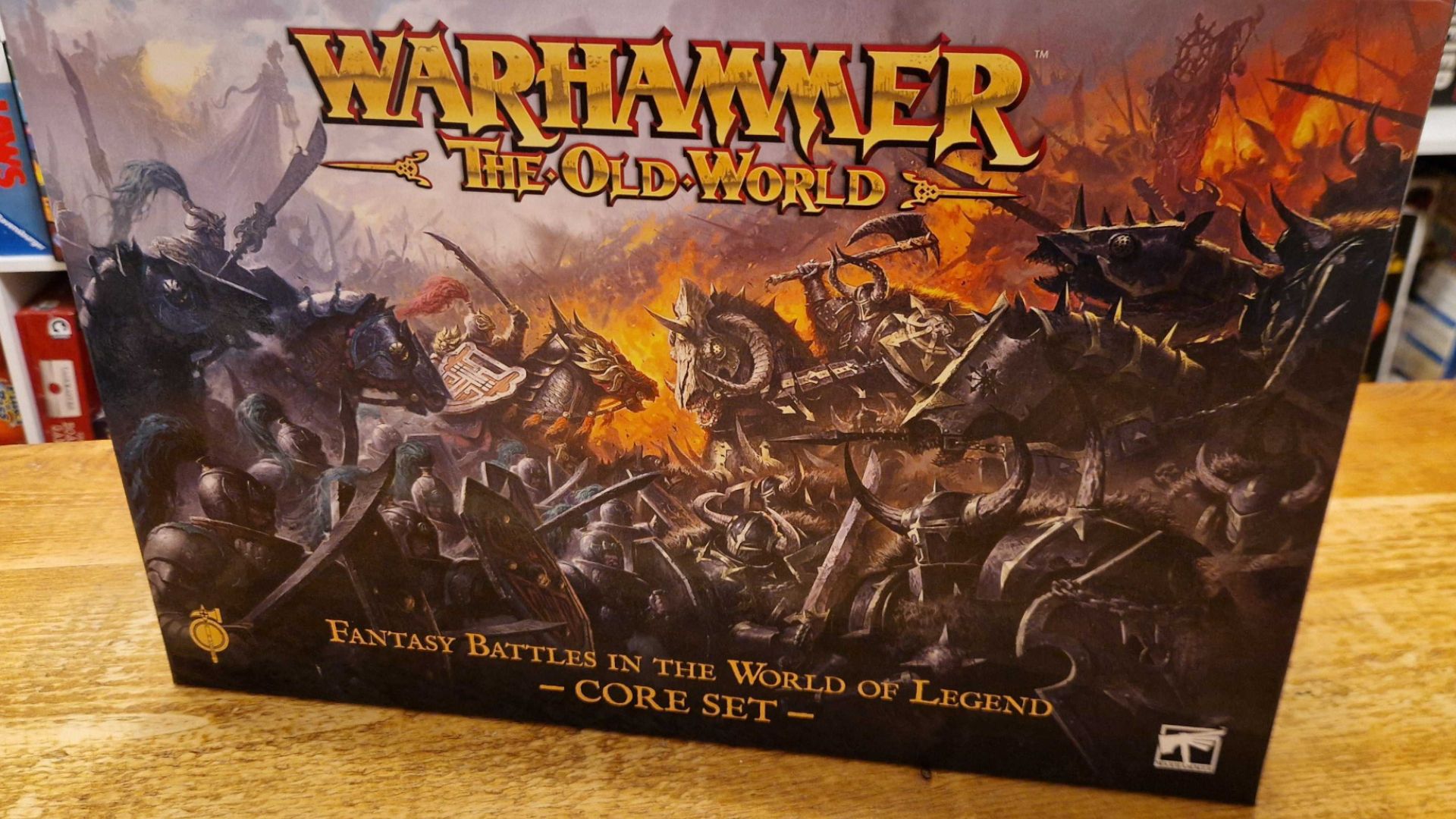
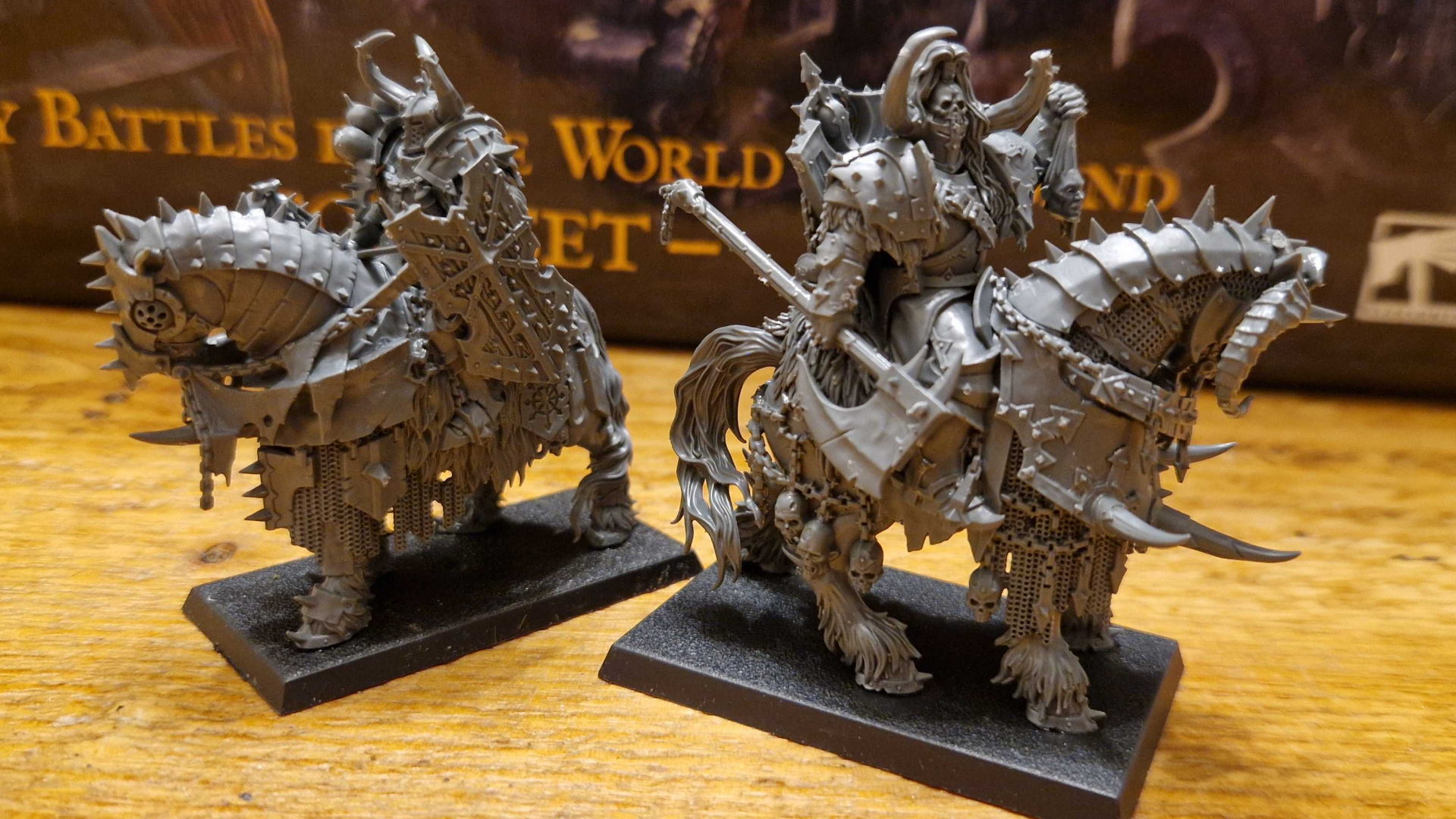
- The Chaos Warriors: A brand-new range of high-detail miniatures representing the dark, armored hordes of the north.
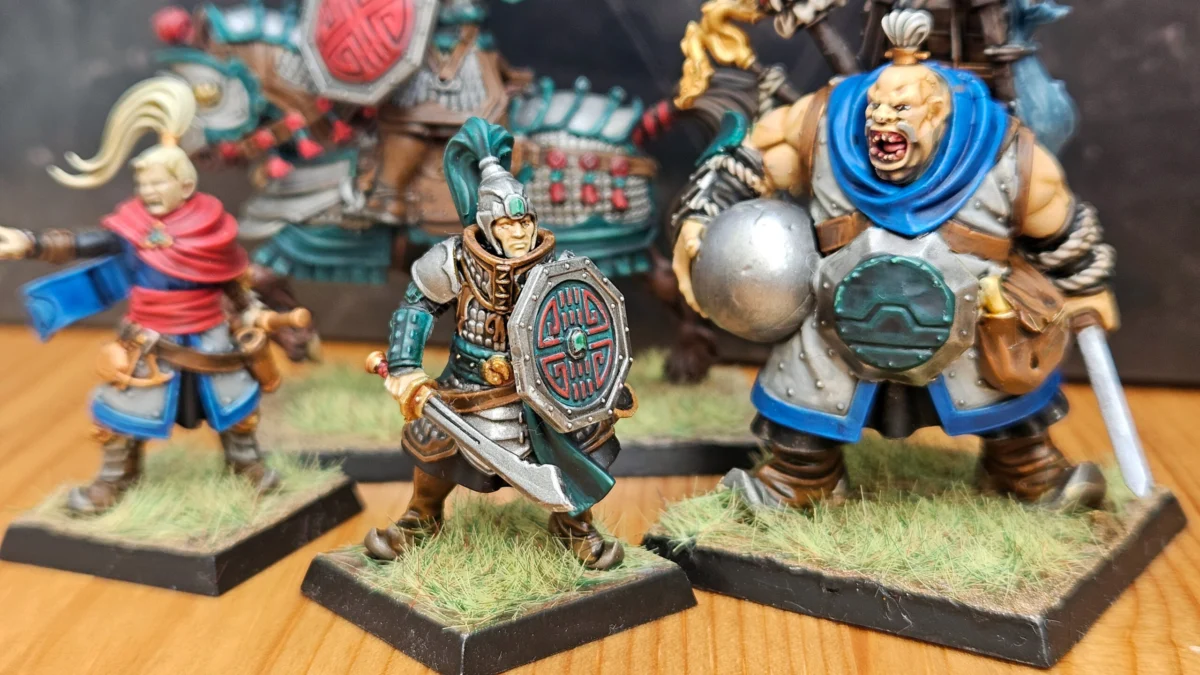
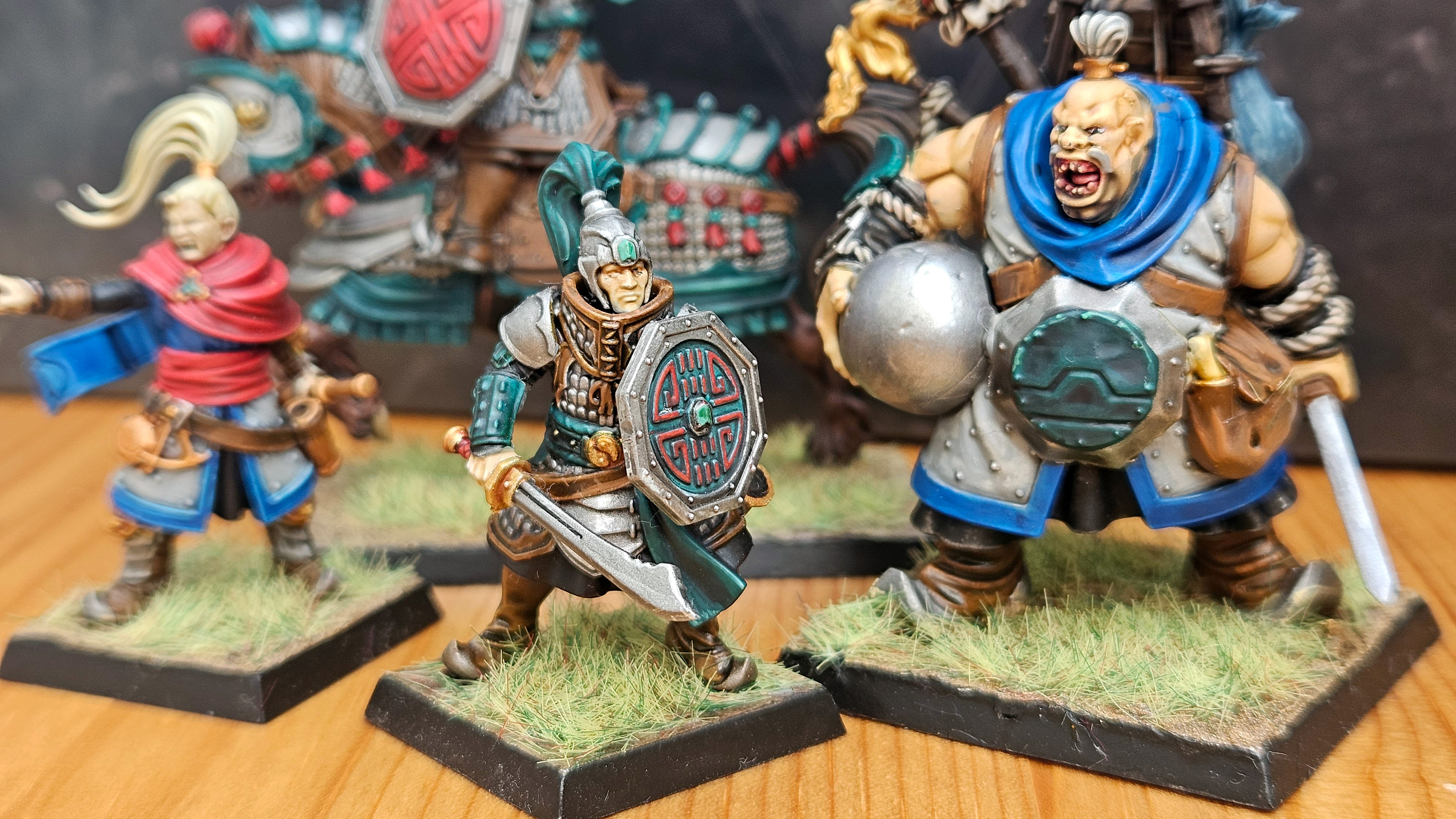
- Grand Cathay: A newer addition to the lore, featuring the disciplined, dragon-inspired forces of the East.
Beyond the miniatures, the set includes the definitive hardback rulebook, unit stat pamphlets, a battlemat, reference guides, and essential accessories like templates and dice. The only missing component for a complete experience is terrain, which remains a separate investment for the player.
Technical Specifications
- Player Count: 2
- Age Rating: 12+ (though the complexity suggests a more mature or experienced audience)
- Session Time: 90 to 120 minutes
- System Complexity: High (categorized as "crunchy" and detail-oriented)
Chronology: The Resurrection of a Fantasy Icon
The path to The Old World has been long and fraught with community debate. Understanding its current position requires a look back at the timeline of the Warhammer brand.
- The Era of Fantasy Battles (1983–2015): For over three decades, Warhammer Fantasy Battles was the cornerstone of the hobby. It was known for its complex "rank-and-file" movement and deep lore.
- The End Times and Age of Sigmar (2015): In a controversial move, Games Workshop "blew up" the Old World setting, replacing it with the more accessible, skirmish-oriented Age of Sigmar. While commercially successful, a segment of the fanbase lamented the loss of the original tactical depth.
- The Announcement of The Old World (2019): After years of fan demand and the success of the Total War: Warhammer video game series, Games Workshop announced the return of the setting.
- The 2024–2026 Rollout: The Old World launched as a "specialist" game, similar to The Horus Heresy. The release of the current Core Set represents the culmination of this revival, aiming to provide a standardized starting point for new generals.
Supporting Data: Rules, Complexity, and the "Crunch" Factor
The defining characteristic of The Old World is its "crunch"—a hobbyist term for rules-heavy systems that prioritize simulation over speed. While modern wargames have trended toward simplification, The Old World leans into the minutiae of the battlefield.
Tactical Fidelity
The game utilizes "to-hit" and "to-wound" tables, where players must compare their unit’s statistics directly against their opponent’s. This creates a more granular sense of combat than the static "4+ to hit" mechanics found in other systems.
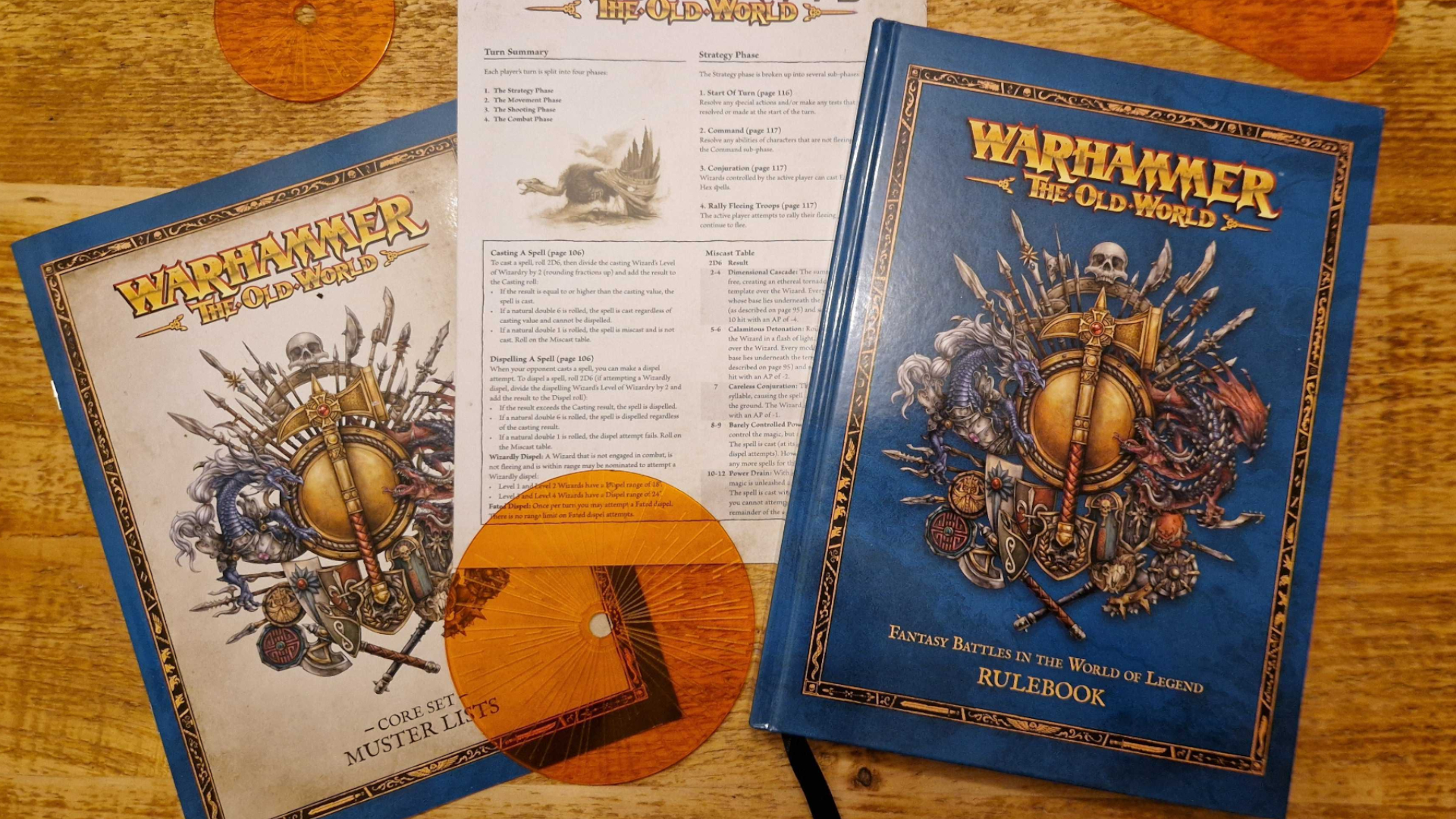
Key mechanics include:
- Flanking and Rear Charges: Position matters more than raw power. A charge into a unit’s flank can break their spirit regardless of their strength.
- Psychology and Morale: Units are not just health bars; they are soldiers with willpower. The game tracks fear, panic, and "bracing," forcing players to manage the mental state of their army.
- Rank Bonuses: The depth of your formation provides combat advantages, emphasizing the "block" movement that defines this era of wargaming.
Model Design and Construction
The models included in the Core Set represent a significant leap in fidelity, though they come with a "labor cost." Reviewers have noted that the miniatures are "bitty"—composed of many small, intricate parts. This style, reminiscent of the Horus Heresy line, allows for dynamic poses and incredible detail but requires a level of patience and hobby skill far beyond that of "Push-Fit" starter sets.
Official Responses: Games Workshop’s Strategic Positioning
While Games Workshop rarely comments on specific reviews, their marketing and development cycle for The Old World reveals a clear strategic intent. The company has positioned this as a "Specialist System," a designation that allows them to cater to the "hardcore" enthusiast without alienating the broader, more casual audience of Age of Sigmar.
Internal design notes from the Warhammer studio emphasize that The Old World is intended to be a "living rulebook" experience. By including the full rulebook and "Battle March" lists in the Core Set, the company is responding to previous criticisms that the barrier to entry was too high. Previously, players had to purchase multiple expensive battalion boxes and separate rulebooks just to field a legal army. This Core Set is the official response to those logistical hurdles—a "one-box" solution for the modern strategist.
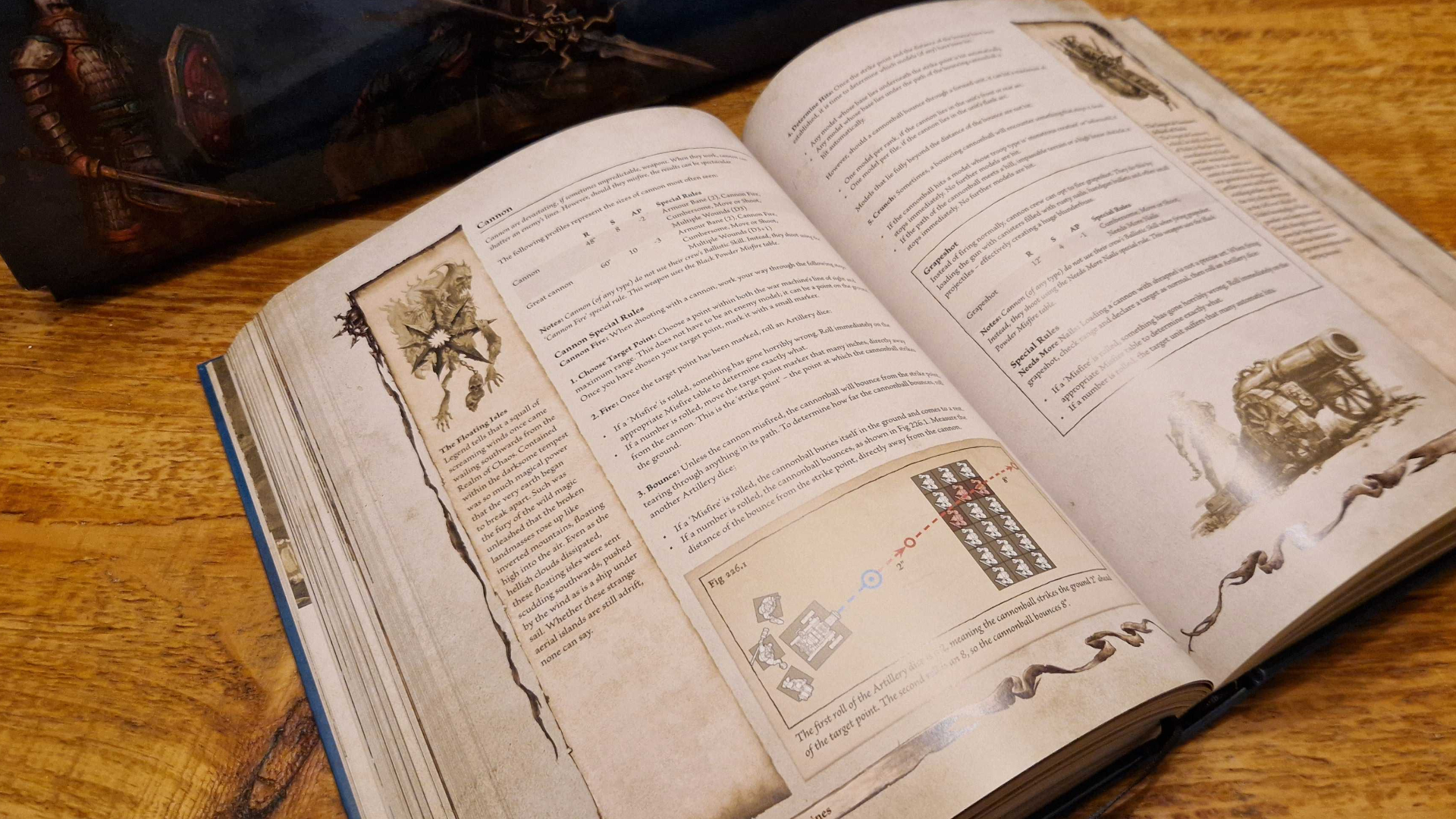
However, the lack of player aids—such as separate datacards for units—remains a point of contention. Industry experts suggest that while the "Battle March" armies are a step forward, the company still expects a high level of "manual" effort from its players, such as frequent flipping through glossaries and rulebooks.
Implications: The Future of the Old World and the Wargaming Market
The success and reception of the The Old World Core Set have several long-term implications for the tabletop industry and the community at large.
1. The Sustainability of Complexity
The positive reception of the "crunchy" ruleset suggests that there is a thriving market for high-complexity games. In an era where digital entertainment offers instant gratification, the "mathematical tomfoolery" of The Old World provides a tactile, intellectual challenge that many veteran players feel is missing from mainstream titles. This may encourage other developers to revisit more detailed simulation-style rules.
2. A New Hobby Standard
The "Battle March" format could become the new standard for Games Workshop’s specialist games. By providing a competitively recognized army size that is smaller than a full 2,000-point force, they have created an "off-ramp" for players who are intimidated by the time and financial commitment of traditional wargaming.
3. The Barrier of Entry vs. User Experience
The main criticism of the set—the need for more player aids—highlights a growing expectation in the hobby for better "User Experience" (UX). As games become more complex, the demand for reference cards, apps, and summary sheets grows. Games Workshop’s reliance on traditional book-flipping may eventually need to evolve if they wish to capture a younger demographic used to streamlined digital interfaces.
4. Legacy vs. Innovation
By revisiting the "Old World," Games Workshop is successfully monetizing nostalgia while introducing new factions like Grand Cathay. This hybrid approach—mixing decades-old miniature designs with brand-new, high-fidelity sculpts—creates a unique aesthetic that bridges the gap between the 1990s "Golden Era" and the 2020s "Modern Era."
Final Verdict: Is it for You?
The Warhammer: The Old World Core Set is a triumph of design for a specific type of player. It is not a casual game to be picked up for a quick 30-minute session. It is a commitment—a hobby in a box that rewards those who enjoy the process of assembly, the nuance of strategy, and the spectacle of grand-scale fantasy warfare.
Buy it if: You crave deep, tactical systems where positioning and morale are as important as the roll of the dice. If you want to see ranked infantry and resplendent knights clashing on a grand scale, this is the definitive experience.
Avoid it if: You are short on time or prefer the streamlined, fast-paced action of modern skirmish games. The high complexity and "bitty" nature of the models make this a labor-intensive endeavor that is not for the faint of heart.
In the final analysis, The Old World is back, and it is exactly as cantankerous, beautiful, and rewarding as the veterans remembered—and better than the newcomers could have hoped.

