

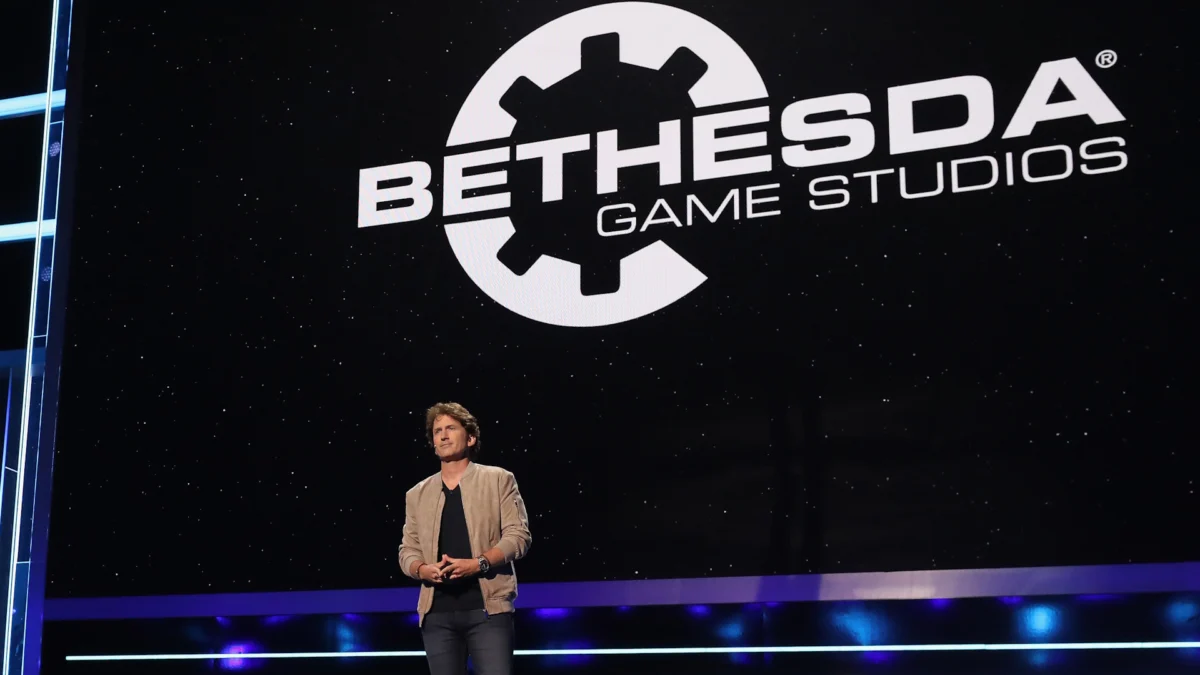
The gaming industry is reeling once again as Microsoft’s gaming division, Xbox, has initiated a massive restructuring effort resulting in thousands of layoffs. The announcement, which includes the shuttering of four specific studios—Compulsion Games, Double Fine, Ninja Theory, and Undead Labs—has sent shockwaves through the development community. Perhaps most significantly, the cuts have reached deep into the heart of ZeniMax Media and Bethesda Game Studios, the legendary developers behind The Elder Scrolls and Fallout.
As the industry grapples with the fallout, the Bethesda Game Workers Union has publicly decried the decision, labeling the ongoing cycle of workforce reductions as a "stressful annual routine" that prioritizes short-term financial targets over the stability of the people who build the games.
The Scope of the Crisis: A Chronology of Retrenchment
The latest round of layoffs is not an isolated event but rather the most recent chapter in a long, painful period of contraction for the gaming sector.
The Recent Announcement
The news broke early today, revealing that Microsoft is undertaking a broad reorganization of its gaming assets. According to statements from leadership, the company is shifting investment to "higher priority projects," a euphemism that has signaled the end of employment for thousands of staff members across Activision, Blizzard, King, Mojang, and the entire ZeniMax/Bethesda umbrella.
A Pattern of Decline
To understand the gravity of today’s news, one must look at the historical trajectory of Microsoft’s gaming division over the last 24 months. Since the acquisition of major publishers and the post-pandemic market correction, the industry has shed more than 10,000 developer roles globally. This is not the first time Microsoft has trimmed its sails, but the depth of these cuts—hitting veteran employees with decades of tenure at studios like Bethesda Game Studios—marks a new, darker milestone for the company.
Bethesda and ZeniMax: A Pillar Under Siege
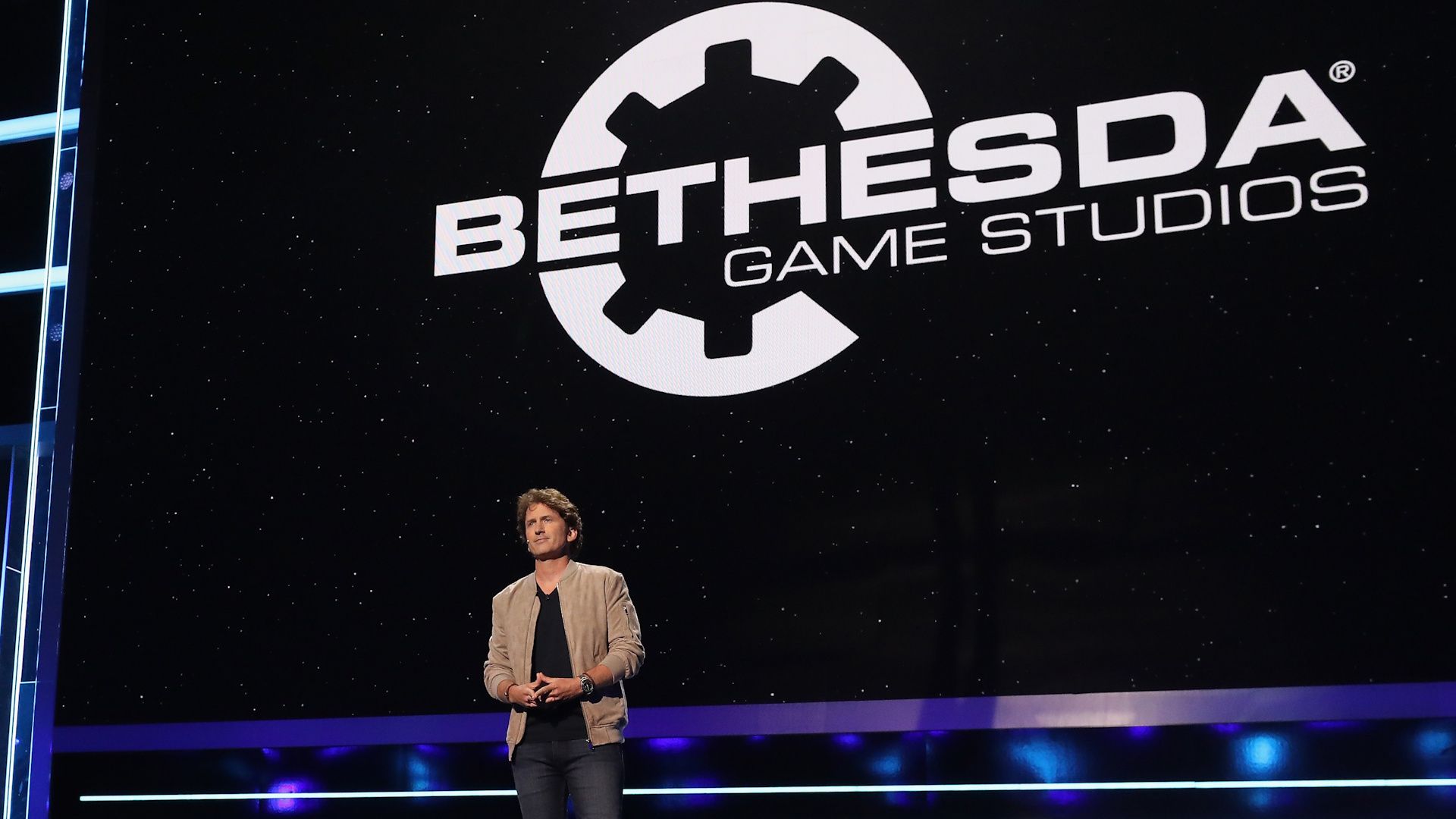
While the closure of four specific studios dominated headlines, the quiet "reorganization" within the Bethesda ecosystem may prove to be the most culturally damaging aspect of today’s news.
Clarifying the Misconceptions
Initial rumors suggested that the Bethesda organization might be pared down to focus exclusively on its two flagship franchises: The Elder Scrolls and Fallout. Industry analyst and reporter Jason Schreier took to social media to clarify that this is not the case. According to his reporting, the publisher remains committed to its wider catalog, including the Wolfenstein, Doom, and Quake franchises.
However, the fact that these studios will continue to exist does not mean they are unscathed. Sources indicate that heavy, significant staff reductions have occurred at id Software and ZeniMax Online Studios. These teams, responsible for industry-defining titles like Doom Eternal and The Elder Scrolls Online, are now operating with significantly reduced capacity.
The Human Cost
The most poignant response to these events has come from the Bethesda Game Workers Union. Formed in 2024 as a "wall-to-wall" union, the group has become a critical voice for developers who feel they are being treated as disposable assets in a corporate game of musical chairs.
"In what is becoming a stressful annual routine, Microsoft has decided to lay off thousands, including MANY of us at Bethesda Games Studios," the union stated in an official release. "With over 10k developers already cut from previous rounds, those at the top have deemed that insufficient in fixing their mistakes."
The union’s message highlights a growing chasm between the executive class—who are tasked with satisfying shareholders—and the creative class, who are tasked with crafting the products that defined the Xbox brand’s identity in the first place.
Industry Implications: Why This Matters
The scale of these layoffs raises fundamental questions about the sustainability of the "mega-publisher" model. When a company as large as Microsoft, flush with the capital of the world’s most valuable tech firm, feels the need to cut thousands of jobs, it suggests that the current growth-at-all-costs strategy is hitting a structural ceiling.
The "Higher Priority" Dilemma
When leadership speaks of "shifting investment to focus on higher priority projects," it typically implies a pivot toward live-service models, recurring revenue, or AI-assisted development. This shift often comes at the expense of experimental, mid-tier, or single-player narrative projects that require high-touch, human-centric development.
If studios like Double Fine or Ninja Theory are being shuttered or gutted, it signals that the industry is losing its appetite for risk. These studios have historically been the "creative engines" of the industry, producing titles that prioritize artistic expression over standardized engagement metrics.
The Erosion of Institutional Knowledge
The loss of employees who have been with Bethesda for decades is not merely a loss of headcount; it is a loss of institutional memory. Developing complex, open-world RPGs is a specialized skill set that takes years to cultivate. When a company sheds its veterans, it loses the "tribal knowledge" required to manage massive codebases and complex design systems. This often leads to longer development cycles, increased technical debt, and lower-quality releases down the line—ironically undermining the very "higher priority" projects the company hopes to protect.
Looking Ahead: The Future of the Xbox Portfolio
As the dust settles, the gaming community is left to wonder what a leaner, more "efficient" Microsoft Gaming division will look like.
The Shift in Strategy
Microsoft’s strategy appears to be a consolidation of resources toward their most bankable intellectual properties. By streamlining the Bethesda and Activision-Blizzard organizations, Microsoft is clearly attempting to maximize the ROI of its massive acquisitions. The question remains: can the remaining teams maintain the quality of their upcoming titles while working under the shadow of constant uncertainty?
The Unionization Movement
The emergence of the Bethesda Game Workers Union is perhaps the most significant silver lining in this narrative. The union’s willingness to call out management and highlight the human cost of these decisions provides a necessary counter-narrative to corporate press releases. As the industry continues to consolidate, the power of collective bargaining will likely become the primary vehicle for developers to advocate for better conditions, job security, and a seat at the table when strategic decisions are made.
Conclusion: A Turning Point for Gaming
Today’s news is a somber reminder of the volatility inherent in modern corporate gaming. The layoffs at Xbox, the shuttering of iconic studios, and the deep cuts at Bethesda are not just numbers on a spreadsheet; they represent thousands of careers interrupted, families affected, and a loss of creative momentum that will be felt for years to come.
As the industry navigates this transition, the narrative will inevitably move toward the upcoming titles and the next generation of hardware. However, the legacy of this day will be defined by the employees who are no longer there to build those games. For now, the "stressful annual routine" continues, leaving developers and fans alike to ask the question posed by the union: When will this cycle of cuts in pursuit of ever-greater profits end?
Until management finds a way to balance the demands of the market with the reality of human labor, the gaming industry remains in a precarious position—one where the very people who build the magic are increasingly viewed as the first items to be cut when the bottom line feels the pinch.

