

Main Facts
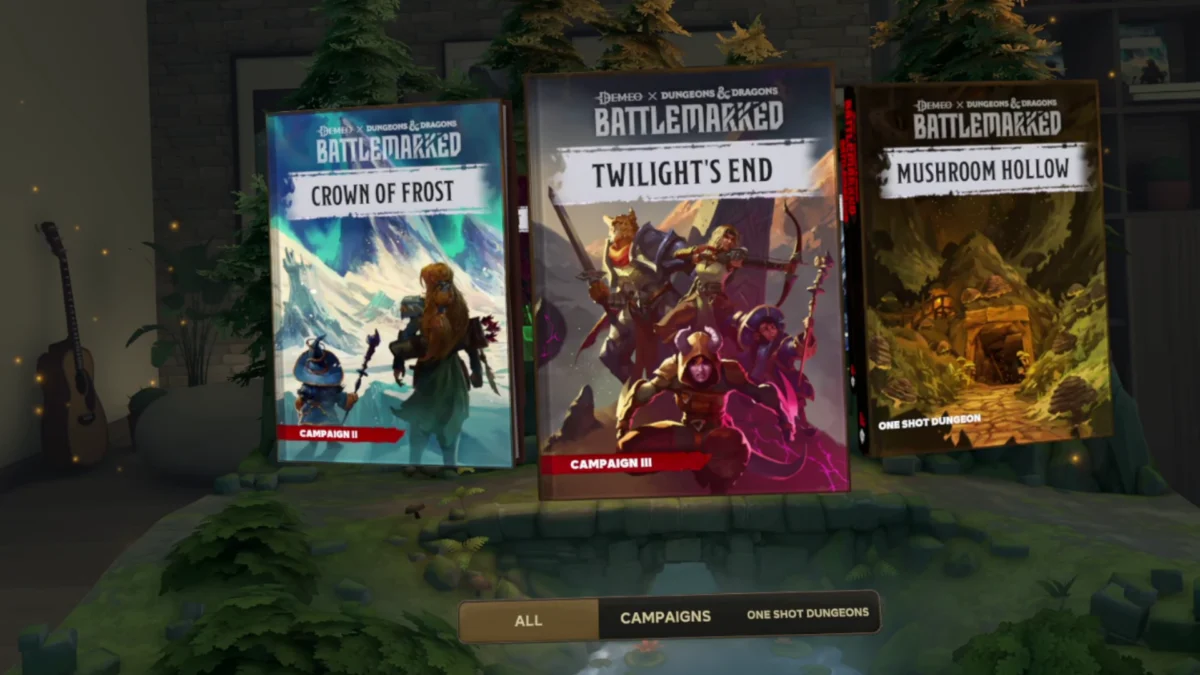
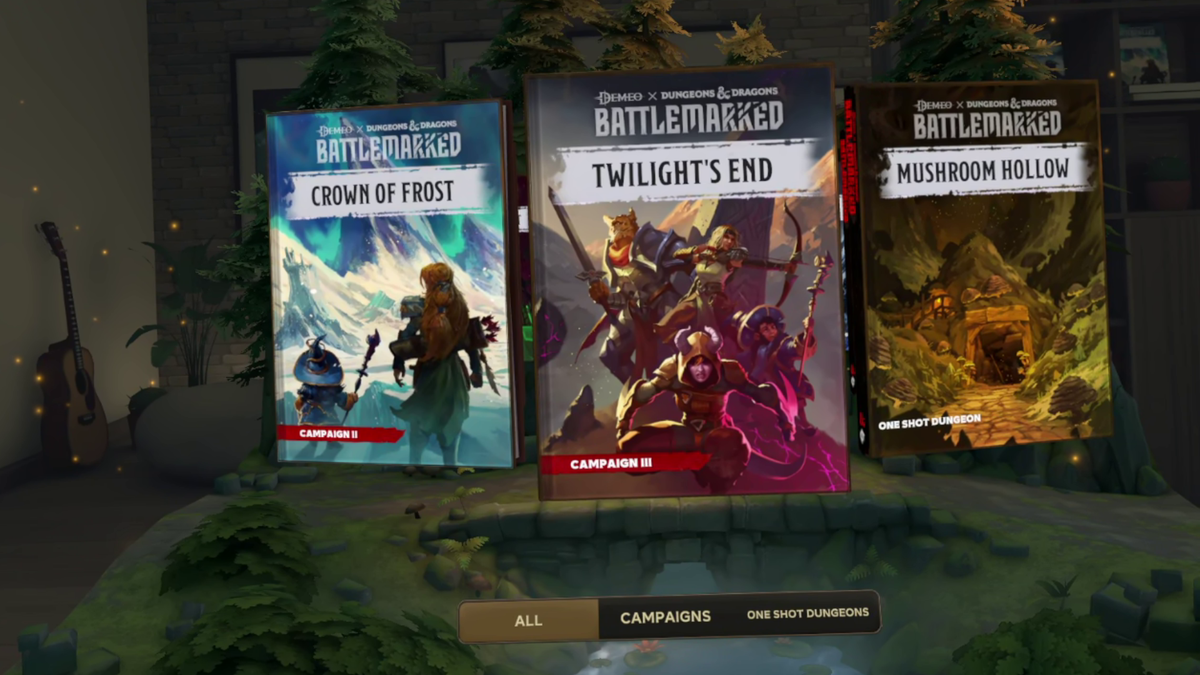
Resolution Games has officially rolled the final initiative for its acclaimed virtual reality crossover, Demeo X Dungeons & Dragons: Battlemarked, with the release of its grand-finale expansion, Twilight’s End. Priced at $9.99 and launched on September 22, 2026, the DLC is available across major VR platforms, including Meta Quest, SteamVR, and PlayStation VR2.
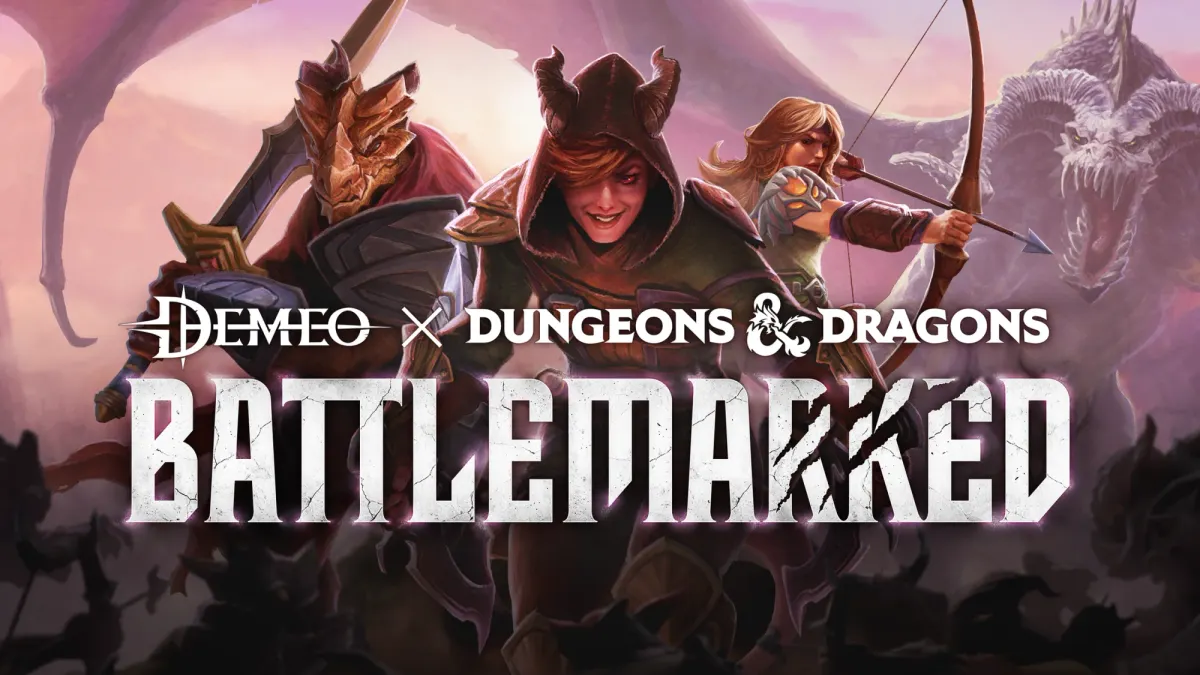
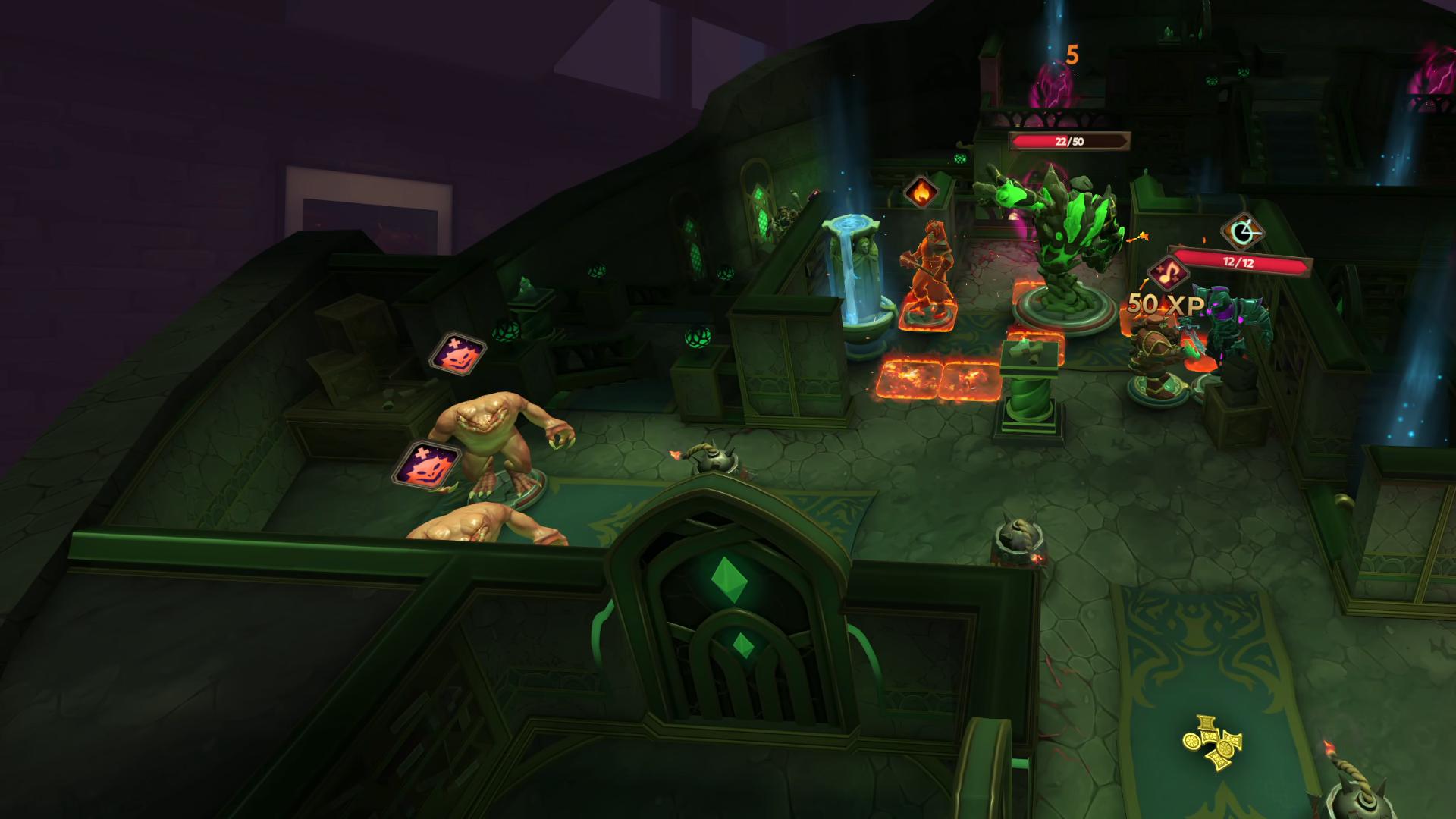
Twilight’s End serves as the third and final campaign in the Battlemarked trilogy, wrapping up an overarching narrative that began in the Neverwinter Woods (Embers of Chaos) and extended into Icewind Dale (Crown of Frost). Clocking in at an average of nine hours of playtime for veteran players, the expansion brings the ominous, toad-like slaad species to the forefront of the plot while weaving together the disparate factions, tribes, and communities encountered throughout the journey.
While the expansion introduces no new playable characters to the roster—which previously expanded via updates to include the warlock Azruss Drevontir and orc druid Gruda Razortusk—it delivers two brand-new multi-floor dungeons, sophisticated tactical boss battles, elevated enemy difficulty scaling, new thematic dice sets, and a stellar orchestral score.
Chronology: From Tabletop Roots to the Grand Finale
The journey toward Twilight’s End has been a milestone evolution for the virtual reality tabletop RPG genre. When Resolution Games launched the original Demeo in 2021, it captured the industry’s attention, subsequently earning VR Game of the Year honors for its faithful recreation of physical miniature gaming blended with intuitive digital mechanics.
Building upon that foundation, the studio secured a massive partnership with Wizards of the Coast to develop Demeo X Dungeons & Dragons: Battlemarked. Reviewers praised the base game for packing more expansive campaigns, refined difficulty balancing regarding enemy spawns, striking visuals, and a heightened narrative focus.
The first two chapters—Embers of Chaos (set in the Neverwinter Woods) and Crown of Frost (set in Icewind Dale)—established self-contained adventures bound together by subtle narrative breadcrumbs. Players frequently crossed paths with slaads, mysterious extra-planar entities tying the regional conflicts together.

With the launch of Twilight’s End on September 22, 2026, those narrative threads converge. Rather than starting with an exhaustive recap, the expansion plunges returning adventurers straight into the Silver Marches, relying on contextual NPC dialogue to re-establish the stakes. Upon completing the main campaigns, players unlock the new environments as independent one-shot dungeons, rounding out a robust trilogy that cements Battlemarked as a premier VR fantasy experience.
Supporting Data & Technical Breakdown
For players diving into the Silver Marches, understanding the underlying mechanics and performance parameters of Twilight’s End helps tailor the experience—especially for veterans carrying max-level characters.
Gameplay Metrics & Content Overview
- Release Date: September 22, 2026
- Developer/Publisher: Resolution Games
- Platforms: Meta Quest, Steam (PC VR), PlayStation VR2
- Price: $9.99
- Campaign Length: Approximately 9 hours
- Content Added: Two multi-floor dungeons, advanced boss encounters, new status-inflicting enemy mobs, thematic dice sets, and short-form side missions.
Reviewer Test Environment & Performance
To evaluate the technical polish and scaling of Twilight’s End, high-end hardware configurations were utilized:
- Processor: AMD Ryzen 7 9850X3D
- Memory: 32 GB DDR5 RAM
- Graphics Processing Unit: NVIDIA GeForce RTX 5070 Ti
- Headset & Setup: Meta Quest 3 connected via Virtual Desktop using the "Godlike" graphics preset with default in-game settings.
Performance reports indicate a remarkably clean build. The expansion runs smoothly, completely free of noticeable bugs, frame drops, or performance stutters. Furthermore, because Battlemarked utilizes a classic overhead tabletop perspective—allowing players to rotate and tilt the board freely—motion sickness remains a non-issue, requiring no specialized comfort settings.
Difficulty Scaling and Balancing
Veterans who spent the interim months leveling all eight playable characters to the cap of level 19 will find standard difficulty unchallenging. Reviewers note that basic enemy mobs on standard settings evaporate within one or two rounds. However, bumping the difficulty setting to "hard" successfully bridges the gap, offering a satisfying tactical challenge for fully optimized parties without feeling artificially punitive or overbearing.
Official Perspectives and Developer Intent
Resolution Games designed Twilight’s End to act as a direct response to player feedback regarding the mechanical depth of earlier encounters. While the original Demeo featured distinct boss mechanics—such as the Elven Queen’s spell-casting shielding minions, the Rat King’s evasive skittering, and High Priest Umbal’s hidden phases—the first two campaigns of Battlemarked occasionally allowed players to bypass complex mechanics through sheer offensive brute force.
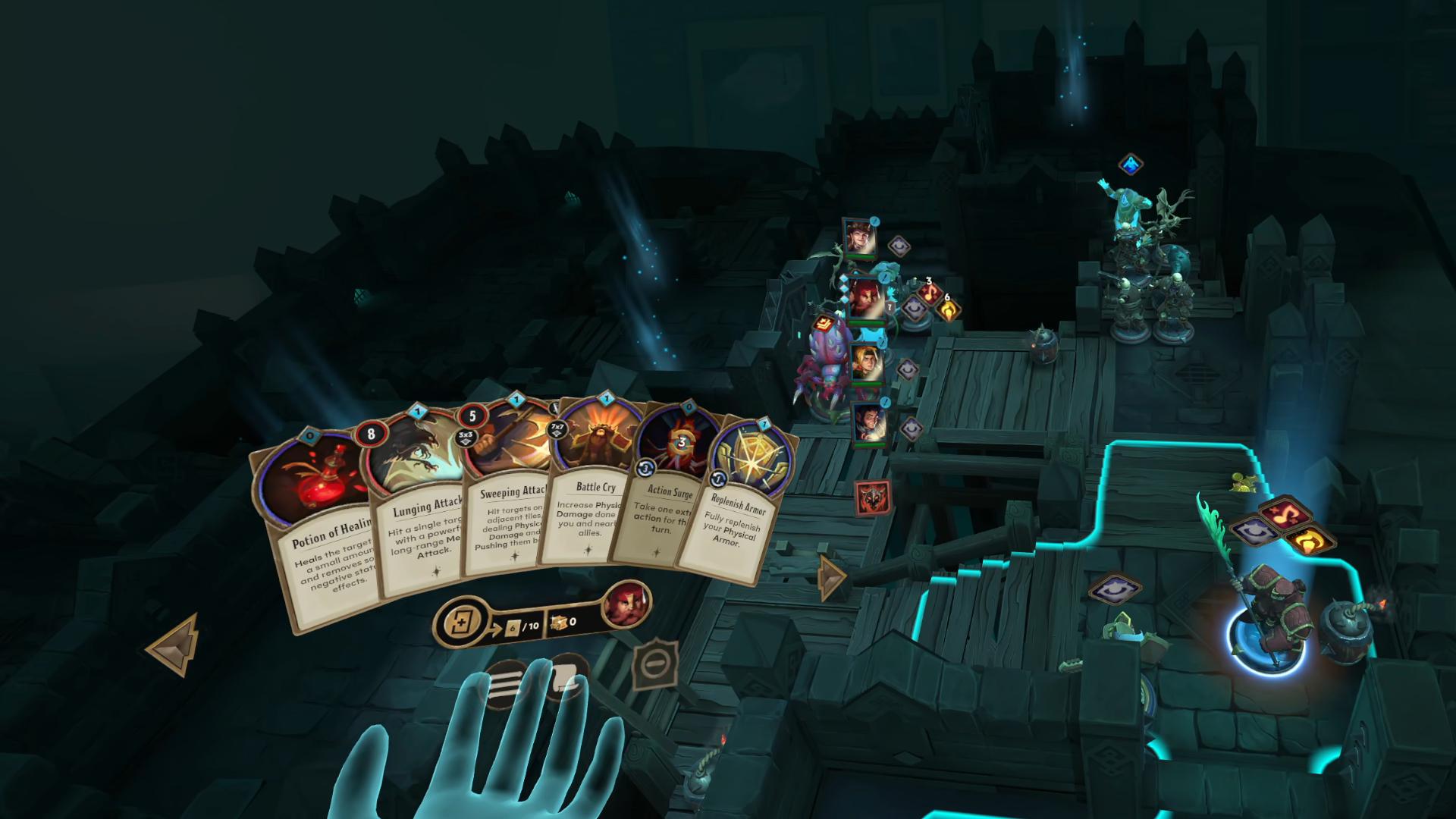
Twilight’s End systematically course-corrects this design philosophy. Developers engineered the expansion’s bosses to demand strict tactical adaptation. Encounters feature dynamic conditions that temporarily nullify specific character classes or punish predictable playstyles. For instance, sorcerers may find their spellcasting completely negated for multiple rounds against magic-resistant foes, while physical fighters must carefully calculate counter-attacks.
By forcing players to rotate roles and rethink standard combat loops, Resolution Games successfully reinstated deep turn-based strategy as the core pillar of the experience.
Implications for the VR Tabletop Genre
The launch and reception of Twilight’s End carry significant implications for the future of cooperative virtual reality role-playing games.

Raising the Bar for VR Storytelling
Historically, standalone VR titles have struggled to maintain long-term narrative momentum across episodic content updates. By crafting a cohesive three-part epic that seamlessly merges the proprietary Demeo engine with official Dungeons & Dragons lore, Resolution Games has proven that deep, multi-hour campaigns with overarching plots are entirely viable and commercially successful in virtual reality.
The Value Proposition Debate
At $9.99, Twilight’s End redefines consumer expectations for DLC pricing within the VR ecosystem. Providing nine hours of core content, replayable one-shot dungeons, unique boss fights, and high-end orchestral music that rivals—and perhaps surpasses—earlier tracks, the expansion offers an exceptional return on investment. It alleviates common consumer anxieties regarding overpriced, short-form VR add-ons.
Character Rosters and Future Expectations
Though the expansion did not introduce fresh playable characters directly into the box—relying instead on the previously integrated Warlock and Druid updates—it experimented with AI-controlled temporary allies based on narrative choices. This design choice hints at future mechanics the studio might explore in subsequent projects.
Ultimately, Twilight’s End stands as a triumphant closing chapter. It validates the ambitious crossover between two tabletop titans, delivering a masterclass in VR dungeon-crawling that leaves a high watermark for any fantasy RPGs that follow in its footsteps.

