

By Tomas Franzese
Published September 16, 2026, 10:30 AM EDT
Introduction and Main Facts
For years, the phrase "dead game" loomed like a digital ghost over Heroes of the Storm (HotS). Blizzard Entertainment’s crossover Multiplayer Online Battle Arena (MOBA) had lived in a prolonged holding pattern, its servers online and functional, but entirely devoid of new blood, creative direction, or community engagement.
That narrative shattered during the opening ceremony of BlizzCon 2026.
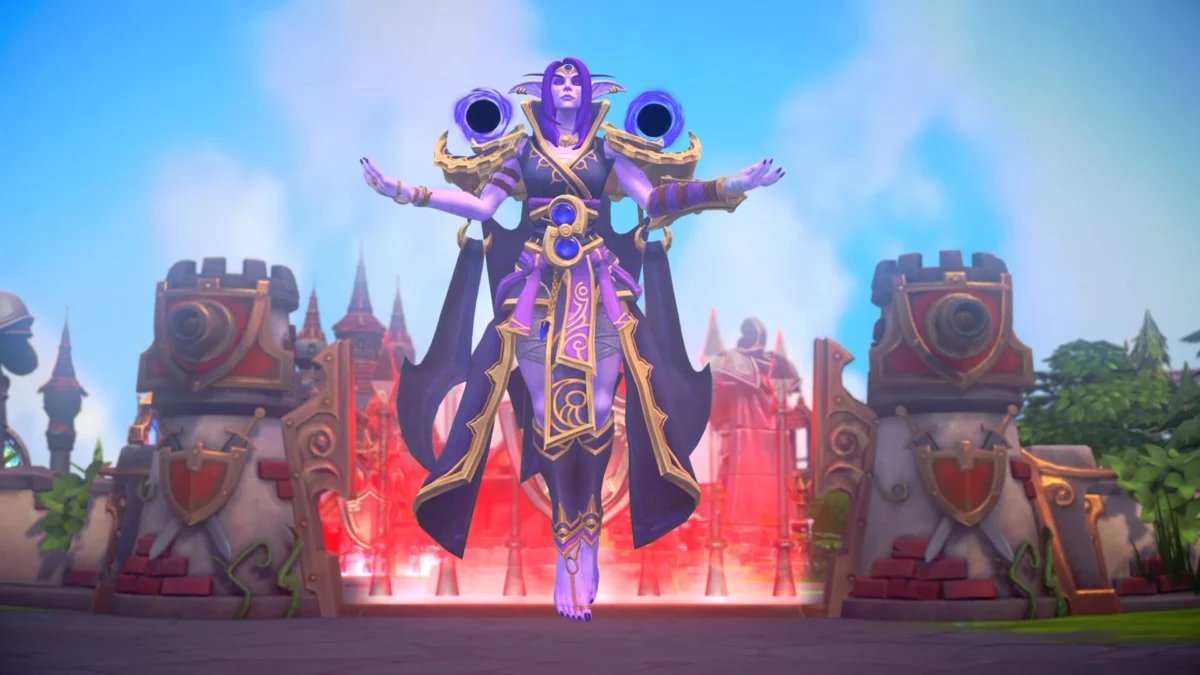
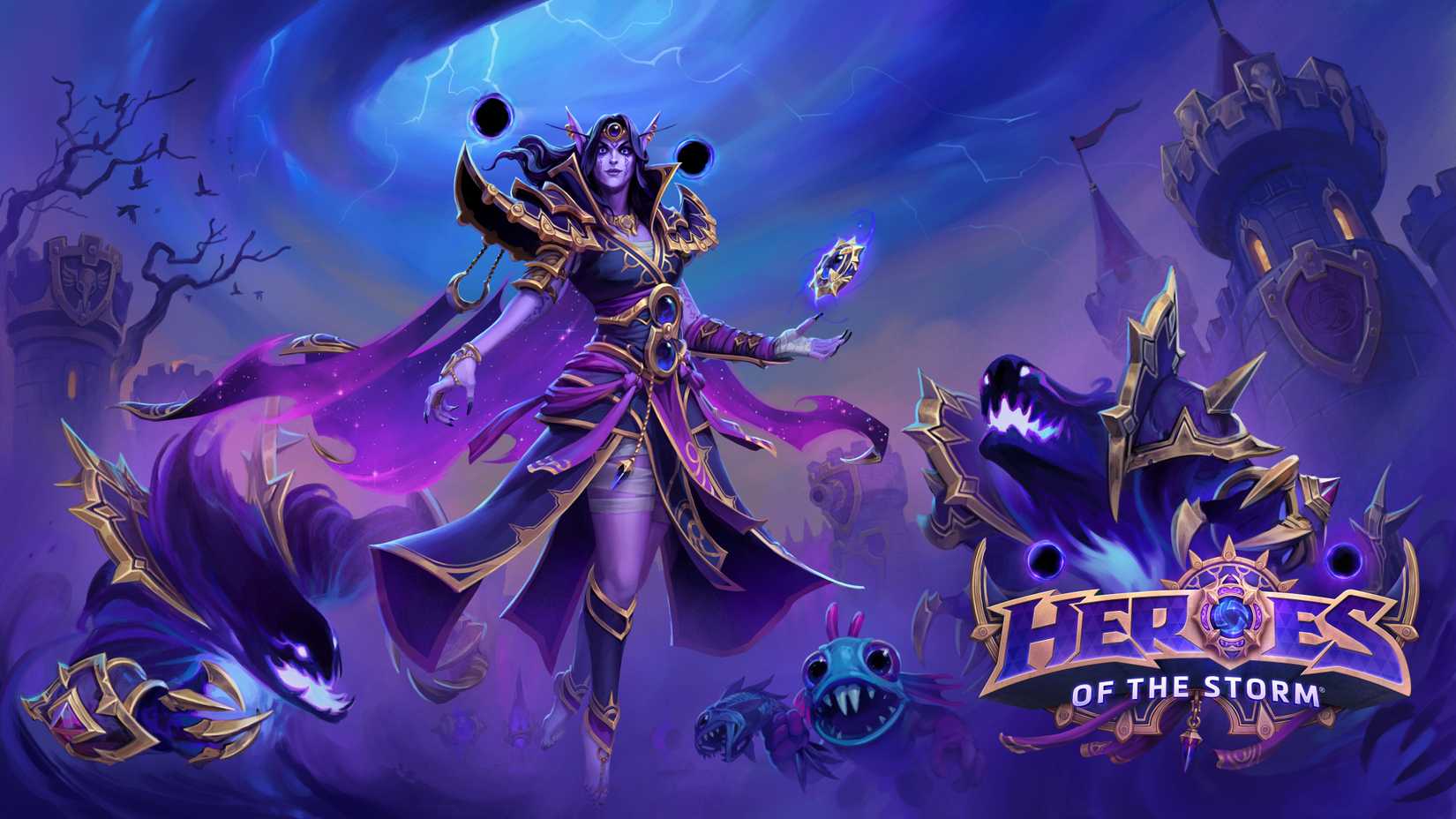
In a surprise announcement that caught the industry and fans completely off guard, Blizzard officially resurrected Heroes of the Storm. Leading the charge was the reveal of an entirely new character: Xal’atath, the malevolent, void-infused antagonist pulled directly from World of Warcraft: Midnight. The announcement marked the end of a multi-year content drought that began when Blizzard scaled back esports and development in late 2018 and ultimately ceased hero additions in December 2020.
Behind this stunning comeback is a four-year, methodical reconstruction project spearheaded by Lead Game Producer James Yen. Rather than relying on massive corporate injections of hype or overpromising an unrealistic, sprawling roadmap, Yen and a small, dedicated team of developers executed a quiet, grassroots revitalization. Their goal? To transform Heroes of the Storm from an abandoned experiment into a structurally sound, sustainable product fueled by community passion.

A Chronology of the Nexus: From Launch to Revival
To understand the magnitude of Heroes of the Storm‘s 2026 return, one must look back at the rocky timeline that brought the game to the brink of obscurity and back again.
2015–2017: The Late Arrival and Early Struggles
When James Yen first joined the Heroes of the Storm development team in 2015—having transitioned from a World of Warcraft game master into his first true software development role—Blizzard was attempting to stake its claim in the booming MOBA market. Genres born from Warcraft 3 custom maps had exploded into multi-million-dollar industries via Valve’s Dota 2 and Riot Games’ League of Legends.
While Blizzard injected its legendary intellectual property—bringing together characters from Warcraft, Diablo, StarCraft, and Overwatch—into a streamlined, objective-focused team brawl, the game arrived late to the party. Despite a dedicated cult following, Heroes of the Storm failed to capture the genre-defining market dominance of World of Warcraft or Overwatch. By 2017, Yen rotated off the project to work on Hearthstone and classic game remasters.
2018–2020: The Corporate Pullback
The writing was on the wall by late 2018. Blizzard shocked the community by announcing a massive reduction in development resources and completely pulling the plug on the Heroes Global Championship (HGC) esports scene.
For the next couple of years, updates slowed to a glacial crawl. The final nail in the coffin for many fans came in December 2020, when Blizzard released Hogger from World of Warcraft as the roster’s final new hero. From that point onward, the game existed on life support: servers remained active, but no new heroes, battlegrounds, or major features were in production.

2022–2025: The Quiet Reconstruction
In 2022, James Yen returned to Heroes of the Storm, this time stepping into the role of lead game producer. Returning to a project he held close to his heart, Yen recognized that the community was exhausted by years of corporate uncertainty.
Rather than rushing to pitch flashy new heroes to upper management, Yen’s team took a radically humble approach: fixing the foundation. In July 2022, Blizzard announced that updates would go entirely dark for an extended period. During this silence, the developers overhauled back-end infrastructure, updated internal toolsets, and modernized the aging game engine to make content creation viable again.
Once the infrastructure was fortified, patches resumed in September 2023. Month after month, the team rolled out modest bug fixes and balance adjustments. Slowly, the community noticed. YouTube channels began highlighting subtle UI changes, sparking organic buzz that proved the player base was still waiting in the wings.
2026: The BlizzCon Comeback
With the infrastructure stabilized and player trust partially restored, the team finally received the green light to develop a new hero. Xal’atath was unveiled to roaring applause at BlizzCon 2026, marking a triumphant, watershed moment for the game’s historic resurgence.
Supporting Data and Development Insights
The resurrection of Heroes of the Storm was not an accidental byproduct of corporate charity; it was earned through meticulous planning and hard-nosed engineering.
Rebuilding the Tooling
According to Yen, the current Heroes of the Storm team operates as a "small, passionate group." When they returned to the project in 2022, they realized that creating new content under the existing legacy infrastructure was painstakingly difficult. By prioritizing back-end development tools first, they drastically reduced the friction required to patch, tweak, and expand the game. This prioritization explains why the team spent over a year pushing nothing more than bug fixes and basic balance adjustments—a strategy Yen describes as "the best way to familiarize [the team] with the game."
Designing Xal’atath: A Lesson in Iteration
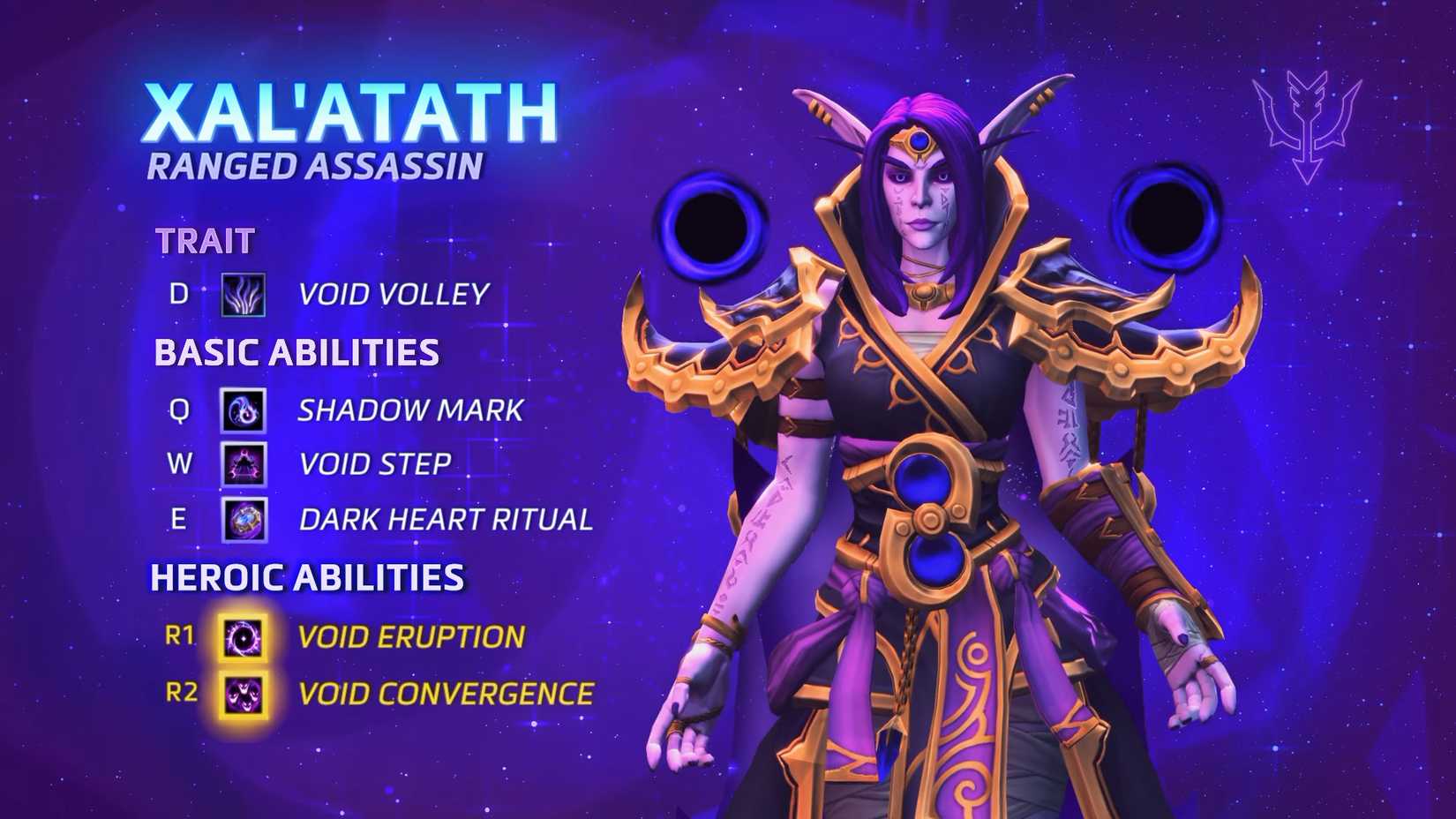
Developing the first new hero in years came with unique hurdles. Initially, the team conceptualized Xal’atath as a support character. However, extensive playtesting revealed that this archetype iteration lacked the fun factor the team demanded.
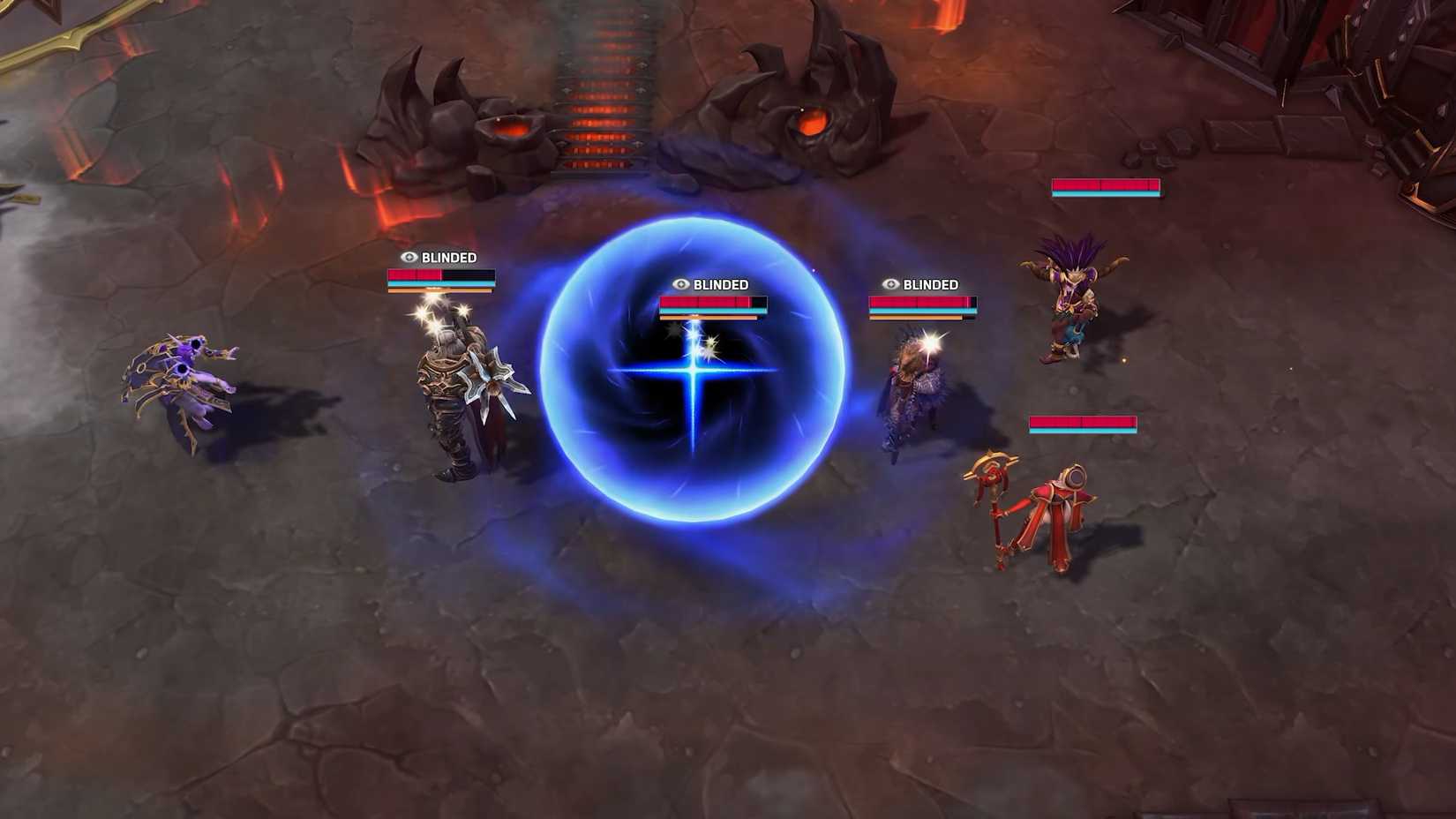
Pivotally, the designers shifted her kit to a ranged assassin specializing in lane-controlling, area-of-effect (AoE) abilities infused with orb-based mechanics inspired by her lore in World of Warcraft: Midnight.
Crucially, Blizzard made a conscious decision not to design Xal’atath as a simple, entry-level character meant to onboard brand-new players. Instead, Yen classifies her as a "medium-to-complex character" featuring "very deep combos and synergies."
Official Responses and Perspectives
Speaking with Polygon at BlizzCon 2026, James Yen and Blizzard leadership offered candid insights into the philosophy driving the game’s modern era.
Reflecting on the psychological weight of the community’s past disillusionment, Yen stated:
"In 2022, when we came back, we felt how the community felt about all the ups and downs and things that have happened… It’s our mission to make sure that Heroes of the Storm is a sustainable product. That’s how we approached it."
Addressing why the team chose to cater to veterans rather than chasing mass-market onboarding with Xal’atath, Yen emphasized the value of rewarding player loyalty:
"We are catering to the people that have been with us for a long time… Fun is such an important pillar of ours, to make sure that people that have been with us feel fun on this character. In turn, some of the best people to help promote your game are the people that love your game."
Blizzard President Johanna Faries set an optimistic tone during the BlizzCon opening ceremony, hinting at further updates on the horizon:
"We might even have a new hero on the way in the near future, so stay tuned and we will see you in the Nexus."
While Yen remained tight-lipped regarding specific future roadmaps, preferring to focus on the "now" and organic community engagement, he acknowledged that the team does maintain internal target dates for upcoming content drops, balancing corporate marketing timelines with what is realistically achievable for a lean development crew.
Implications for the Future of the Game and Blizzard
The revival of Heroes of the Storm carries massive implications for both Blizzard Entertainment and the broader live-service gaming landscape.
1. A Blueprint for Reviving Legacy IP
In an industry where abandoned live-service games are typically left to rot or systematically shut down (as seen with numerous competitor titles over the past decade), Blizzard’s slow-and-steady rehabilitation of HotS offers a compelling alternative blueprint. By resetting expectations, investing in foundational developer tools, and letting community feedback dictate the pace rather than forcing aggressive monetization, companies can theoretically breathe life back into seemingly dead digital properties.
2. Deepening Ecosystem Synergy
With Xal’atath crossing over from World of Warcraft: Midnight, Heroes of the Storm once again serves as a functional nexus for Blizzard’s massive multimedia empire. As modern expansions launch across franchises like Diablo, Warcraft, and Overwatch, HotS provides a unique playground for cross-promotional storytelling and character spotlights.

3. Rebuilding Community Trust
For years, HotS players suffered from a lack of communication. The transparent, pragmatic approach taken by James Yen and his team has fundamentally shifted the relationship between the developers and the remaining player base. Xal’atath is currently playable on the Public Test Realm (PTR) and officially rolls out to all players on September 28, 2026.
As Yen noted, the overarching strategy moving forward is centered entirely on sustainability:
"A lot of what has happened, for people, they think that Heroes is not there anymore. Now that we’ve made the statement, hopefully they can come back and enjoy it, and we’ll continue to experience it with them."
The Nexus is open once more, and for the first time in nearly a decade, its future looks genuinely bright.

