

The virtual reality landscape has long awaited a true, large-scale tactical shooter that captures the chaotic, grand-scale intensity of titles like Battlefield. With its latest content update, Triangle Factory’s Forefront—a 32-player VR first-person shooter—is making significant strides toward fulfilling that promise. By introducing a new high-stakes map, a deeply immersive firearm, and long-requested tactical mechanics, the developers are signaling a pivot toward more granular, physicality-driven combat that prioritizes team coordination over simple twitch reflexes.
The Evolution of Forefront: Key Developments
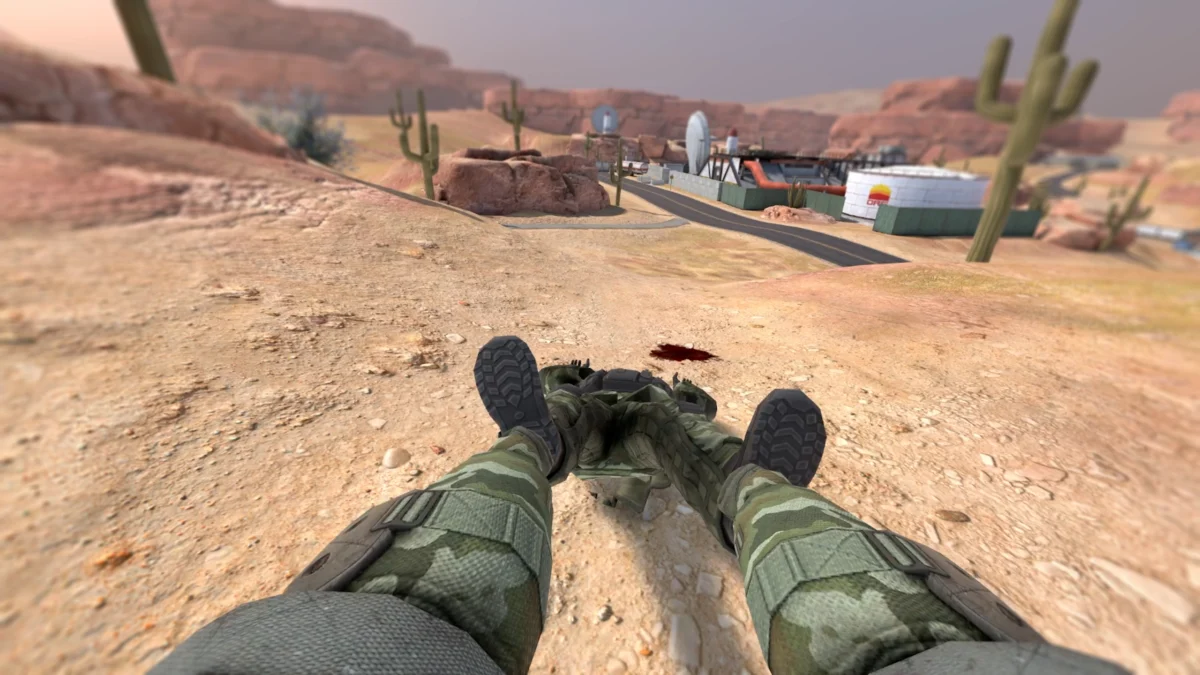
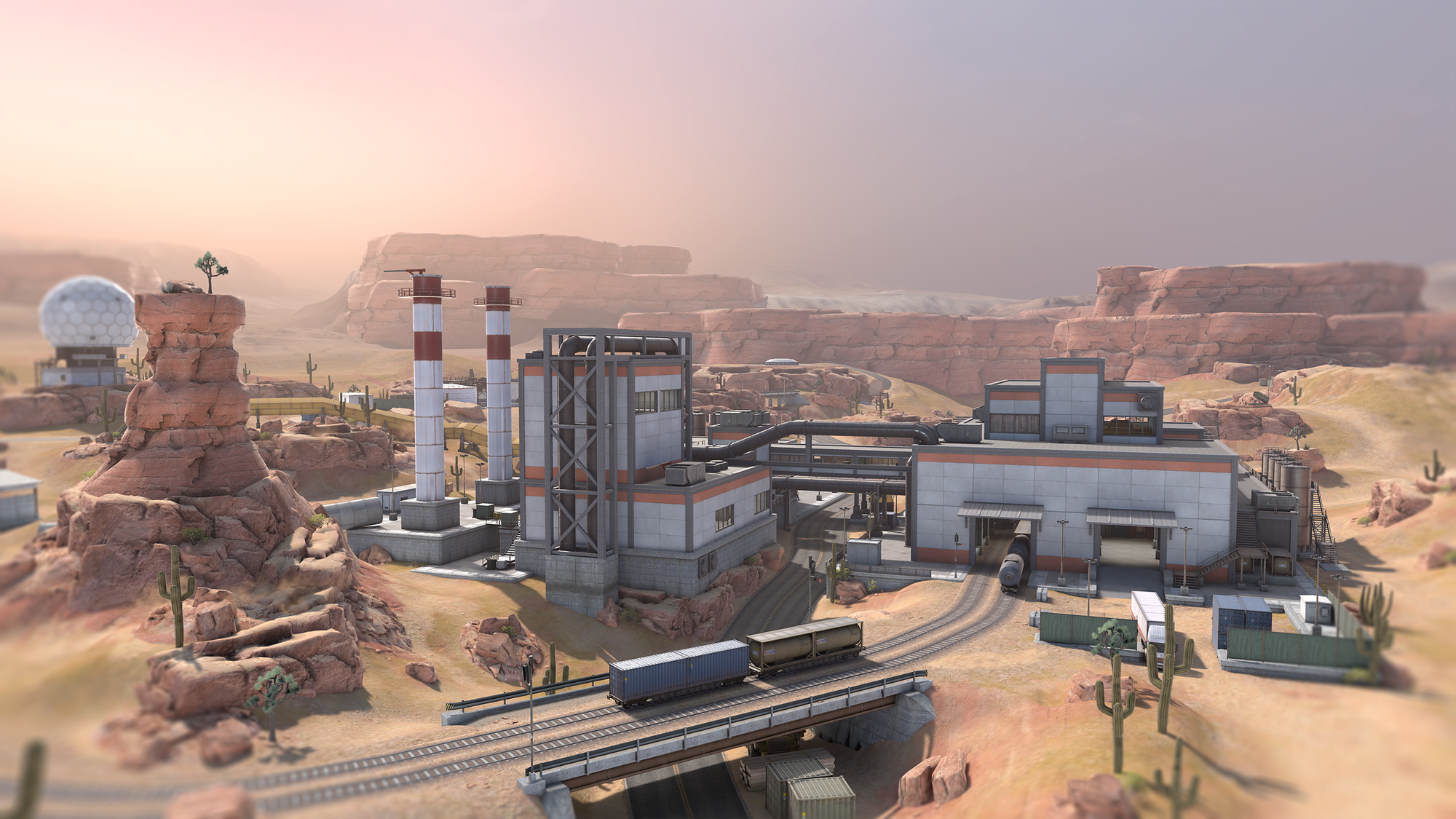
The latest patch (v4.0.153) is more than just a routine maintenance update; it represents a fundamental shift in how players interact with the environment and each other. The core of this update focuses on the "Mojave" map, a desert-based Conquest arena that emphasizes verticality and environmental storytelling. Set within a retrofitted production and refinement plant—now repurposed into an O.R.E. ICBM development facility—the map serves as a sprawling playground for 32 players to engage in objective-based warfare.
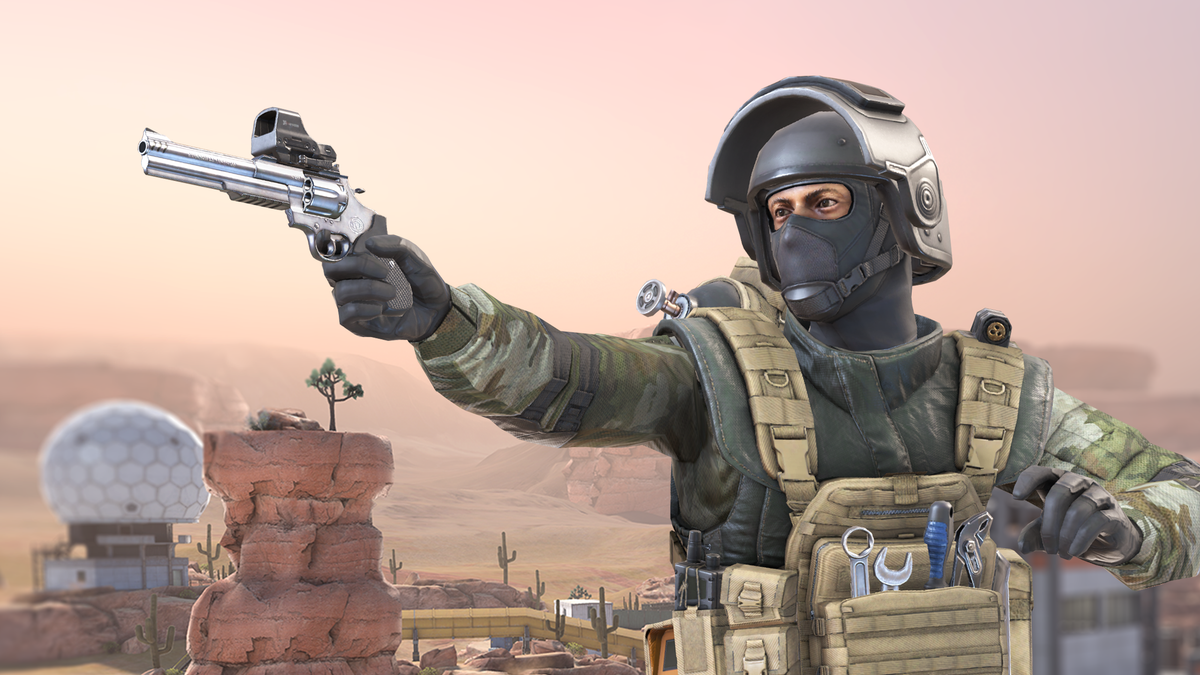
Beyond the map, the inclusion of the Marshal-6 revolver introduces a new level of mechanical complexity. In VR, where "presence" is the ultimate goal, the act of reloading has often been a point of contention. The Marshal-6 addresses this by requiring players to manually load, spin, and flick the cylinder. For those seeking efficiency, the unlockable "Speedloader" attachment offers a tactical trade-off, allowing for rapid six-round reloads at the cost of the tactile satisfaction of individual casing insertion.
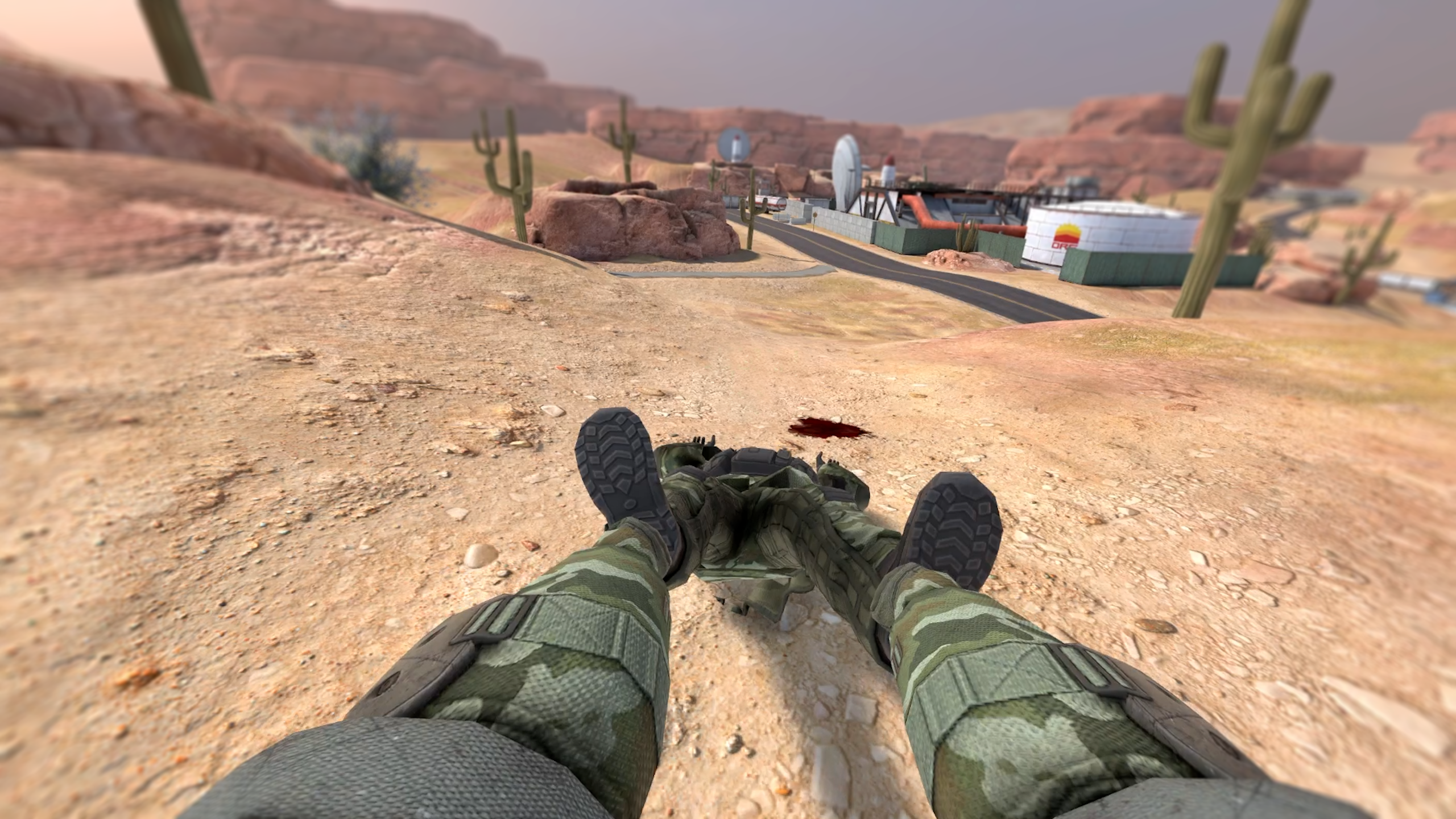
Perhaps most significantly, the community-driven request for player-dragging mechanics has finally been implemented. This addition fundamentally changes the flow of skirmishes, as players can now pull both downed teammates to safety or drag incapacitated enemies away from their allies to prevent a revival.
A Chronology of Tactical Innovation
To understand the significance of this update, one must look at the trajectory of Forefront since its inception.
- Early Access Phase: Forefront entered the market with the ambitious goal of bringing 32-player battles to the standalone and PCVR ecosystem. Initial reception highlighted the technical prowess of the netcode but noted a lack of environmental depth.
- The "Clearwater" Milestone: Recent months saw the release of the "Clearwater" map, which served as a proving ground for the game’s large-scale design philosophy. It proved that VR players were hungry for wide-open spaces and vehicle-integrated combat.
- The Current Update (v4.0.153): This latest iteration marks a refinement period. By shifting focus from map quantity to player interaction mechanics (dragging, manual weapon manipulation), Triangle Factory is moving Forefront closer to a "Mil-Sim" experience rather than a traditional arcade shooter.
Supporting Data and Technical Enhancements
While the gameplay additions are the headline, the technical underpinnings of the update suggest a commitment to longevity. PCVR users, in particular, will notice a distinct uptick in visual fidelity. The developers have integrated dynamic foliage systems and advanced particle effects across several existing maps. These aren’t merely aesthetic flourishes; in a competitive shooter, environmental particles can influence visibility, forcing players to adapt their sightlines and positioning.
The 32-player capacity remains the benchmark for the genre in VR. Sustaining this player count without significant latency issues is a feat of engineering, and the current patch notes indicate that server-side stability has been a primary focus of the engineering team to ensure the new physics-heavy mechanics (such as dragging bodies) don’t cause desynchronization or "jank" during high-intensity firefights.
Official Responses and Developer Philosophy
The team at Triangle Factory has been notably communicative regarding the integration of the dragging mechanic. In discussions surrounding the patch, the studio noted that they were initially hesitant to implement player-dragging due to the complex collision physics required to ensure bodies don’t clip through walls or cause erratic movement. However, the consistent feedback from the Forefront community—specifically from players who prioritize squad-based logistics—convinced the developers that this was a "must-have" for the game’s identity.
"We want players to feel the weight of their decisions," a spokesperson for the development team stated. "If you lose a squad member, there should be a tactical consequence. By allowing you to drag them, we aren’t just making reviving easier; we are creating a focal point for the firefight. It changes the rhythm of the battle from ‘shoot and run’ to ‘secure and recover.’"
Regarding the PS VR2 version, the developers have reiterated that it remains a high priority. While they have yet to commit to a firm release date, the current updates to PCVR are viewed as the final "polishing" phase before the title is ported to Sony’s ecosystem, ensuring that console players receive the most refined version of the Forefront experience on day one.
Implications for the VR FPS Genre
The success of Forefront carries significant weight for the broader VR industry. For years, the "Battlefield-killer" trope has been attempted in flat-screen gaming, but in VR, the challenge is amplified by the limitations of comfort and hardware.
1. The "Presence" Factor
By leaning into high-interactivity weapons like the Marshal-6, Forefront is setting a new standard. Future VR shooters will likely be judged by their weapon handling. If a player can flick a revolver cylinder with satisfying feedback, they will be less forgiving of "button-press" reloading in competing titles.
2. Squad Dynamics and Social Engineering
The ability to drag fallen players creates a unique social dynamic. In most VR shooters, a death is an isolated event. By making the body a physical object that can be moved, the game forces players to interact with their downed teammates. This fosters a stronger sense of "squad identity," which is the secret sauce that keeps games like Battlefield or Squad alive for years.
3. The Performance Ceiling
The PCVR enhancements regarding foliage and particles prove that developers are finally feeling comfortable pushing the graphical boundaries of current-gen VR hardware. As standalone headsets like the Quest 3 and future iterations become more powerful, the Forefront model of "large-scale, high-fidelity" serves as a roadmap for what is possible.
Looking Ahead
The path forward for Forefront appears to be one of steady, iterative growth. As the game exits the "experimental" phase of its early lifecycle and moves into a more stable "live service" cadence, the community is already clamoring for what comes next. Vehicle combat balancing, new class-based roles, and perhaps even larger map designs are the likely candidates for future updates.
However, for now, the focus is squarely on the Mojave desert. The new map’s layout, designed with a mix of tight indoor corridor-fighting and long-range sniper lanes, is expected to become the primary testbed for the new mechanics. Players are already experimenting with "body-shielding" tactics, using dragged enemies as temporary cover—an emergent gameplay style that the developers likely did not anticipate, but one that highlights the success of their physics-driven approach.

In conclusion, the latest update for Forefront is a masterclass in listening to a player base while maintaining a clear creative vision. It manages to balance the high-octane requirements of a 32-player shooter with the intimate, tactile satisfaction that makes VR gaming so uniquely compelling. For those who have been waiting for a VR shooter that treats the battlefield as a living, breathing, and tangible space, the current version of Forefront is the closest realization of that dream to date. As the industry watches, Forefront continues to prove that in the virtual world, the difference between a good game and a great one often lies in the details—the weight of a gun, the drag of a comrade, and the grit of a desert map.

