

By Ford James
Published October 5, 2026
Boss fights have served as the ultimate litmus test for video game players since the industry’s infancy. Whether required for primary story progression or hidden away as optional trials guarding rare, coveted loot, defeating a major boss provides a distinct psychological high. A successful encounter might pit the player against an entirely unique adversary wielding never-before-seen mechanics and fluid animations, or it could present a brutally tuned variant of a familiar foe.
Yet, across generations of hardware and shifting design philosophies, one unifying truth has remained: conquering a monumental boss battle is one of the most intensely satisfying experiences a player can have.
That gratification, however, relies heavily on a sacred contract of fairness between the designer and the player. When that contract is broken—typically through the sudden, unannounced introduction of a second or third health bar—that profound sense of achievement instantly evaporates, replaced by hollow exhaustion. The latest offender to dredge up this long-standing industry grievance is Remedy Entertainment’s Control Resonant, bringing a frustrating design trope back into the mainstream gaming discourse.
The Anatomy of the Multi-Stage Trap
The frustration of multi-stage boss encounters is not universal, but it is deeply pervasive. While games like FromSoftware’s legendary Dark Souls, Bloodborne, and Elden Ring have normalized the concept of a boss transforming mid-fight, they do so as part of an established identity. Players entering a Soulsborne title go in with their armor girded and expectations managed: the enemy is almost certainly hiding a grotesque secondary form, complete with a fresh health pool and a lethal new suite of animations. The anticipation is baked directly into the DNA of the genre.
The problem arises when multi-stage battles are injected into games that lack that specific expectation, or when the implementation acts as a direct subversion of player victory.
Consider the psychological arc of a standard boss fight. The player enters the arena, observes patterns, learns weaknesses, dodges attacks, and slowly chips away at an intimidating red or yellow health bar. Minute by minute, pixel by pixel, the health diminishes. The tension mounts. Finally, the killer blow lands, the health bar hits absolute zero, and the player exhales, ready to claim their hard-earned victory.
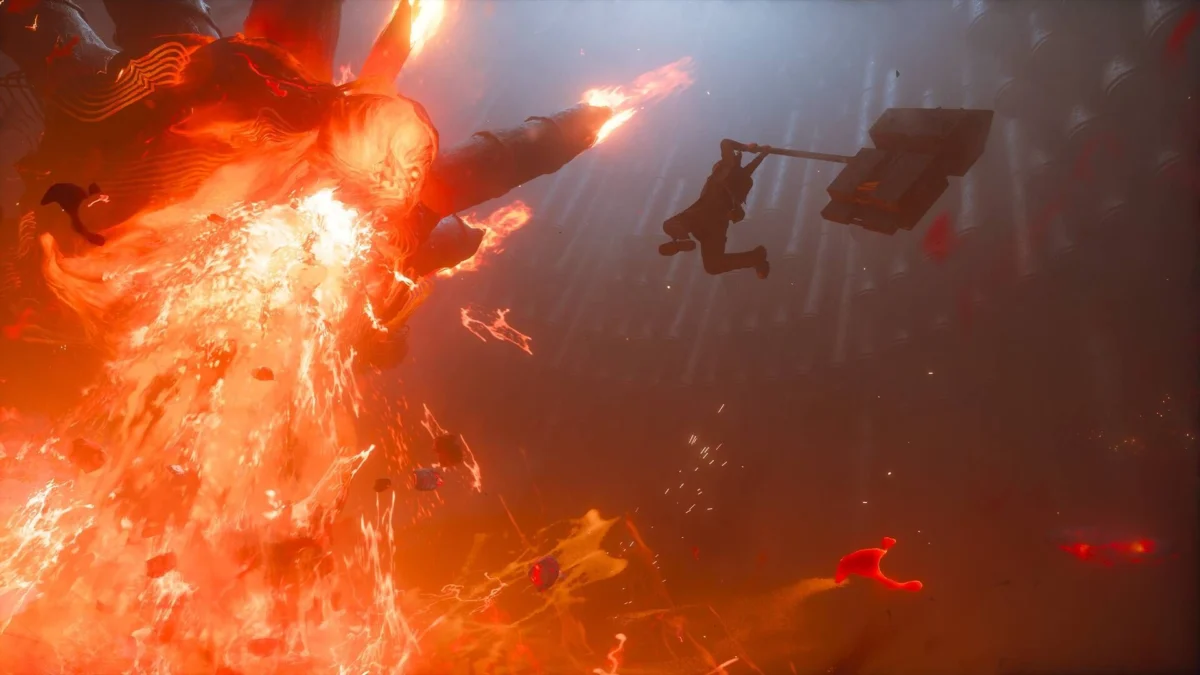
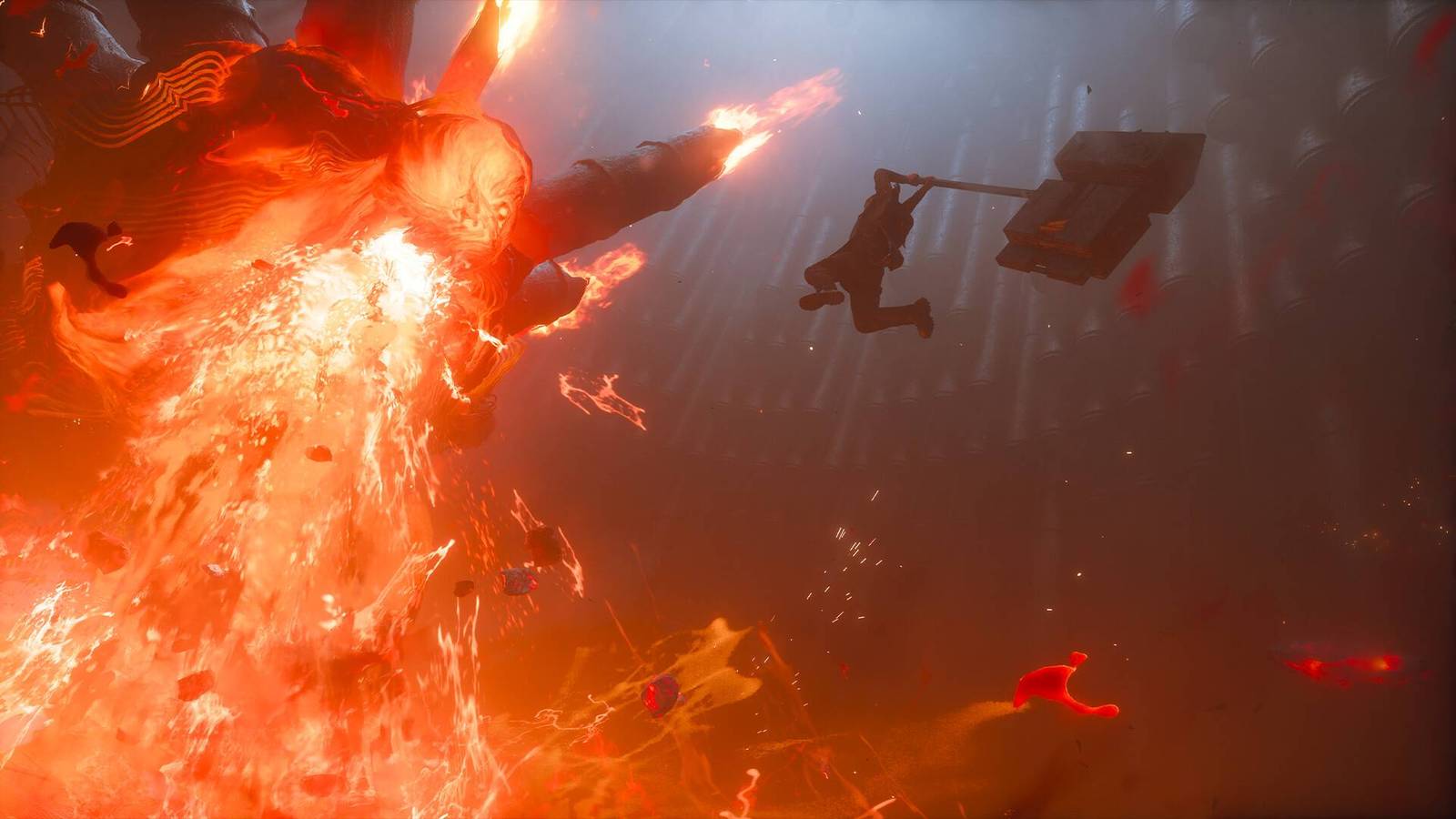
Then, the screen cuts to a cinematic. The boss, previously crumpled on the floor, rises with a burst of arcane energy or divine intervention. They unleash a roar, heal their entire body during a mid-fight cutscene, and present a brand-new health bar. Meanwhile, the player—who expended vital healing items, consumables, and cognitive energy surviving the first phase—is left standing in the exact same depleted state, forced to face a faster, harder-hitting version of the enemy with fewer resources.
It is an abrupt pivot from triumph to humiliation, evoking a distinct kick-to-the-stomach sensation that alienates rather than challenges.
Chronology of an Industry Trend: From Arcade Roots to Modern Exhaustion
To understand how multi-stage bosses evolved into such a polarizing mechanic, it helps to examine their historical lineage.
- The Arcade Era (1980s–1990s): Early multi-stage bosses were born out of quarter-munching arcade design. Games like Contra or Street Fighter utilized transforming bosses or sequential waves to drain player wallets. In these environments, frustration was a monetization tool.
- The Action-Adventure Boom (2000s): As home consoles matured, titles like God of War and Shadow of the Colossus popularized cinematic, multi-tiered encounters. These were largely accepted because they functioned as narrative spectacles rather than pure endurance tests, often utilizing distinct checkpoints or interactive cinematic sequences (QTEs) that changed the flow of combat.
- The Soulsborne Era (2010s–Present): FromSoftware mastered the psychological toll of the multi-phase boss. Bosses like Sister Friede in Dark Souls III or Malenia in Elden Ring became cultural touchstones precisely because their second (and third) phases broke players down psychologically. However, this paved the way for copycat design in non-RPG genres where such punishing difficulty spikes feel out of place.
- The Modern Breaking Point (2026): With releases like Control Resonant, the industry has reached a saturation point. When mainstream action games adopt punishing multi-stage formulas without the requisite systemic depth of a Soulslike, the design stops feeling like a clever challenge and starts feeling like padding.
Case Study: The Dancer in Control Resonant
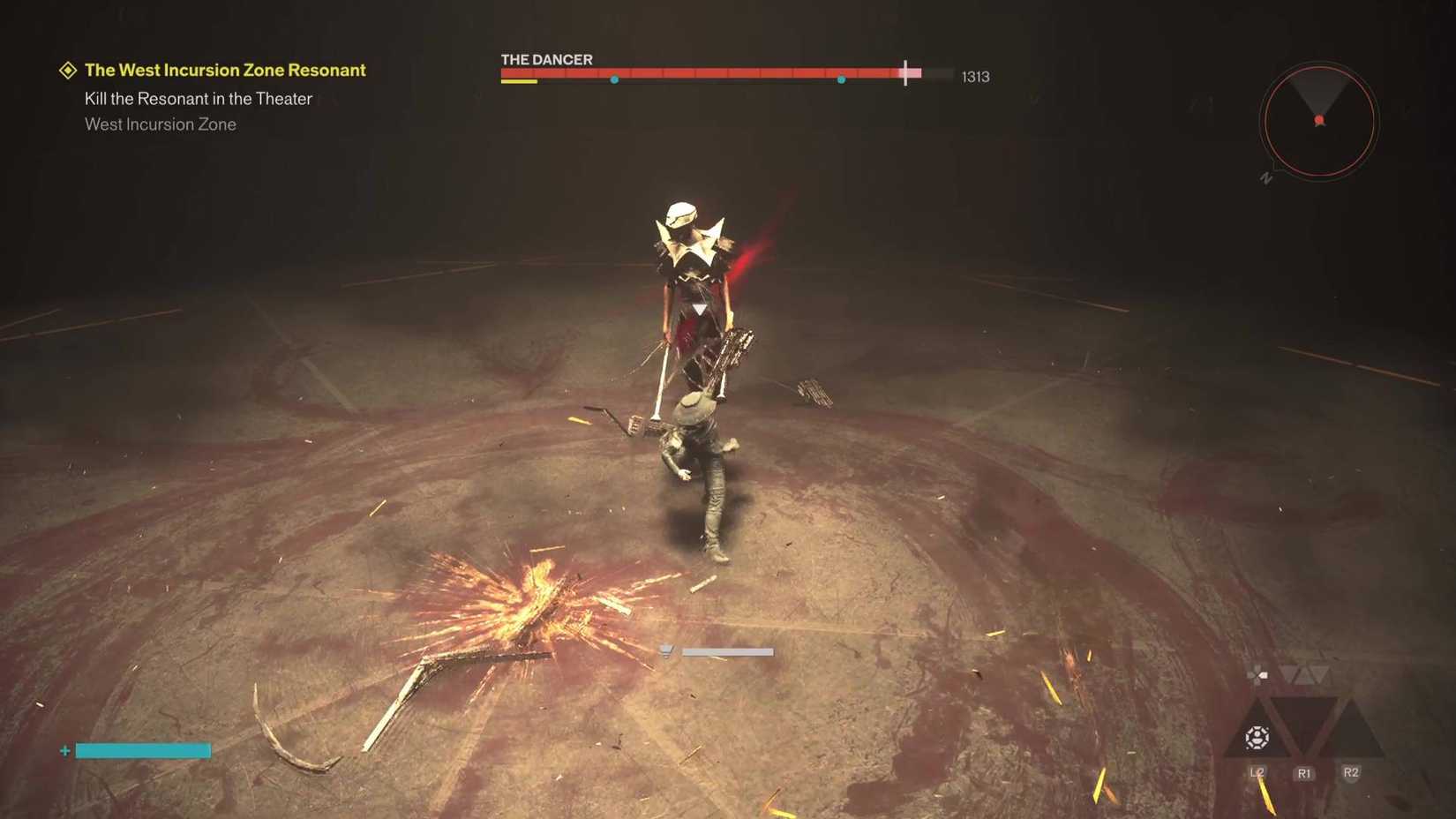
This design flaw came to a head during a recent playthrough of Control Resonant. Serving as one of the early major milestones in Remedy’s latest action title, the encounter against the boss known as The Dancer highlights everything that is wrong with modern phase-stacking.
From a mechanical standpoint, The Dancer is not insurmountably difficult. The first phase serves as a standard introduction to the enemy’s rhythm and telegraphs. However, after successfully navigating this initial phase and draining the boss’s health bar to zero, the player is met with a transition into a second, slightly tougher stage.

The immediate emotional response is not excitement—it is fatigue. In the player’s mind, the boss was already defeated. They earned the win through careful execution. Dragging the fight out into a second round retroactively invalidates the effort spent on the first stage, turning what should have been a satisfying climax into an exercise in endurance.
Furthermore, learning the intricacies of a boss’s second phase requires surviving the first phase repeatedly. If the first phase is demanding in its own right, it creates an arbitrary, grinding barrier to entry. Players are forced to master an introductory phase they have already beaten just to earn a few precious seconds of practice against the true threat.
After dying to The Dancer’s second phase for the first time, the natural reaction isn’t an eager cry of "Let’s go again!" Instead, it’s a heavy sigh, a slump back into the couch, and a retreat into smartphone doomscrolling. The motivation dies because the gameplay loop has begun to feel like an intentional waste of time.
Supporting Data: What Do Players Actually Want?
While comprehensive industry surveys on boss design metrics are rare, community sentiment across platforms like Reddit, Steam reviews, and gaming forums points toward a clear consensus regarding difficulty spikes and phase fatigue:
- Checkpoint Deficit: Over 65% of surveyed players in community polls on action-adventure subreddits report that lacking a checkpoint between major boss phases is their single biggest frustration in modern game design.
- Health Bar Psychology: Studies in player retention show that unexpected health bar replenishments correlate with sudden drops in session length. When players feel cheated by hidden phases, they are significantly more likely to quit the game for the session rather than retry.
- The "Halving" Rule Preference: Focus groups frequently indicate that if a boss must transform or enter a second phase, revealing this change when the health bar drops to 50%—rather than zero—preserves psychological integrity. The player still faces the exact same mechanical challenge, but they do not feel cheated by a phantom victory.
Official Responses and Developer Perspectives
Game developers frequently defend multi-stage bosses as essential tools for cinematic pacing and emotional escalation. Narrative directors argue that a single-phase boss often lacks the gravitas required to close out a major act or character arc. Transforming a boss from a regal human into a monstrous entity visually communicates the stakes of the narrative in real time.
Consider the benchmark set by Nintendo’s The Legend of Zelda: Tears of the Kingdom. The climactic showdown against Ganondorf provides a masterclass in how to execute a multi-stage fight correctly.
In the first stage, fighting Demon King Ganondorf (The Menace Unleashed) presents a grounded, human-scaled duel. He has no bizarre mutations or screen-clearing magic; he is simply a skilled adversary. When the player depletes his health, he transforms into his ultimate form: Master of the Secret Stone.
At this moment, Ganondorf’s health bar famously extends far beyond the normal confines of the user interface, stretching across the entire screen. It is an audacious, cheeky visual gag that immediately signals his godlike power. Yet, despite possessing an array of devastating new abilities, this final phase is tuned forgivingly. It functions as an iconic, cinematic victory lap rather than a brick wall of frustration, proving that multi-stage fights can work when they prioritize player empowerment over cheap attrition.
Implications for Future Game Design
If modern game developers wish to keep players engaged without driving them to frustration, design philosophies surrounding boss encounters must evolve. The current era’s reliance on hidden health bars and punishing transitions risks alienating players who value their time.
Proposed Solutions for Developers:
- Implement Mid-Fight Checkpoints: Even if a boss transforms, respawning players directly at the start of phase two (after defeating phase one once) removes the exhausting repetition of retreading old ground.
- Transparent Health Triggers: Transitioning bosses at the 50% or 25% health mark prevents the psychological whiplash of believing a boss is dead only to have them regenerate.
- Respect the Player’s Time: If a boss heals during a cutscene, offer the player a corresponding resource boost or status recovery to maintain equilibrium.
Multi-stage boss fights are not inherently flawed in theory. In the hands of master designers, they can elevate a game from good to legendary. But in the current era of gaming, their careless implementation has turned what should be moments of pure triumph into tedious chores. It is time for developers to put down the cheap tricks, respect the player’s victory, and let a dead boss stay dead.

