

The creator economy is a landscape defined by perpetual motion. As platforms evolve, algorithms shift, and creators navigate the delicate balance between personal privacy and public engagement, the industry continues to redefine what it means to be a "professional" in the digital age. This week, we explore the most significant developments—from the retirement of a YouTube titan to the strategic expansion of traditional media giants into the creator space.
I. Main Facts: The Changing of the Guard
The most prominent headline this week involves the end of an era for the YouTube community. Felix Kjellberg, better known as PewDiePie, has officially announced the conclusion of his family vlogging series. After a career spanning over a decade, Kjellberg’s shift from high-octane gaming content to a more intimate, Japan-based lifestyle vlog was a major pivot. However, as he balances the demands of fatherhood with the relentless nature of public fame, Kjellberg has decided that the privacy of his son takes precedence.
"It’s a good time to stop," Kjellberg noted, marking a definitive end to his documented family chronicles. This move signals a broader trend: creators are increasingly prioritizing the sanctity of their personal lives over the engagement metrics of their "relatable" content.
While one legend steps back, others are teasing a resurgence. Zoe Sugg and Alfie Deyes, long considered the "it couple" of the British vlogging scene, have hinted at a potential comeback. Despite rumors circulating after a fan purchased some of Deyes’ old equipment on the resale platform Vinted, the couple confirmed that their professional camera gear remains firmly in their hands, suggesting that a return to long-form YouTube content may be on the horizon.
II. Chronology: A Week of High-Stakes Moves
The week’s events reflect the frenetic pace of the digital entertainment industry:
- Monday: The "Made on YouTube" event concluded with the major announcement that YouTube has secured the exclusive streaming rights to the Coachella music festival through 2030, reinforcing the platform’s commitment to live event dominance.
- Tuesday: Intersection, the firm managing LinkNYC displays, launched a new campaign featuring six local creators, effectively bridging the gap between digital content and urban out-of-home advertising.
- Wednesday: Banijay Entertainment announced it would be bringing the classic game show format Beat the Star to Twitch and YouTube, pitting prominent German creators against one another in a bid to modernize traditional game show distribution.
- Thursday: Apple Podcasts unveiled a suite of new monetization features, including subscriber-exclusive episodes and early-access content, aiming to stem the tide of creators migrating to more creator-friendly platforms like YouTube and Spotify.
- Friday: TikTok US joined the "Lantern" coalition, an international technology-sharing platform designed to identify and track bad actors across digital services, signaling a proactive shift in the platform’s safety infrastructure.
III. Supporting Data: The Numbers Behind the News
The industry’s reach is expanding, often in ways that challenge traditional television metrics.
- Viewer Engagement: Jynxzi’s recent Fortnite duo showdown shattered expectations, peaking at over 150,000 concurrent viewers. This performance underscores the growing viability of independent creator-led gaming tournaments over traditional broadcast esports.
- Economic Arbitrage: WinRAR, the legendary software utility, provided a masterclass in viral marketing this week. By contrasting the cost of its long-ignored license against the price of a luxury handbag, the company illustrated the psychological disconnect in consumer spending, effectively highlighting that their product—costing roughly one-fifth of a designer bag—is perhaps undervalued by their own user base.
- Platform Competition: The WWE’s decision to broadcast events on Rumble serves as a critical case study in platform diversification. As large entities look for "right-leaning" or alternative digital hubs, the traditional reliance on YouTube is being tested, even as YouTube remains a dominant player for live events like Coachella.
IV. Official Responses and Industry Sentiment
The intersection of government, advocacy, and commerce has created a tense environment for creators.
The U.K. "Creator Voices" Initiative
At the annual YouTube Festival in London, the platform introduced "Creator Voices." This coalition of industry professionals aims to advocate for independent creators in the United Kingdom. This is a direct response to the pressure exerted by traditional British broadcasters, who have been lobbying for more stringent regulations on online content creators. The industry’s sentiment is clear: as creator content becomes the primary source of entertainment for the youth demographic, the need for formal political representation has become a necessity rather than a luxury.
The Dan Gheesling Controversy
Big Brother winner Dan Gheesling found himself at the center of a firestorm following his sponsorship with the U.S. Army for the reality series Field Tested. The backlash from the gaming community was immediate and severe, leading to talent agencies distancing themselves from streamers who voiced support for the partnership. This incident raises profound questions about the ethics of creator endorsements: at what point does a brand deal compromise a creator’s professional standing within their own community?
V. Implications: The Path Forward
The "Go Back" Narrative Reclaimed
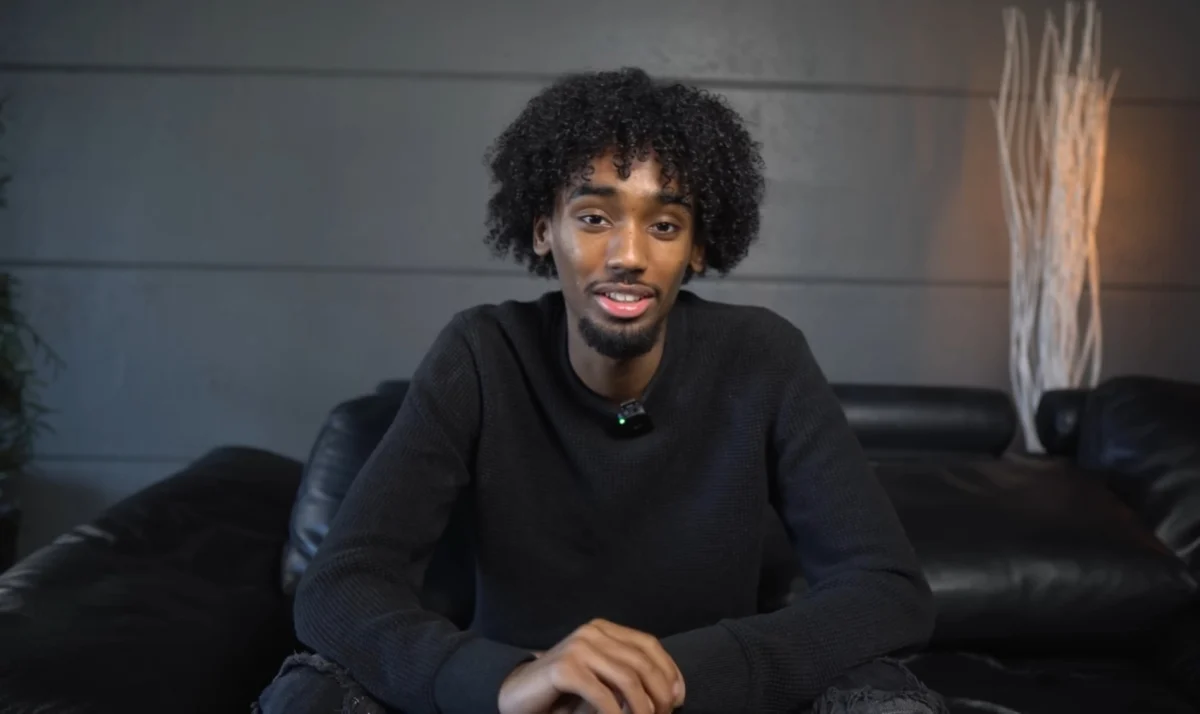
Perhaps the most powerful story of the week belongs to Abdirahman Keinaan. A Finnish YouTuber who has faced repeated xenophobic taunts to "go back to Somalia," Keinaan has transformed this hate into a profound creative opportunity. His new documentary series, Keinaan, Go Back To Somalia, serves as a reclamation of identity. By leaning into the insult, he has turned a weaponized phrase into a bridge between cultures. This highlights a burgeoning trend: creators are no longer passive recipients of internet toxicity; they are actively repurposing it into meaningful long-form storytelling.
The Rise of Niche Discovery
The launch of OnlyGays, a new search directory developed by Mango Digital, highlights the industry’s shift toward specialized discovery. As social platforms become increasingly saturated, general-purpose discovery algorithms are failing to surface specific, community-driven content. Directories that cater to marginalized or specific-interest groups are becoming essential infrastructure for the next phase of the creator economy.
Monetization as a Defensive Strategy
Apple’s push into subscriber-exclusive podcasts is a clear indicator that the platform is losing the battle for the "creator mindshare." By implementing paywalls, Apple is attempting to replicate the successful creator-fan relationship models pioneered by Patreon and Substack. However, the success of this model will depend on whether Apple can foster the same sense of community that current, more interactive platforms provide.
Conclusion: A Maturing Industry
The events of this week demonstrate that the creator economy is maturing into a complex, multifaceted ecosystem. We are moving away from the "Wild West" days of the early YouTube era toward a structured environment where privacy, political advocacy, and platform-specific monetization are the primary drivers of success.
As we look toward the remainder of the year, it is evident that the "creator" label is becoming increasingly fluid. Whether through a high-stakes Fortnite tournament, a documentary on cultural heritage, or a strategic pivot away from public vlogging, the individuals leading this industry are proving that influence is no longer just about views—it is about the power to shape discourse, demand change, and, most importantly, protect one’s own boundaries. The industry is no longer just "trending"; it is establishing itself as the permanent bedrock of global culture.

