

By [Your Name/Editorial Team]
Diablo 4 is currently enjoying what is arguably its finest hour. Following the release of the Lord of Hatred expansion, the game has undergone a structural metamorphosis, shedding its identity as a shallow, repetitive grind to become a robust, deep action RPG that finally respects player agency. However, as the game enters the "Season of Death Awakening," a glaring disconnect has emerged: while the core game has evolved, the seasonal content seems trapped in the past.
The New Foundation: Why Lord of Hatred Changed Everything
For the uninitiated, Lord of Hatred was not just a content drop; it was a fundamental recalibration of Diablo 4. By introducing intricate skill trees, a sophisticated item crafting system that feels rewarding rather than punitive, and an endgame loop that allows players to curate their own experience, Blizzard finally provided a stable foundation for the future of the franchise.
For many veterans and returning players, this was the first time Diablo 4 felt like a cohesive vision rather than a collection of disparate systems waiting for an overhaul. The success of the expansion was measured not just in sales, but in the player experience—specifically, the ability to build a character into a "demon-slaying god" through natural experimentation rather than religious adherence to online build guides. It was, for a fleeting moment, a game with a clear, ambitious path forward.
Chronology of a Disconnect: From Expansion to Season 14
To understand why the Season of Death Awakening feels like a regression, one must look at the timeline of development. Blizzard has been transparent about the long lead times required to produce seasonal content. This means the mechanics for Season 14 were largely locked in before the community’s enthusiastic reception of Lord of Hatred could be fully digested and integrated into the design philosophy.
- Pre-Expansion: The game struggled with identity, often oscillating between seasonal gimmicks that felt detached from the base experience.
- The Expansion Launch: Lord of Hatred arrives, introducing deep customization and an endgame loop that prioritizes player agency.
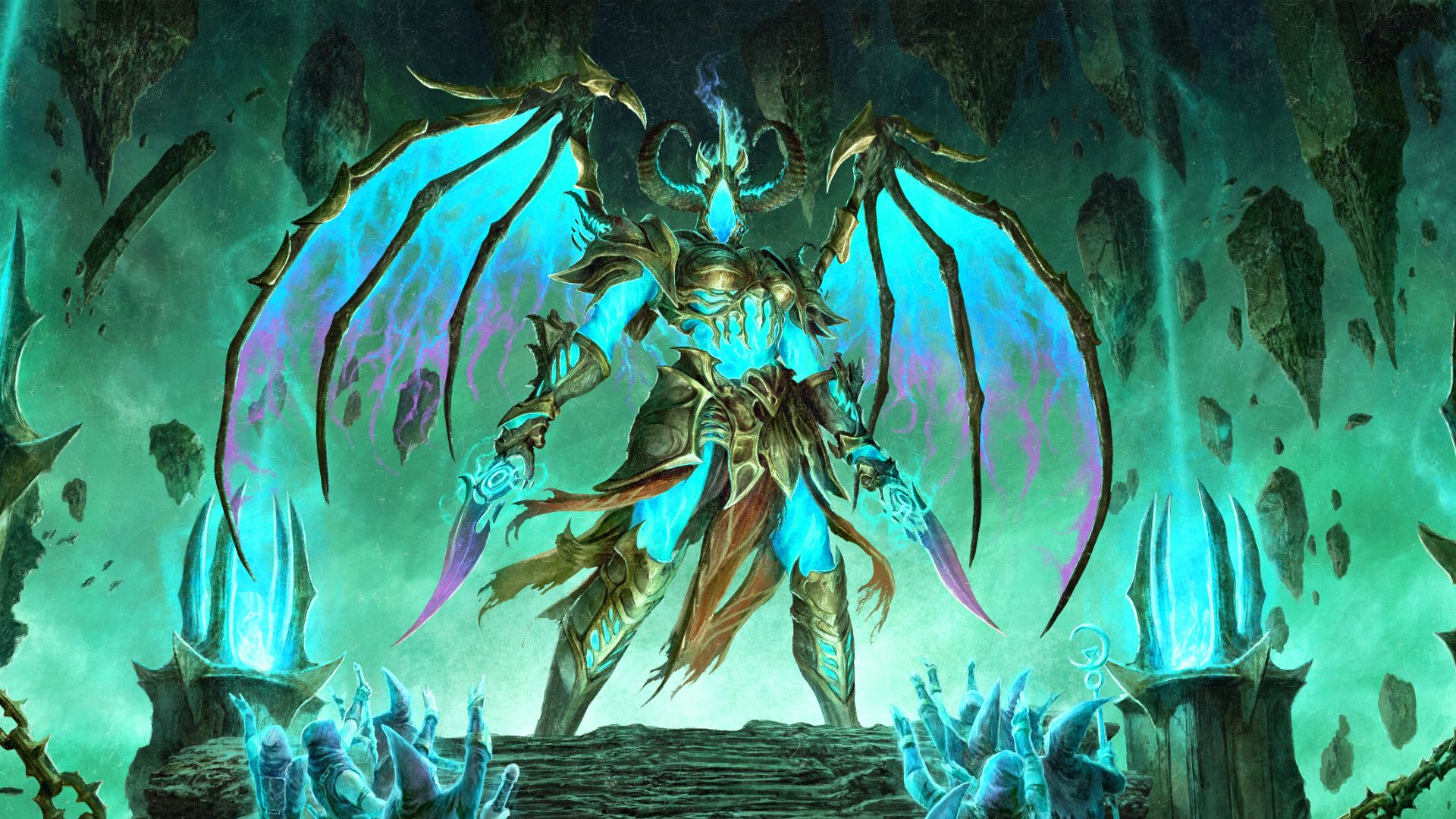
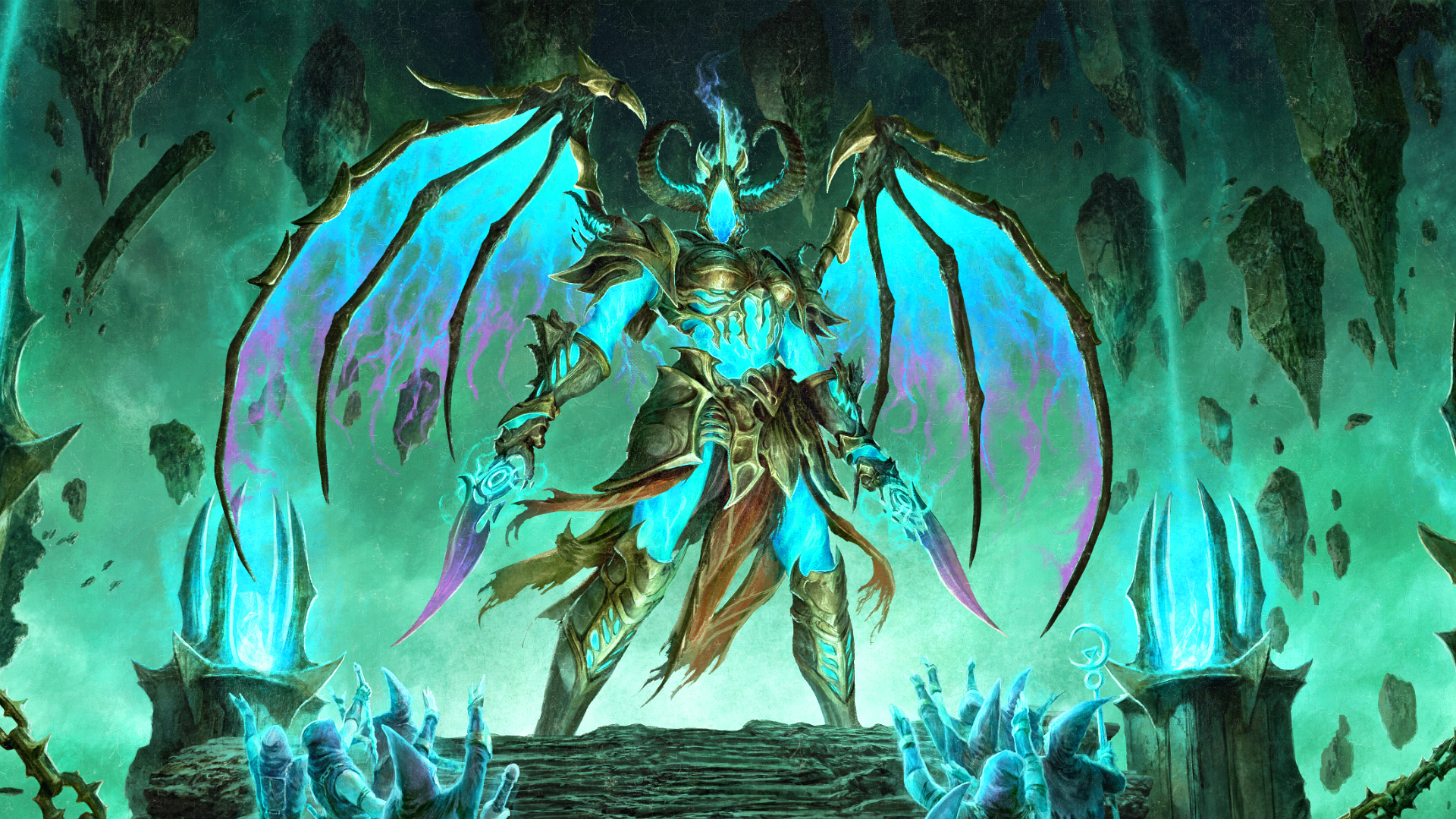
- The Season 14 Transition: The "Season of Death Awakening" launches, introducing "Ruptures" and the return of the Realmwalker demon. Despite the game’s newfound depth, these seasonal activities fail to utilize the very systems that made the expansion successful.
The result is a jarring experience: players have access to a game-changing, complex itemization and skill system, but they are being asked to engage with seasonal activities that feel as thin and temporary as those from the game’s launch year.
Missed Opportunities: The "Rupture" Problem
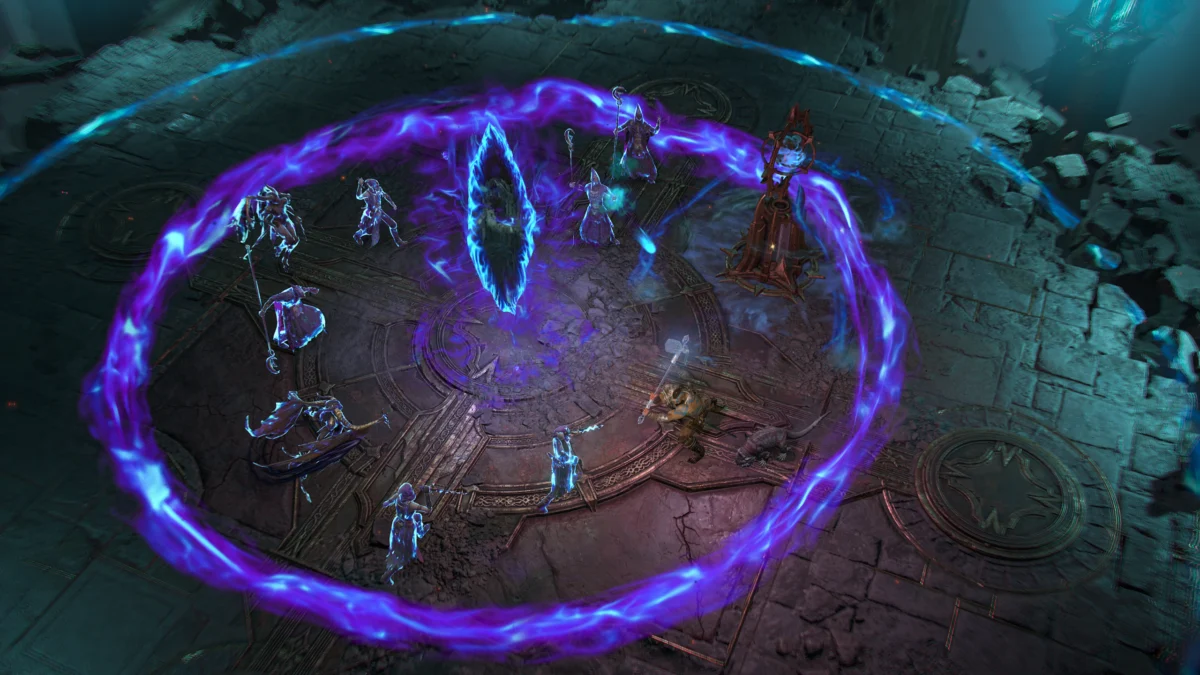
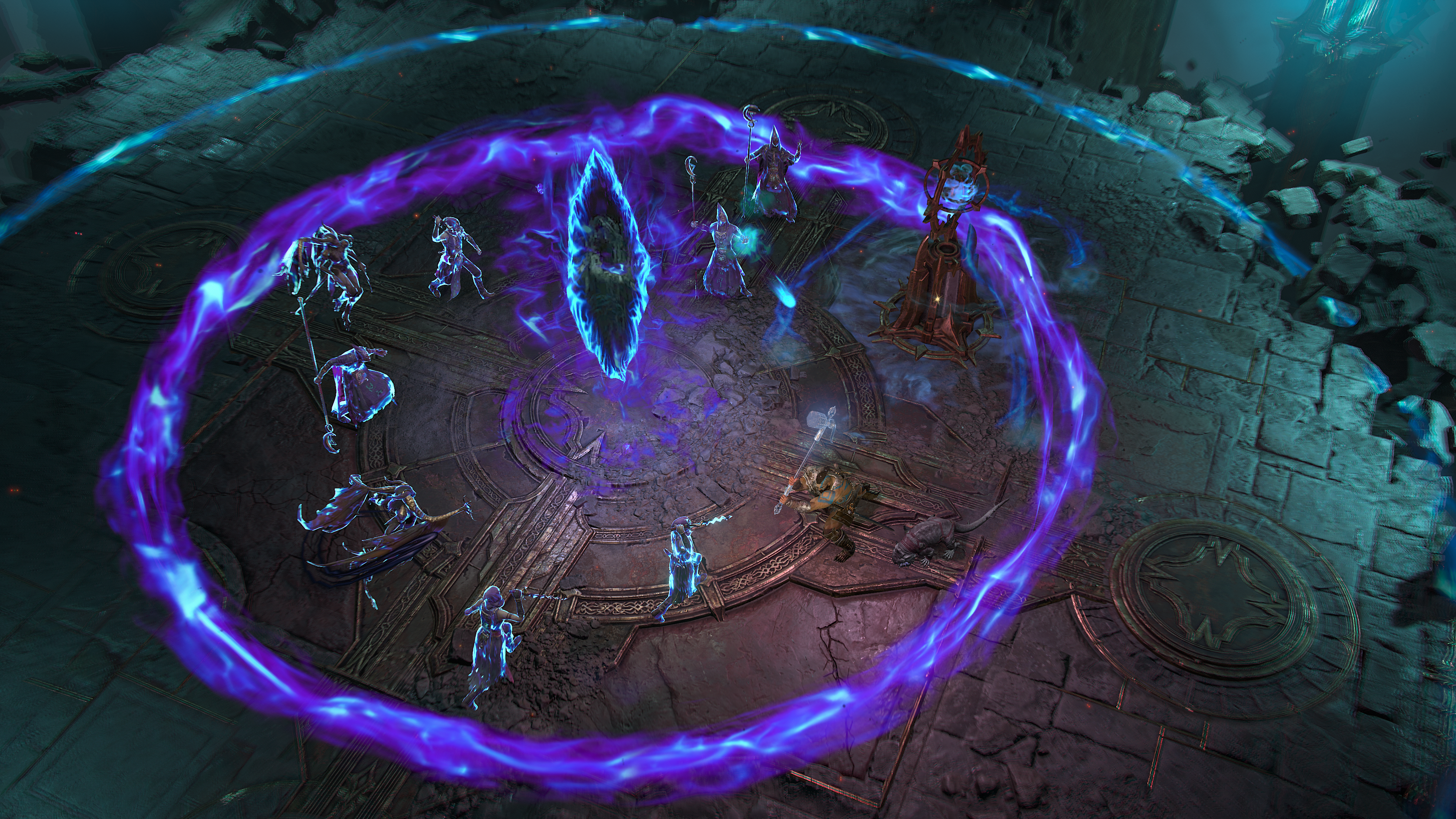
The centerpiece of the new season, "Ruptures," is a perfect case study in design stagnation. The mechanic is simple: stand in a circle, eliminate waves of enemies, and collect loot. While these events are effective for leveling up new characters in the early game, they lose all relevance the moment a player reaches the endgame.
In a post-Lord of Hatred landscape, where the endgame is defined by the War Plans table and complex crafting loops, Ruptures feel like a hollow vestige of an older, simpler Diablo. They do not interact with the new skill trees, they do not offer unique progression paths, and they remain entirely disconnected from the broader endgame ecosystem.
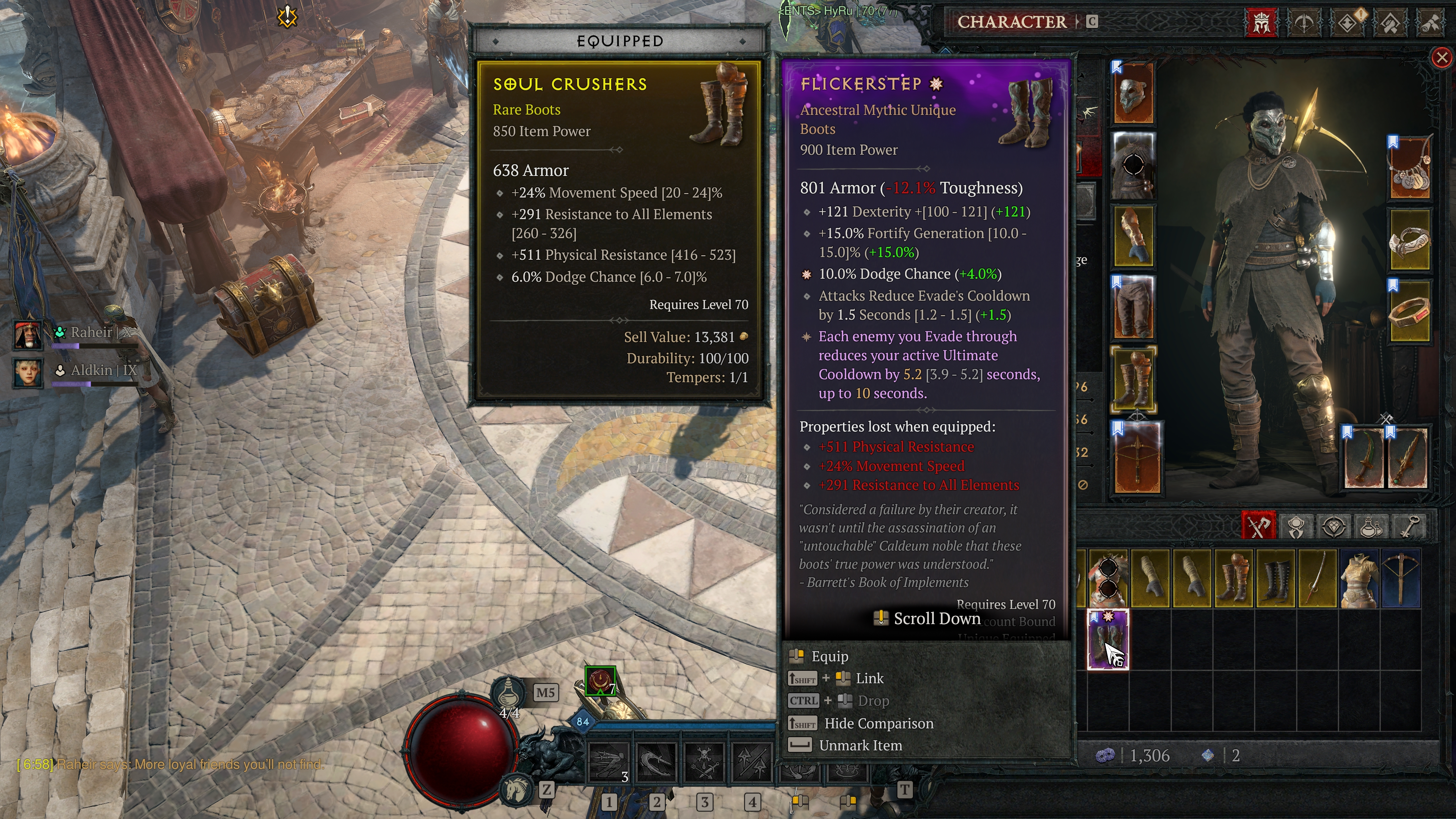
When a player ignores a seasonal event because it offers nothing that cannot be obtained more efficiently through standard, permanent content, the season has failed. Currently, the only reason to engage with the season’s "Deathtoll Chamber" or the Realmwalker is a desperate hunt for Mythic Uniques—a repetitive cycle that highlights how little the actual gameplay loop has been innovated to match the base game’s new complexity.
Official Responses and Development Realities
Blizzard has acknowledged the difficulty of maintaining the cadence of seasonal updates while simultaneously developing massive expansions. The developer has stated that they aim for seasons to act as a testing ground for new ideas. However, the current strategy of "seasonal isolation" is starting to wear thin.
The most recent controversy regarding the threat to nerf powerful loot—which Blizzard walked back after significant community backlash—is indicative of the tension between developers wanting to maintain "balance" and players wanting to feel powerful. It is a healthy debate to have, but it underscores the broader issue: Blizzard is struggling to decide whether seasons should be an experimental sandbox or a continuation of the core game’s growth.
Implications for the Future of Diablo
The implications of this disconnect are significant. If each season continues to ignore the advancements made in the base game, Diablo 4 risks creating a permanent "version split." Players will eventually stop engaging with the seasonal content if it feels like a chore—or worse, a distraction—from the systems they actually enjoy.
The Path Forward
- Systemic Integration: Future seasonal mechanics must be built with the Lord of Hatred skill trees and crafting systems in mind. If a new mechanic doesn’t offer a way to interact with these systems, it will inevitably feel like a "dead" addition.
- Untethering from Expansion Constraints: Blizzard must find a way to allow the base game to evolve alongside the expansion, ensuring that free-to-play players and expansion owners alike aren’t subjected to content that feels intentionally "dumbed down."
- The Path of Exile Benchmark: While comparisons between Diablo 4 and Path of Exile (PoE) have historically been divisive, Grinding Gear Games has set a standard for how to integrate complex, experimental league mechanics into the core game over time. Blizzard does not need to copy PoE, but it does need to learn how to make its seasonal additions feel like permanent, meaningful upgrades to the overall experience rather than temporary, disposable "apps."
Conclusion: A Call for Evolution
Blizzard has proven it can make Diablo 4 a world-class action RPG. The systems introduced in the latest expansion are evidence of a team that finally understands what its audience wants. The tragedy of Season 14 is not that it is "bad"—the core game is still excellent—but that it is a missed opportunity.
When the game itself has grown so much, the seasonal content cannot afford to remain stagnant. If Blizzard intends for Diablo 4 to remain a juggernaut in the genre for years to come, it must stop treating seasons as a separate, disposable track and start treating them as a continuous evolution of the masterpiece they have finally begun to build. For now, the "Season of Death Awakening" serves as a reminder that even with the best foundation in the world, the structure on top must be built with the same level of care and vision.

