

The global personal computer market is currently navigating one of its most turbulent periods in recent history. According to the latest data from IDC, worldwide PC shipments experienced a significant contraction in the third quarter of 2026, dropping to 62.7 million units from 78.5 million in the same period a year prior. This 20.1% year-over-year decline marks a sobering inflection point for an industry that has spent the last two years attempting to stabilize following the post-pandemic volatility.
As supply chain analysts and market observers pore over these figures, it has become increasingly clear that the industry is trapped in a complex web of logistical "pull-ins," macroeconomic headwinds, and the insatiable, resource-heavy appetite of the artificial intelligence sector.
The Anatomy of the Decline: A Chronology of Supply Chain Disruption
To understand why the market plummeted so sharply in Q3 2026, one must look back at the erratic behavior of the industry throughout the first half of the year.
Early 2026: The "Pull-In" Phenomenon
In early 2026, major PC vendors, fearing the escalating costs of memory (DRAM and NAND) and other critical components, moved aggressively to secure supply. Driven by forecasts of imminent price hikes, companies engaged in a massive "pull-in" of stock. By hoarding inventory, vendors were able to artificially bolster shipment figures during the first and second quarters. However, this strategy effectively "borrowed" demand from the latter half of the year.

Q3 2026: The Demand Deficit
By the time the third quarter arrived, the market was left starved. With warehouses already brimming with pre-purchased inventory and end-user demand remaining soft due to persistent inflation, the traditional seasonal growth pattern—where Q3 usually outperforms Q2—failed to materialize. Instead of a seasonal uptick, the industry faced a vacuum, leading to the staggering 20.1% drop reported by IDC.
The AI Factor: Memory and the Resource Tug-of-War
At the heart of the current crisis is the explosive growth of AI. The massive infrastructure requirements for training and deploying large language models and other generative AI platforms have created a global scramble for high-bandwidth memory (HBM) and high-capacity storage.
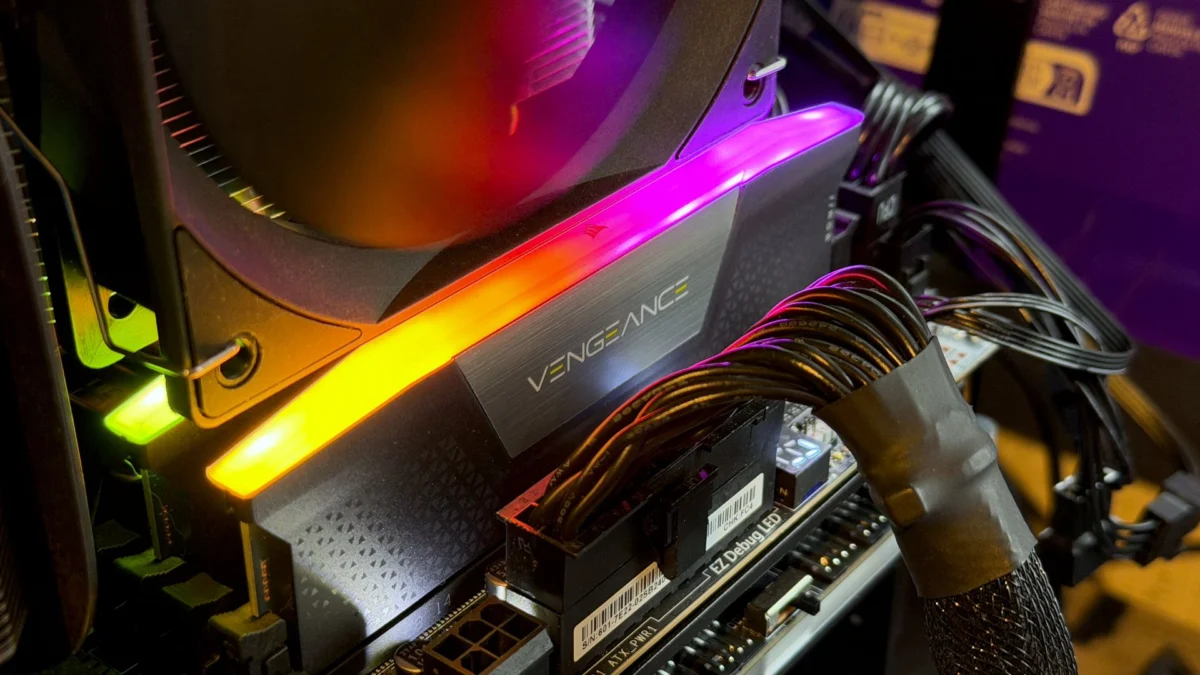
As server manufacturers prioritize AI-optimized hardware, the supply of memory modules available for the consumer PC market has been squeezed. Micron’s leadership and other industry giants have been vocal about the scarcity, with warnings that these shortages are not temporary blips but structural shifts in how memory is allocated globally. This "AI tax" on the PC industry means that every gigabyte of RAM or terabyte of storage redirected to a data center is one less component available for a consumer gaming rig or office workstation, keeping prices stubbornly high despite the drop in overall demand.
Market Share and Industry Leaders: The Great Contraction
The economic pain has not been distributed evenly. Major industry titans, including Lenovo, HP, and Dell, saw their shipment volumes fall faster than the broader market average.
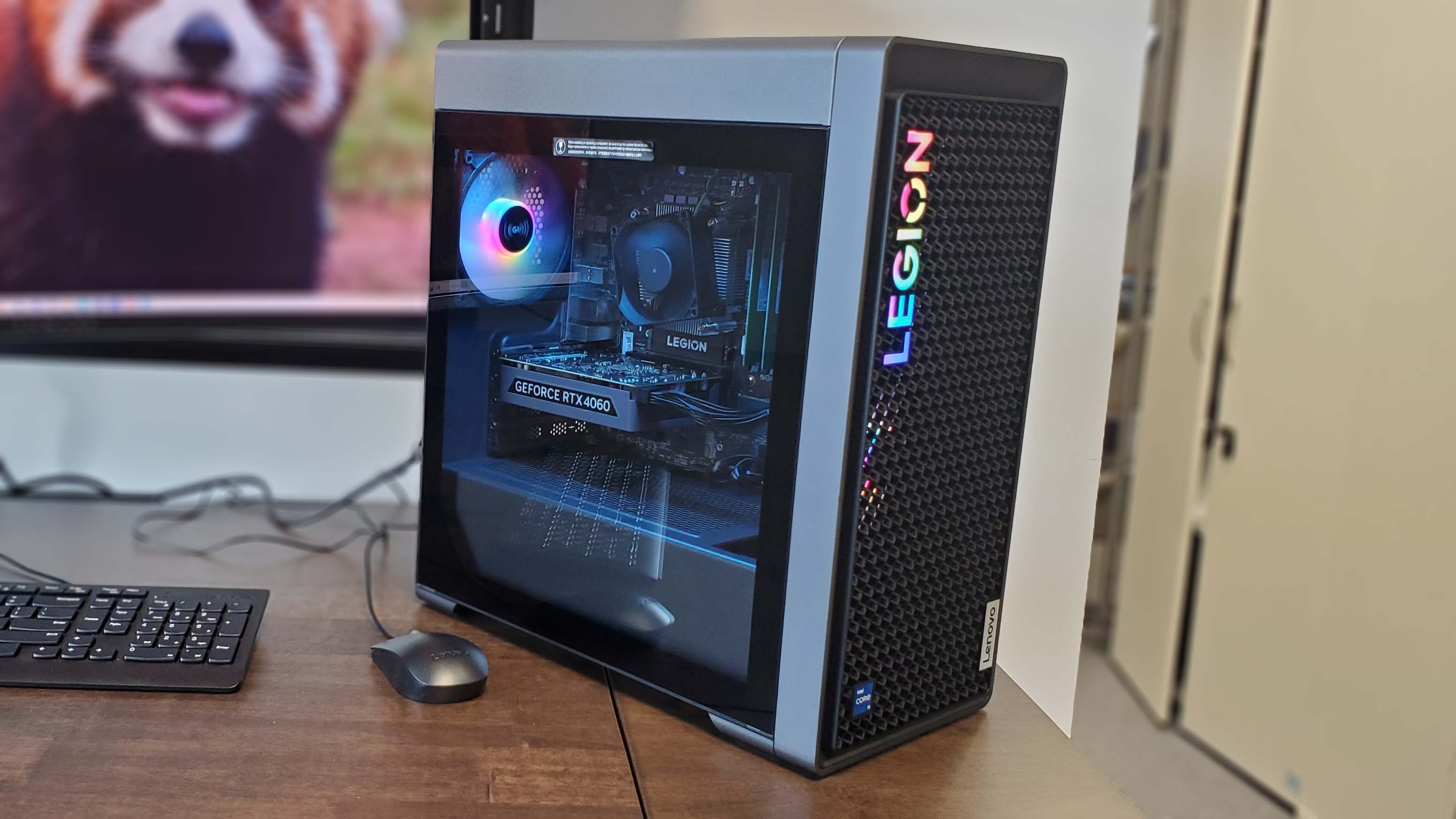
- Lenovo: Despite maintaining its position as the world’s largest PC shipper, the company felt the brunt of the global cooling.
- HP: As one of the hardest-hit manufacturers, HP saw its market share shrink from 19.1% to 16.5%.
- Dell: Similar to its peers, Dell experienced a significant decline in unit volume, struggling to maintain its market footprint in a saturated and price-sensitive environment.
- Apple and Asus: The premium and specialized segments were not immune. Apple saw an 11.3% drop, while Asus reported an 8.6% decline, highlighting that even brands with strong consumer loyalty are battling the reality of a market where discretionary spending has been severely curtailed.
Collectively, the top three vendors lost 4.2 points of market share, a clear indication that the current instability is shaking the foundations of even the most established players.
Macroeconomic Implications and the Outlook for 2027
The IDC report paints a grim picture for the remainder of 2026 and the early months of 2027. The industry is currently facing a "double-jeopardy" scenario: high inventory levels coupled with softening consumer demand caused by broader macroeconomic instability.
The Pricing Paradox
While industry analysts suggest that vendors may introduce temporary promotions to clear out excess inventory, there is little hope for a return to pre-2026 price points. The cost of components—driven by the aforementioned AI server demand and the rising cost of logistics—remains elevated. Consumers should prepare for a "new normal" where hardware costs stay well above year-ago levels, even if aggressive marketing campaigns attempt to mask the underlying inflation.
The Macroeconomic Threat
The International Monetary Fund (IMF) and other economic observers have noted a cooling in global growth, which directly impacts the PC sector. When households and businesses face economic uncertainty, technology refreshes are the first items to be pushed to the back of the budget. If macro conditions continue to worsen as projected, the industry could face a prolonged period of stagnant growth, forcing manufacturers to rethink their product lineups and target markets.

Expert Analysis: A Lack of Light at the End of the Tunnel
"Channels are now worried about carrying too much inventory into a market where high prices are suppressing demand," says Jitesh Ubrani, Research Director at IDC. "That could translate into promotions and some short-term relief for consumers, but we don’t expect pricing anywhere near what it was a year ago. Prices will remain elevated. With macro conditions worsening, the risk is that the outlook for the next few quarters gets worse before it gets better."
This sentiment is echoed by supply chain veterans who have seen similar cycles before but note that the current intersection of AI-driven supply constraints and global economic fragility is unprecedented. The "bullwhip effect"—where small changes in consumer demand lead to massive swings in supply chain orders—has rarely been as pronounced as it is today.
Conclusion: The Path Forward for PC Enthusiasts
For the average consumer, the immediate future looks challenging. The dream of affordable, high-performance hardware is currently being stifled by global supply chain priorities that favor enterprise AI infrastructure over individual retail buyers. While the prospect of clearance sales might offer minor relief, the structural cost of building or buying a high-end machine is unlikely to drop significantly in the near term.
As the industry looks toward 2027, the focus will likely shift from aggressive growth to survival. Manufacturers must manage their existing inventory with extreme caution to avoid further "starved" quarters. For the end user, the best advice remains the same as it has been for much of this year: purchase hardware only when absolutely necessary, and be prepared for a market that is fundamentally less forgiving than it was just eighteen months ago.
The PC industry has proven its resilience in the past, surviving chip shortages and global pandemics, but this current challenge—a mix of massive technological shifts and economic cooling—will test the limits of even the largest hardware conglomerates. For now, the "wait and see" approach seems to be the only rational strategy for both the vendors and the customers who support them.

