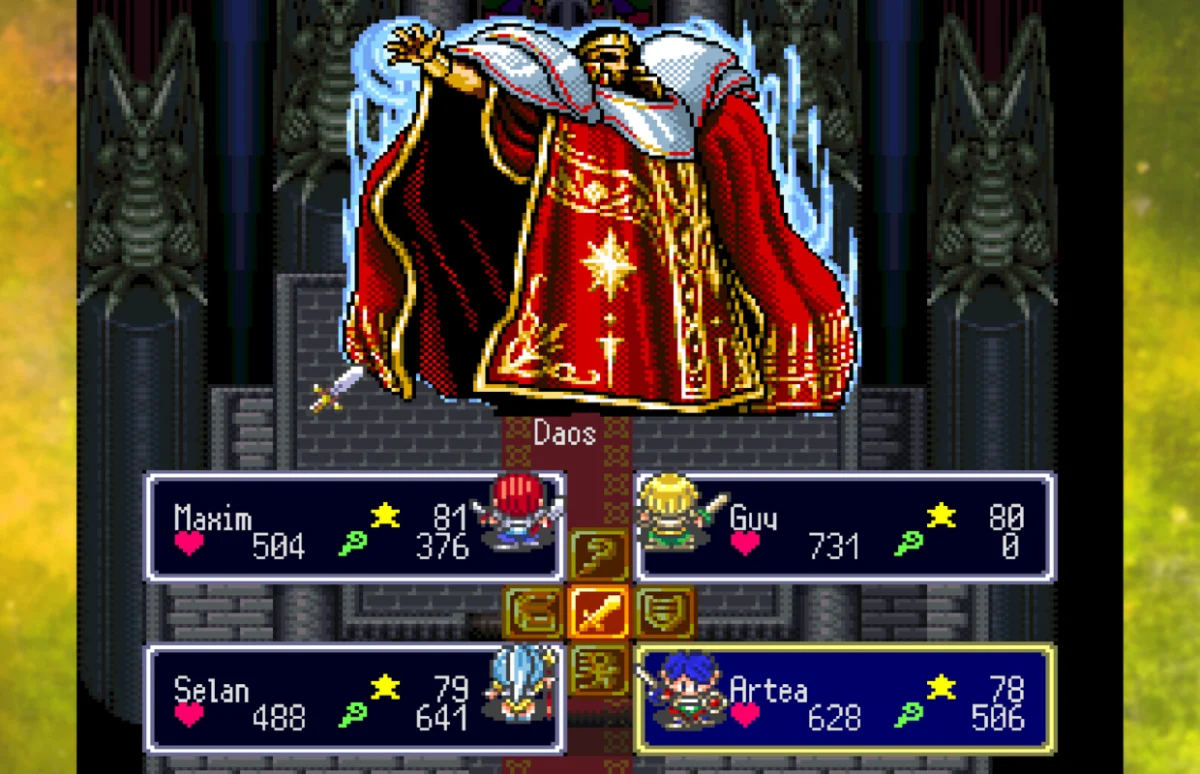
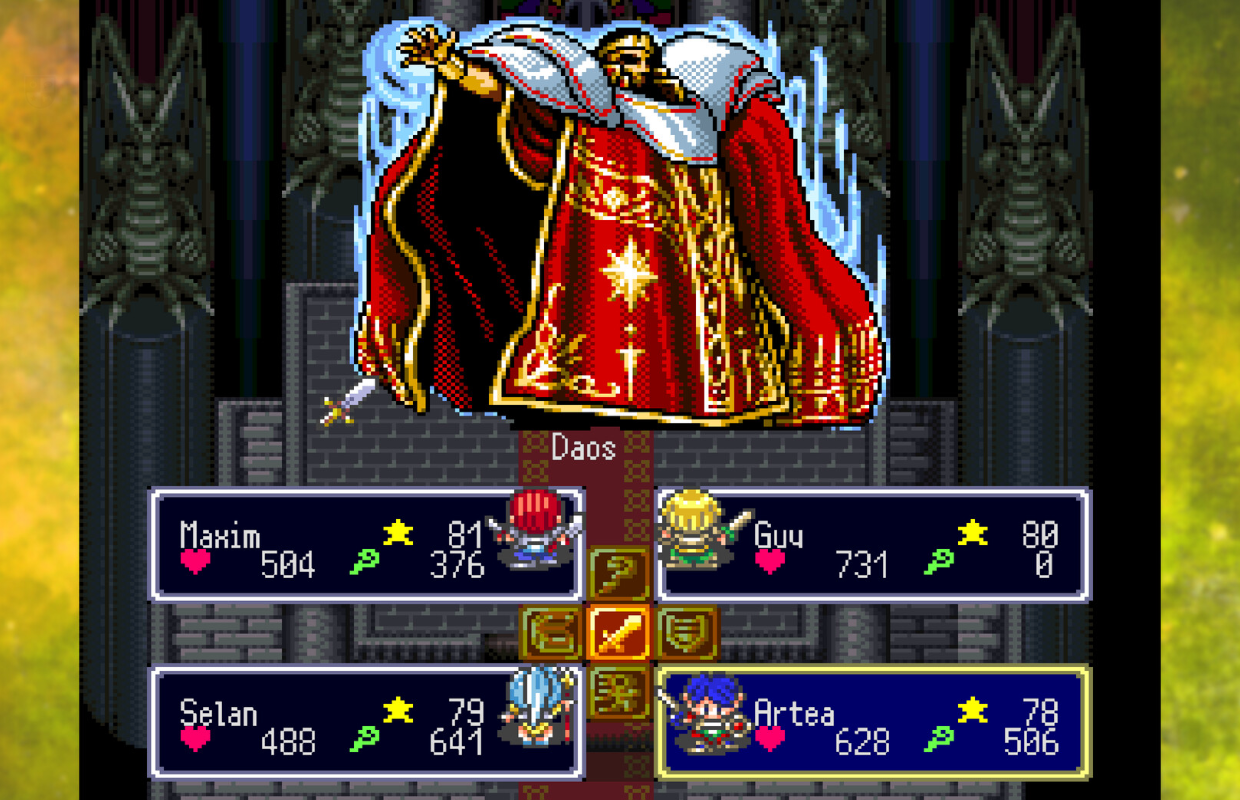
In a surprising and warmly welcomed announcement that has sent ripples of nostalgia across the global role-playing game community, publisher Clear River Games and legendary developer Taito have officially revealed Lufia I & II: The Sinistrals Saga. Set for a worldwide launch in 2027, this comprehensive collection will bring two of the 1990s’ most cherished 16-bit JRPGs—Lufia & the Fortress of Doom and its critically acclaimed prequel, Lufia II: Rise of the Sinistrals—to modern gaming hardware.
The title is slated to launch across a wide array of contemporary platforms, ensuring maximum accessibility for both veteran fans and a new generation of players. Confirmed platforms include the PlayStation 5, Nintendo Switch, Nintendo’s successor console (widely referred to in industry spaces as the Switch 2), and PC via Steam, where the game’s official wishlist page is already live.
According to the official announcement shared via Clear River Games’ social channels and corroborated by Taito, The Sinistrals Saga is not a simple, bare-minimum ROM dump. Instead, the collection promises to be "ported lovingly and enhanced for modern play," bridging the gap between retro charm and modern quality-of-life expectations. While specific gameplay additions, graphical filters, and audio enhancements have yet to be detailed in full, the sheer existence of a modernized package for the Lufia franchise marks a monumental shift for intellectual properties that have largely languished in licensing limbo and retro obscurity for decades.
Chronology of the Franchise: From the SNES Era to Modern Revival
To understand the true weight of the Lufia I & II: The Sinistrals Saga announcement, one must look back at the turbulent and beloved history of the franchise, which originally took shape during the golden age of the Super Nintendo Entertainment System (SNES).
The 1990s: The Golden Age and Never-Ending Battles
1993 (Japan) / 1993 (North America): Developed by Neverland and published by Taito, Lufia & the Fortress of Doom (Estpolis Denki in Japan) launched on the Super Nintendo. Featuring traditional top-down exploration, turn-based combat, and a moving orchestral-style soundtrack composed by Yasunori Shiono, the game established the lore of the Sinistrals—four god-like beings who brought terror to the world of humanity. The player stepped into the shoes of an unnamed protagonist (later named Jian in official materials), a descendant of one of the legendary heroes who fought the Sinistrals a century prior.
1995 (Japan) / 1996 (North America): Rather than moving forward in the timeline, Neverland and Taito released a prequel: Lufia II: Rise of the Sinistrals (Estpolis Denki II). Widely regarded by critics and fans as superior to the original, Lufia II detailed the life and struggles of Maxim, the original legendary hero. It innovated on the formula of its predecessor by introducing dynamic puzzle-solving elements within dungeons, tool-based exploration, and the iconic "Ancient Cave"—a procedurally generated rogue-lite dungeon crawl that provided endless hours of high-difficulty gameplay long before the rogue-lite genre became mainstream.
Later Releases: The franchise saw subsequent, albeit less universally heralded, entries on handheld platforms, including Lufia: The Legend Ruins (Game Boy Color, 2001) and The Legend of Lufia: The Ruins of Lore (Game Boy Advance, 2002). In 2010, Square Enix published Lufia: Curse of the Sinistrals for the Nintendo DS—a complete, action-RPG reimagining of the original story developed by Neverland. However, despite these attempts to keep the flame alive, the franchise eventually went dormant following the closure of developer Neverland in 2013.
The Wilderness Years (2013–2026)
For over a decade, the rights to the Lufia series remained tied up, leaving fans wondering if Maxim, Lufia, and the terrifying Sinistrals would ever grace modern screens. Aside from scattered digital releases on older Nintendo Virtual Console services, the games were largely inaccessible without original hardware or emulation. The partnership between Taito and Clear River Games officially breaks this lengthy silence, signaling a new chapter for the dormant IP.
The Horizon (2027)
With the upcoming release of Lufia I & II: The Sinistrals Saga, a new generation will finally experience the emotional weight of the series’ overarching narrative, all neatly packaged for current and next-generation hardware.
Supporting Data and Technical Overview
While comprehensive technical breakdowns are expected closer to the 2027 release window, early press materials, developer statements, and store pages provide a clear picture of what The Sinistrals Saga entails:
Platform Lineup:
PlayStation 5: Leveraging modern console power for stable performance, trophy support, and high-definition rendering.
Nintendo Switch & "Switch 2": Capitalizing on Nintendo’s hybrid ecosystem, making these portable-friendly JRPGs ideal for both docked television play and on-the-go sessions.
PC (Steam): Offering broad hardware compatibility, cloud saves, and achievement integrations for computer-based gamers.
Included Content:
Lufia & the Fortress of Doom (SNES remaster/port)
Lufia II: Rise of the Sinistrals (SNES remaster/port, including its legendary Ancient Cave mode)
Key Development & Publishing Partners:
Taito Corporation: Original creators and intellectual property holders.
Clear River Games: Publisher handling modern localization, distribution, and platform coordination.
Official Responses and Publisher Statements
The announcement has elicited immense enthusiasm from both the publishing teams and the retro gaming community. Clear River Games took to social media platform Bluesky to share the breaking news, writing:
"Clear River Games and Taito have announced Lufia I & II The Sinistrals Saga for 2027 release on PS5, Switch 2, Switch, and PC."
Taito and Clear River Games elaborated on the emotional resonance of the project in an official joint statement provided to media outlets:
"A collection of two of the fondest remembered JRPGs of the 1990s, whose moving storylines and memorable soundtracks touched the hearts of players around the world. Ported lovingly and enhanced for modern play, Lufia returns!"
The publishers also provided brief thematic summaries of the two included adventures to orient prospective players:
On Lufia & the Fortress of Doom:"The first game tells the tale of a young man—the descendant of a legendary hero—and a young woman, burdened by the weight of destiny."
On Lufia II: Rise of the Sinistrals:"The prequel tells the story of Maxim—a young man who would later be hailed as a hero of legend—and his companions and their battle against destiny."
Community reception on platforms like Steam, Reddit, and various JRPG forums has been overwhelmingly positive. Many long-time fans have expressed particular excitement over the inclusion of Lufia II, specifically highlighting the potential for modern features (such as save states, fast-forward options, or refined UI) to make the notoriously challenging Ancient Cave even more accessible.
Implications for the JRPG Landscape and Retro Preservation
The announcement of Lufia I & II: The Sinistrals Saga carries significant implications for the broader video game industry, touching upon retro preservation, publishing trends, and consumer demand.
1. A Win for Video Game Preservation
For years, the accessibility of classic JRPGs from the 16-bit era has been threatened by the degradation of physical cartridges, shifting digital storefront policies, and complex copyright landscapes. By partnering to bring Lufia to modern platforms—especially across competing ecosystems like PlayStation, Nintendo, and PC—Clear River Games and Taito are actively combating software abandonment. This release ensures that the creative works of the defunct Neverland studio are preserved and made legally purchasable for modern consumers.
2. The Rise of "Multiplatform Retro" Collections
Historically, classic console manufacturers often kept their retro offerings locked within proprietary subscription services or single-platform virtual storefronts. The decision to launch The Sinistrals Saga simultaneously on PS5, Nintendo Switch, the upcoming Switch 2, and PC reflects a broader, highly consumer-friendly industry shift toward multiplatform accessibility. Publishers recognize that JRPG fans exist across all ecosystems and are willing to buy physical or digital collections regardless of their hardware preference.
3. A Potential Catalyst for Taito’s Classic IP Catalog
Taito is home to a massive library of historic video game intellectual properties. While the company is globally famous for arcade titans like Space Invaders and Bubble Bobble, its console-era RPG portfolio has often sat quietly in the archives. The commercial success—and critical reception—of Lufia I & II: The Sinistrals Saga in 2027 could pave the way for modern revivals, remasters, or sequels to other long-forgotten Taito gems, proving to corporate stakeholders that classic 16-bit storytelling still holds immense financial and cultural value in the modern marketplace.
Conclusion
As the gaming community looks ahead to 2027, Lufia I & II: The Sinistrals Saga stands out as a beacon of nostalgic hope. Whether players are returning to AMD’s floating island, revisiting Maxim’s tragic and heroic journey, or diving into the bottomless depths of the Ancient Cave for the very first time, the return of Lufia promises to be one of the most heartwarming milestones of the decade. Fans can currently head over to Steam to wishlist the collection and prepare for the battle against the Sinistrals once more.