

By Jacob Fox
In the high-stakes, hyper-competitive world of Counter-Strike 2 (CS2), milliseconds matter, and gear can make or break a career. Every professional player meticulously optimizes their setup—from monitor refresh rates and polling frequencies down to the exact grams of their gaming mice. Recently, however, a fascinating trend has emerged among elite competitors: despite massive marketing pushes and brand-new hardware launches, top-tier professionals are quietly ditching newer peripheral models in favor of a trusted classic—the Logitech G Pro X Superlight 2.
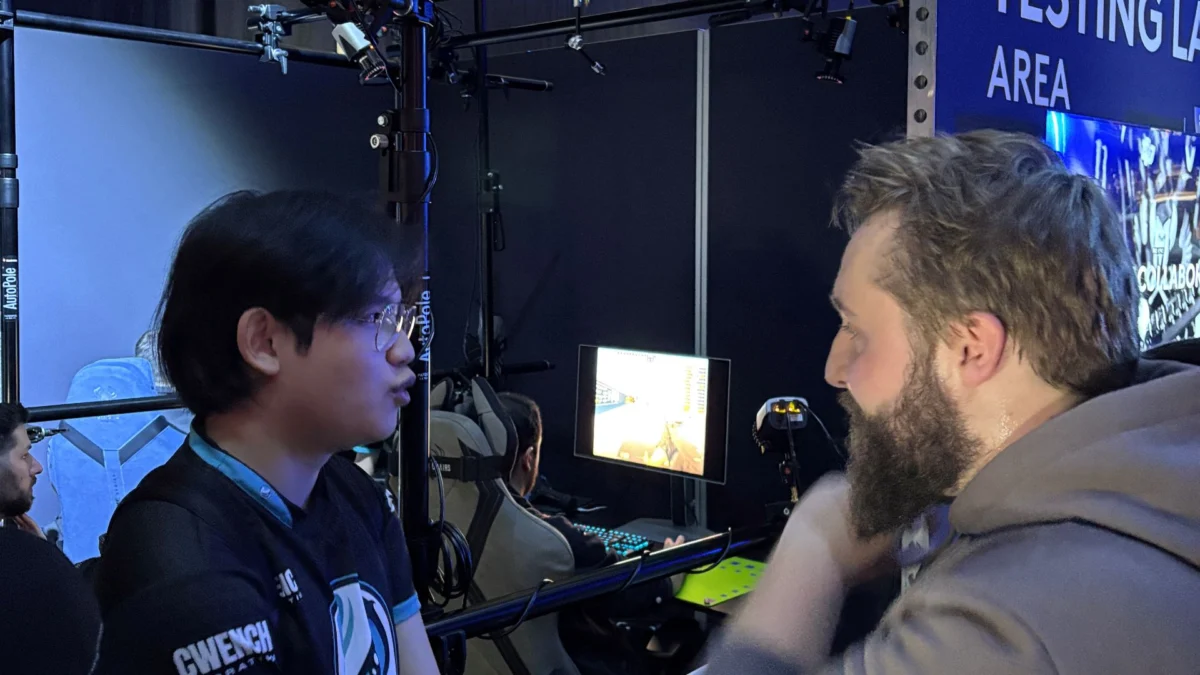
The hardware dilemma within the professional esports scene was put on full display during a recent Logitech G Play event. Surrounded by promotional banners, flashing lights, and journalists buzzing about the launch of the heavily touted Logitech G Pro X2 Superstrike, a prominent CS2 pro player offered a remarkably candid critique of the very mouse being celebrated.
Main Facts: The Great Peripheral Pivot in Professional CS2
The core issue centers on elite player preference versus heavy corporate hardware promotion. While hardware manufacturers like Logitech pour millions of dollars into engineering next-generation mice featuring advanced technologies like HITS (High-Intensity Tracking Systems) and novel click mechanisms, elite esports athletes continue to vote with their wrists.
Key takeaways from the unfolding hardware narrative include:
- The Return to Form: Multiple elite CS2 professionals, including top-tier competitors like yxngstxr and superstar AWP-er m0nesy, have pivoted away from newer hardware iterations (such as the Superstrike) to return to the tried-and-true Logitech G Pro X Superlight 2.
- Weight Distribution Flaws: Professional feedback highlights structural balance issues in newer releases—specifically, a front-weighted design that compromises consistent, rapid flick-shots.
- The Dominance of Shape: In professional competitive gaming, mouse shape, comfort, and ergonomic familiarity often trump raw technological novelty.
- Manufacturer Silence: Logitech has remained non-committal regarding requests to integrate their latest innovations into alternative legacy shapes, such as a hypothetical "Dex" design.
Chronology: How the Superstrike Hype Met Reality
To understand the current hardware shift, one must trace the timeline of how elite professionals tested, evaluated, and ultimately rejected or embraced the latest generation of mice.
Phase 1: The Initial Wave of Adoption
When Logitech initially rolled out the design philosophies leading to the Superstrike series, anticipation across the competitive community was palpable. Eager to gain any potential edge in CS2, a significant portion of tier-one professional players—including elite talent and major tournament contenders—adopted the mouse immediately. For a brief period, the hardware was ubiquitous across LAN tournament stages and bootcamp PCs.
Phase 2: On-Stage Realizations and Teammate Feedback
As tournaments intensified, the subtle flaws of the initial Superstrike design began to surface under pressure. During high-stress matches where micro-adjustments dictate survival, players started noticing inconsistencies.
In discussions behind the scenes, team members began comparing notes. Notably, elite AWP-er Afro pointed out a distinct tactile flaw: the weight distribution felt unbalanced, leaning heavily toward the front end rather than maintaining a neutral, centered mass.
Phase 3: The Major Pivot
The breaking point for many came right before the game’s premier major championships. Superstars like m0nesy famously utilized the Superstrike during preliminary testing periods, only to quietly revert to the reliable Logitech G Pro X Superlight 2 just in time for the major stage. When players facing multi-million dollar prize pools choose familiarity over new tech, it signals a critical warning bell for hardware developers.
Phase 4: The Public Admission at Logitech G Play
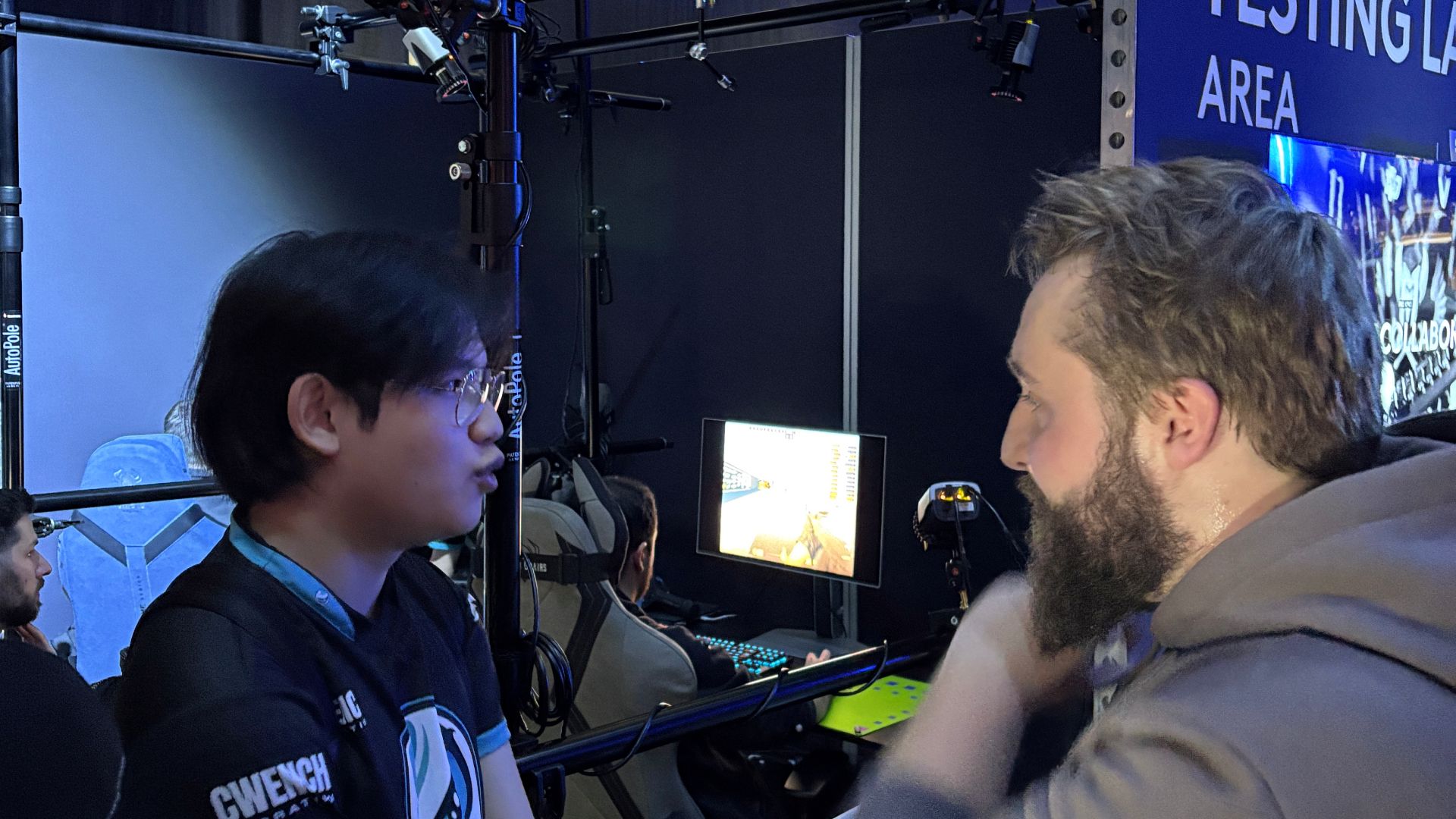
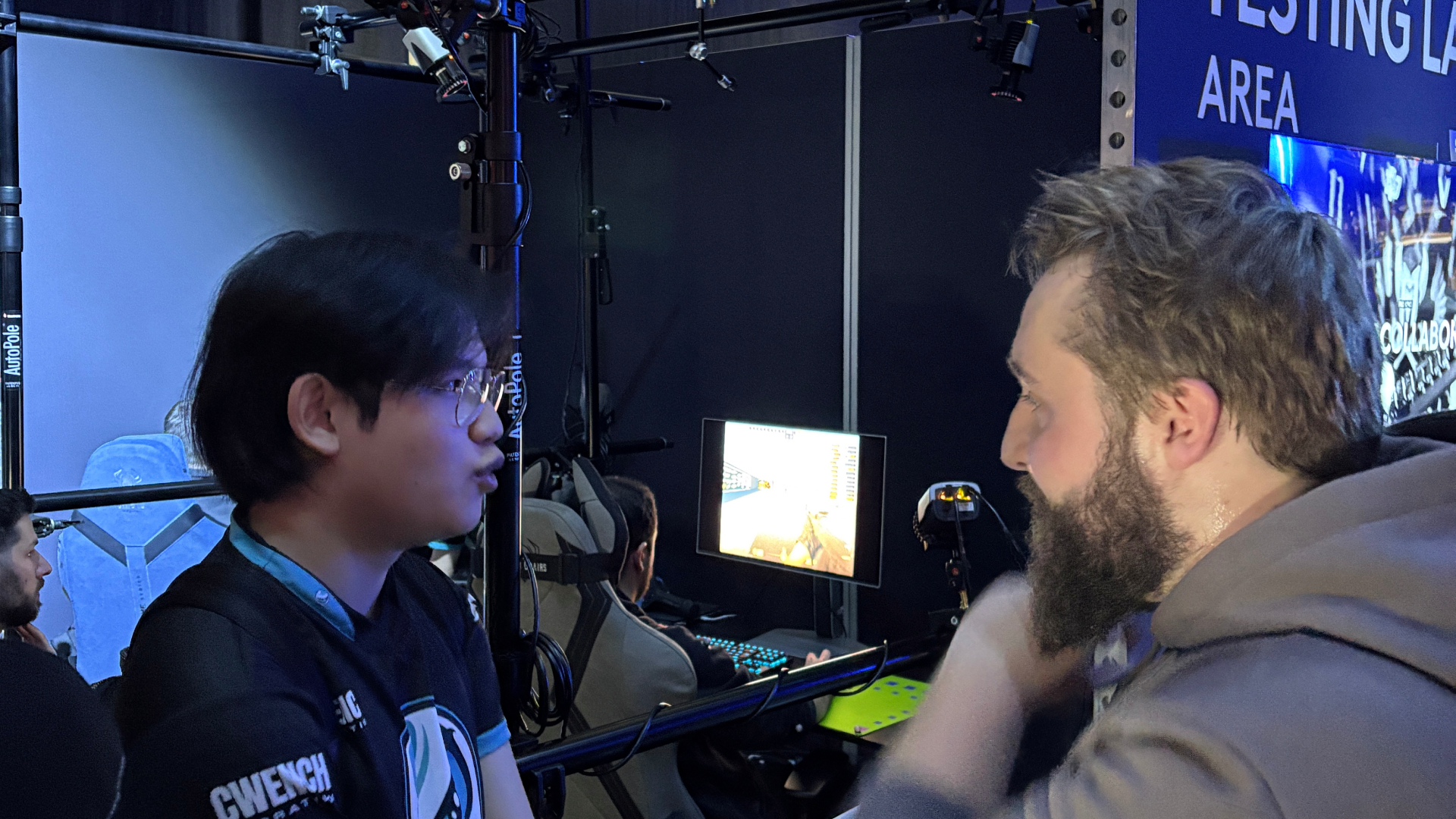
The tension between corporate marketing and competitive reality culminated at the Logitech G Play event. When professional player yxngstxr was asked about his current gear choices, his unfiltered honesty shocked event organizers. Sitting mere feet away from displays dedicated to celebrating the Superstrike, yxngstxr pulled back the curtain on how professionals actually evaluate gear.
Supporting Data and Player Testimony: Unfiltered Insights
The transition away from the Superstrike is not driven by arbitrary caprice, but by precise, performance-based observations from athletes whose livelihoods depend on absolute consistency.
yxngstxr Speaks Out
"Now I use the Superlight 2," yxngstxr stated candidly during the Logitech G event. "I used [the Superstrike] before, when everyone used it… I feel like the Superstrike, sometimes it’s good, but it’s inconsistent."
Elaborating on the mechanical feedback he received from within his team, he added: "Afro told me—the AWP-er—that the mouse weight was not correct, that it was more overweight. For me, maybe that was why, but I didn’t feel it at all. I liked that you control the clicks, but for me, sometimes it was very good, and sometimes I didn’t like it at all."
Azuwu and the M0nesy Phenomenon
Oscar ‘Azuwu’ Bell, another prominent CS2 professional, reinforced these observations, noting the high-profile switch made by one of the game’s absolute best: "M0nesy, before the major, he was on the Superstrike, and for the major he went back to the Superlight."
When generational talents abandon flagship hardware right before the most important tournaments of the year, it underscores a fundamental engineering challenge: raw feature counts cannot override a lack of physical balance and ergonomic reliability.
Official Responses and Industry Dynamics
Hardware manufacturers face a delicate balancing act. They must innovate, introduce cutting-edge internals, reduce latency, and implement proprietary features like Logitech’s HITS system to justify generational upgrades. However, in doing so, they occasionally tinker too much with the fundamental physical footprint that players have spent years mastering.
When queried about whether Logitech plans to adapt its latest technological breakthroughs—such as the HITS system—into proven legacy ergonomics (such as a ‘Dex’ shape or traditional symmetrical shells), company representatives played their cards close to the chest. They neither confirmed nor denied future design directions. Interestingly, they didn’t offer a definitive "no," leaving the door open for potential future releases that might merge new tech with classic shapes.
This hesitation points to a deeper truth recognized by hardware enthusiasts and industry insiders alike: shape is king. No matter how advanced a sensor or how crisp a microswitch may be, if a mouse does not rest organically within the contours of a player’s hand and match their specific grip style, it will inevitably be cast aside in favor of a tool that feels like a natural extension of the arm.
Implications: What This Means for the Future of Gaming Hardware
The current hardware migration among CS2 professionals carries broad implications for both esports competitors and peripheral manufacturers.

1. The Death of Blind Brand Loyalty
Professional esports players are pragmatic athletes. Sponsorship obligations aside, when millions of dollars and personal prestige are on the line, performance overrides branding. Manufacturers can no longer rely on the sheer novelty of a "flagship" designation to secure long-term adoption among top-tier competitors.
2. A Renewed Emphasis on Mass Distribution
The critique regarding front-heavy balance serves as a wake-up call for mouse designers. As mice have grown progressively lighter through honeycomb shells, carbon composites, and internal skeletonization, achieving an even center of gravity has become just as critical as hitting target weight milestones. Companies must prioritize structural equilibrium alongside weight reduction.
3. The Power of Modular Ergonomics
The industry may be forced to pivot toward greater modularity. If players refuse to compromise on shape, manufacturers must find ways to decouple internal technologies—like switches, sensors, and polling architecture—from fixed exterior shells, allowing elite users to house advanced tech inside their preferred legacy shapes.
Conclusion
As Logitech and its competitors look toward the future of high-performance peripherals, the lessons learned from the Superstrike and the enduring reign of the Superlight 2 are clear. Innovation is vital, but in the unforgiving arena of competitive Counter-Strike, comfort, balance, and consistency will always reign supreme. Whether Logitech decides to answer the community’s prayers with a new shape housing their latest tech remains to be seen, but until then, the Superlight 2 retains its crown as the undisputed king of the pro server.

