

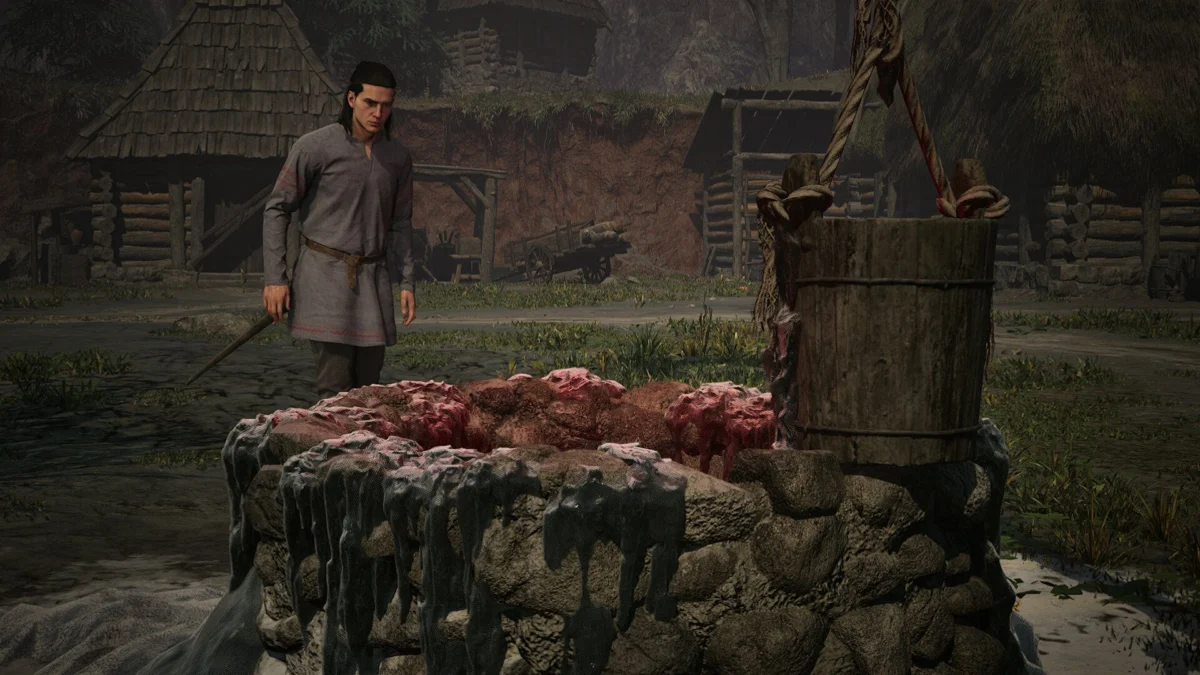
Video games often utilize the "dream sequence" as a narrative crutch—a way to force character development through surreal, disorienting imagery. Yet, rarely does a title manage to align its ludonarrative mechanics with the psychological weight of its protagonist as effectively as The Blood of Dawnwalker does in its optional, deeply unsettling "Home Sweet Home" mission.
While exploring the alchemist’s tower in the city of Svartrau, players are given a choice: follow the objective markers to progress the main plot, or ascend into the unknown. For those who choose the latter, they are thrust into a masterclass of environmental storytelling and emotional catharsis that stands as one of the most memorable—and grueling—sequences in modern RPG history.
The Chronology of a Nightmare
The sequence begins deceptively. After fighting through gargoyle-infested corridors, protagonist Coen enters a simple room, only to find himself transported to his family home. The transition is instantaneous, effectively severing the player from the established rules of the game world.
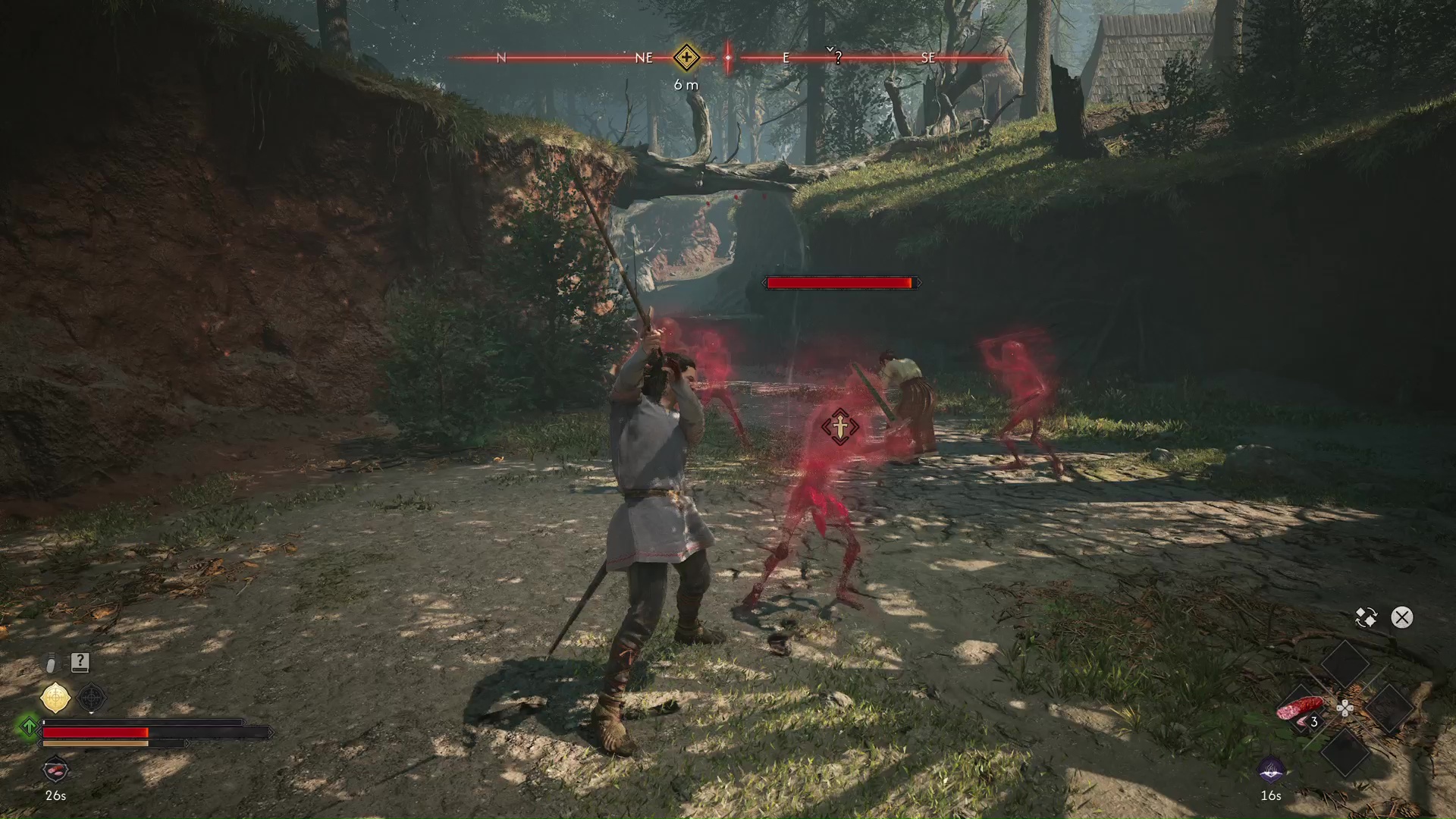
Upon regaining control, the player is hit with the first of many cold, hard truths: the game has stripped them of all agency. High-level armor, enchanted weapons, and powerful vampiric abilities have vanished, replaced by a "common-quality" sword and an empty inventory. It is the video game equivalent of being caught in a recurring anxiety dream, and it serves a distinct purpose: to render the player as vulnerable as the young, guilt-ridden Coen.
The mission unfolds in a repeating cycle. The player must:
- Survive the initial assault: Defend Coen’s family from specters while under-geared.
- Explore the homestead: Uncover snippets of dialogue that hint at the mother’s mental decline and the mysterious death of Coen’s brother, Alin.
- The Loop: Attempt to leave via the church, only to be reset to the breakfast table, forcing the player to confront the trauma again.
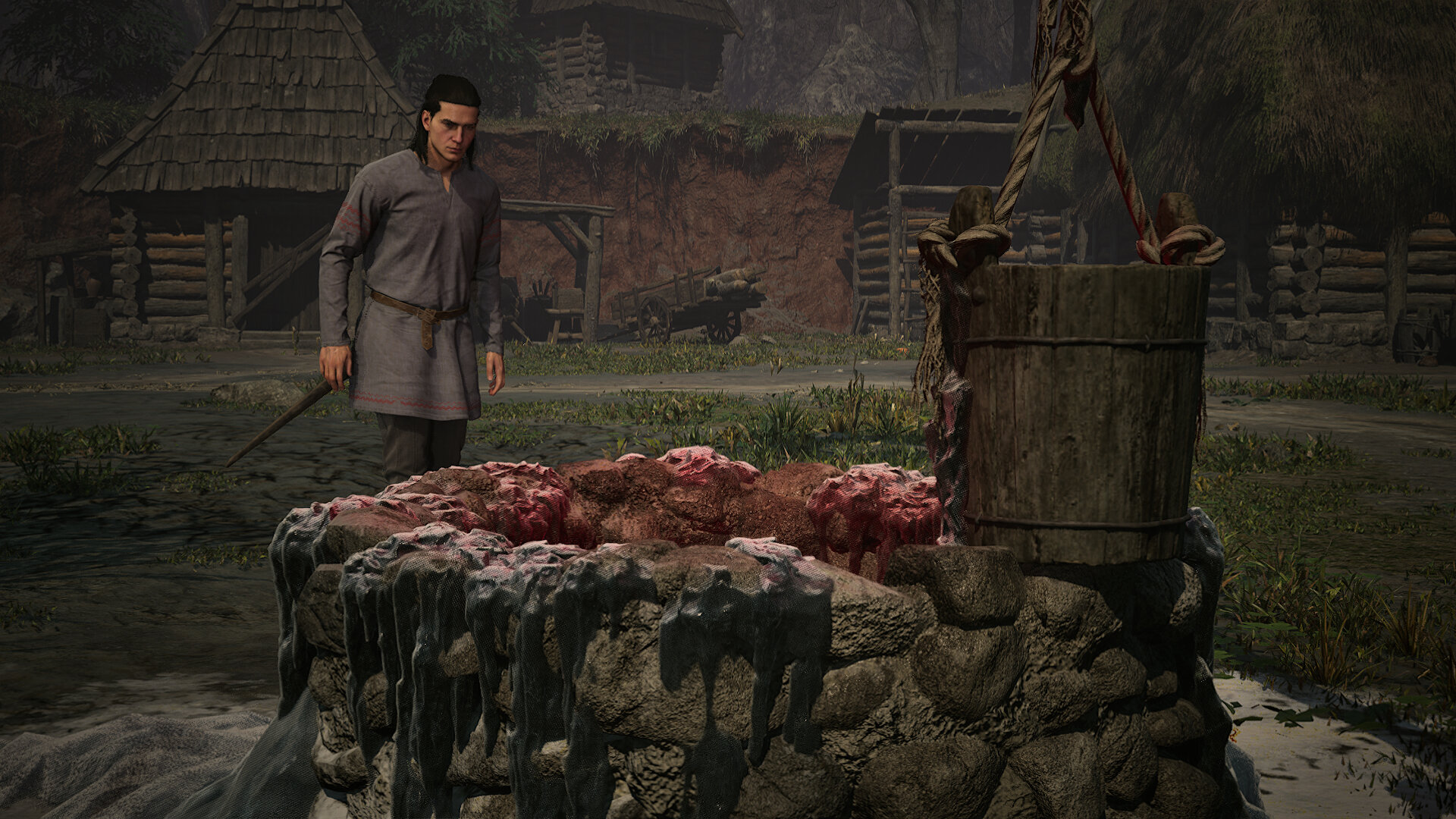
- The Resolution: Discovering the hidden "well" in the town square, which acts as the focal point for Coen’s self-loathing.
The Mechanics of Guilt: Why "Home Sweet Home" Stings
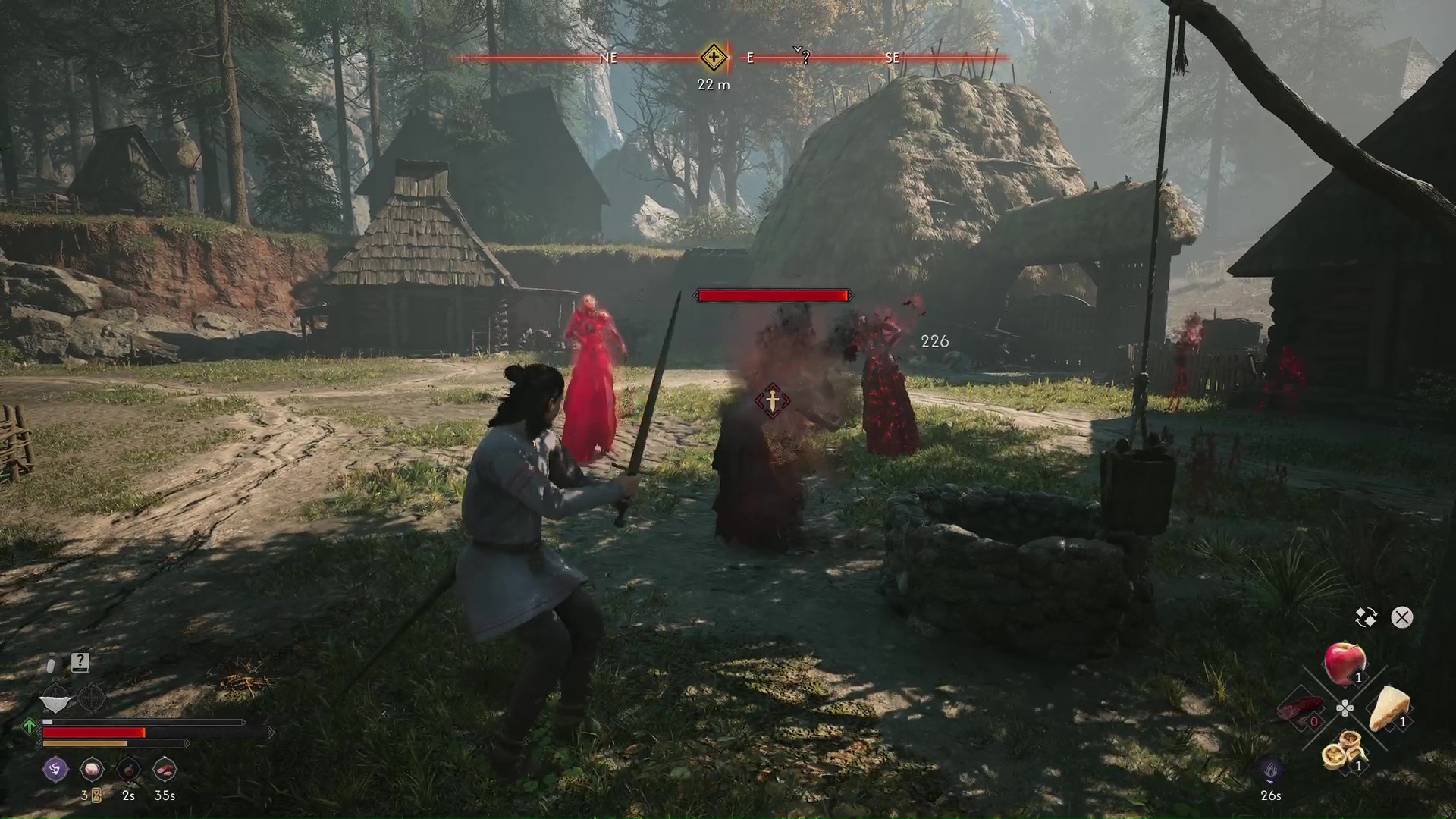
In most RPGs, a "power-down" sequence is merely an annoyance. In The Blood of Dawnwalker, it is a deliberate design choice meant to mirror the protagonist’s "savior complex." The enemies—wraiths that require precise parrying and target prioritization—are tuned to be unforgiving. A single mistake results in a massive loss of health, forcing the player to master the game’s combat fundamentals under extreme pressure.
The genius of this design lies in the "red spirit" mechanic. Throughout the dream, one specific wraith draws health from others and keeps the encounter alive. It is a perfect metaphor for the nature of grief: as long as the core trauma remains unaddressed, the smaller, nagging pains will continue to spawn indefinitely.
Emotional Stakes and Narrative Depth
While the combat provides the friction, the dialogue provides the fire. Players are given the option to engage with Coen’s mother, Esme, as if she were real. These interactions are painful. Coen’s struggle to reconcile his love for his family with his resentment toward their perceived abandonment—and his own role in his brother’s death—is conveyed through subtle animation and heavy, evocative writing.
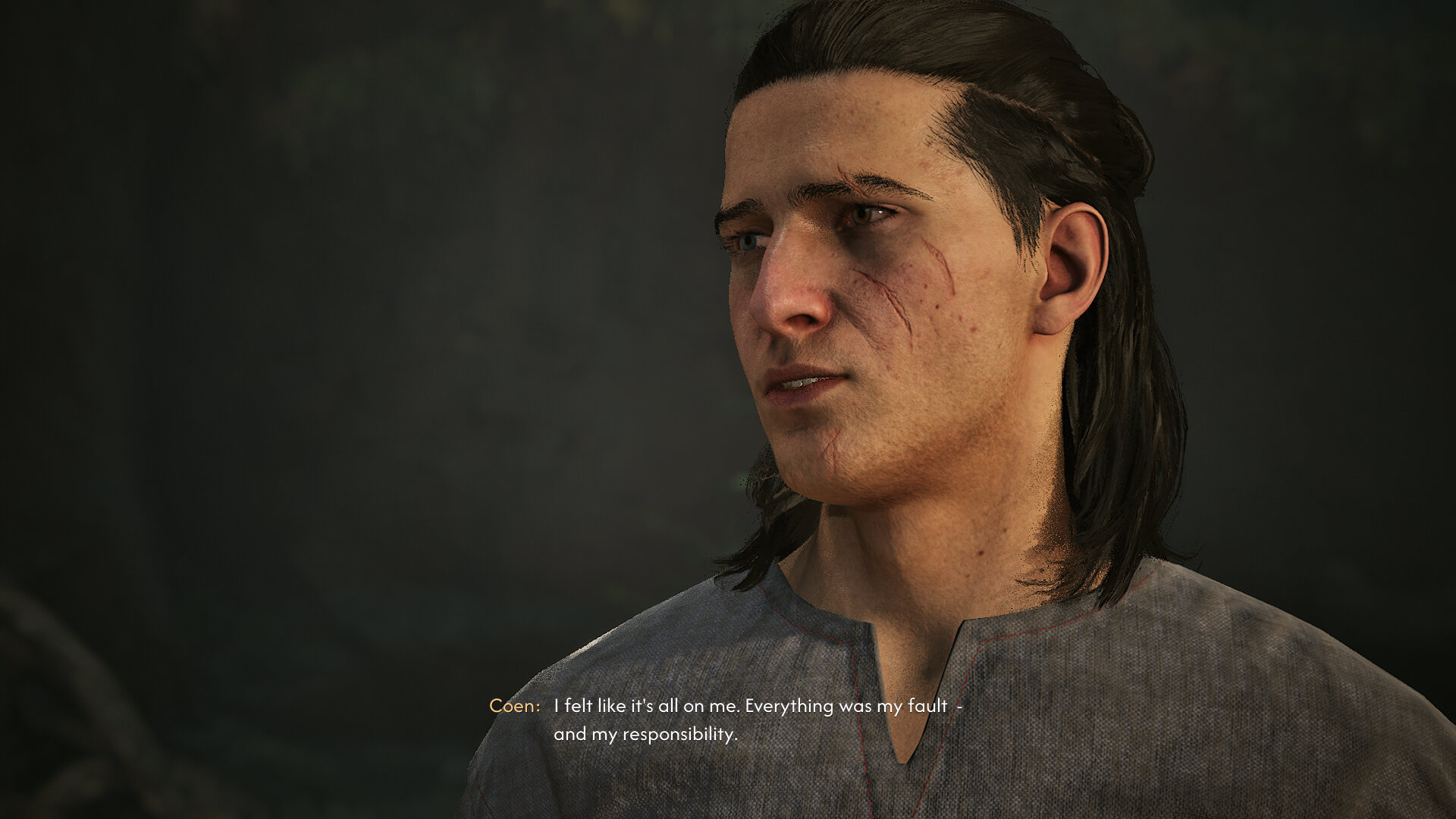
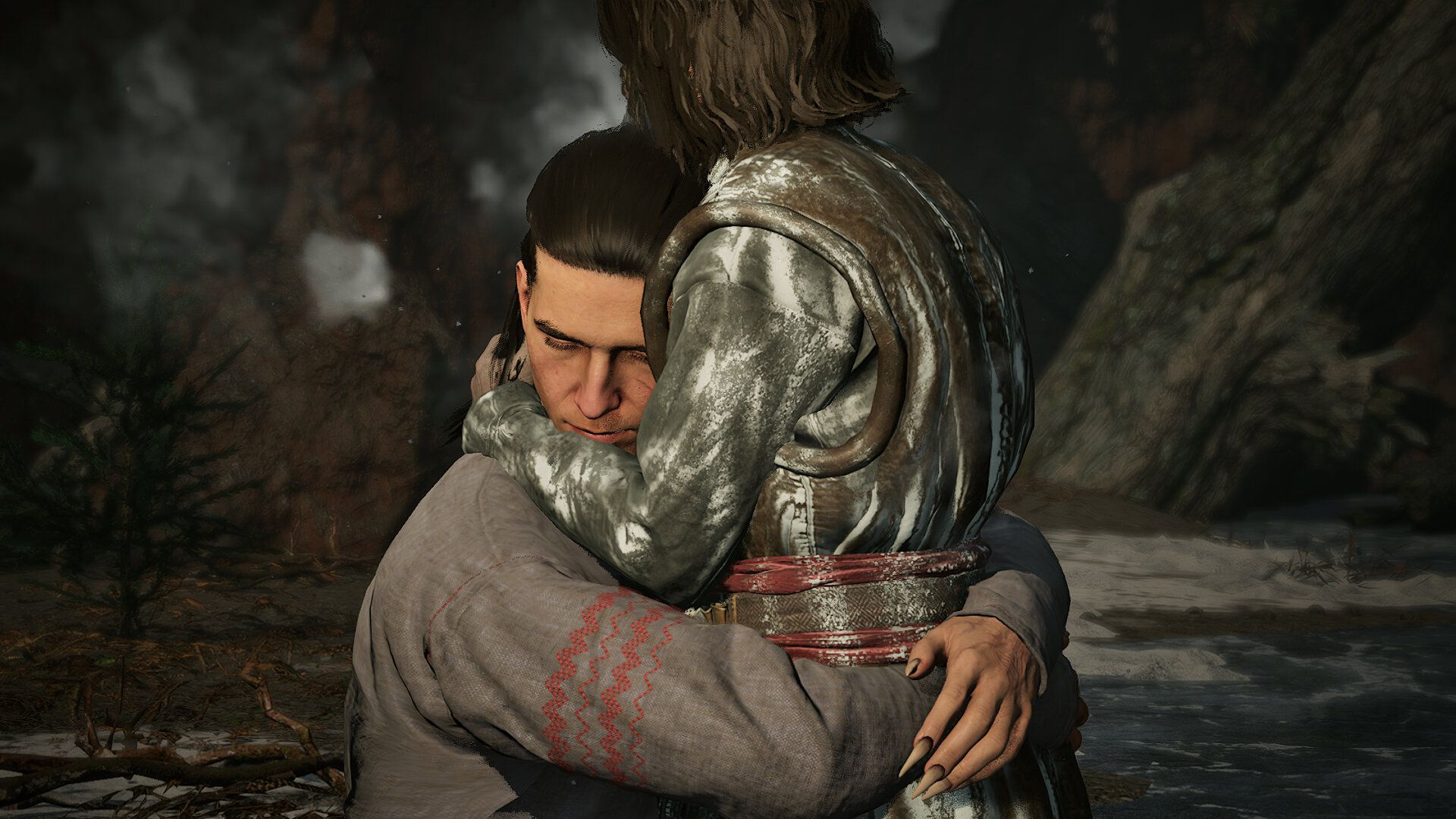
The climax of the quest occurs at the well. Here, the game forces the player to stop fighting monsters and start fighting the self. By forcing Coen to scream his brother’s name—Alin—the player initiates the breaking of the loop. It is a moment of raw, unfiltered grief that elevates the mission from a simple side quest to a pivotal character study.
Implications for The Blood of Dawnwalker
This mission is entirely optional, a fact that makes its quality all the more surprising. It was designed as a branching side quest linked to the lore of the long-dead boyaress, Xanthe. The fact that developer Rebel Wolves buried such a potent, emotionally demanding experience in a hidden corner of the game speaks to their confidence in their world-building.
The implications of this mission ripple outward. It reframes Coen not just as a vessel for player choice, but as a man defined by a specific, localized tragedy. For players who take the time to complete it, the rest of the game takes on a different hue. The combat feels different because the stakes feel personal; the exploration feels more significant because the protagonist’s history has been physically mapped onto the game world.
Official Stance and Reception
While Bandai Namco has kept quiet regarding the specific "secret" endings associated with the mission, the community response has been overwhelmingly positive. Critics have praised the "Home Sweet Home" sequence for its ability to avoid the pitfalls of traditional dream levels. Unlike the walking simulators or repetitive puzzles found in titles like Mass Effect or Max Payne, Dawnwalker ensures that every struggle, every death, and every breakthrough in the dream world serves the character’s arc.
Rebel Wolves has hinted in post-launch interviews that the "optional" nature of these quests is intentional. They want players to find their own path through the narrative, and they believe that the most profound moments in gaming should be those the player finds by accident, rather than those they are led to by a quest log.
Conclusion: A Nightmare Worth Having
"Home Sweet Home" is not a "fun" level in the traditional sense. It is taxing, frustrating, and emotionally draining. It strips the player of their power, forces them to repeat their failures, and demands that they look their own digital trauma in the face.
However, it is arguably the most poetic example of narrative and level design integration in recent memory. It teaches the player the mechanics of the game while simultaneously teaching them the history of the man they are playing. By the time Coen is pushed out of the dream by the memory of his brother, the player feels a genuine sense of relief—not because the level is over, but because the character has finally begun to heal.
For those who have yet to encounter this hidden gem in The Blood of Dawnwalker, a word of advice: be patient, keep your ears open for the sound of the well, and prepare yourself. You are not just playing through a mission; you are stepping into a memory. And like all memories, some are worth keeping, even if they come at the cost of a few sleepless nights.
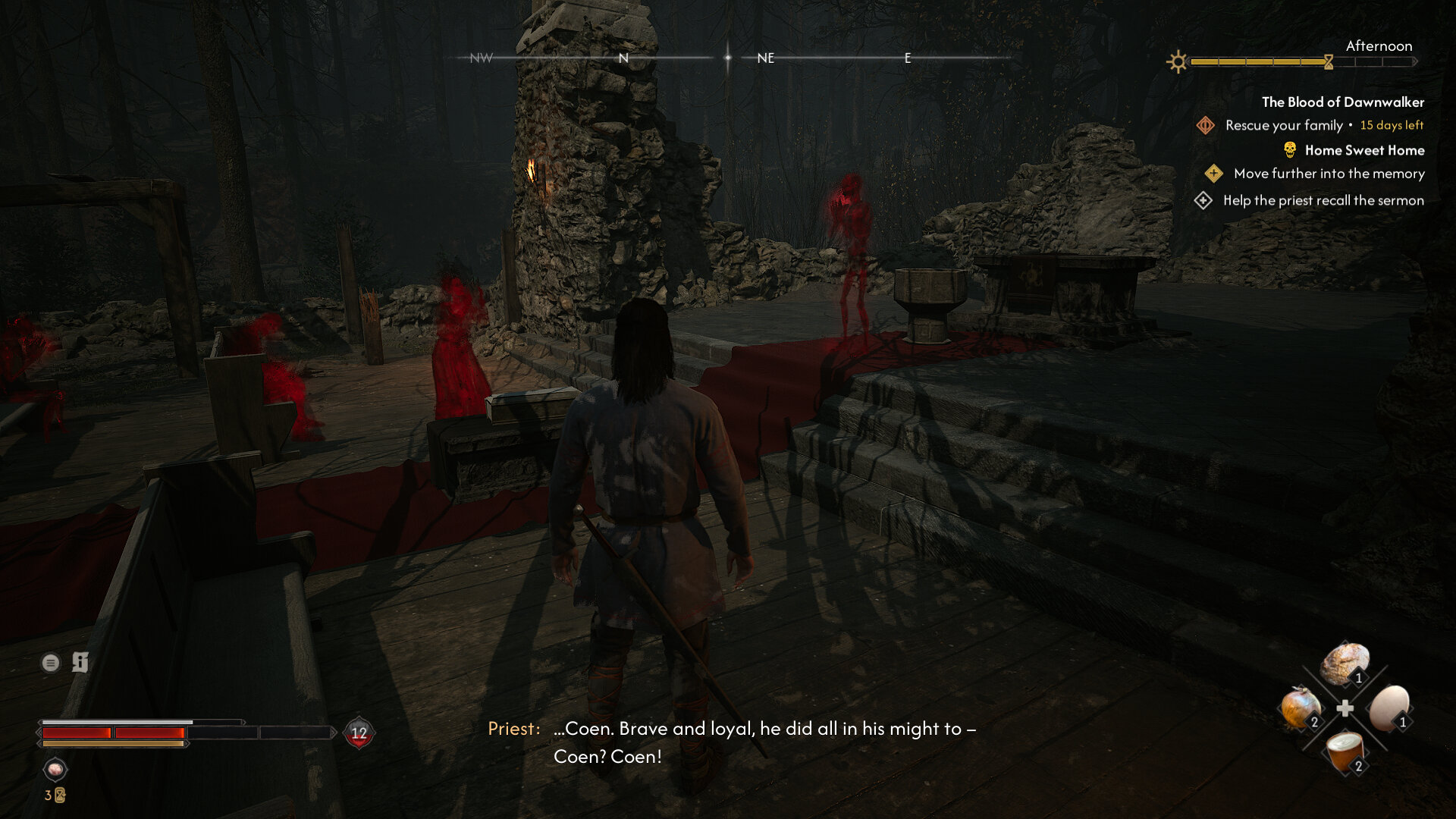
Ultimately, while the developers at Rebel Wolves have crafted a masterpiece of a side quest, one can hardly blame players for choosing to leave this particular nightmare behind once the final cutscene fades to black. Some wounds are meant to be healed, but they don’t necessarily need to be re-opened twice.

