

For decades, the path to Hollywood stardom was narrow, guarded by studio executives, talent agents, and a rigid caste system of "traditional" entertainment. If you wanted a movie or a television show, you knocked on the doors of legacy networks, usually only to be told that you were lucky to be in the room—provided you were willing to hand over the keys to your creative identity.
Today, that paradigm has fundamentally shattered. Following the box office and critical success of creator-led features like Iron Lung, Backrooms, and Obsession, the entertainment industry is no longer viewing digital creators as hobbyists or social media oddities. They are viewing them as the most valuable intellectual property (IP) assets on the planet.
Paul Telner, Head of Programming at Viral Nation, describes the current climate with surgical precision: “This is the gold rush.”
The Shift: From "Gatekept" to "Gateway"
Telner, who has spent years guiding creators like the McCarty family through the labyrinthine development process, remembers the "dark ages" of creator-led deals. Not long ago, he would escort talented, high-reach creators into meetings with major U.S. cable networks, only to be met with exploitative terms.
“I remember taking creators to traditional U.S. cable networks, all the usual names, and they were like, ‘Yeah, maybe, but it has to be on the network’s terms, and we’re going to own the YouTube channel,’” Telner recalls. “I would look at these deals, and it was like, my goodness, these traditional networks want to own these creator social ecosystems—this content that creators put their own blood, sweat, and tears into building. These deals were terrible!”
For a time, insiders like Telner questioned whether it was worth the effort to bridge the gap between the digital and legacy worlds. The friction was too high, and the respect for the creator’s autonomy was non-existent. However, the rise of streaming platforms, combined with the migration of advertising dollars from linear television to digital ecosystems, has forced a recalibration of power.
Today, the tone of these negotiations has shifted from condescending to collaborative. “It’s no longer, ‘You’re lucky to be in a room with us, you’re lucky to get a show, take it or leave it,’” Telner explains. “It’s now much more democratic, much more, ‘How can we work together?’”
Chronology of a Paradigm Shift
The transformation didn’t happen overnight. It was the result of a slow accumulation of influence, followed by sudden, high-impact explosions of success.
- The Early 2010s (The Experimental Phase): Creators began finding success with short-form digital series, but studios largely ignored them, viewing their content as "low-budget" and "unprofessional."
- The Mid-2010s (The Influencer Boom): As YouTube creators began to amass audiences larger than the viewership of prime-time cable shows, studios began to take notice. However, early efforts to cross-pollinate often failed because they tried to fit creators into traditional, rigid formats.
- 2020–2023 (The Validation Phase): High-concept, creator-driven projects began to emerge. Films like Backrooms (based on the internet’s viral "liminal space" aesthetic) and Iron Lung proved that a creator’s specific aesthetic and narrative voice could translate into genuine, sellable, and scalable entertainment.
- 2024–Present (The Institutionalization): We have entered the era of the "Creator Studio." Agencies like Viral Nation are no longer just managing social media posts; they are acting as full-service production hubs, packaging talent for streamers, casting directors, and global studios.
Supporting Data: The Power of the "Audience-First" Model
Why is Hollywood suddenly so interested in the "creator" model? The answer lies in data. Traditional media models rely on expensive, speculative marketing campaigns to build an audience for a new show. A creator, by contrast, brings an existing, hyper-engaged, and loyal audience to the table.
When a streamer partners with a creator, they aren’t just buying a script or an actor; they are buying a community. This dramatically lowers the risk profile for production companies.
As Xavier Mortimer, a world-renowned professional magician and digital creator, points out, the perception of the creator has shifted from "kids talking to a phone" to "mature creative forces." Mortimer, who is currently developing a series with Viral Nation, notes that the sophistication of creator brands today is a direct result of the years they spent refining their craft in front of a live, digital audience.
“We were just kids talking into a phone, doing stuff in front of it, putting it out there, and now [they see] there’s so much more to it,” Mortimer says. “I’ve developed a full brand, my way of performing my art, my magic, and we’re opening doors to share that in the TV and movie space now.”
Official Perspectives: The VidSummit Blueprint
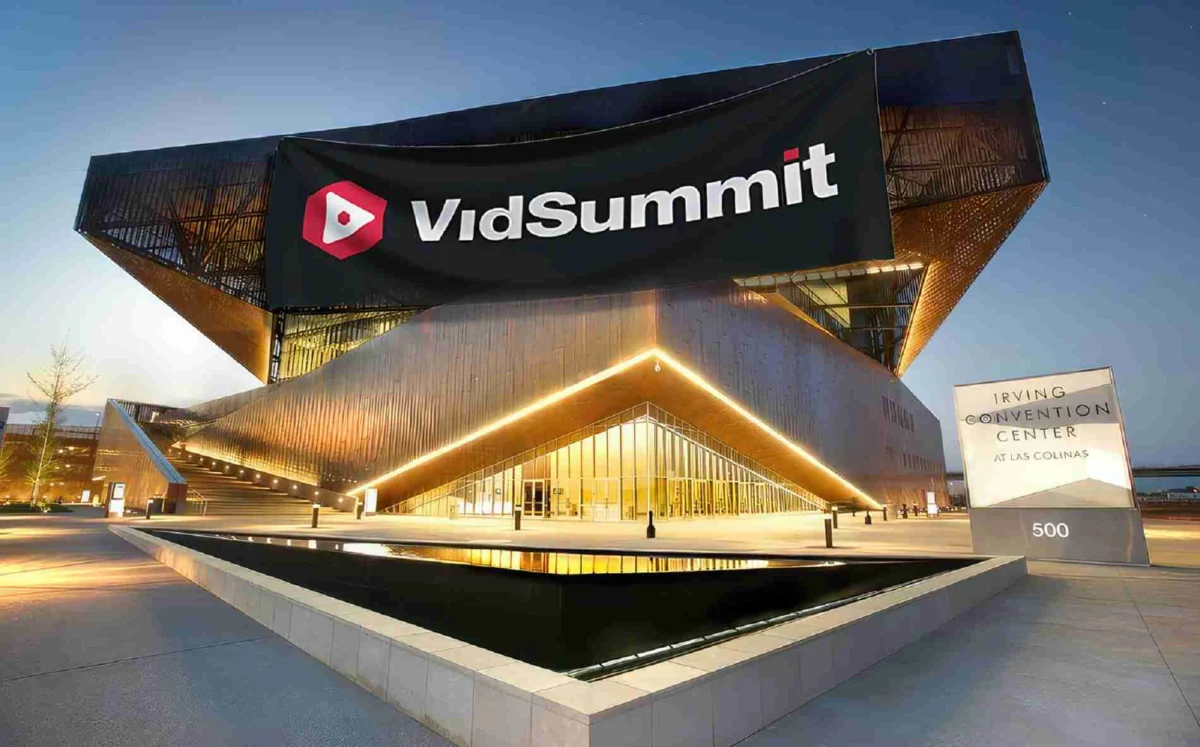
The industry is formalizing these strategies at events like VidSummit, which will take place from Sept. 29 to Oct. 1 at the Irving Convention Center in Texas. The event serves as a bellwether for where the creator economy is heading.
One of the most anticipated sessions is the panel, From Audience to Empire: How Today’s Creators Are Turning Influence Into Brands, IP & Global Franchises. Featuring Telner, Viral Nation’s Director of Talent Ray Ligaya, and Xavier Mortimer, the session is designed to be a masterclass for creators looking to move beyond the "influencer" label.
Telner plans to pull back the curtain on the mechanics of development. “We’re going to get under the hood and talk about why Xavier was chosen, what we saw in him that prompted us to say, ‘Yes, we must make a show about him,’” Telner says. “We’ll talk about how we package that show, and how we figure out which producers are the best producers in entertainment to surround him and give him the backing of an amazing team.”
The goal is to move the industry away from "one-off" creator deals and toward sustainable, long-term franchises. By treating creators as legitimate intellectual property, managers and producers can create systems that benefit all stakeholders involved.
Implications: The "Greenlight" Era
The implications of this shift are profound for any creator currently building an audience. The traditional "gatekeepers" are no longer the only ones holding the keys to the kingdom. In fact, the "casting call" has moved from a cold, silent room in Burbank to the digital feed in the palm of your hand.
For those who feel intimidated by the transition from social media to Hollywood, Telner offers a message of urgency and empowerment: “Now is the time to greenlight yourself and make stuff happen. If you’re a creator and you’re reading this article, now is your time. Do not overthink posting. Post, post, post, feed your audience, because Hollywood is listening. YouTube and social media is the greatest casting call of all time.”
This "gold rush" is not just about fame or vanity projects; it is about the professionalization of a new class of storytellers. As streamers in North America and Europe compete for content that can guarantee viewership, they are looking to the people who already own the attention of the next generation.
Conclusion: A New Standard for Success
The intersection of digital influence and traditional production is no longer a peripheral trend—it is the new standard. Creators are now effectively functioning as showrunners, writers, and stars of their own self-produced universes.
As we look toward the future, the successful creators will be those who recognize that their digital presence is not just a marketing channel, but an incubator for global media franchises. With platforms like VidSummit providing the roadmap and industry leaders like Telner and Mortimer showing the way, the barrier to entry has never been lower, and the potential for impact has never been higher.
For the creators watching from the sidelines, the advice is simple: Keep building, keep refining, and keep listening to your audience. Hollywood isn’t just watching—they’re waiting to see what you do next.
For those looking to learn more about the evolving landscape of the creator economy, passes for the upcoming VidSummit are still available for purchase.

