

Welcome to this week’s comprehensive breakdown of the most-watched branded YouTube videos. This report, powered by Gospel Stats, serves as a window into the evolving dynamics of the creator economy. By examining which brands are successfully infiltrating the world’s largest video platform and how they are partnering with top-tier talent, we can discern the current trends defining digital marketing.
For a deeper dive into the metrics behind these campaigns, you can access the full Gospel Stats Weekly Brand Report or download the definitive YouTube 2025 Sponsorship Landscape Report.
The Landscape: A Return to Form
While the global spectacle of the World Cup dominated the digital conversation in recent weeks, the latest data suggests the creator economy is recalibrating toward its traditional powerhouses. The tournament’s influence remains, but the "takeover" effect has simmered, allowing for a return to the staple categories that drive consistent engagement: high-stakes challenges, lifestyle vlogging, and tech-adjacent product integration.
MrBeast leads the charge once again, cementing his position as the titan of branded content, while niche creators like ur mom ashley and Max the Meat Guy demonstrate how major global brands (specifically FIFA and YouTube) are leveraging mid-to-large tier influencers to bridge the gap between stadium events and home-viewing audiences.
Chronology of Top Branded Hits
1. The High-Stakes Experiment: MrBeast
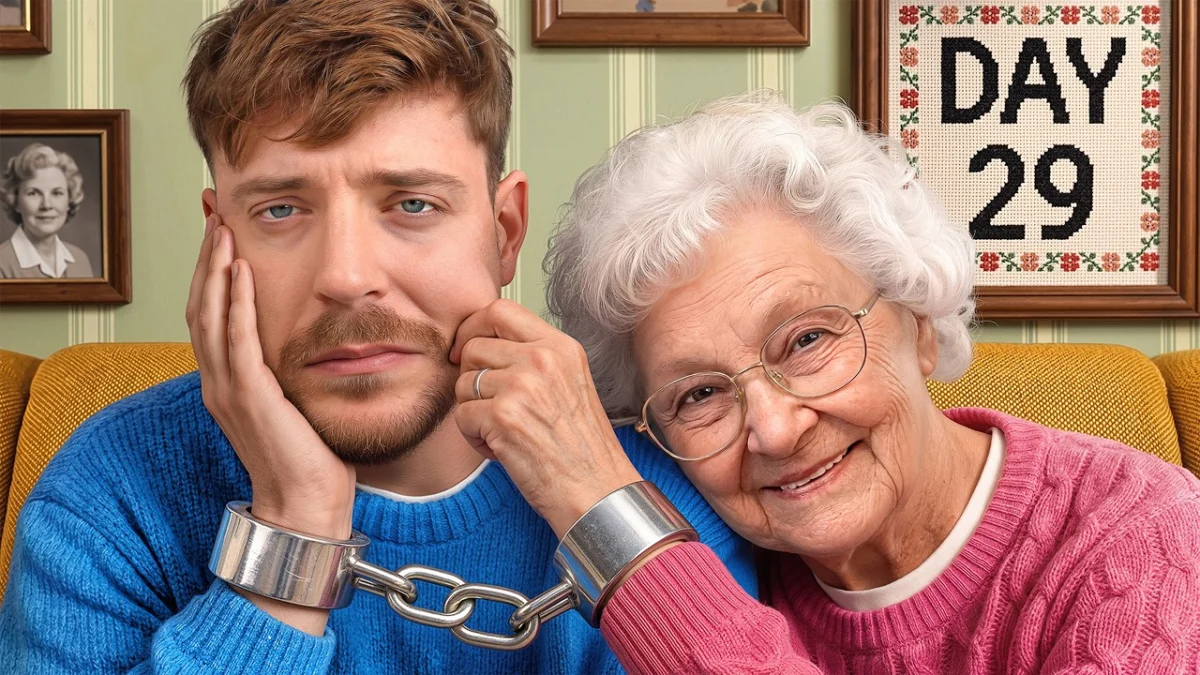
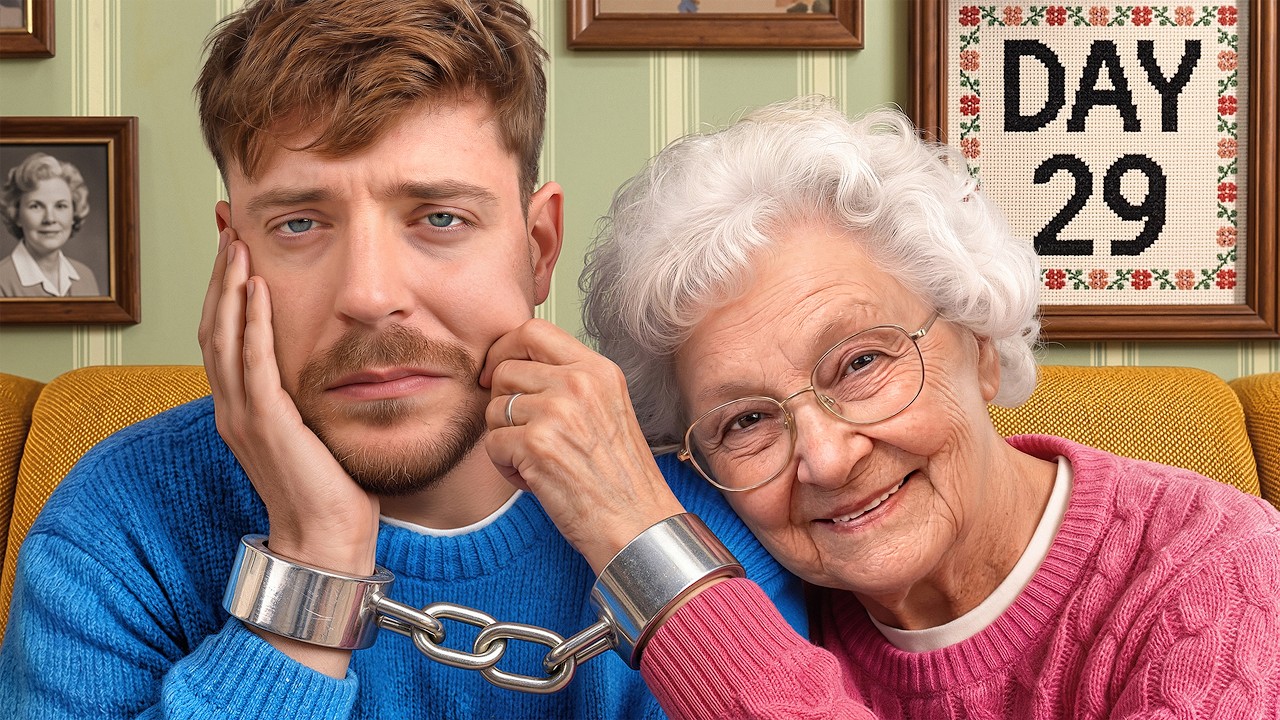
- Video: Survive 30 Days Chained To A Stranger, Win $250,000
- Brand: Feastables
- Views: 76,746,468
MrBeast (Jimmy Donaldson) continues to redefine the boundaries of reality television on a budget—albeit a very large one. By chaining two strangers together for 30 days, Donaldson leans into his proven formula of social experiments that provoke visceral audience reactions. While he is capable of securing massive, high-budget corporate sponsors, this video highlights his strategic focus on his own venture, Feastables. As the brand prepares for the Q4 push—specifically the Halloween retail season—this content serves as a high-traffic funnel for his chocolate line, potentially setting the stage for future collaborations with other creators to promote seasonal snack variants.
2. The FIFA/YouTube Power Play
- Video: I woke up to a surprise package… #FIFAWorldCup #ad
- Brand: FIFA & YouTube
- Views: 64,038,313
ur mom ashley represents the second tier of this week’s power ranking, illustrating a tactical shift in how global sports organizations reach Gen Z. By granting "pitchside" access to a cadre of lifestyle creators, FIFA and YouTube have successfully gamified the tournament viewing experience. The strategy is clear: creators provide authentic, "behind-the-scenes" content that traditional broadcast television cannot replicate. With multiple videos from Ashley’s FIFA-related series crossing the 10-million-view threshold, the investment in travel and influencer-focused "swag" has yielded a significant return on investment (ROI) in terms of reach and brand affinity.
3. VFX and Retail Synergy: MrBeast’s Second Spot
- Video: This Plane Takes Off in 12 Seconds
- Brand: Lowe’s
- Views: 30,137,533
This 19-second short is a masterclass in modern attention economics. By using a VFX-heavy "hook" to capture viewer interest, MrBeast successfully pivots to a commercial message for Lowe’s. However, the partnership is deeper than simple brand awareness. It highlights a strategic retail play: the MrBeast Lab "Builder Kits." By placing these kits in Lowe’s Kids Club, Donaldson is moving beyond digital advertising into the brick-and-mortar retail space, directly competing with the educational toy market dominated by creators like Mark Rober’s CrunchLabs.
4. The Culinary Pivot: Max the Meat Guy
- Video: 6 Levels of FIFA World Cup Challenges #ad
- Brand: FIFA & YouTube
- Views: 26,000,483
Max the Meat Guy has successfully utilized his second consecutive appearance on our list to demonstrate versatility. While his previous branded content leaned into his expertise—culinary arts—this week he pivoted to the "listicle" format to engage with the FIFA audience. This shift proves that when creators are given the right access (in this case, field-level entry), they can successfully pivot their content pillars to suit a brand partner’s requirements without losing their existing audience base.
Supporting Data: The "BookTube" Long Tail
While MrBeast and FIFA dominate the headlines, the "Long Tail" of the creator economy remains robust. Our bonus highlight, elle literacy, serves as a reminder that micro-communities such as "BookTube" offer highly engaged, loyal demographics.
Interestingly, the sponsorship here is a mismatch in traditional marketing terms: CleanMyMac sponsoring a literary critique of YA (Young Adult) fiction. However, this highlights a growing trend where tech utility brands are looking to capture niche, high-intent audiences. Even at 128,000 views, the conversion potential for a utility product like CleanMyMac can often be higher than a broad-reach advertisement on a million-view video.
Official Responses and Strategic Implications
The Rise of Creator-Owned Retail
The data from this week highlights a pivotal shift: MrBeast is no longer just a content creator; he is a distribution channel for his own vertically integrated companies. When a creator of his stature uses his platform to promote his own goods (Feastables) or his own product lines (MrBeast Lab at Lowe’s), he effectively captures the entire value chain—from audience attention to the final point of sale.
The Institutionalization of Influencer Marketing
The FIFA and YouTube partnership demonstrates the "institutionalization" of influencer marketing. Major global entities are no longer treating influencers as a "nice-to-have" add-on. Instead, they are integrating them into the core of their experiential marketing strategy. The results speak for themselves: billions of aggregate views for the FIFA-related content indicate that fans are now just as interested in the creator’s journey to the event as they are in the event itself.
Implications for Future Campaigns
For brands looking to replicate this success, the takeaways are twofold:
- Access is Currency: For event-based marketing (like the World Cup), the primary value a brand can offer is exclusive access. If you can provide a creator with an experience their audience cannot get elsewhere, the content will naturally perform better.
- Retail Integration: As demonstrated by the Lowe’s/MrBeast partnership, the most effective sponsorships in 2026 and beyond are those that bridge the gap between digital content and physical product availability.
Conclusion
The creator economy is maturing. As we look toward the 2025 landscape, the brands that will succeed are those that view creators not merely as billboards, but as strategic partners in content creation and product distribution. Whether it is a massive stunt with $250,000 on the line or a thoughtful essay on the "quirk-ification" of literature, the power of YouTube remains the same: it is the most effective platform for capturing attention at scale.
For more in-depth data and to track specific brand-creator relationships, ensure you are subscribed to the Gospel Stats platform and download our YouTube 2025 Sponsorship Landscape Report.

