

Three years after its initial debut, Cyberpunk 2077: Phantom Liberty stands not merely as an expansion, but as a landmark case study in corporate redemption and creative evolution. To mark the third anniversary of this critically acclaimed spy-thriller, Pawel Sasko—Associate Game Director for the upcoming Cyberpunk 2 and lead quest designer on Phantom Liberty—has pulled back the curtain on the fundamental shift in production philosophy that allowed the expansion to succeed where the base game faltered.
The narrative of Cyberpunk 2077 is often bifurcated: the disastrous, bug-ridden launch of December 2020 and the triumphant, polished experience that eventually emerged. As the studio looks toward the future of the franchise, the lessons learned during the development of Phantom Liberty have become the bedrock of CD Projekt Red’s new operational DNA.
A Fundamental Shift in Architecture: From Waterfall to Pods
The most significant takeaway from Sasko’s retrospective is the candid admission that the studio’s internal structure required a total overhaul. The original development of Cyberpunk 2077 relied heavily on what is known in project management as the "waterfall model." In this traditional, rigid hierarchy, development tasks moved sequentially from one department to the next. Decisions were bottlenecked at the top, creating a system where leads and directors became the primary points of failure and congestion.
For Phantom Liberty, CD Projekt Red abandoned this monolithic approach in favor of "multidisciplinary content pods." By embedding designers, writers, cinematic artists, audio engineers, and QA specialists into single, cohesive units, the studio fostered a more iterative and collaborative workflow.
"It took a long time to learn how to work this way," Sasko noted on social media. "But once it started clicking, I could feel the difference." This structural agility allowed for faster troubleshooting and a more unified vision for quest design, effectively insulating the expansion from the communication silos that had hindered the base game’s development cycle.
The Spycraft Blueprint: Drafting the Narrative of Dogtown
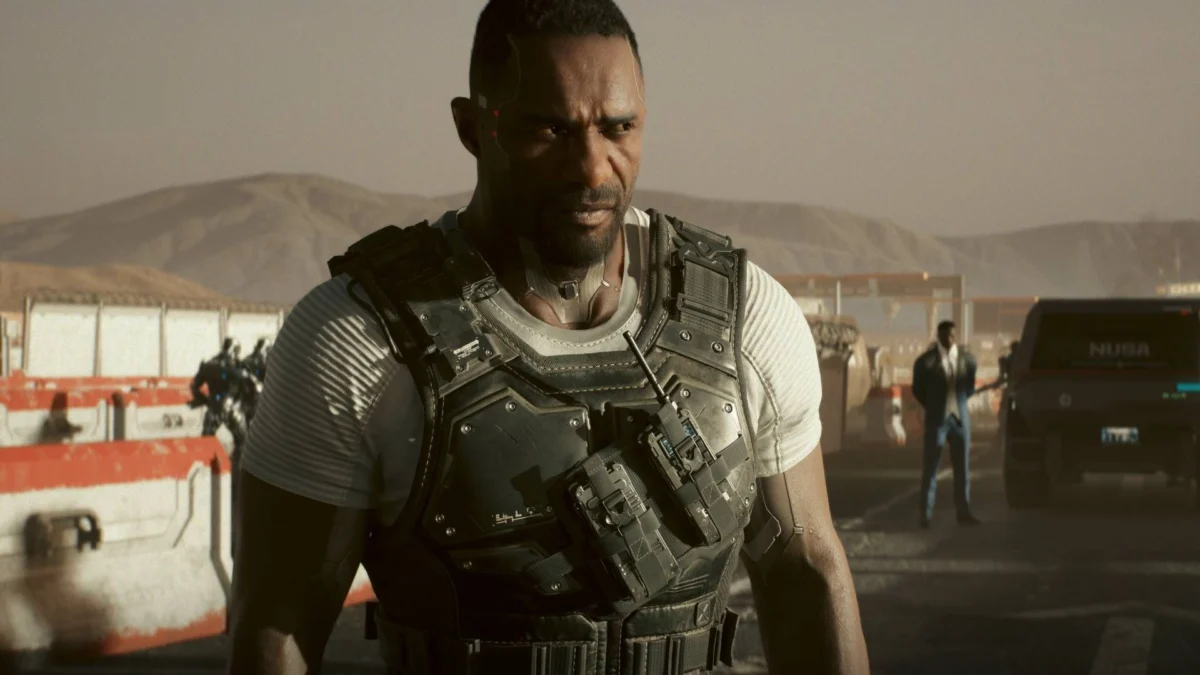
When building the story of Phantom Liberty, which introduces the treacherous, lawless district of Dogtown and the enigmatic FIA agent Solomon Reed (portrayed by Idris Elba), the writing team turned to the titans of the spy-fiction genre.
Sasko revealed that the creative team conducted a deep-dive analysis of classic and contemporary espionage narratives. The goal was to imbue the expansion with a specific atmospheric tension that resonated with the genre’s tropes while remaining firmly rooted in the high-tech, low-life aesthetic of Cyberpunk. The list of inspirations is eclectic, ranging from the slow-burn, cerebral tension of John le Carré’s Tinker Tailor Soldier Spy to the high-octane kinetic energy of The Bourne Identity.
Furthermore, the influence of heist films like Ocean’s Eleven provided a template for the "Black Sapphire" mission—a standout sequence that balances the elegance of a high-society party with the underlying, razor-thin threat of imminent betrayal. By using these established tropes as a "practical tool," the writers were able to create a cohesive tone that elevated Phantom Liberty from a simple content drop into a genre-defining experience.
The Ethical Labyrinth: Designing for Consequence
One of the most defining aspects of Phantom Liberty is its gut-wrenching final act, which forces the player to choose between the fate of the enigmatic Songbird and the loyalist operative, Solomon Reed. Sasko revealed that this specific climax was the North Star of the expansion’s narrative development.
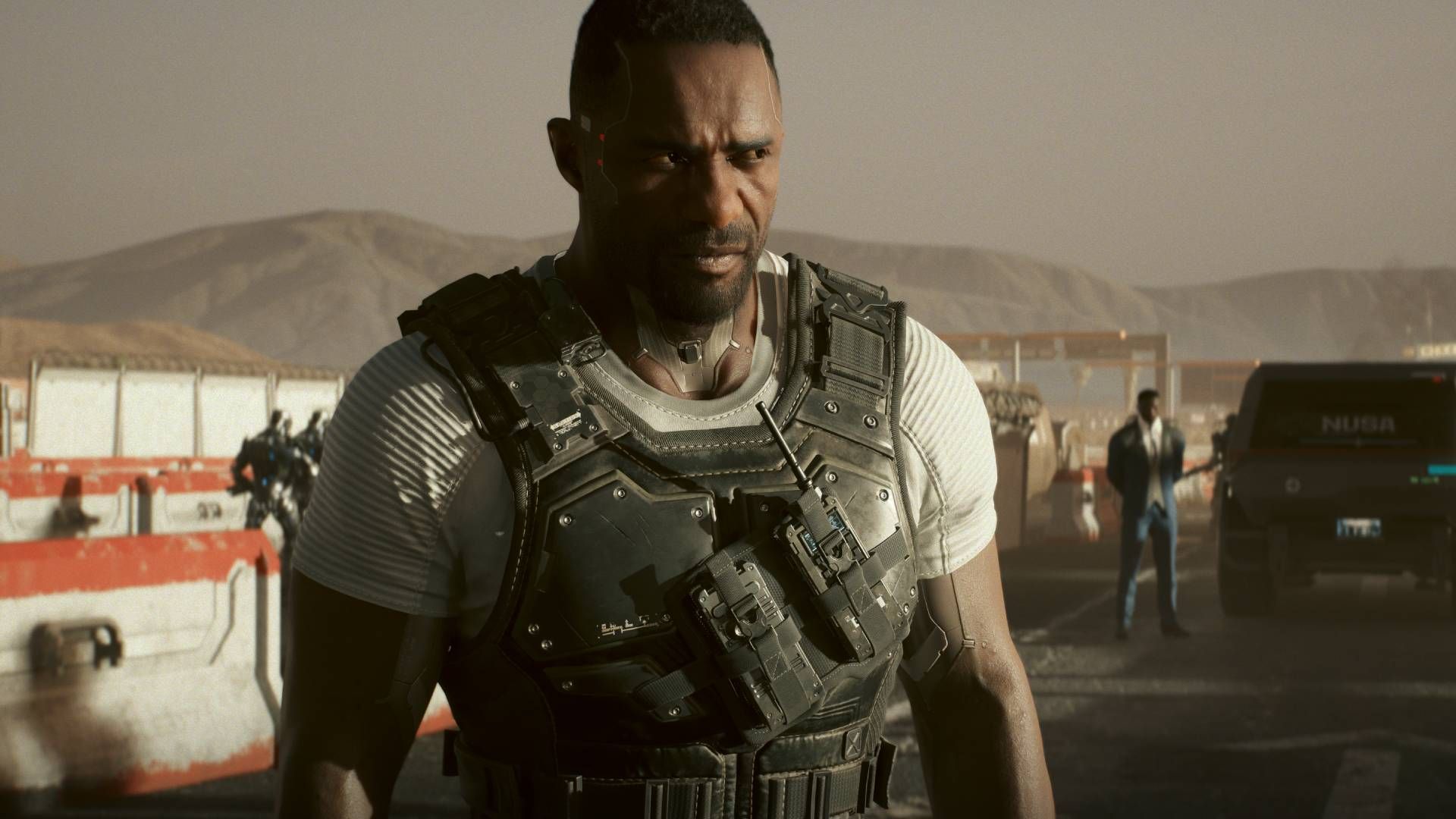
"We worked backwards from it and rewrote scenes many times," Sasko explained. The objective was to create a scenario where neither choice felt inherently "correct." By ensuring both characters possessed complex, contradictory motivations—secrets, weaknesses, and sympathetic histories—the writing team effectively trapped the player in a moral dilemma.
This approach was a direct reaction to player feedback from the base game. In the original Cyberpunk 2077, players often felt that their choices were either too subtle or lacked tangible weight, leading to a disconnect between action and outcome. For Phantom Liberty, the team pushed for "clearer consequences." The developers utilized in-game assets—such as emails, photograph collectibles, and the reappearance of side characters—to constantly remind the player that their past decisions had left a permanent scar on the world of Night City.
Supporting Data: A Legacy of Redemption
The commercial and critical success of Phantom Liberty is undeniable, but it serves as a fascinating metric of the "Cyberpunk redemption arc." Despite the massive sales figures—with Cyberpunk 2077 crossing the 40 million units sold threshold—the expansion represents a deeper, qualitative victory.
- Critical Acclaim: Phantom Liberty currently holds some of the highest review scores in CD Projekt Red’s history, with critics praising the improved NPC AI, overhauled skill trees, and the density of the narrative content.
- Player Retention: The release of the expansion, coupled with the massive 2.0 update, saw a resurgence in daily active users, proving that the game’s reputation could be rehabilitated through consistent, quality-focused support.
- The "Pod" Efficacy: Internal metrics from the studio suggested that the transition to the multidisciplinary pod model reduced the time required to iterate on quest design by nearly 30%, a significant efficiency gain that will likely be standard practice for future projects like the Cyberpunk sequel and the new Witcher titles.
Official Responses and Reflections
Despite the accolades, Pawel Sasko remains grounded. His comments reflect a man who is acutely aware of the past while looking toward the future. "I don’t believe Phantom Liberty erases the launch of Cyberpunk 2077," he noted. Instead, he views the entire saga as a crucible of experience.
For the leadership at CD Projekt Red, the expansion is not a "fix" for a broken product, but a masterclass in how to handle a crisis. The studio has publicly credited the player base for their patience, acknowledging that the community’s willingness to engage with the game post-launch was the "reason we can do all this work."
Sasko’s transition into the role of Lead for the next mainline Cyberpunk RPG is a signal that the company intends to double down on the lessons learned in Dogtown. By prioritizing developer well-being through better structure and prioritizing player agency through meaningful consequence, the studio is signaling a shift away from the "crunch-heavy," top-down management style that defined the industry’s darker chapters.
Implications for the Future of the Franchise
The implications of these revelations are profound. The gaming industry is currently at a crossroads, with ballooning budgets and development times leading to high-profile failures. CD Projekt Red’s pivot to "pod-based" development offers a blueprint for how large-scale studios can maintain creative quality without sacrificing the health of their workforce or the coherence of their games.
As the studio shifts its focus to the next Cyberpunk title, fans can expect a design philosophy that favors narrative depth over breadth, and player choice that isn’t just an illusion, but a reflection of the character they have built.
"I hope that, in your eyes, Cyberpunk 2077 has earned its place," Sasko concluded. Given the trajectory of the game from a technical disaster to one of the most respected RPGs of the decade, the industry is watching closely. If the future of the Cyberpunk franchise continues to be built on the structural and narrative foundations laid by Phantom Liberty, the next installment may well prove that a game is not just defined by its start, but by how it learns to evolve.

