

In the fast-paced world of modern gaming, the narrative arc of a title is often set in stone within the first 48 hours of its release. A game is either a masterpiece or a disaster; a triumph or a "dead on arrival" failure. However, history has shown that the initial reception of a title—no matter how volatile—is rarely the final word on its legacy.
This is particularly true for games like Battlefield 2042 and the titan of redemption stories, No Man’s Sky. While the industry and its fanbases are quick to label these games as "broken" at launch, a deeper look reveals that what many saw as failures were often just unconventional designs that challenged player expectations.
The Chronology of Chaos: From Launch to Redemption
No Man’s Sky: A Cosmic-Scale Controversy
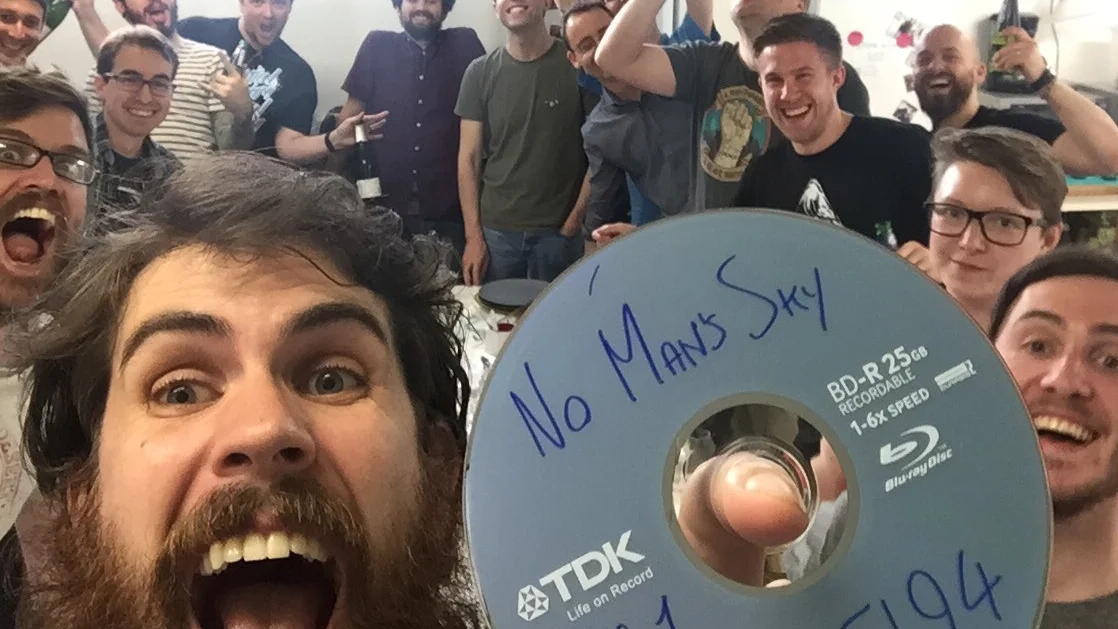
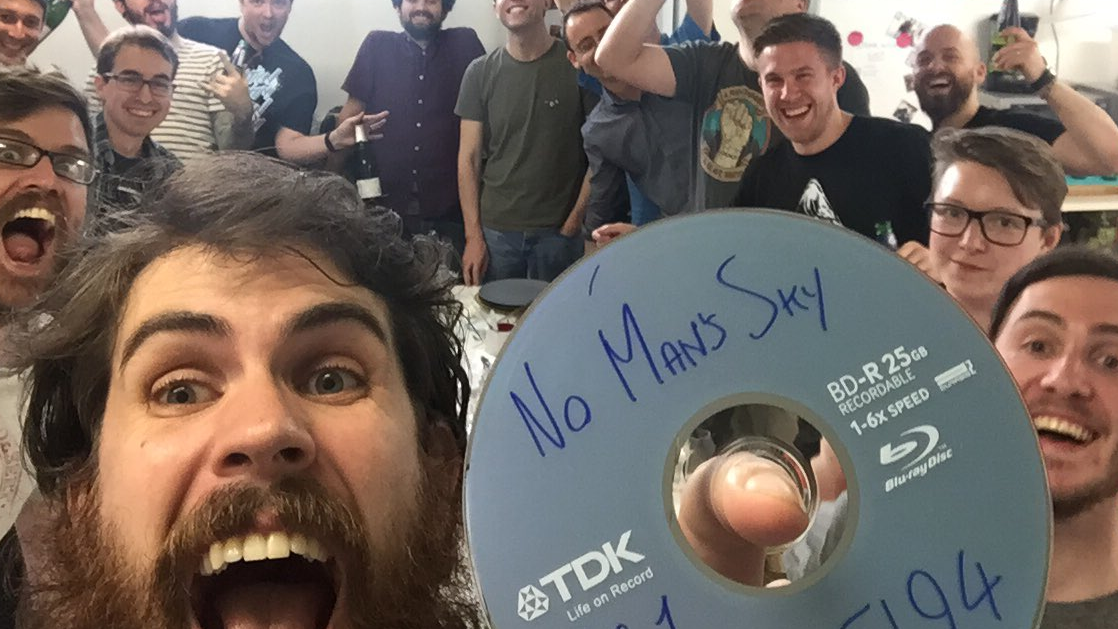
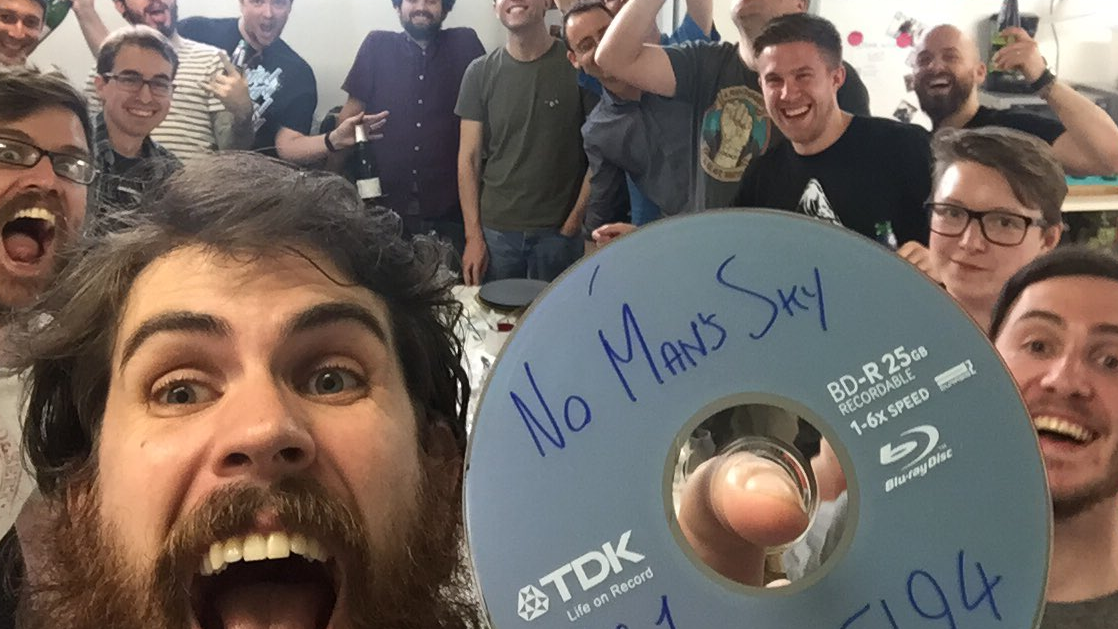
When Hello Games released No Man’s Sky in August 2016, the atmosphere was thick with anticipation. Promises of an infinite, procedurally generated universe had reached a fever pitch. When players finally logged in, however, the response was visceral. The game was criticized for being empty, repetitive, and missing the promised multiplayer features.
The backlash was one of the most significant in the medium’s history. Founder Sean Murray became the face of a marketing misfire, with the studio enduring a period of intense public scrutiny. Yet, in the years that followed, Hello Games did the unthinkable: they kept working. Through a series of massive, free updates—Foundation, Pathfinder, Atlas Rises, NEXT, and beyond—the game evolved from a solitary, abstract exploration sim into a robust, multiplayer-centric survival crafting experience. Today, it stands as the gold standard for post-launch support.
Battlefield 2042: The "Worst" That Wasn’t
Similarly, Battlefield 2042 entered the fray with high ambitions, including 128-player maps that were meant to redefine the scale of the franchise. Upon launch, it was derided by critics and fans alike as the "worst Battlefield ever," plagued by performance issues and map design that felt disjointed.
Yet, for a select few, the game offered something unique. The sheer scale, the wonky physics that have long been a hallmark of the Battlefield DNA, and the creative freedom offered by the Portal scripting tool provided a specific brand of chaotic joy. Electronic Arts eventually moved to "fix" the game by scaling back player counts and redesigning maps, effectively silencing the "lonely" atmosphere that some players—myself included—actually found charming.
The Anatomy of Expectations: Why We Judge Too Quickly
The primary issue with both No Man’s Sky and Battlefield 2042 was not necessarily the quality of the product, but the gap between the vision presented by the developers and the expectations projected by the audience.
In the case of No Man’s Sky, the "esoteric" nature of the original build was its greatest strength and its greatest failure. It was a game about profound, eerie solitude. The silence of space was the point. By listening to the community and adding base-building, expanded combat, and massive multiplayer hubs, Hello Games successfully moved toward a more traditional "fun" loop. But in doing so, they moved away from the strange, minimalist art piece that existed on day one.
The "Fixed" Fallacy
There is a common, often reductive, narrative that says a game is "fixed" once it aligns with the majority opinion. We treat game development like plumbing: if there is a leak, you plug it. But game design is a creative process, not a mechanical repair. When developers overhaul a game to satisfy a vocal minority or a disappointed majority, they often sacrifice the original artistic intent.
When Sean Murray speaks about his "soft spot" for the 2016 version of No Man’s Sky, he is acknowledging that there was a distinct personality to that initial release. It was a weird, lonely, and arguably misunderstood experiment. Does the modern version of No Man’s Sky offer more hours of entertainment? Objectively, yes. But does it offer the same singular, haunting experience as the launch version? Certainly not.
Supporting Data: The Lifecycle of Modern Service Games
Looking at the industry at large, we see a pattern emerging. The "Live Service" model has become a double-edged sword. On one hand, it allows developers to refine their vision and extend the life of a game for years, as seen with No Man’s Sky or Cyberpunk 2077. On the other hand, it has created a culture where publishers feel comfortable shipping "unfinished" products, relying on the promise that "it will be better in six months."
| Game | Initial Consensus | Current Standing |
|---|---|---|
| No Man’s Sky | Disastrous/Empty | Critically Acclaimed/Redeemed |
| Battlefield 2042 | Broken/Disappointing | Stabilized/Cult following |
| Cyberpunk 2077 | Technically Failing | Masterpiece status |
This data suggests that the "launch window" is becoming an increasingly poor metric for judging a game’s ultimate value. If we evaluated No Man’s Sky solely on its 2016 performance, we would ignore the fact that it is now a foundational title for the space-survival genre.
Official Responses and the Future of Hello Games
The industry is now looking toward Hello Games’ next project, Light No Fire. The hype surrounding this title is already massive, mirroring the feverish, almost dangerous expectations that preceded No Man’s Sky.
The difference now is the established track record of the studio. Because Hello Games "fixed" No Man’s Sky, they have earned a level of trust that allows them to push the boundaries once again. Their responsiveness to player feedback has become part of their brand identity. However, this raises a philosophical question: will they try to launch a "complete" game, or will they once again lean into the potential of an evolving, living, and changing world?
Implications for the Gaming Industry
The implications of this cycle are profound for both developers and consumers:
- For Consumers: We must learn to distinguish between a "broken" game (unplayable, crashing, fundamentally flawed code) and a "misunderstood" game (a game with a niche design or an unconventional vision). Not every design choice we dislike is an error that needs "fixing."
- For Developers: Transparency is the only cure for the toxicity that follows a rough launch. The "we’re listening" campaign can only work if it is backed by genuine, substantial, and often free content updates. Hello Games succeeded not just because they fixed bugs, but because they treated their audience as partners in the development process.
- For the Medium: We must move away from the binary of "good vs. bad" at launch. The history of gaming is written in long-term support. Games like No Man’s Sky prove that a project is never truly finished; it is a living entity that grows, breathes, and changes alongside its community.
Conclusion: Embracing the Weird
As I look back at my time with Battlefield 2042 and the original 2016 release of No Man’s Sky, I am reminded that my favorite experiences are often the ones that deviate from the standard template. The eerie, quiet, and occasionally glitchy moments in these games provided an atmosphere that more "polished" titles often lack.
We should, of course, hold developers accountable for technical stability and honest marketing. But we should also leave room in our hearts for the "weird" games—the ones that don’t quite fit the mold, the ones that launch with a whisper rather than a roar, and the ones that find their own identity through the long, difficult road of post-launch evolution. Sometimes, the most interesting parts of a game aren’t the features that were promised, but the ones that evolved through the struggle of being misunderstood.

