

For decades, the role-playing game (RPG) genre has been defined by a singular, pervasive narrative arc: the "Chosen One." From the humble beginnings of 8-bit adventures to the sprawling, photorealistic open worlds of the modern era, players have consistently been cast as the prophesied hero destined to defeat a dark lord, save the universe, and collect a retinue of devoted companions.
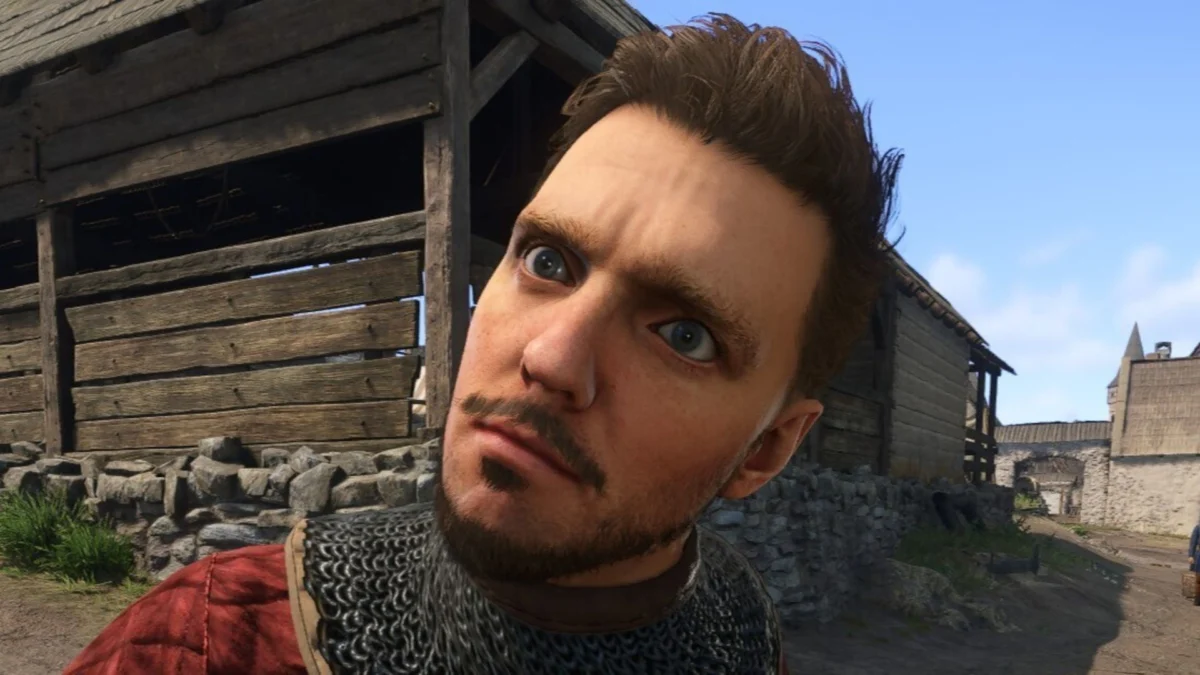
However, for Martin Klima, co-founder of Warhorse Studios, this repetitive loop has become more than just a trope—it has become a creative bottleneck. In a candid conversation with PC Gamer’s Joshua Wolens, Klima reflected on the philosophy that birthed Kingdom Come: Deliverance (KCD), a game that famously eschewed high-fantasy tropes in favor of gritty, grounded historical realism. Klima’s critique serves as a broader indictment of an industry he believes has outgrown its primary audience, yet remains shackled to the comfort of the familiar.
The Genesis of a Different Kind of RPG
The inception of Kingdom Come: Deliverance was not merely a design choice; it was a reaction to a growing sense of existential boredom within the RPG landscape. Klima recalls a time when he looked at the market and saw a sea of sameness.
"I play a lot of RPGs, it’s a genre I really like," Klima noted during the interview. "I was really, and I still am, bored and tired of all the RPGs where you are this chosen one, where you have this grand task of saving the universe. The games that are these really straightforward power fantasies. It’s not that I think it’s somehow wrong in principle. There is nothing bad about a good power fantasy. It’s just, it’s so repetitive."
To illustrate his point, Klima drew a comparison to Progress Quest, the legendary satirical "idle" game that mocked the Skinner-box nature of early MMORPGs like EverQuest. By reducing the RPG experience to its most mechanical, mindless components, Progress Quest exposed the emptiness of the "grind." Klima argued that many mainstream RPGs are essentially "distillations" of this same cycle—a realization that fueled the desire to create a game where the player is not a savior, but a blacksmith’s son caught in the gears of history.
Chronology of a Genre: From Innovation to Iteration
To understand Klima’s perspective, one must look at the evolution of the genre over the last twenty years.
The Golden Age of Exploration (Early 2000s)
In the early 2000s, RPGs were characterized by technical experimentation. Games like The Elder Scrolls III: Morrowind or the original Fallout titles offered players unprecedented freedom. These games set the stage for the modern open-world format, establishing the foundations for the "power fantasy" that would eventually dominate the market.
The "Ubisoft-ization" of the RPG (2010–2020)
As budgets ballooned, the industry shifted toward a more standardized formula. Companies like Ubisoft perfected the "open-world checklist" model—a map filled with markers, towers to climb, and incremental gear progression. Even series that originated as stealth or action games, such as Assassin’s Creed, pivoted toward RPG mechanics, integrating leveling systems and loot rarity to keep players engaged in a loop of constant, albeit predictable, growth.
The Realism Push (2018–Present)
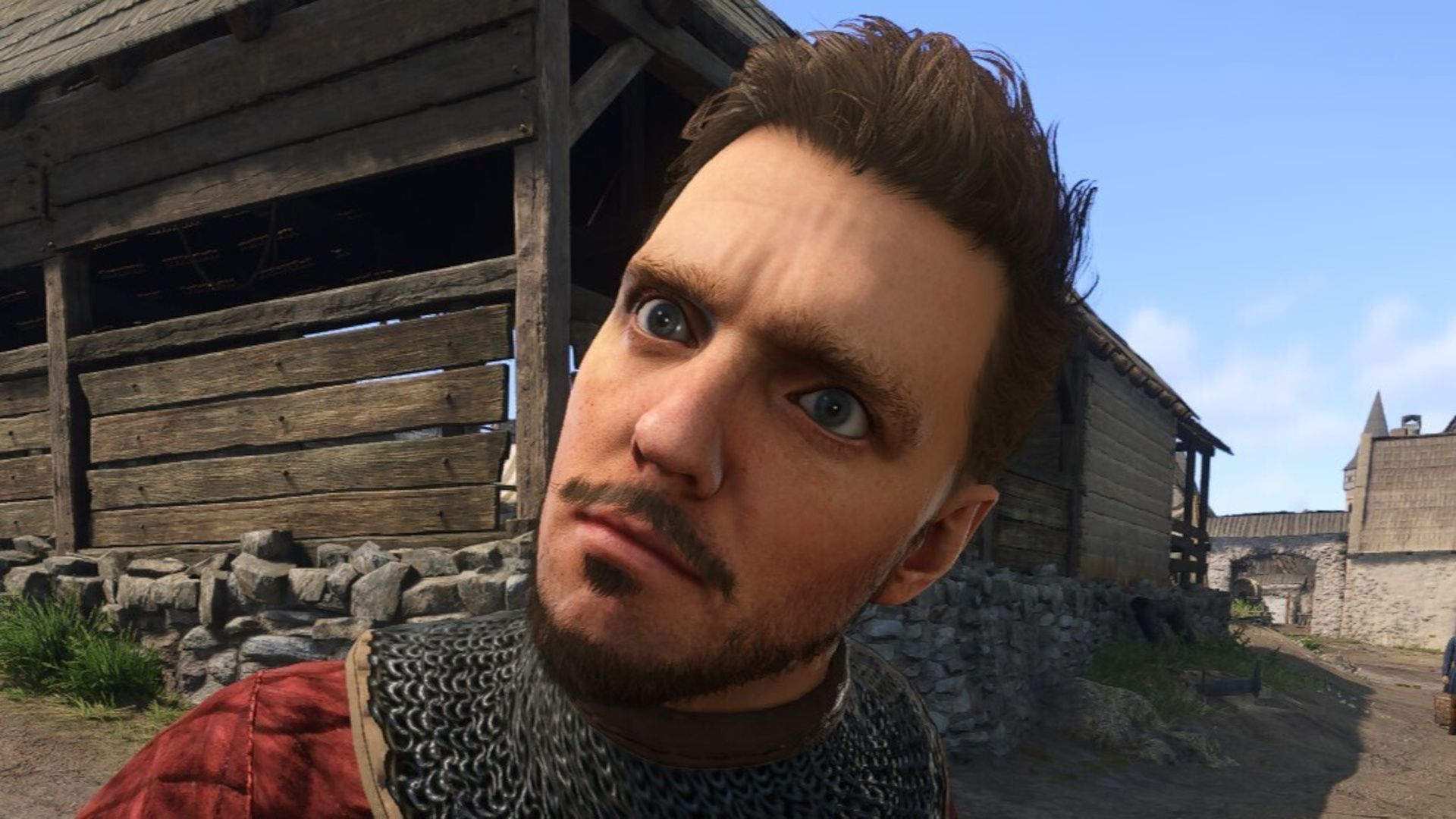
Kingdom Come: Deliverance, released in 2018, acted as a counter-cultural movement within the space. By stripping away magic, dragons, and the "Chosen One" narrative, Warhorse Studios forced players to engage with the world on its own terms—mastering swordplay, learning to read, and navigating the complexities of medieval social hierarchies. It proved that a significant portion of the audience was hungry for something that treated them as adults rather than protagonists of a superhero myth.
The Demographic Disconnect
One of Klima’s most biting observations concerns the maturation of the gaming audience. He suggests that the industry is still designing games for the 16-to-17-year-old demographic, despite the average gamer now being significantly older.
"The games that were and sort of are being made are still the games for teenagers," Klima said. "If you are 16, 17, you love playing these power fantasy games because it’s something that you need. But the audience is much older today."
This disconnect suggests a missed opportunity. As players age, their tastes often shift toward more nuanced storytelling, complex decision-making, and environments that feel lived-in rather than manufactured. By clinging to the power fantasy, developers may be alienating a cohort of players who have graduated from the desire to "save the world" and are now looking for a world that feels worth living in.
The Corporate Dilemma: Innovation vs. Financial Security
While Klima is critical of the repetitive nature of current flagship titles, he is careful not to condemn the developers themselves. He specifically cites Ubisoft as a company that possesses incredible technical prowess—"beautiful animations, beautiful models," and a high level of polish—but one that remains trapped by the demands of the bottom line.
"They are really best at recycling the same formula over and over," Klima explained. "I appreciate the dilemma that they have, and I don’t have any easy answers for it."
The financial risk associated with AAA development is the primary engine behind this stagnation. When a project costs hundreds of millions of dollars, the incentive to iterate on a proven, successful formula is massive. Innovation is expensive and risky; sequels and established mechanics are safe. Consequently, the "craftsmanship" that Klima admires is often funneled into making the same game look slightly better, rather than creating a new game entirely.
Implications for the Future of RPGs
What does this mean for the future of the genre? If Klima’s assessment is correct, the industry is approaching a breaking point where technical fidelity can no longer mask narrative fatigue.
- The Rise of Independent and AA Studios: As AAA developers become increasingly risk-averse, the burden of innovation falls on mid-tier and independent studios. These developers have less to lose and more to gain by breaking the mold, much like Warhorse did with KCD.
- Narrative Personalization: We are likely to see a shift toward games that emphasize personal stakes over global ones. Players are showing an increased appetite for narratives that focus on interpersonal relationships, internal politics, and small-scale struggles that feel more relatable than cosmic battles between good and evil.
- Mechanical Depth over Map Density: The "Ubisoft-style" map, littered with icons, is facing a backlash. Players are increasingly prioritizing mechanical depth—such as the complex combat and survival systems found in Kingdom Come: Deliverance—over the sheer volume of "content" to clear.
Conclusion
Martin Klima’s critique of the RPG genre is a call to action for developers and publishers alike. It is a reminder that while polish and craftsmanship are essential, they are only as good as the vision they serve. If the gaming industry continues to treat its audience as a perpetual teenager, it risks becoming a stagnant medium.
Kingdom Come: Deliverance stands as proof that players are ready to trade the crown of the "Chosen One" for the dirt, uncertainty, and rewarding realism of a world that doesn’t revolve around them. Whether the rest of the industry will follow suit remains to be seen, but as the audience continues to age, the demand for more meaningful, grounded experiences will only grow louder. The "Chosen One" era may not be over, but the path toward something more mature has been clearly marked.

