

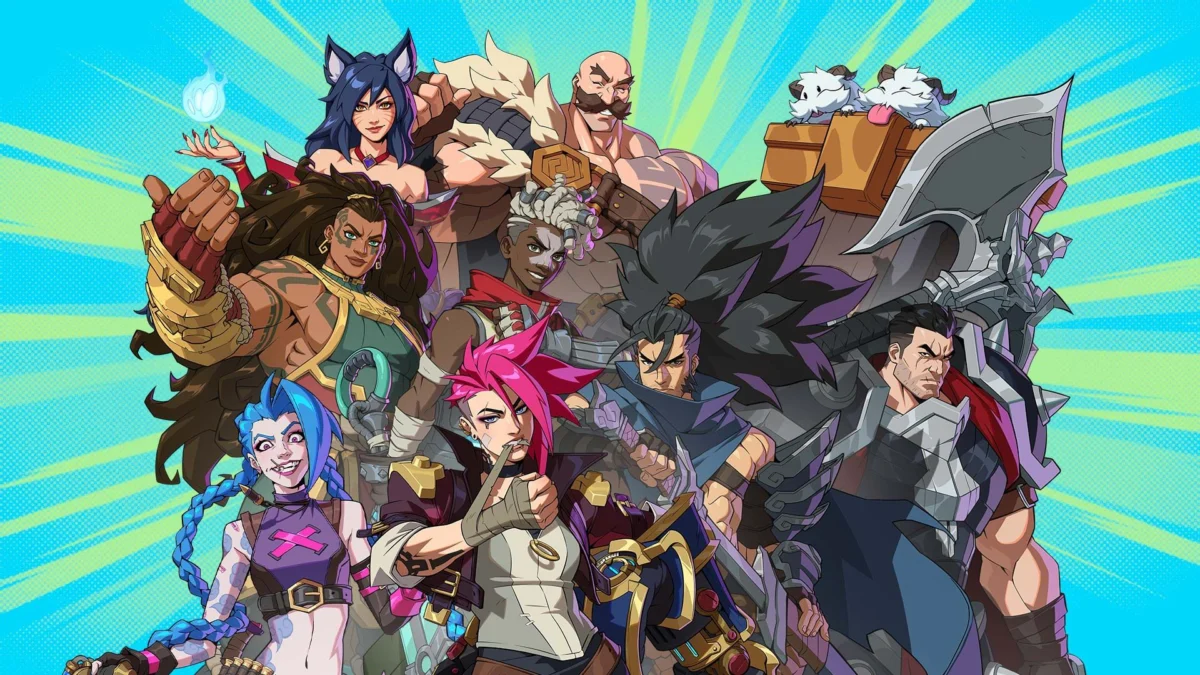
In the high-stakes world of modern game development, few companies carry the weight of expectation that Riot Games does. Known for the monolithic success of League of Legends and VALORANT, Riot’s foray into the fighting game genre—the tag-team fighter 2XKO—was once seen as a guaranteed disruptor. However, following recent revelations from Riot co-founder and Chief Product Officer Marc Merrill, the industry now has a clearer picture of why this ambitious project failed to gain the necessary traction to remain viable as a long-term live service.
The narrative of 2XKO is not one of a broken game or a lack of talent; rather, it is a cautionary tale of shifting market windows, internal misalignment, and the brutal economic realities of the modern live-service model.
The Core Problem: The Economics of Scale
At the heart of the decision to end active development on 2XKO lies a fundamental mismatch between the game’s operational costs and its player acquisition metrics. According to Marc Merrill, speaking on The Lemonade Stand podcast, 2XKO was designed as a massive, ongoing live-service entity. For such a model to be sustainable, the game required a consistent, high-volume player base.
"We needed a base of monthly active users in the high hundreds of thousands, if not millions, to be sustainable," Merrill admitted. Despite the game resonating with a passionate core of fighting game enthusiasts, that audience was "not nearly enough" to cover the substantial costs required to keep the servers running, maintain the live-service infrastructure, and fund ongoing content updates.
When engagement figures remained flat despite major patches and content drops, the writing was on the wall. In August, Riot Games officially announced it would cease active development. The cost of operations simply dwarfed the revenue generated, turning the project into a financial liability that even a company as resource-rich as Riot could not justify sustaining indefinitely.
A Chronology of Ambition and Stagnation
To understand the trajectory of 2XKO, one must look back to 2016, when Riot Games acquired Radiant Entertainment. Radiant, founded by the Cannon brothers—well-known figures in the fighting game community—had been developing an alpha title called Rising Thunder.
- 2015-2016: Rising Thunder is released in alpha, praised for its accessible "simple controls" and innovative design. Riot acquires Radiant, effectively absorbing the team and their technology.
- 2016-2018: Rising Thunder is pulled from storefronts. It is later released as an open-source project, while the team begins pivoting toward what would eventually become the League of Legends fighting game project, internally codenamed Project L.
- 2019-2023: Development continues in the public eye. Riot periodically shares updates, showing off the sleek visuals and tag-team mechanics, leveraging the League of Legends IP to build anticipation.
- 2023: Street Fighter 6 is released to massive critical and commercial acclaim.
- 2024: The game is rebranded as 2XKO. However, engagement struggles to reach the critical mass required for a sustainable live service.
- August 2024: Riot announces the end of active development.
The journey from the promise of Rising Thunder to the sunset of 2XKO spanned nearly a decade. During that time, the landscape of the fighting game genre underwent a seismic shift that Riot, despite its vast resources, could not overcome.
The "Street Fighter 6" Factor: A Window Slammed Shut
Merrill’s comments regarding the release of Street Fighter 6 highlight a critical vulnerability in the modern gaming market: the timing of launch windows. Riot had envisioned 2XKO as a game that would revitalize the fighting game community. However, the eight-year gestation period for the project left it vulnerable to competitors.
"I think we had a window to do some great things to really help the fighting game community, and then Street Fighter 6 came out," Merrill explained. "I think if we came out, ideally when we should’ve, years before Street Fighter, I think we would have made a really significant impact."
The success of Street Fighter 6 essentially "sucked the air" out of the room. By the time 2XKO was nearing a mature state, the fighting game audience—a niche but dedicated group—had already found a home in Capcom’s latest masterpiece. The market was no longer "empty" or waiting for a savior; it was satisfied.
Internal Misalignment and Managerial Fracturing
Beyond external market forces, Merrill provided a candid look at the internal dysfunction that plagued the project. While the development team was comprised of "really talented people that did great work and made a beautiful game," the leadership layer failed to provide a cohesive vision.
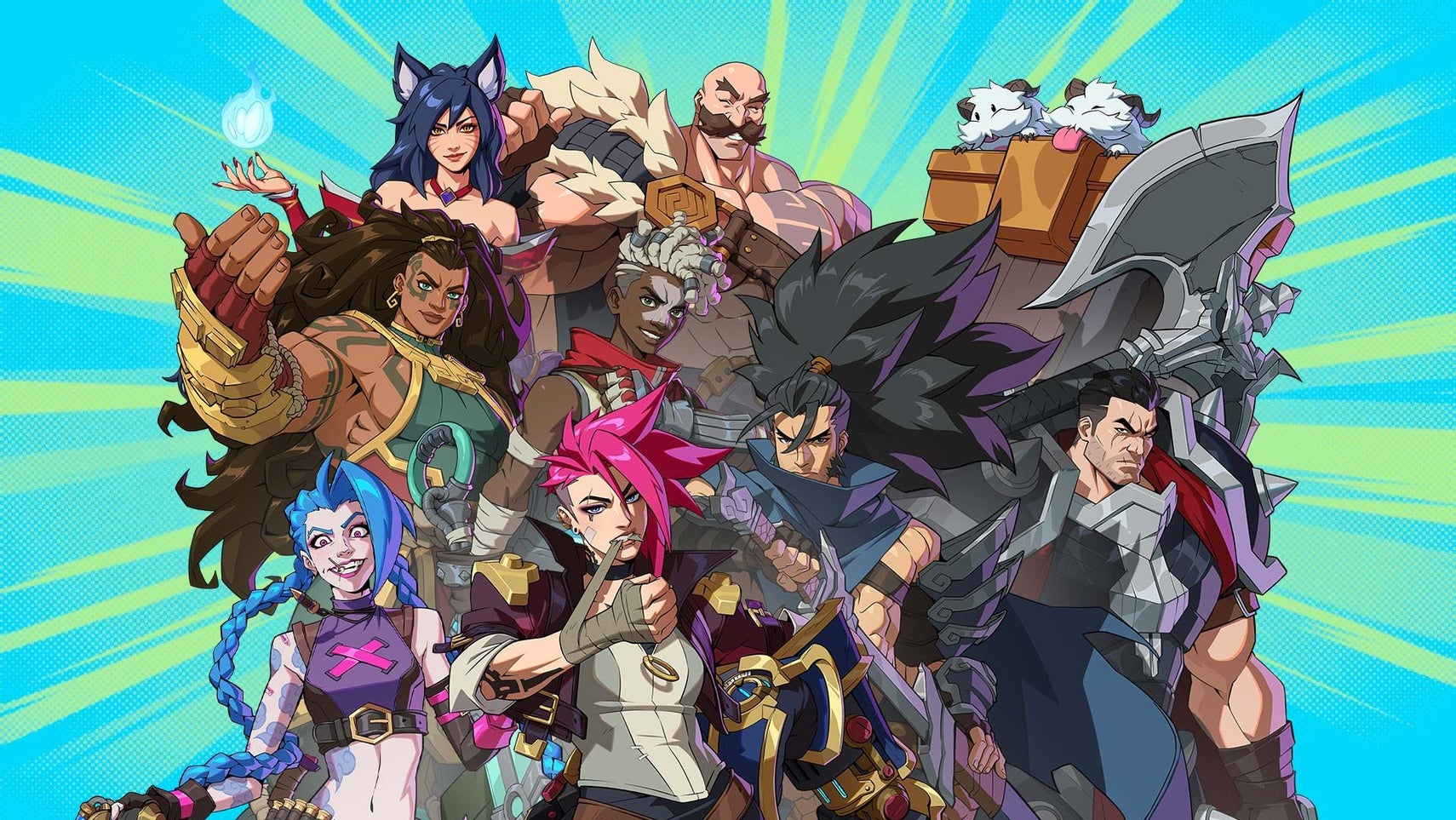
"We had some leadership changes," Merrill noted. This lack of alignment on strategy led to what he described as "managerial fracturing." When a project is subject to conflicting guidance from different stakeholders, the resulting lack of focus is often fatal. The product ends up being a compromise rather than a singular, focused vision.
Merrill took personal responsibility for these failures, stating, "We’ve got nobody to blame but ourselves." This level of transparency is rare in the games industry, pointing to a culture at Riot that, while capable of introspection, struggled to reconcile its corporate ambitions with the realities of the niche fighting game market.
The Future of the "2XKO" Servers
Despite the cessation of active development, 2XKO is not being deleted from existence. Riot has confirmed that the game remains playable and free to download on PC, PlayStation 5, and Xbox Series X|S. Furthermore, servers are guaranteed to remain online "beyond 2026."
This decision serves as a "soft landing" for the community that did engage with the title. By keeping the servers live, Riot allows the existing player base to continue enjoying the product they spent time learning, even if the promise of a long-term, evolving live-service ecosystem has been abandoned. It is an act of goodwill, but also a recognition that the game itself, as a technical product, is fundamentally sound.
Implications: The Hard Truths for Live-Service Games
The failure of 2XKO carries significant implications for the wider gaming industry.
1. The "Live Service" Trap
Companies are increasingly realizing that the "live service" model is not a panacea. If a game cannot achieve a high enough baseline of monthly active users, the overhead costs of maintaining servers, anti-cheat, and live support create a cycle of diminishing returns. 2XKO serves as a warning that not every genre is suited for the endless content treadmill.
2. IP Isn’t Everything
Riot Games possess some of the most recognizable intellectual property in the world with the League of Legends universe. Yet, even with the weight of the League brand, they could not force an audience to adopt a fighting game that failed to differentiate itself sufficiently in a crowded market. A strong IP can get players in the door, but it cannot keep them there if the product doesn’t meet the specific demands of the genre’s veterans.
3. The Danger of Development Bloat
The long, multi-year development cycles that have become common in AAA gaming are increasingly risky. In a fast-moving market, a project that spends eight years in development is often iterating on a version of the market that no longer exists by the time it reaches players. The "window" of opportunity is a narrow, moving target.
Conclusion: A Respectful End
The story of 2XKO is one of missed opportunities and harsh lessons. It highlights a company that attempted to expand its portfolio into a genre it respected, utilizing talent it had nurtured, only to be undone by the unforgiving economics of the industry it helped shape.
While the project did not achieve the meteoric heights of its siblings, League of Legends and VALORANT, the decision to keep the servers open is a testament to the respect Riot maintains for the community that did rally around the game. As the industry moves forward, the case of 2XKO will likely be studied as a primary example of why, in the world of modern gaming, speed, focus, and market awareness are just as important as the quality of the game itself.

