

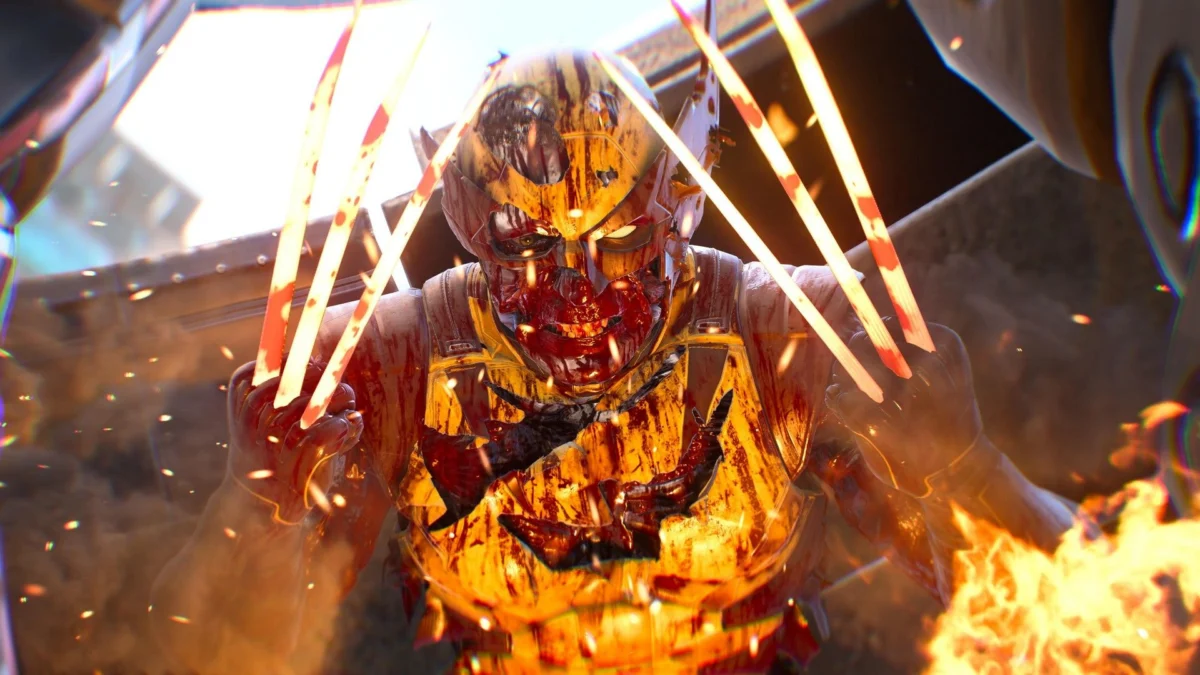
In the high-stakes arena of AAA video game development, the gap between critical reception and commercial performance has rarely been as starkly illustrated as it is with the launch of Insomniac Games’ Marvel’s Wolverine. In just three days of availability, the title has cemented itself as a financial juggernaut, effectively silencing skeptics who questioned the project’s viability. Yet, beneath the surface of these soaring sales figures lies a complex narrative of player dissatisfaction, technical debate, and a significant shift in the strategic landscape of the gaming industry.
The Financial Phenomenon: A Statistical Breakdown
The raw data provided by Alinea Analytics paints a picture of a commercial runaway success. Despite a vocal contingent of online detractors who have spent the better part of the pre-launch phase questioning whether the title was worth its weight in virtual Adamantium, Marvel’s Wolverine has achieved what few modern titles manage: an immediate, massive financial impact.
According to market analyst Rhys Elliott, the PS5-exclusive has generated a staggering $130 million in revenue within its first 72 hours. To put this figure into perspective, it has already surpassed the lifetime sales of Hideo Kojima’s Death Stranding 2 on the same platform, which sits at $129 million—a notable gap, considering Death Stranding 2 has been available to the public for over a year.
The unit sales tell a similarly compelling story. Marvel’s Wolverine has moved 1.9 million copies in its first three days, outpacing the 1.8 million lifetime units sold by Death Stranding 2. When compared to other recent releases, the disparity becomes even more pronounced. The title has outperformed niche and mid-tier releases like Marvel Tokon and the sci-fi shooter Saros by more than double. As it stands, Wolverine is the sixth top-grossing PS5 game of the year, a feat made all the more impressive by its abbreviated time on the market. It is currently tracking to overtake Assassin’s Creed: Black Flag Resynced ($133 million) and is closing in on the high-water mark set by Crimson Desert ($160 million), doing so at a velocity that suggests the "blockbuster" status of the IP is firmly intact.
A Tale of Two Receptions: The "Discourse" vs. The Wallet
While the treasury reflects a victory, the critical landscape tells a more nuanced story. On Metacritic, Marvel’s Wolverine currently holds a 77, a score that suggests a competent but flawed experience. However, the user-generated sentiment is far more volatile; over 3,500 user reviews have coalesced around a 6.4 rating. This stands in stark contrast to the glowing 89 Metacritic score enjoyed by Death Stranding 2.
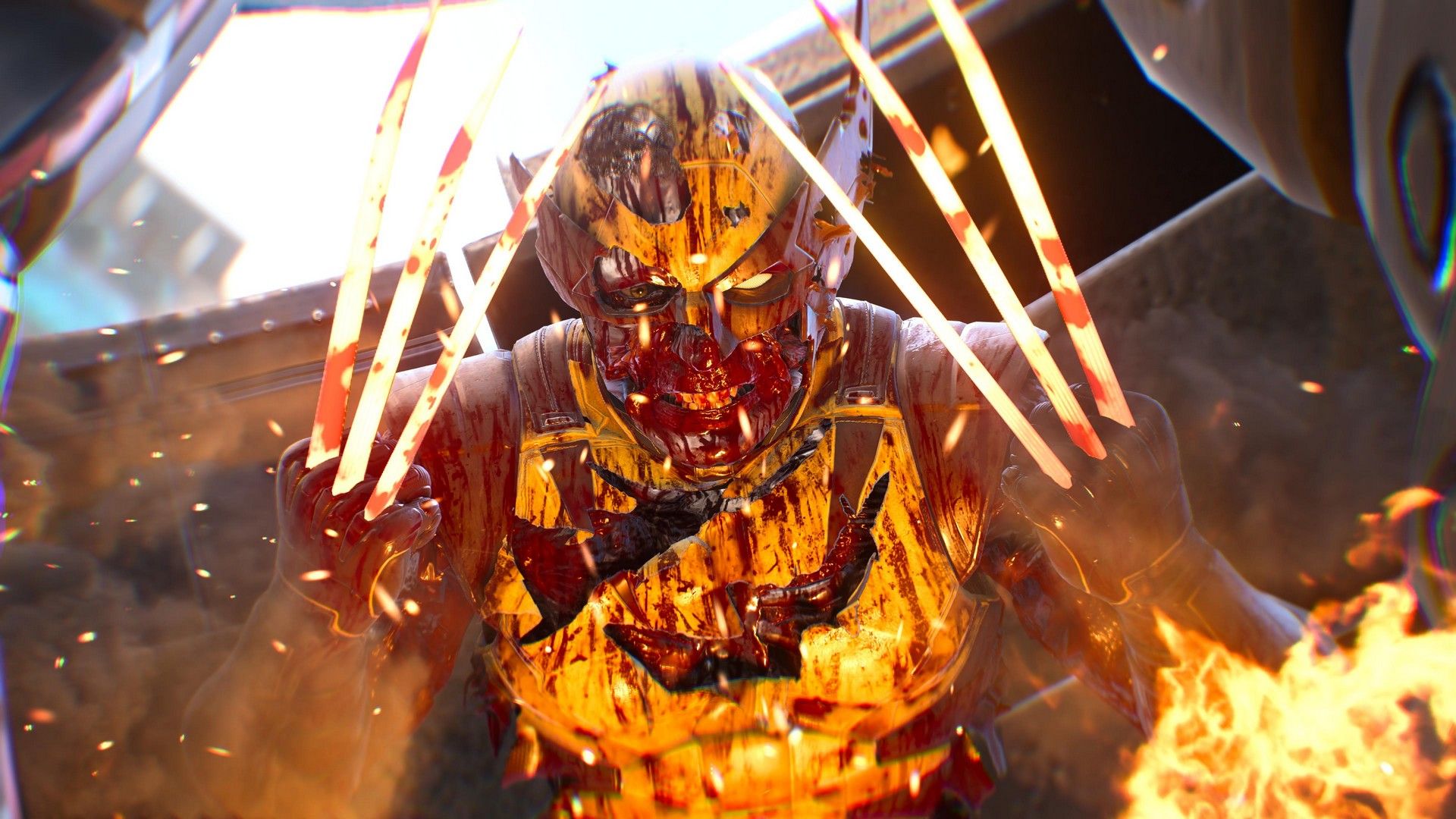
The tension arises from what the community has dubbed "The Discourse." A vocal segment of the player base has taken issue with specific design choices. Chief among these complaints are the game’s quick-time events (QTEs), which many critics and players alike have labeled as overly simplistic, with some segments described as "un-fail-able." Furthermore, the game’s navigation mechanics—specifically the "scent trail" visual indicators—have drawn ire, with some players derisively comparing them to the "yellow paint" trope that has become a lightning rod for criticism regarding modern game design hand-holding.
In his three-star review for GamesRadar+, Leon Hurley captured the essence of this division, noting, "Marvel’s Wolverine is never a bad experience, just an underwhelming one full of odd choices." This sentiment captures the paradox of the game: it is a polished, functional, and high-budget production that, for many, lacks the "spark" expected of a title featuring one of Marvel’s most iconic anti-heroes.
The Strategic Shift: PlayStation, Xbox, and the "Physint" Departure
The success of Wolverine provides an essential, if cold, context for the recent, highly publicized decision by Sony to move away from Hideo Kojima’s upcoming stealth-action title, Physint. While fans were shocked to see the project pivot to Xbox as its publisher, the financial metrics suggest a shift in corporate priority.
When a project like Wolverine—despite its mixed critical reception—generates $130 million in a long weekend, it validates the "safe" bet of established, high-visibility IP. PlayStation appears to be prioritizing high-velocity revenue generators over the "prestige" projects that, while critically lauded, may not move the needle on hardware adoption or immediate quarterly returns as aggressively. By allowing Physint to slip into the hands of a competitor, Sony is essentially betting that the "Wolverine model"—massive, recognizable, and accessible—is the safer path to sustained dominance in the PS5 ecosystem.
Insomniac’s Response: "We Are 100% Listening"
In response to the feedback loop of the last few days, Insomniac Games has moved quickly to address the narrative. Recognizing that the game is being judged against the gold standard set by their previous work, Marvel’s Spider-Man 2, the developers have been vocal about their commitment to post-launch refinement.
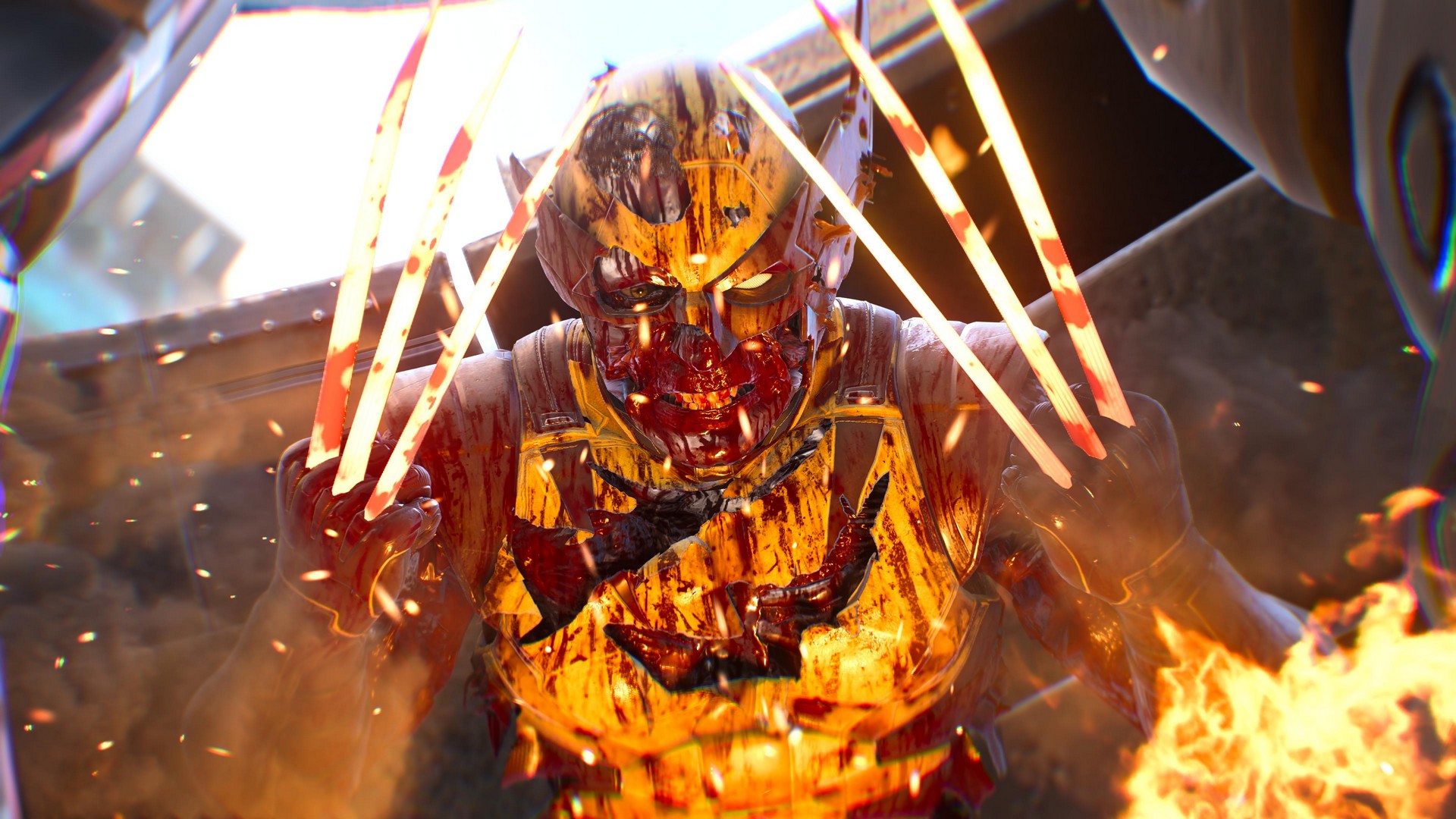
Insomniac representatives have confirmed they have been "cooking hard" behind the scenes to iterate on the game based on the specific points of contention. The promise to "100% listen" to the player base is a standard industry refrain, but in this instance, it carries weight. With a player base already reaching nearly two million, the feedback loop is instantaneous and massive. Whether these fixes can address the fundamental design choices—like the QTEs or the visual navigation aids—remains to be seen, but the developer’s transparency is clearly aimed at preventing a long-term erosion of trust.
The Road Ahead: Can Wolverine Find its Claws?
To accurately contextualize the sales of Wolverine, one must acknowledge the shadow of Marvel’s Spider-Man 2, which remains the benchmark for Insomniac’s success, having cleared $250 million in its own three-day launch window. Wolverine is, by its own developer’s admission, not reaching those stratospheric heights.
However, "not reaching Spider-Man heights" is a far cry from "failure." The reality is that Wolverine is a successful product that serves as a cornerstone of the 2024 fiscal calendar for Sony. The long-term trajectory of the game will depend on whether Insomniac can bridge the gap between its current "underwhelming" reputation and the high-octane, visceral experience that fans were promised.
As it stands, the game is a testament to the power of brand equity. Even with a 6.4 user score and intense online scrutiny, the allure of playing as Logan remains a powerful driver of commerce. For the industry at large, the lesson is clear: in the modern market, a "good enough" experience backed by a legendary character is, financially speaking, more than enough to dominate the charts. Whether this trend will lead to a stagnation of creative risk-taking or simply a refinement of the "blockbuster" formula remains the industry’s most pressing unanswered question. For now, the claws are out, the sales are up, and the debate rages on.

