


By Global Tech & Security Desk
Published: October 2026
In what is rapidly evolving into one of the most sophisticated physical supply chain security breaches in the history of digital currency, a targeted hardware tampering campaign has compromised cryptocurrency hardware wallets, resulting in staggering financial losses. Security analysts and blockchain forensic platforms estimate that a wave of asset thefts tied to compromised devices has drained anywhere from $86 million to upwards of $100 million from unsuspecting investors.
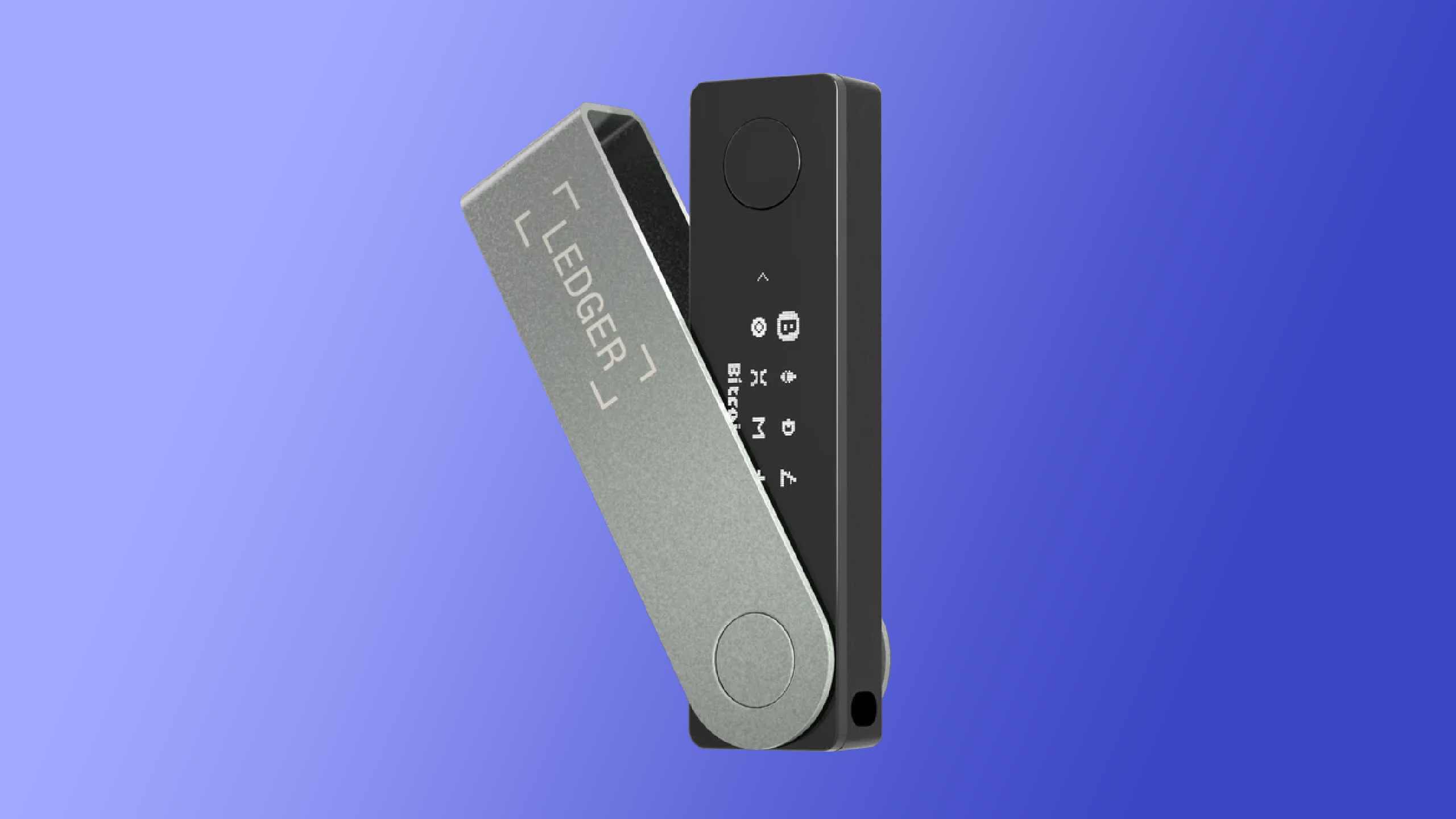
The focal point of the crisis centers on devices distributed by CryptoBilis, a prominent authorized reseller operating out of Southeast Asia. Hardware wallet manufacturer Ledger has confirmed that malicious actors successfully infiltrated the distribution chain, integrating unauthorized micro-hardware implants into genuine devices. The sophisticated nature of the modification has sent shockwaves through the cryptocurrency community, forcing developers, hardware manufacturers, and everyday users to fundamentally re-evaluate the security assumptions underpinning physical storage solutions.
Main Facts: What We Know So Far
The incident, which came to light following a cluster of suspicious asset drains reported on October 9, 2026, highlights a nightmare scenario for cryptocurrency security: the compromise of offline storage devices before they ever reach the end user.

- The Financial Toll: Forensic tracking by platforms such as SpecterAnalyst and YFarmX indicates that affected users have collectively lost at least $86 million, with comprehensive calculations pointing toward total damages potentially exceeding $100 million.
- The Attack Vector: Unlike traditional remote malware or phishing schemes, this attack relied on physical hardware modification. Investigations and community teardowns reveal that unauthorized hardware implants were soldered directly into the devices.
- The Reseller Involvement: Ledger has verified that all confirmed cases linked to the October 9 draining incident involve hardware wallets purchased through CryptoBilis, a regional reseller in Southeast Asia.
- The Mechanism: According to hardware analysis shared across security forums and Reddit, the malicious implants were meticulously engineered. Perpetrators reportedly removed internal batteries and placed custom microchips behind the device screens. By tapping into the screen’s data lines, the hidden hardware managed to capture sensitive inputs while entirely bypassing standard built-in factory integrity and tampering checks.
Chronology of the Breach and Discovery
The unfolding of the CryptoBilis supply chain exploit demonstrates how prolonged, undetected physical tampering can evade standard safety nets within the consumer technology sector.
- Pre-October 2026 (The Infiltration): Malicious actors likely gained unauthorized access to inventory within the regional supply chain of CryptoBilis. By intercepting shipments or corrupting stock at the warehousing level, the perpetrators carefully disassembled factory-sealed Ledger units, integrated custom surveillance and data-logging micro-implants, and resealed the packaging to mimic pristine condition.
- October 9, 2026 (The Mass Draining Event): A sudden, coordinated wave of cryptocurrency wallet drains struck multiple users simultaneously. Despite storing their assets offline in cold storage—widely considered the gold standard of crypto security—victims watched helplessly as their holdings were siphoned off to external addresses.
- October 10–11, 2026 (Initial Investigations and Confirmation): Independent security researchers and analysts began pooling data on social media platforms like X (formerly Twitter) and Reddit. Hardware enthusiasts disassembled affected units, uncovering the hidden internal modifications. Ledger issued its initial acknowledgment, confirming that unauthorized hardware implants were present in devices tied to the complaints.
- Mid-October 2026 (Industry-Wide Response): CryptoBilis immediately halted all hardware wallet sales pending a comprehensive external audit. Ledger ramped up its collaboration with cybersecurity collectives (such as SEAL_911) and international law enforcement agencies to track down the threat actors, trace the stolen funds, and notify potentially affected customers.
Supporting Data and Technical Analysis
To understand how a hardware wallet—a device specifically designed to isolate private keys from online threats—could be compromised, one must examine the physical anatomy of the exploit.
Industry security experts who inspected the disassembled devices noted the extraordinary level of precision required to execute the attack. The modification process involved:
- Battery Relocation/Removal: Because Ledger devices are tightly packed with proprietary components, physical space inside the casing is severely limited. Attackers removed or adjusted internal battery configurations to carve out microscopic clearances for the rogue circuit board.
- The Screen Tap Bypass: Modern hardware wallets employ secure elements (SE chips) designed to protect cryptographic keys and verify firmware integrity. However, the custom implant soldered behind the display panel was able to intercept visual data and user inputs (such as PIN codes and recovery phrase fragments) at the interface level.
- Evasion of Integrity Software: Ledger has explicitly stated that its native device integrity checks cannot identify unauthorized physical hardware modifications—such as spying implants—if the core Secure Element remains physically intact and operational. Because the exploit existed as a passive listening or forwarding post outside the secure boundary, the device’s diagnostic software reported zero anomalies during initial setup.
+-------------------------------------------------------------+
                 LEDGER SUPPLY CHAIN EXPLOIT FLOW
+-------------------------------------------------------------+
  [ Factory Production ]
           │
           ▼
  [ Southeast Asian Reseller: CryptoBilis ]
           │
           ├─► [ Physical Interception ]
           │         │
           │         ├─► Removal of internal battery
           │         ├─► Soldering custom display-tap implant
           │         └─► Resealing factory packaging
           │
           ▼
  [ End User Purchase & Initialization ]
           │
           ▼
  [ Asset Draining ($86M - $100M+ Stolen) ]
+-------------------------------------------------------------+
Official Responses from Ledger and Security Agencies
In the wake of the disclosures, Ledger released comprehensive safety guidance and updates regarding the status of the investigation. The company emphasized that its central manufacturing facilities, direct online sales channels, and internal security architectures remain completely uncompromised.

In an official public update, Ledger stated:
"To date, all confirmed cases related to the disclosed draining incident of Oct 9th, 2026, involve devices sold through the Southeast Asia reseller CryptoBilis… We are reminding our authorized resellers and distributors to source products only through authorized channels and never to restock returned products. Also, we strongly advise users not to purchase from unauthorized resellers."
Ledger has urged any customers who purchased hardware wallets through CryptoBilis to refrain from initializing unused devices. For users who have already set up potentially compromised hardware, the company strongly advises migrating assets immediately to a newly generated seed phrase on a verified device sourced directly from official channels. Furthermore, the company reiterated a golden rule of digital asset security: Ledger support staff will never call users, direct message them on social media, or ask for their 24-word recovery phrases.
Law enforcement and global cybersecurity frameworks have echoed these warnings. Organizations such as the Open Web Application Security Project (OWASP) have continuously highlighted software and hardware supply chain vulnerabilities as premier threats to modern digital infrastructure.
Wider Implications for the Tech and Crypto Ecosystem
The CryptoBilis incident transcends a mere localized product recall; it serves as a watershed moment for the entire hardware security industry.
For years, the narrative surrounding cryptocurrency self-custody relied heavily on a binary distinction: online wallets (hot wallets) are vulnerable to remote hacks, while offline physical devices (cold wallets) are immune to remote attacks. This breach demonstrates that the physical supply chain itself has become a high-value battleground. When bad actors can successfully intercept physical logistics, open manufacturing packaging, solder sophisticated surveillance microchips onto circuit boards, and seamlessly repackage items for retail sale, the consumer’s trust in authorized third-party vendors is severely undermined.
Key Takeaways for Consumers and Industry Leaders:
- Direct Sourcing is Paramount: Purchasing consumer electronics—particularly those designed to protect financial assets—through secondary vendors, regional third-party storefronts, or unauthorized marketplaces introduces unmitigated risk.
- The Limits of Hardware Defenses: Manufacturers must develop next-generation anti-tamper mechanisms that can detect not just software compromises, but physical structural alterations within the casing.
- Ecosystem Collaboration: Incidents of this scale require open intelligence sharing between hardware vendors, independent white-hat security researchers (such as SEAL_911), and international regulatory bodies to map out rogue supply routes before widespread financial damage occurs.
As the investigation continues and authorities work to bring the bad actors behind CryptoBilis to justice, the crypto community is left searching for more resilient chain-of-custody practices. Until hardware manufacturers can guarantee end-to-end tamper-evident packaging that is impossible to replicate, the safest line of defense may require returning to fundamental, analog methods of safeguarding sensitive keys—keeping critical secrets completely isolated from the modern tech supply chain altogether.

