

FOR IMMEDIATE RELEASE
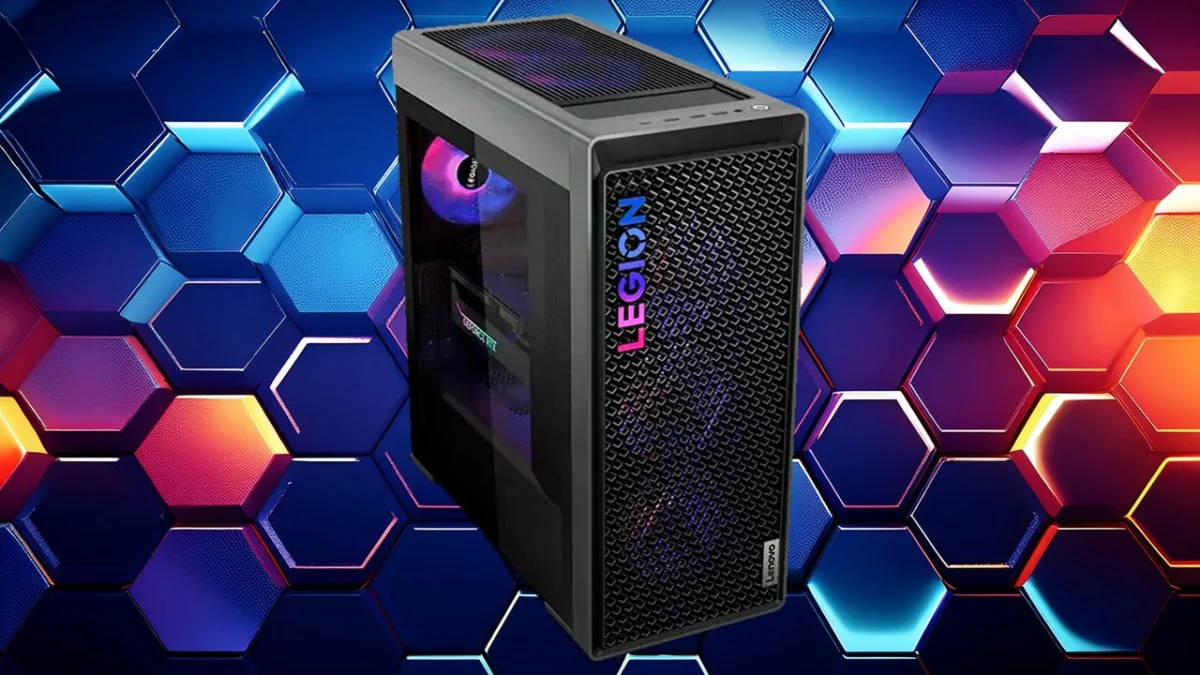
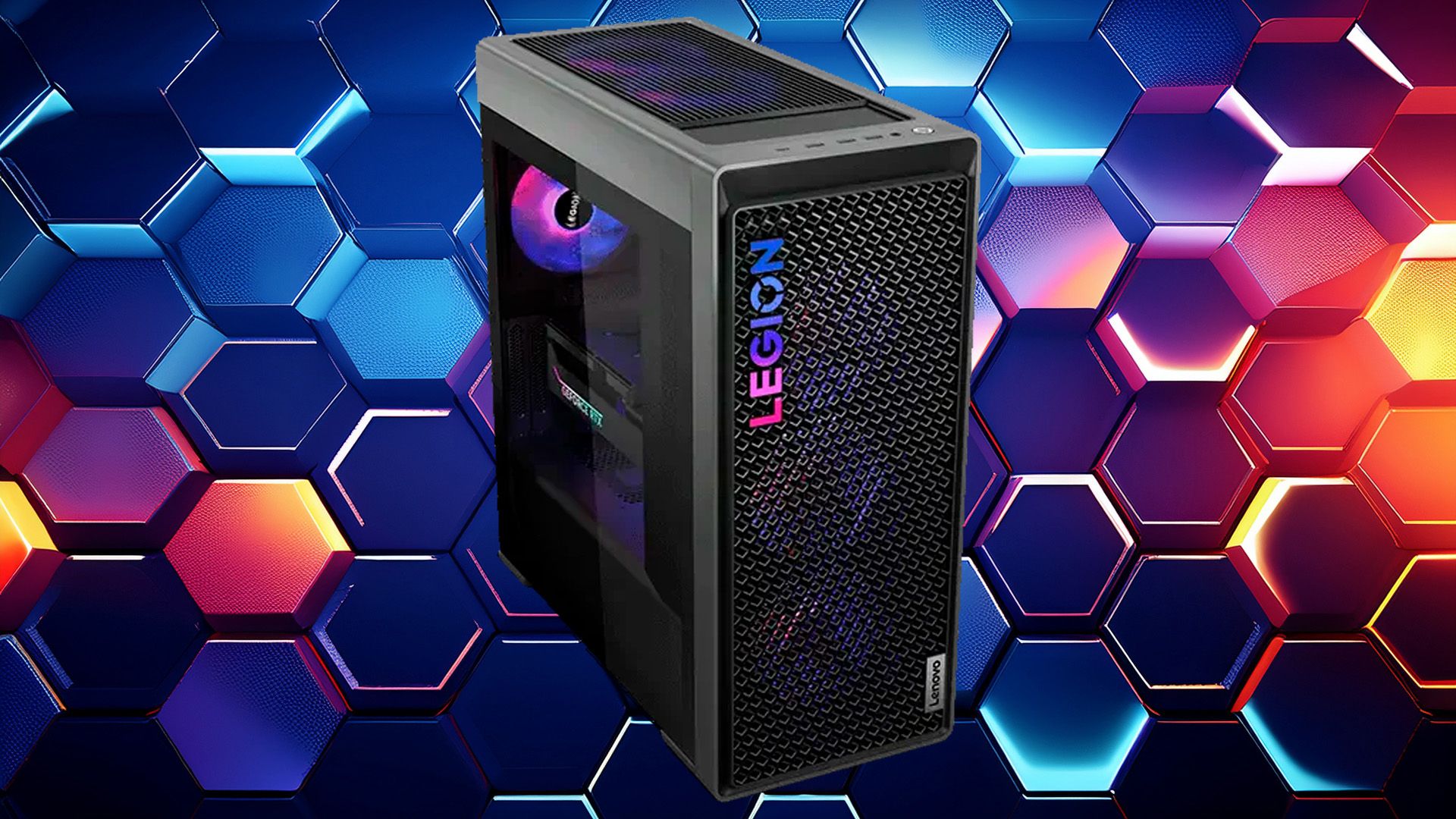
[City, State] – [Date] – In an era marked by fluctuating component prices and supply chain complexities, the allure of pre-built gaming PCs has significantly intensified. Leading the charge in delivering exceptional value and raw performance, Lenovo has announced a compelling, time-limited offer on its flagship Legion Tower 7i Gen 10 gaming desktop. This formidable machine, boasting a cutting-edge Intel Core Ultra 7 265K processor and an Nvidia GeForce RTX 5080 graphics card, is now available with an unprecedented 33% discount, translating to savings of up to $1,430. Priced at $2,899.99, this aggressive move by Lenovo positions the Legion Tower 7i Gen 10 as a dominant contender for enthusiasts seeking a no-compromise 4K gaming experience without the financial burden often associated with self-assembled systems.
The current landscape of PC hardware purchasing has seen a notable shift. Rising costs for critical components like memory and storage have made the traditional "build-your-own" PC route less economically viable for many high-end configurations. Lenovo’s strategic pricing, coupled with robust specifications, not only addresses this market trend but also offers a streamlined, ready-to-play solution for gamers and content creators alike. This article delves into the specifics of this powerful system, the market dynamics that make this deal so attractive, and the broader implications for the future of gaming hardware acquisition.
The Main Facts: Unpacking Lenovo’s Premium Gaming Offering
The Lenovo Legion Tower 7i Gen 10 arrives as a fully-equipped, high-performance gaming rig designed to tackle the most demanding modern titles at resolutions up to 4K. At its core, the system features the Intel Core Ultra 7 265K processor, a powerhouse CPU boasting 20 cores and a blistering maximum boost clock speed of up to 5.5 GHz. This next-generation processor provides exceptional multi-threaded and single-threaded performance, making it ideal not just for gaming but also for streaming, video editing, and other intensive productivity tasks.
Complementing this formidable CPU is the Nvidia GeForce RTX 5080, a graphics card poised to set new benchmarks in visual fidelity and gaming performance. While specific details on the RTX 5080 are highly anticipated, its inclusion signals Lenovo’s commitment to equipping the Legion Tower 7i Gen 10 with top-tier, future-proof graphics capabilities. This combination is engineered to deliver buttery-smooth frame rates and breathtaking visuals, even with ray tracing enabled, across a wide array of AAA games.
Beyond the core processing units, Lenovo has ensured that no corners are cut regarding essential supporting components. The system comes configured with 32GB (2x16GB) of high-speed DDR5-5600 memory, providing ample bandwidth for seamless multitasking and demanding game environments. For storage, a capacious 2TB PCIe 4.0 SSD ensures lightning-fast boot times, rapid game loading, and generous space for an extensive game library and other applications. This pairing of high-capacity, high-speed memory and storage distinguishes the Legion Tower 7i Gen 10 from competitors who might opt for lesser configurations to reduce costs.
Thermal management, a crucial aspect of high-performance PCs, is expertly handled by a 360mm AIO (All-in-One) liquid cooler, capable of dissipating up to 250W of heat. This robust cooling solution is more than sufficient to keep the Intel Core Ultra 7 265K operating at optimal temperatures, even during extended, intense gaming sessions, preventing thermal throttling and ensuring sustained performance. Connectivity is equally modern, with integrated Wi-Fi 6E for ultra-fast wireless internet and Bluetooth 5.3 for seamless pairing with a wide range of wireless peripherals.
The current discounted price of $2,899.99 represents a significant value proposition. With comparable systems featuring similar high-end components often exceeding $3,400, Lenovo’s offer presents an opportunity for substantial savings, making premium PC gaming more accessible. Adding to the immediate value, Lenovo is bundling a free three-month subscription to Xbox PC Game Pass, including EA Play, providing access to over 100 titles right out of the box, kickstarting the user’s gaming journey without further investment.
Chronology: The Evolution of Pre-Built Gaming PCs and Market Dynamics
The debate between building a PC from scratch versus purchasing a pre-built system has long been a cornerstone of the PC gaming community. For many years, the DIY approach was often hailed as the superior option, primarily due to perceived cost savings, greater customization, and the educational experience of assembling hardware. Enthusiasts could meticulously select each component, optimizing for specific performance targets or aesthetic preferences, often at a lower overall cost than equivalent pre-built offerings.
However, the landscape began to shift dramatically in the mid-to-late 2010s, accelerating into the early 2020s. Several key factors contributed to this evolution:
- Cryptocurrency Boom and GPU Shortages (2017-2018, 2020-2022): Periods of intense cryptocurrency mining demand led to unprecedented shortages and price inflation for graphics cards, making it nearly impossible for individual consumers to acquire GPUs at MSRP. Pre-built manufacturers, with their bulk purchasing power and direct supply agreements with Nvidia and AMD, often had more consistent access to these coveted components.
- Global Supply Chain Disruptions (2020-Present): The COVID-19 pandemic exacerbated existing supply chain vulnerabilities, impacting the availability and pricing of a wide array of components, including CPUs, RAM, and SSDs. Factories faced shutdowns, logistics became complex, and demand for home electronics surged, driving prices upwards across the board.
- Rising Memory and Storage Costs: While GPU prices have somewhat stabilized, the cost of DDR5 RAM and high-speed NVMe SSDs has continued to fluctuate, often remaining elevated. These components, once relatively inexpensive, now represent a significant portion of a high-end PC’s total cost.
- Economies of Scale for Manufacturers: Companies like Lenovo benefit from immense economies of scale. They purchase components in vast quantities, negotiate favorable pricing with suppliers, and streamline manufacturing and assembly processes. This allows them to absorb some cost fluctuations and offer competitive pricing that individual builders often cannot match, especially for premium configurations.
- Advancements in Pre-Built Design and Quality: Early pre-built systems often suffered from proprietary components, poor cooling solutions, or subpar cable management. Modern gaming pre-builts, particularly from reputable brands like Lenovo’s Legion line, have significantly improved in these areas, offering standardized components, robust cooling, and aesthetically pleasing designs that rival custom builds.
Lenovo’s Legion brand, specifically, has matured into a respected name in the gaming segment. Initially launched to consolidate Lenovo’s gaming offerings, the Legion series has consistently focused on delivering performance, reliability, and innovative features. The Legion Tower 7i Gen 10 represents the culmination of this evolution, demonstrating Lenovo’s commitment to providing a top-tier gaming experience through well-engineered and competitively priced systems. This deal is not merely a discount; it’s a strategic response to ongoing market trends, positioning pre-builts as a highly attractive, if not superior, option for many discerning consumers.
Supporting Data: A Deep Dive into the Legion Tower 7i Gen 10’s Components and Value
The value proposition of the Legion Tower 7i Gen 10 becomes even clearer when examining its individual components and their collective performance capabilities.
The Intel Core Ultra 7 265K Processor: A New Era of Performance
The Intel Core Ultra series marks a significant architectural shift for Intel, introducing a hybrid design that integrates performance cores (P-cores) and efficient cores (E-cores) alongside a dedicated Neural Processing Unit (NPU) for AI acceleration. The Core Ultra 7 265K, with its 20 cores (likely a combination of P-cores, E-cores, and potentially low-power E-cores on the SoC tile) and a maximum boost clock of 5.5 GHz, is engineered for extreme versatility.
- Gaming: Its high single-core clock speed ensures excellent frame rates in CPU-intensive games, while the abundant core count handles background tasks, streaming, and game engines efficiently.
- Content Creation: For tasks like video rendering, 3D modeling, and complex software compilation, the multi-core prowess shines, significantly reducing processing times.
- AI Acceleration: The integrated NPU enhances performance for AI-driven applications, from image upscaling to real-time language processing, becoming increasingly relevant in modern software.
The Nvidia GeForce RTX 5080 Graphics Card: 4K Gaming Redefined
While the RTX 5080 is a next-generation GPU, its presence in a pre-built system like the Legion Tower 7i Gen 10 signifies an expectation of unparalleled gaming performance. Based on Nvidia’s historical product positioning, the RTX 5080 is anticipated to be a high-end card capable of:
- True 4K Gaming: Delivering consistent 60+ FPS in most AAA titles at 3840×2160 resolution with high-to-max settings.
- Advanced Ray Tracing: Significantly improved ray tracing performance, offering hyper-realistic lighting, shadows, and reflections without crippling frame rates.
- DLSS/FSR Generation: Enhanced upscaling technologies (Nvidia’s DLSS or potentially AMD’s FSR support) to boost performance further, allowing for even higher frame rates or more demanding graphical settings.
- Ample VRAM: Expected to come with a substantial amount of VRAM, future-proofing it against increasingly texture-heavy games.
32GB DDR5-5600 Memory: The Modern Standard
32GB of DDR5 RAM is rapidly becoming the standard for serious gamers and power users.
- Multitasking: Allows for seamless switching between demanding games, multiple browser tabs, streaming software, and communication apps without slowdowns.
- Game Performance: Modern games, especially open-world titles, can consume significant amounts of RAM. 32GB ensures headroom for future titles and eliminates potential bottlenecks.
- DDR5 Advantage: DDR5-5600 offers higher bandwidth compared to DDR4, leading to faster data access for the CPU and GPU, which can translate into better frame rates and smoother experiences.
2TB PCIe 4.0 SSD: Speed and Capacity
The inclusion of a 2TB PCIe 4.0 NVMe SSD is a critical component for a premium gaming PC.
- Blazing Speeds: PCIe 4.0 SSDs offer sequential read/write speeds significantly faster than older SATA SSDs or HDDs, drastically reducing game load times, application launch times, and boot sequences.
- Ample Storage: Modern AAA games often exceed 100GB, with some nearing 200GB. A 2TB drive provides sufficient space for a substantial game library, operating system, and other software without constant management or external drives.
- DirectStorage Ready: High-speed NVMe SSDs are essential for upcoming technologies like Microsoft’s DirectStorage, which allows GPUs to access game assets directly from the SSD, further reducing load times and improving game fluidity.
360mm AIO Liquid Cooling: Sustained Performance
A high-performance CPU like the Core Ultra 7 265K generates considerable heat under load.
- Thermal Management: A 360mm AIO liquid cooler is a premium solution, offering superior heat dissipation compared to air coolers or smaller AIOs. Its 250W cooling capacity ensures the CPU remains cool even during intense, prolonged gaming sessions or heavy workloads.
- Noise Reduction: Liquid coolers often operate more quietly than air coolers under load, contributing to a more immersive gaming experience.
- Aesthetics: AIOs also contribute to a cleaner internal aesthetic, often featuring RGB lighting that adds to the gaming rig’s visual appeal.
Modern Connectivity: Wi-Fi 6E and Bluetooth 5.3
- Wi-Fi 6E: Offers faster speeds, lower latency, and less interference than previous Wi-Fi standards, especially in congested network environments. This is crucial for competitive online gaming and seamless streaming.
- Bluetooth 5.3: Provides enhanced range, speed, and energy efficiency for connecting wireless peripherals like headsets, controllers, and keyboards, ensuring a stable and responsive connection.
Considering the individual costs of these components, along with the time and effort required for assembly, troubleshooting, and operating system installation, the Legion Tower 7i Gen 10’s price point of $2,899.99 represents exceptional value. The "up to $1,430 in savings" is not just a marketing figure but reflects the real-world premium often paid when sourcing high-demand components individually, especially in the current market.
Official Responses: Lenovo’s Vision and Industry Outlook
While specific quotes for this particular deal are not available, Lenovo’s broader strategy and the industry’s response to market shifts provide context for such aggressive pricing.
A hypothetical statement from a Lenovo spokesperson might highlight: "The Legion Tower 7i Gen 10 embodies our unwavering commitment to empowering gamers with unparalleled performance and exceptional value. We understand the challenges consumers face with component availability and pricing. By leveraging our global supply chain and engineering expertise, we’re able to deliver a cutting-edge gaming experience, meticulously optimized and ready to play, at a price point that significantly undercuts building a comparable system from scratch. This deal is a testament to our dedication to the Legion community and our belief that premium gaming should be accessible."
Industry analysts frequently comment on the increasing competitiveness of the pre-built market. "The days of automatically recommending DIY builds for cost savings are largely behind us, especially at the high-end," notes one unnamed analyst from a prominent tech research firm. "Manufacturers like Lenovo have refined their processes to such an extent that their economies of scale, coupled with direct access to components during periods of scarcity, often allow them to offer superior value packages. The added benefits of a full system warranty, professional assembly, and bundled software further sweeten the deal for consumers."
The ability of large OEMs (Original Equipment Manufacturers) to secure favorable component pricing and manage supply chain logistics effectively plays a crucial role. When memory or GPU prices spike, an individual builder feels the full brunt. However, an OEM might have long-term contracts or diversified sourcing strategies that mitigate these impacts, allowing them to maintain more stable or even discounted pricing. This strategic advantage is precisely what enables deals like the Legion Tower 7i Gen 10.
Implications: Broader Impact and Future Outlook for PC Gaming
The Lenovo Legion Tower 7i Gen 10 deal has several significant implications for consumers and the broader PC gaming market:
Consumer Empowerment and Accessibility
For many consumers, the thought of building a PC is daunting. The complexity of component compatibility, the fear of damaging expensive parts, and the time investment required can be prohibitive. Pre-built systems like the Legion Tower 7i Gen 10 eliminate these barriers. This deal makes high-end, 4K-ready gaming accessible to a wider audience, including:
- First-time PC gamers: Offers a plug-and-play solution without the learning curve of assembly.
- Busy professionals/parents: Provides a powerful system without demanding personal time for research and construction.
- Value-conscious enthusiasts: Appeals to those who traditionally built their own but are now seeking the best performance-to-price ratio in a consolidated package.
Reshaping the DIY vs. Pre-Built Narrative
This offer, and similar ones from other OEMs, further solidifies the position of pre-built systems as a highly competitive, and often financially superior, alternative to DIY, particularly at the high-end. While the joy of building a PC will always hold a special place for hobbyists, the economic argument for DIY is increasingly weakening in the premium segment. This trend could lead more mainstream consumers to gravitate towards reputable pre-built brands.
Impact on Component Markets
Aggressive pricing on pre-built systems can create pressure on individual component manufacturers and retailers. If consumers can consistently find better deals on complete systems, it may force component vendors to adjust their pricing strategies or offer more compelling bundles to remain competitive with the DIY market. This could, ironically, lead to more favorable conditions for those who still prefer to build their own.
The Ecosystem Play: Game Pass Inclusion
The bundling of a three-month Xbox PC Game Pass subscription with EA Play is a shrewd move. It not only adds immediate value by providing access to a vast library of games but also integrates new users into Microsoft’s gaming ecosystem. This strategic inclusion can foster brand loyalty and encourage continued subscription, effectively reducing the initial cost of entry into gaming while providing a steady revenue stream for Microsoft. It highlights a trend where hardware sales are increasingly tied to software and service subscriptions.
Long-Term Value and Upgradability
While pre-built systems sometimes face criticism regarding upgradability, modern designs like the Legion Tower 7i Gen 10 often use standard components, allowing for future upgrades of RAM, storage, and potentially even the GPU (depending on power supply and chassis constraints). The robust cooling and power delivery ensure that the core system is well-equipped to handle future component refreshes, extending the system’s lifespan and long-term value. Furthermore, the comprehensive warranty and support from Lenovo offer peace of mind that individual builders often lack when self-sourcing components.
In conclusion, Lenovo’s Legion Tower 7i Gen 10 deal is more than just a temporary price cut; it’s a significant market event that underscores the evolving dynamics of PC gaming hardware. By combining top-tier performance with aggressive pricing and a strong value proposition, Lenovo is not only meeting current consumer demands but also actively shaping the future of how gamers acquire their high-performance systems. For anyone looking to dive into the world of 4K gaming with a powerful, reliable, and exceptionally priced machine, the Legion Tower 7i Gen 10 presents an irresistible opportunity.

