

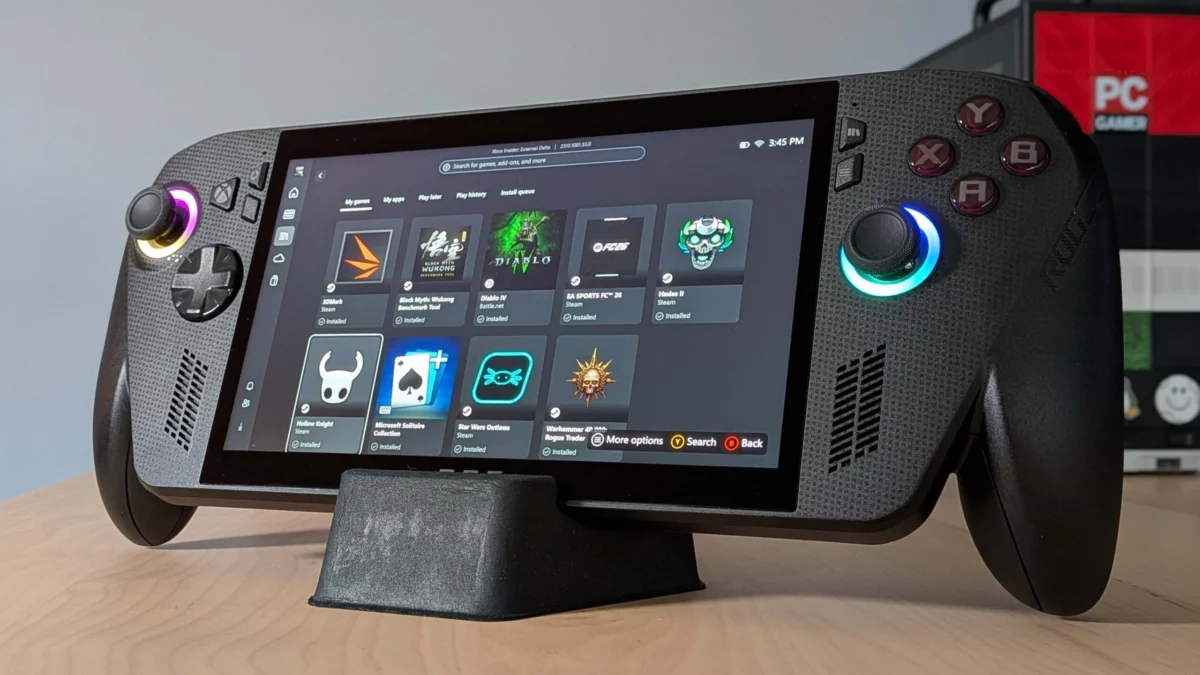
The handheld gaming landscape has shifted dramatically over the last few years. What began as a niche category for enthusiasts has exploded into a mainstream obsession, fueled by the success of the Steam Deck and subsequent offerings from industry titans like Asus and Lenovo. Yet, amidst this growth, a darker economic reality has taken root. Ayaneo, a company known for pushing the boundaries of portable hardware, has recently returned to the spotlight with its "Next II" handheld—a device that serves as a jarring monument to the current global memory crisis. With a staggering top-tier price tag of $5,299, the Next II is no longer just a gaming device; it is an economic anomaly.
The Return of the Next II: A Price Tag That Defies Logic
Earlier this year, the gaming community watched as Ayaneo officially suspended pre-orders for the Next II. The rationale was clear and, quite frankly, unavoidable: the company stated that sustaining the project was impossible given the skyrocketing costs of essential components, particularly high-bandwidth memory and NAND flash storage.
Fast forward to the present, and the device has reappeared on the company’s official storefront, but with a valuation that has left the industry reeling. The flagship configuration of the Ayaneo Next II commands an asking price of $5,299. To put this in perspective, one could purchase a high-end desktop workstation capable of professional-grade 3D rendering and machine learning tasks for the same price. Even the "entry-level" model, which features a 32GB RAM/1TB SSD configuration, starts at a daunting $2,999.
A Chronology of Supply Chain Volatility
The story of the Next II is inextricably linked to the broader "memory crisis" that has plagued the hardware industry throughout 2025 and into 2026.
- Early 2025: Initial excitement builds as Ayaneo teases the Next II, promising unprecedented power through the AMD Ryzen AI Max+ 395 APU (codenamed "Strix Halo").
- Mid-2025: Global supply chains for LPDDR5x memory and high-density NVMe storage begin to tighten. Prices for raw silicon and finished modules spike as AI demand dominates foundry capacity.
- Late 2025: Ayaneo formally announces the suspension of pre-orders, citing that manufacturing costs have effectively doubled since the project’s inception.
- Q1 2026: After months of silence, the device is relisted with a revised, ultra-premium pricing structure, reflecting the current scarcity-driven market.
The central driver of this volatility is the insatiable hunger of the AI sector. As data centers and edge-computing firms scramble to secure HBM (High Bandwidth Memory) and high-speed LPDDR modules to fuel large language models, consumer hardware manufacturers—particularly those operating at a smaller scale like Ayaneo—find themselves at the back of the queue.
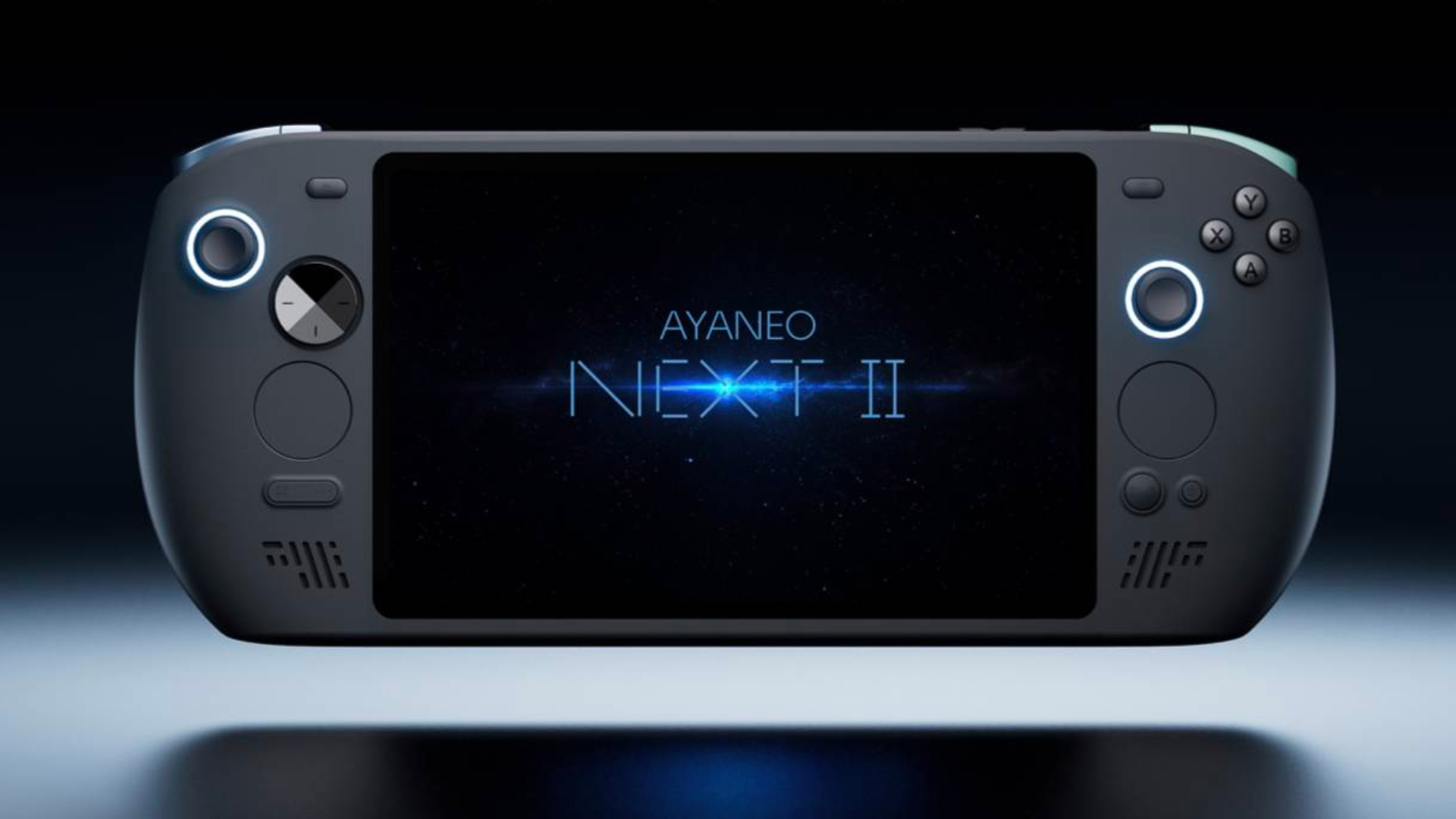
Engineering Excess: What $5,299 Buys You
The justification for this price, from a purely technical standpoint, lies in the specifications. At the heart of the machine is the AMD Ryzen AI Max+ 395, a "Strix Halo" APU that represents the current pinnacle of mobile computing power.
However, the most controversial aspect of the spec sheet is the inclusion of 128GB of LPDDR5x-8533 RAM in the top-end model. For the average gamer, 128GB of memory is not just overkill—it is functionally redundant. Modern AAA titles, even those with high-resolution texture packs, rarely utilize more than 32GB of system memory.
Industry analysts have questioned the utility of such a configuration. Is the Next II intended for gaming, or is it a portable workstation masquerading as a handheld? While the device runs Windows, offering the potential for local AI-based tasks or complex multitasking, the thermal constraints and ergonomic limitations of a handheld form factor suggest that users will struggle to leverage 128GB of RAM in any meaningful way during a gaming session.
Supporting Data: The Cost of Scarcity
The price increases are not merely a result of corporate greed, but a direct reflection of the global commodities market. According to recent market reports, NAND flash pricing has seen consistent quarterly increases of 15–20% throughout the last year. When combined with the high cost of the Strix Halo APU, which is currently one of the most expensive mobile silicon pieces on the market, the margins for handheld manufacturers have evaporated.
| Model Tier | RAM | Storage | Price (USD) |
|---|---|---|---|
| Base Model | 32GB | 1TB | $2,999 |
| Mid-Tier | 64GB | 2TB | $3,699 |
| Flagship | 128GB | 2TB | $5,299 |
These numbers highlight a dangerous trend: the "democratization" of portable gaming, which saw prices drop to the $600–$800 range via the Steam Deck and its contemporaries, is being aggressively reversed by macroeconomic forces.
Official Responses and Strategic Positioning
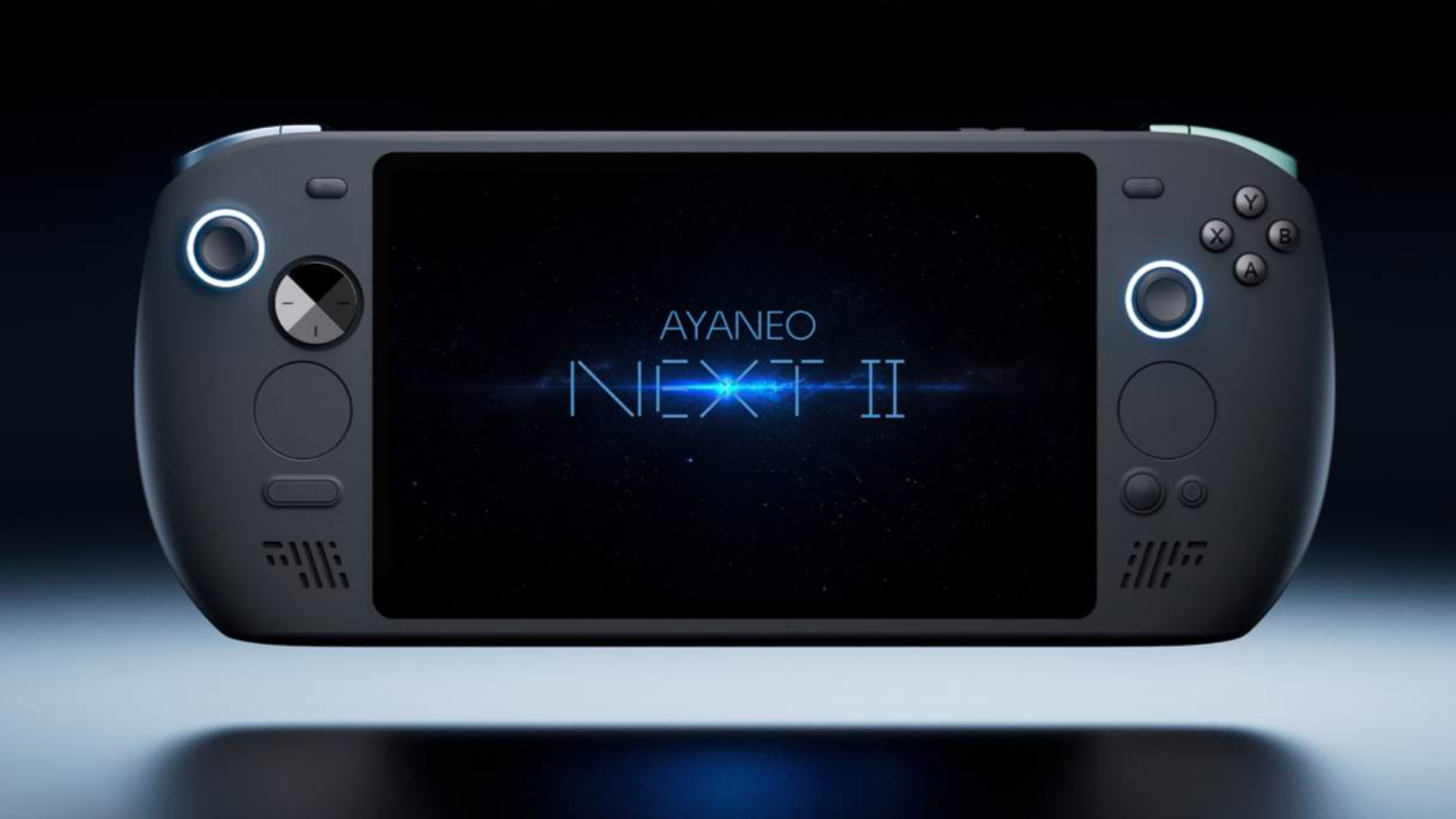
Ayaneo has remained relatively quiet regarding the public backlash, focusing instead on the "premium" nature of the product. By positioning the Next II as "the handheld to end all handhelds," the company is attempting to pivot away from the mass-market battleground. They are no longer competing with the Asus ROG Ally or the Lenovo Legion Go; they are creating a new, ultra-luxury segment.
Whether this is a sustainable strategy remains to be seen. In an official statement, the company noted that "continuing to sell this product at original estimates was no longer sustainable," implying that these prices are a direct reflection of the cost to manufacture and ship the units under current economic conditions.
The Implications: Where Do We Go From Here?
The release of the Ayaneo Next II serves as a grim barometer for the state of the consumer hardware market in 2026.
1. The Death of the "Value" Handheld
As memory prices continue to climb, we are likely to see a bifurcation in the handheld market. On one side, companies will release ultra-budget, lower-spec devices that rely on cloud streaming or older, cheaper silicon. On the other, we will see these exorbitant, "halo" devices that exist largely as brand statements rather than viable consumer products.
2. The AI-Hardware Tax
The hardware market is effectively paying an "AI tax." Because AI research labs are willing to pay any price for high-speed memory and advanced APUs, the consumer gaming market is being priced out of its own components. This cycle is likely to continue as long as the AI boom remains in its current, resource-intensive growth phase.
3. The Future of Mobile Gaming
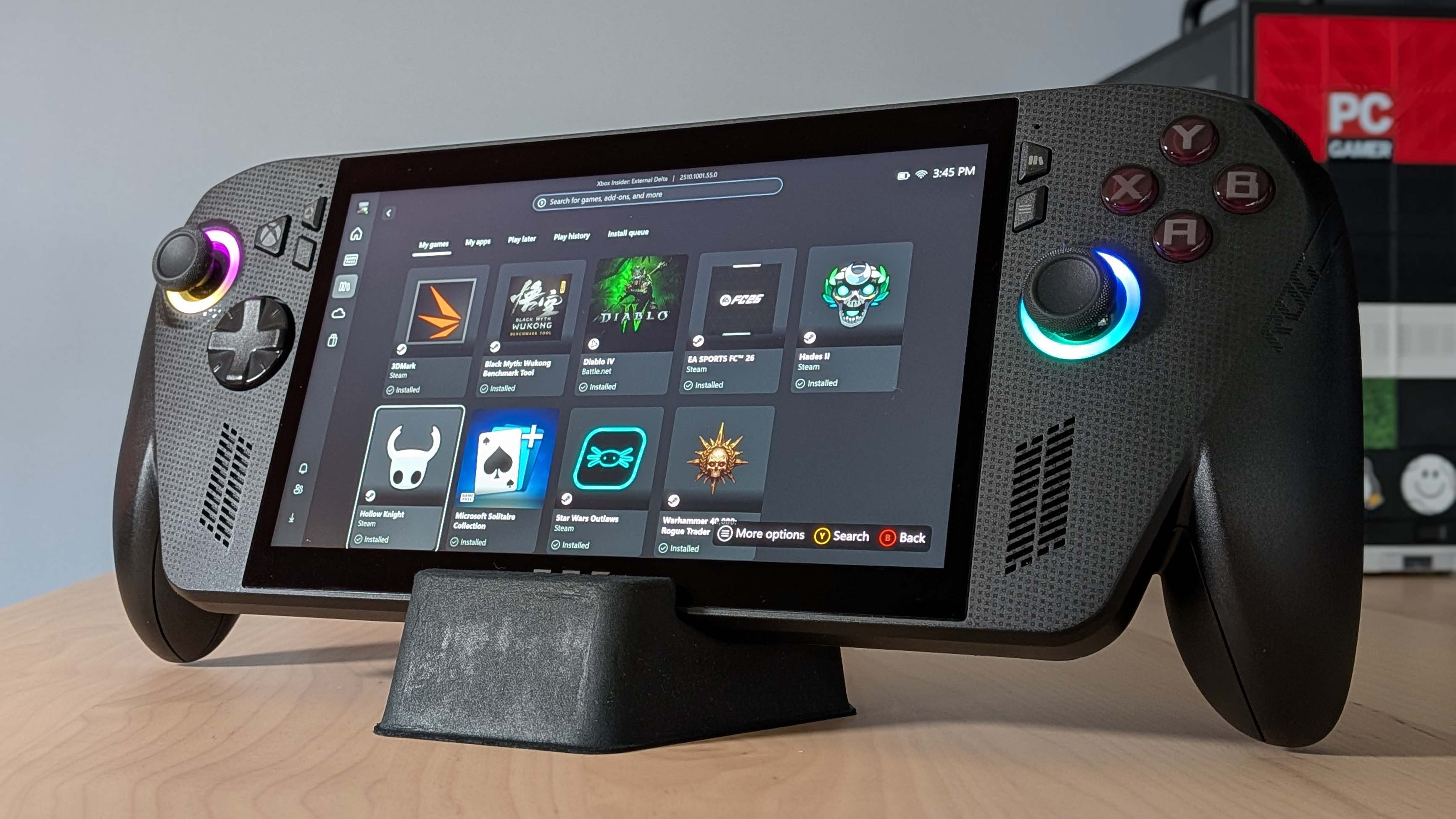
The success of the Asus ROG Ally X at its $1,000 price point was widely celebrated as a victory for value. However, that $1,000 threshold now feels like a floor rather than a ceiling. If the memory crisis persists, we may reach a point where a handheld PC with modern specs is simply unaffordable for the average consumer, potentially driving gamers back toward dedicated consoles or cloud-based platforms that offload the hardware costs to server providers.
Conclusion: A Luxury, Not a Necessity
The Ayaneo Next II is an engineering marvel, a testament to what is possible when power is the only objective. However, it is also a cautionary tale. In the race to cram the most performance into the smallest chassis, the industry has hit a wall—not of technology, but of economics.
For the "mere mortals" of the gaming world, the Next II will remain a curiosity, a $5,000 reminder of the silicon-starved world we currently inhabit. While there will always be a segment of the market that demands the absolute maximum, the broader implication is clear: the era of affordable, high-performance portable gaming is facing its greatest challenge yet. As we look toward the remainder of 2026, one thing is certain—if the current memory crisis does not abate, the "handheld to end all handhelds" may simply be the handheld that ends the accessibility of the market as we know it.

