

For millions of music fans, the arrival of December marks a singular cultural event: the release of "Spotify Wrapped." This annual digital tapestry, which visualizes a user’s listening habits through vibrant infographics and shareable statistics, has evolved from a niche marketing feature into a global phenomenon. Now, Spotify is aggressively disrupting the scarcity of that experience. By launching a sophisticated, AI-powered conversational chatbot for its Premium subscribers, the audio streaming giant is effectively decoupling the "Wrapped" experience from the calendar, allowing users to dive into their personal listening data at any moment throughout the year.
The Core Innovation: Conversational Intelligence
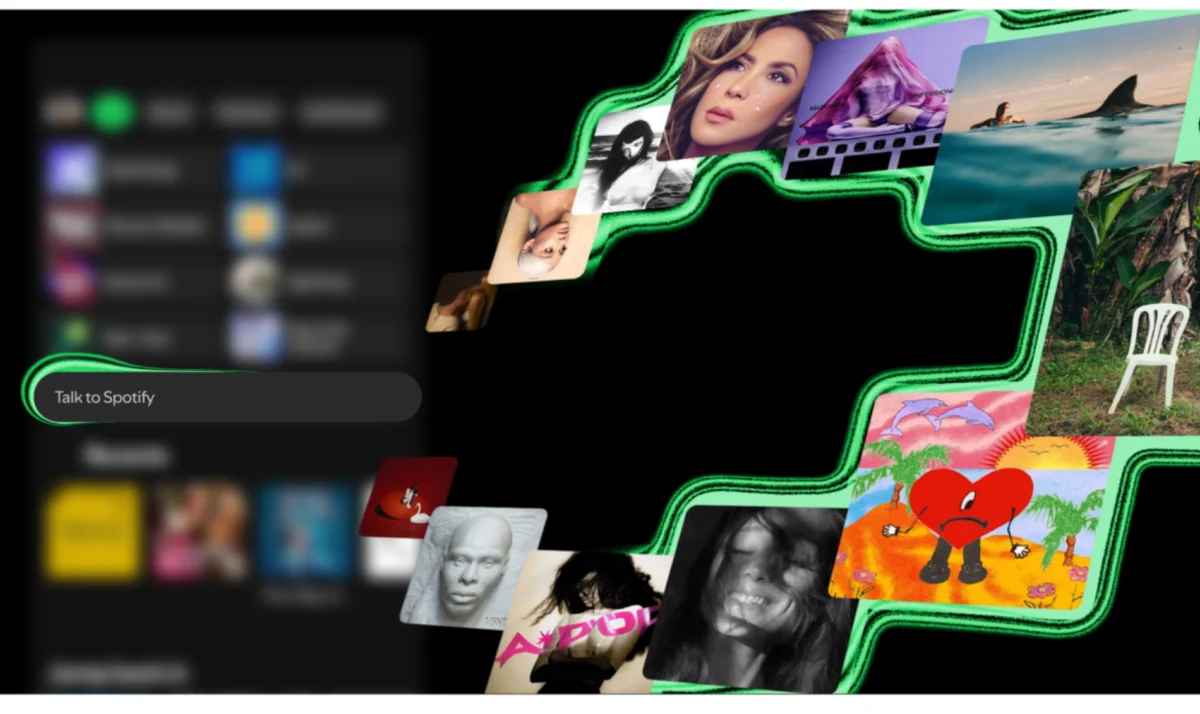
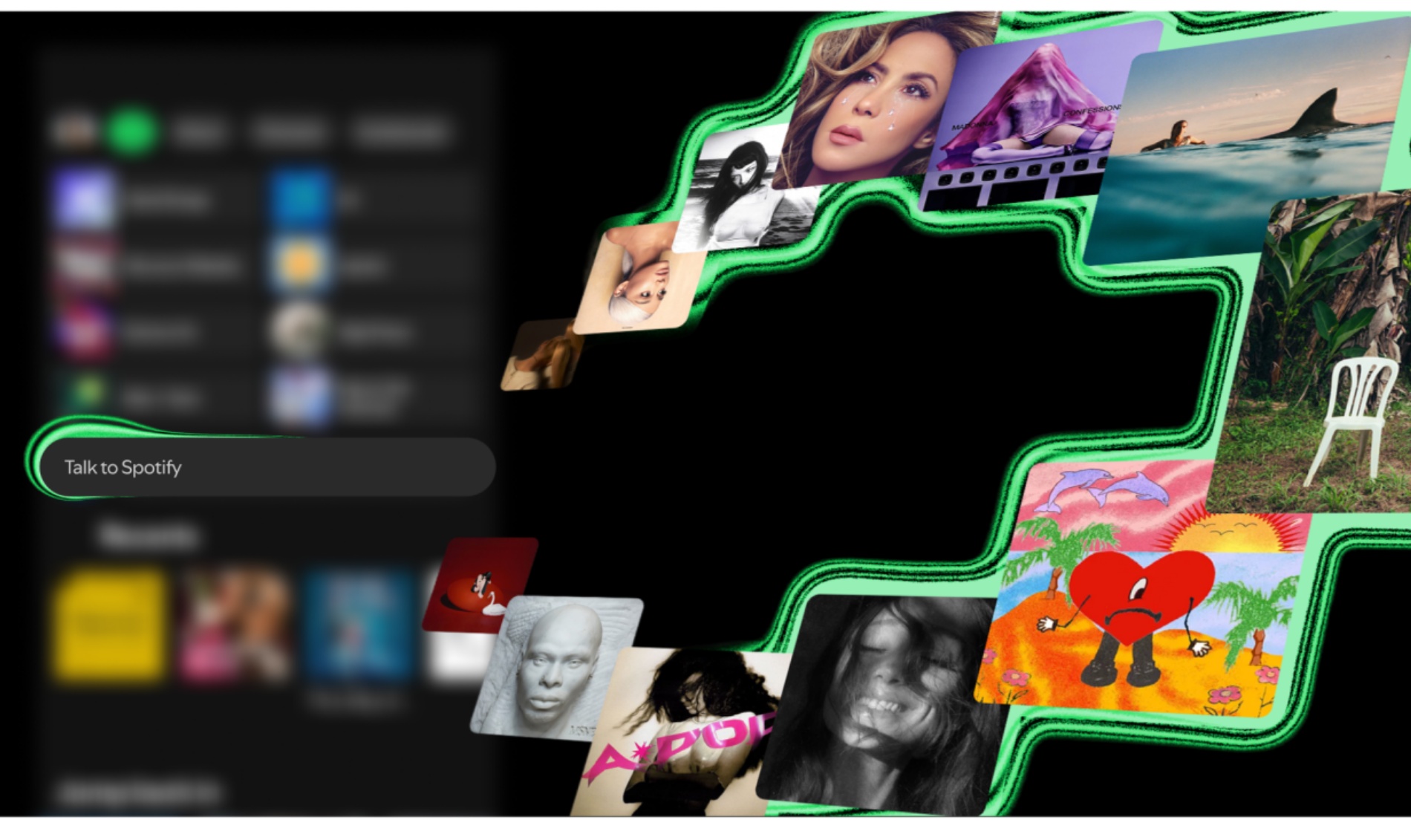
The new feature, officially titled "Talk to Spotify," represents a significant pivot in how users interact with their audio libraries. Located directly on the Spotify app’s Home screen, the tool replaces passive navigation with active, natural-language engagement. Premium users are greeted by a search bar that invites them to "Talk to Spotify," opening a gateway to a generative AI assistant capable of managing complex queries.
This is not merely a search function. The bot serves as a concierge, curator, and data analyst. Beyond standard playback commands—such as skipping sections of a podcast or requesting specific audiobook recommendations—the AI acts as an on-demand archivist. Users can ask, "How many times have I listened to [Song Name] this month?" or "What has been my most-played genre during my morning commute?" The system processes these requests in real-time, pulling from a user’s historical listening data to provide immediate, personalized insights.
A Chronology of the Wrapped Phenomenon
To understand why this move is so significant, one must trace the evolution of Spotify’s data-sharing strategy.
- 2016: Spotify launches "Wrapped" (initially branded as "Year in Music"), a feature that quietly surfaced end-of-year data for users. It was a modest success, primarily appreciated by data enthusiasts.
- 2018–2020: The feature undergoes a radical design overhaul. By leaning into bright, "shareable" aesthetics optimized for Instagram Stories and Twitter, Wrapped becomes a social currency. It transforms into a seasonal ritual of self-expression.
- 2023: Recognizing the viral power of these recaps, competitors attempt to mimic the format. YouTube launches its "Recap" feature, and various niche apps begin offering "Wrapped-style" analytics for other services, proving that the desire for self-quantification in media consumption is universal.
- 2025: Spotify celebrates its 20th anniversary with a "Lifetime Wrapped," a massive data-mining project that provided users with a comprehensive look at their musical history. This solidified the brand’s identity as the primary curator of a user’s personal audio legacy.
- 2026 (Present Day): The launch of "Talk to Spotify" marks the end of the "seasonal" limitation. By making the data accessible on demand, Spotify has transitioned Wrapped from a holiday event to a persistent, interactive product feature.
Supporting Data and User Behavior
The appetite for this data is supported by robust industry trends. According to internal metrics and third-party consumer research, "Wrapped" is consistently the most anticipated digital marketing campaign in the music industry. During the final weeks of December, social media platforms see a surge in user-generated content that drives millions of non-users to sign up for the platform, purely to see their own stats.
However, the "wait" for December has long been a point of friction. Users have frequently taken to Reddit and Twitter to express frustration over the inability to see their "most-played" stats in real-time. By integrating AI, Spotify is solving a retention problem. Premium users, who pay a recurring monthly fee, now receive a continuous stream of "value-add" content that justifies the price point beyond mere ad-free listening. The AI’s ability to generate custom playlists based on these data points—such as "Create a playlist of the songs I’ve been obsessively playing on rainy Tuesday mornings"—further embeds the user within the Spotify ecosystem, increasing the "switching cost" if they were to ever consider a move to Apple Music or Tidal.
Official Responses and Strategic Vision
In a statement accompanying the launch, Spotify’s leadership emphasized the democratization of discovery. "We want our listeners to be as connected to their own history as they are to the music itself," said a spokesperson in the company’s July 2026 announcement. "By allowing users to ‘Talk to Spotify,’ we aren’t just giving them a search bar; we are giving them a personal guide to their own taste."
The company’s official social media channels have mirrored this sentiment, framing the feature as an evolution of the listening experience. "Just say the word," the company tweeted upon the feature’s release. "Eligible Premium users can now talk to Spotify to discover, learn, and listen in new ways."
Industry analysts view this as a clear move to cement the "Premium" tier’s value. By gatekeeping the conversational AI behind a subscription wall, Spotify is signaling that their AI-driven future is a luxury utility, not just a gimmick.
Implications for the Future of Music Streaming
The transition to AI-mediated listening has profound implications for the music industry at large:
1. The Death of the "Passive Listener"
For years, the streaming model was built on "lean-back" consumption—playlists like "Chill Hits" or "Mood Booster" that required no interaction. "Talk to Spotify" forces a "lean-forward" model. When a user asks an AI to explain why they listen to a specific artist during certain hours, they become an active participant in their own algorithmic training.
2. Algorithmic Transparency
Historically, the "Spotify Algorithm" has been a black box. Users often wonder why they are recommended specific songs. By asking the chatbot, "Why do you keep suggesting this jazz fusion band?", users may eventually get a more transparent, conversational look at the logic behind their personalized radio and Discover Weekly playlists.
3. The "Wrapped" Clone War
With Spotify making this data available year-round, competitors are now facing an existential crisis. If the value of "Wrapped" was its rarity, and that rarity has been replaced by on-demand availability, other platforms must now decide whether to copy the conversational interface or double down on the "event" nature of the end-of-year recap.
4. Data-Driven Identity
As users interact with the bot, they are essentially co-creating their own data profile. This allows for a deeper feedback loop. The more a user talks to the bot, the more the bot learns about the context of their listening—not just what they play, but why they play it. This nuance is the "Holy Grail" of advertising, potentially allowing Spotify to offer brands much more specific, context-aware ad opportunities in the future.
Conclusion: A New Era of Personalization
Spotify’s decision to integrate AI into the core user experience is a bold declaration that the era of static streaming is over. By turning the "Wrapped" experience into a permanent, conversational feature, Spotify is shifting the focus from the content library to the user’s relationship with that library.
For the casual listener, this may just be a fun way to settle a debate about their favorite band. For the power user, it is a sophisticated tool for self-discovery and music curation. As "Talk to Spotify" rolls out to more regions and languages, one thing is certain: the way we interact with our digital music collections has changed forever. The annual wait for a year-end recap is officially a thing of the past; the future of music is a conversation that never ends.

