

Main Facts: The Evolution of a Stealth Masterpiece
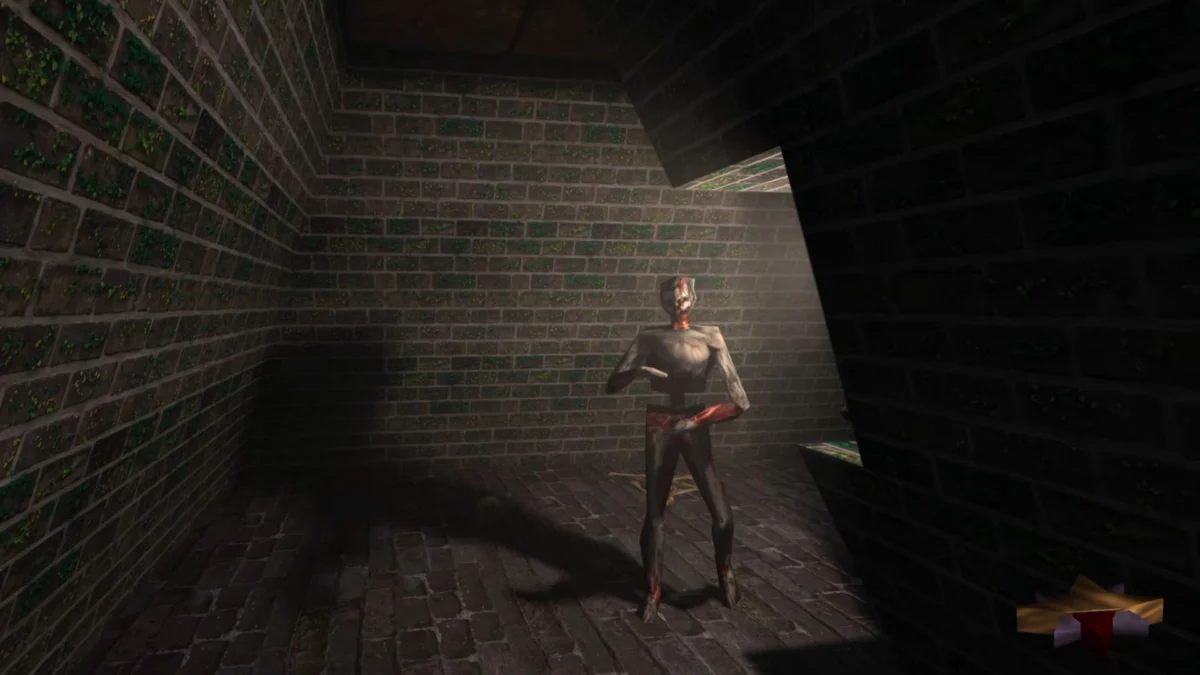
More than two decades after its initial release in 1998, Looking Glass Studios’ landmark immersive sim Thief: The Dark Project continues to push technological boundaries—not through official corporate development, but through the relentless dedication of its fan community. The release of NewDark 1.29, the latest iteration of the legendary community-made engine patch, has introduced a monumental shift to the classic gothic-steampunk world: dynamic shadows and hardware transform & lighting (HWTL).
While Nightdive Studios prepares its own highly anticipated official remaster of the classic franchise, the creators of NewDark have effectively rewritten the graphical and mechanical rules of the Dark Engine. The 1.29 update goes far beyond simple high-resolution patches and widescreen fixes. By enabling GPU-driven lighting effects, the patch allows moving objects—including guards, doors, and the master thief Garrett himself—to cast real-time shadows.
These aren’t merely cosmetic additions; they fundamentally alter the minute-to-minute gameplay loop of a title defined by light and shadow. Where players once relied on static light levels painted into the environment maps, they must now contend with an active, reactive lighting simulation that bridges the gap between 90s retro design and modern modern-engine rendering techniques.
Chronology: From Looking Glass Studios to Community Overhauls
To understand the magnitude of NewDark 1.29, one must trace the timeline of Thief’s turbulent technical legacy:
- November 1998: Looking Glass Studios releases Thief: The Dark Project, introducing the industry-defining Dark Engine. The game relies on pre-baked lightmaps and a light-meter mechanic that measures how visible Garrett is to the AI.
- 2000–2012: As operating systems evolve from Windows 98 to Windows 7, running Thief on modern hardware becomes increasingly difficult, requiring complex fan-made workarounds, fan patches, and glide wrappers.
- 2012: An anonymous or pseudonymous developer releases the initial versions of NewDark, a revolutionary executable replacement that modernizes the Dark Engine. It introduces native widescreen support, multi-monitor capabilities, and modern operating system compatibility for Thief, Thief II, and System Shock 2.
- Mid-2020s: Community developers continue iterating on NewDark, gradually introducing advanced rendering hooks.
- Recent Weeks: NewDark version 1.29 drops via the Through The Looking Glass (TTLG) forums, introducing full hardware transform & lighting, dynamic shadows, volumetric fog, normal mapping, and screen-space ambient occlusion (SSAO). Concurrently, Nightdive Studios announces its official Thief remaster, complete with a brand-new campaign titled The Tarnished Mirror.
Supporting Data: Under the Hood of NewDark 1.29
The technical leap achieved in NewDark 1.29 is staggering when considering the age of the underlying architecture. The Dark Engine was originally built for mid-to-late 90s silicon, utilizing software rendering optimizations and rudimentary lighting techniques. Version 1.29 opens the floodgates to contemporary GPU capabilities.
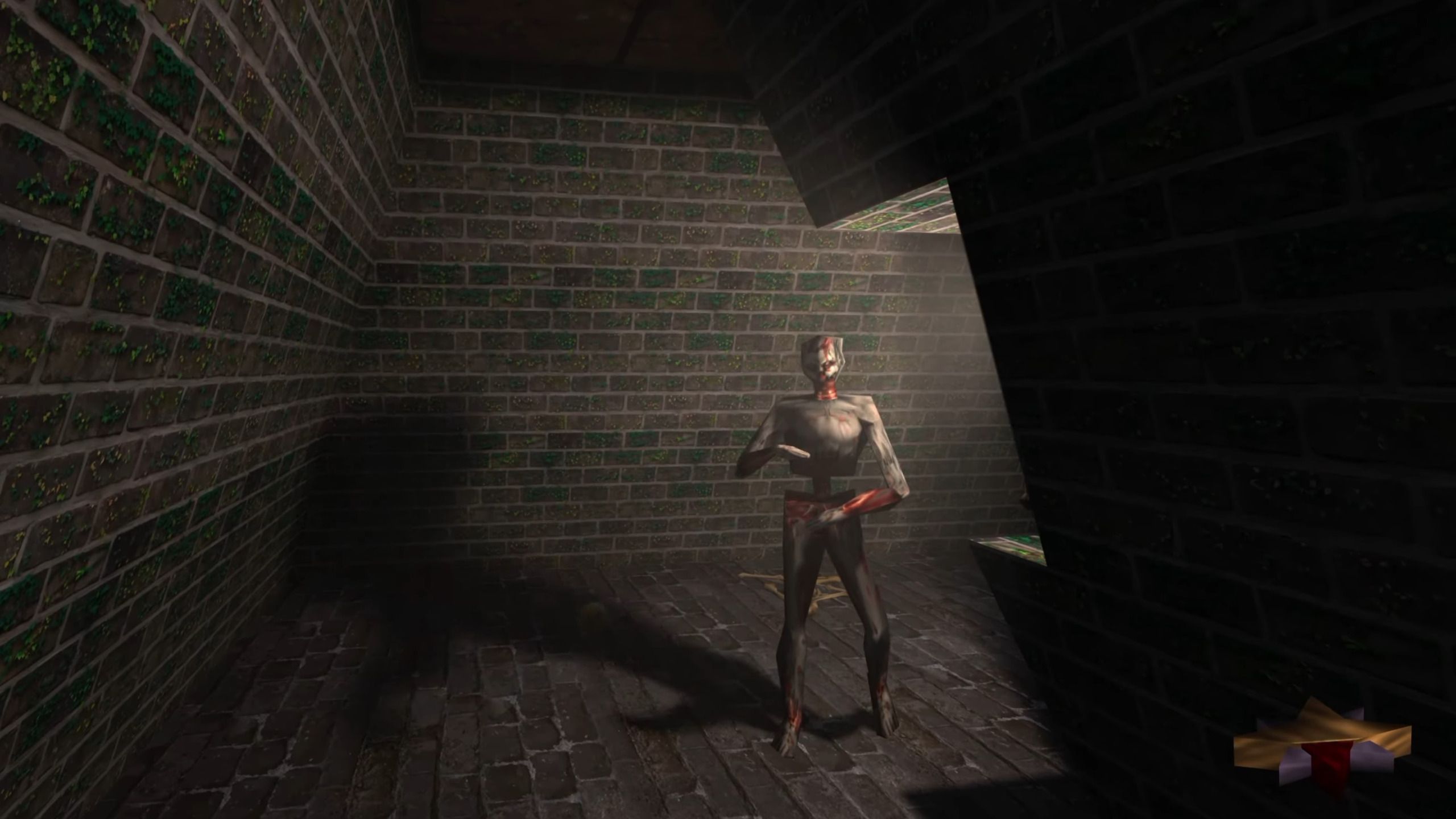
Key Technical Enhancements in NewDark 1.29:
- Hardware Transform & Lighting (HWTL): Shifts lighting and geometry calculations from the CPU to the graphics card, stabilizing performance and allowing complex visual math.
- Dynamic Shadows: Real-time shadow casting from dynamic entities (guards, swinging doors, and movable objects).
- Volumetric Fog and Light Streaks: Atmospheric particle scattering that reacts dynamically to light sources in the environment.
- Advanced Mapping Support: Introduction of normal mapping and parallax occlusion mapping to add simulated depth to flat textures.
- Post-Processing Suite: Inclusion of Screen Space Ambient Occlusion (SSAO), underwater distortion filters, and light luminance adaptation (simulating the eye adjusting to sudden changes in brightness).
Gameplay and Mechanical Implications
Demonstrated extensively by community content creator Bentraxx in a widely circulated technical showcase video, these graphical upgrades have immediate, game-altering mechanical consequences:
- Environmental Manipulation: Opening a door between a pitch-black corridor and a brightly lit chamber now floods the hallway with real light. Furthermore, an open door casts a physical shadow behind it, creating entirely new, emergent hiding spots that did not exist in the original level geometry.
- AI Vision and Shadow Awareness: Non-Player Characters (NPCs) are no longer blind to dynamic geometry. Guards can now register Garrett’s shadow cast against a wall or floor. If the master thief is improperly positioned and backlit around a corner, his silhouette will betray his position, forcing players to exercise unprecedented caution regarding light sources.
- The Curious Case of Garrett’s Silhouette: In Thief II: The Metal Age, Garrett’s character model generates a convincing humanoid shadow. However, in the original Thief: The Dark Project, the player character model famously resembles a six-foot-tall, brown cuboid (often affectionately dubbed by the community as a "poo-coloured cuboid"). Consequently, shadows cast by Garrett in the first game reflect this hilarious graphical quirk, adding an unexpected touch of retro comedy to an otherwise terrifying horror-stealth atmosphere.
Comparisons drawn by community members indicate that these updates bring the original titles remarkably close to the lighting fidelity seen in later franchise entries like Thief: Deadly Shadows and The Dark Mod—the acclaimed Doom 3-based open-source spiritual successor to the Thief series.
Official Responses and Community Reception
The release of NewDark 1.29 has ignited vibrant discussions across the PC gaming sphere, particularly on community hubs like the TTLG forums (where the download link was initially hosted, albeit temporarily restricted to premium users of file-hosting services like storage.to) and Reddit.
The juxtaposition of a grassroots community patch dropping right alongside corporate announcements has fascinated industry watchers. Nightdive Studios—revered for their meticulous restorations of classic PC titles like System Shock, Turok, and Quake—has publicly committed to bringing an official Thief remaster to modern audiences.
Industry analysts and long-time fans note that rather than competing, the official remaster and the unofficial NewDark patch serve entirely different philosophies of game preservation:
- Nightdive’s Approach: Focuses on faithful preservation, cleaning up assets, fixing long-standing bugs, smoothing out models and animations, and ensuring seamless out-of-the-box compatibility for modern systems without fundamentally altering the core game design. Crucially, Nightdive has confirmed the inclusion of an entirely new official campaign titled The Tarnished Mirror, offering fresh narrative content for veterans.
- The NewDark Approach: Acts as a radical engine overhaul. It is targeted at purists and tinkerers who want to push the original engine past its absolute design limits, altering the fundamental physics of light, shadow, and AI awareness.
Neither project makes the other redundant. Instead, players are presented with a delightful paradox of choice: they can experience the pristine, developer-curated vision via Nightdive’s upcoming package (complete with The Tarnished Mirror), or they can dive into the hyper-modernized, shadow-driven technical marvel cooked up by the NewDark architects.
Implications: The Future of Immersive Sim Preservation
The longevity of Thief: The Dark Project serves as a textbook case study in the power of community-driven software preservation. Immersive sims—a genre characterized by systemic interaction, player agency, and complex emergent gameplay—often prove difficult to replicate in modern development cycles. Mainstream publishers rarely greenlight games as mechanically uncompromising or deliberately slow-paced as the original Thief.
By keeping the Dark Engine alive and continuously modernizing its underlying code, the NewDark creators have ensured that the foundational mechanics of the immersive sim genre remain playable, adaptable, and relevant to modern hardware standards.
As we look ahead to the release of Nightdive Studios’ official remaster and the mysteries of The Tarnished Mirror, the debut of NewDark 1.29 stands as a testament to the passion of PC gaming’s grassroots communities. It proves that a great game is never truly finished—and in the world of Thief, mastering the shadows is a craft that continues to evolve, even twenty-six years after the lights first went out.

