

The landscape of PlayStation audio is undergoing a significant transformation. As Sony Interactive Entertainment seeks to cement the PlayStation 5’s status as a premium multimedia hub, the company has officially pulled back the curtain on its next generation of audio hardware: the PlayStation Pulse and Pulse Edge wireless headsets. Announced by Joe Bentley, Vice President of Engineering at Sony, these new peripherals aim to bridge the gap between high-fidelity audiophile performance and the specialized needs of modern console gaming.
For many, these headsets arrive at a pivotal moment. With the console gaming market shifting rapidly toward digital ecosystems and immersive hardware experiences, the demand for audio gear that can replicate the nuance of cinematic soundscapes—without sacrificing the low-latency requirements of competitive play—has never been higher.
The Core Technical Evolution
At the heart of the new Pulse lineup is a renewed commitment to planar magnetic driver technology. While the original Pulse 3D headset set a standard for accessibility and integration, the new iterations represent a departure into more enthusiast-grade audio reproduction.
Planar Magnetic Drivers: Precision Sound
Unlike traditional dynamic drivers, which rely on a voice coil to move a cone, planar magnetic drivers utilize an ultra-thin, flat diaphragm suspended between a grid of magnets. When the electrical signal hits the conductive traces on the diaphragm, the magnetic field causes the entire surface to vibrate uniformly. This results in significantly lower distortion, faster transient response, and a more accurate soundstage.

Sony’s latest announcement confirms that the Pulse Edge will feature an impressive eight magnets per planar driver. This "double the magnet" volume, compared to the standard Pulse model, is designed to enhance bass response and ensure that even the most complex audio layers in modern AAA titles remain crisp and distinct.
Active Noise Cancellation (ANC)
The most notable addition to the premium Pulse Edge model is the integration of Active Noise Cancellation. While common in high-end consumer headphones like the Sony WH-1000XM5, ANC is a relative rarity in the dedicated gaming headset market. By utilizing external microphones to monitor ambient noise and generating an "anti-noise" frequency to cancel it out, the Pulse Edge promises to offer a sanctuary of sound for players in loud environments, allowing them to focus entirely on the game’s acoustic environment.
Product Chronology and Market Positioning
The rollout of these devices is staggered, reflecting Sony’s strategic approach to the hardware market.
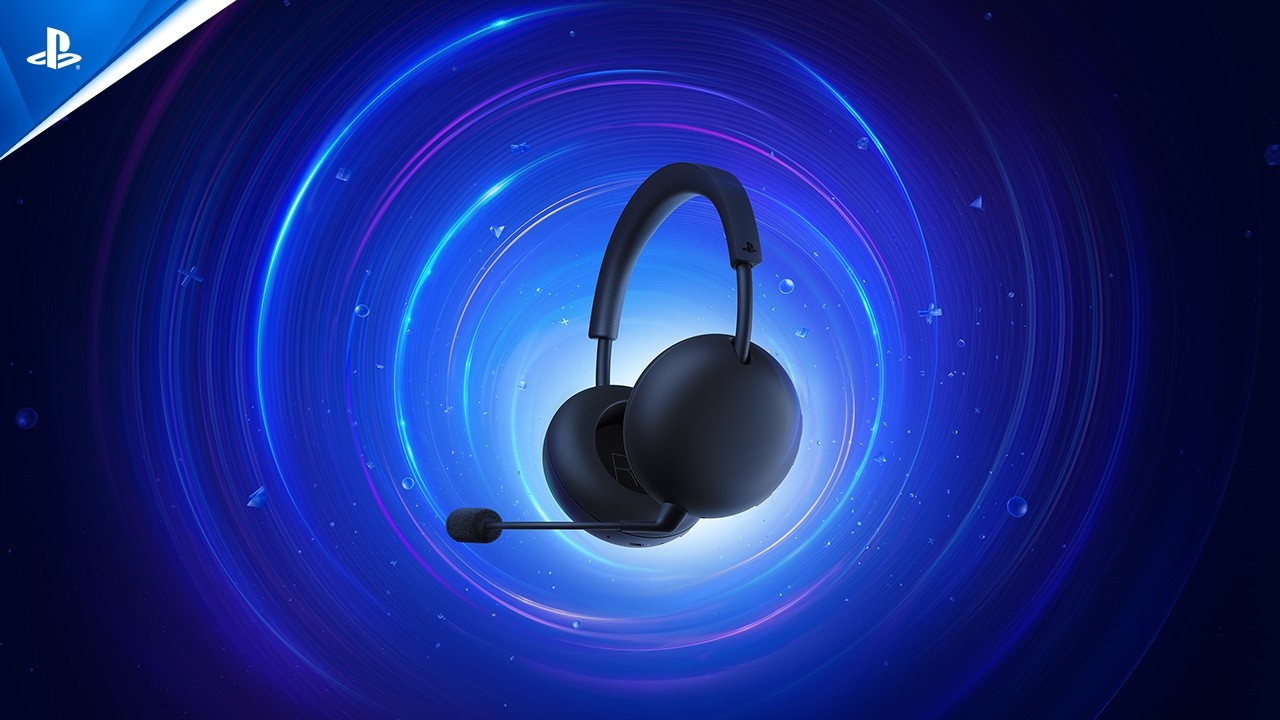
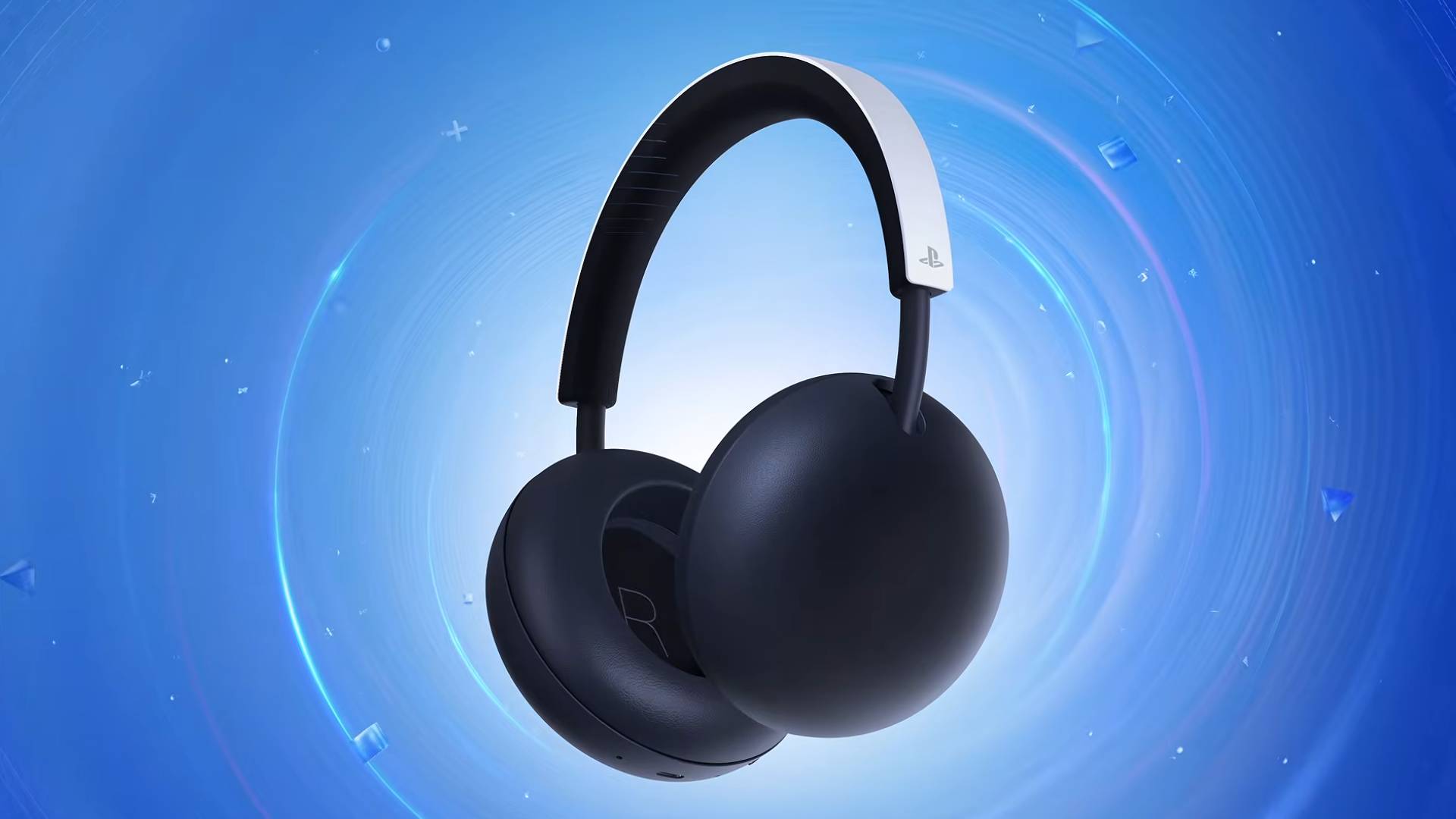
- The Pulse Wireless Headset: Slated for release during the "holiday season," this model acts as the entry point into Sony’s next-gen audio ecosystem. While it lacks the high-end ANC and the full array of magnets found in the Edge, it retains the essential "PlayStation Link" connectivity, ensuring a seamless, low-latency connection to both the PS5 and the PlayStation Portal.
- The Pulse Edge Wireless Headset: As the flagship offering, the Edge is slated for an "early 2027" release. It is positioned as the definitive choice for the competitive gamer and the audiophile, boasting the aforementioned ANC, a dedicated game-audio/chat balance mixer, and a more robust construction that includes a specialized carrying case.
Comparative Data: Pulse vs. Pulse Edge
| Feature | Pulse Wireless Headset | Pulse Edge Wireless Headset |
|---|---|---|
| Driver Type | Planar Magnetic (4 magnets) | Planar Magnetic (8 magnets) |
| Noise Cancellation | Passive | Active Noise Cancellation (ANC) |
| Connectivity | PlayStation Link | PlayStation Link |
| Audio/Chat Balance | Software-based | Dedicated hardware controls |
| Release Window | Holiday Season (Current Year) | Early 2027 |
| Microphone | Integrated | Detachable Boom Mic |
Official Responses and Engineering Philosophy
Joe Bentley’s briefing on the PlayStation Blog emphasized that the engineering team’s primary goal was to "redefine the console audio experience." Bentley noted that the transition to more advanced magnetic architectures was a direct response to player feedback regarding the desire for "fuller, deeper bass" without losing the high-end clarity that is essential for hearing in-game audio cues like footsteps or environmental shifts.

"By doubling the magnetic density in the Edge," Bentley explained, "we are allowing the diaphragm to move with greater precision across the entire frequency spectrum. It is not just about making the sound louder; it is about making the sound more responsive and textured."
Sony’s decision to include AI-enhanced noise rejection in the microphone array of the Edge also signals a shift toward prioritizing social features. As online multiplayer continues to be the lifeblood of the PlayStation ecosystem, providing a clear communication channel—even in noisy household environments—has become a top priority for hardware developers.
Implications for the Gaming Ecosystem
The "PlayStation Link" Standard
One of the most critical aspects of this announcement is the continued commitment to "PlayStation Link." This proprietary wireless technology is designed to minimize the interference often found with standard Bluetooth connections, providing a lossless, ultra-low-latency link between the headset and the PS5 hardware. By making this standard across both the Pulse and Pulse Edge, Sony is ensuring that even the base-model users get the high-performance connection they expect from a first-party product.
Market Competition
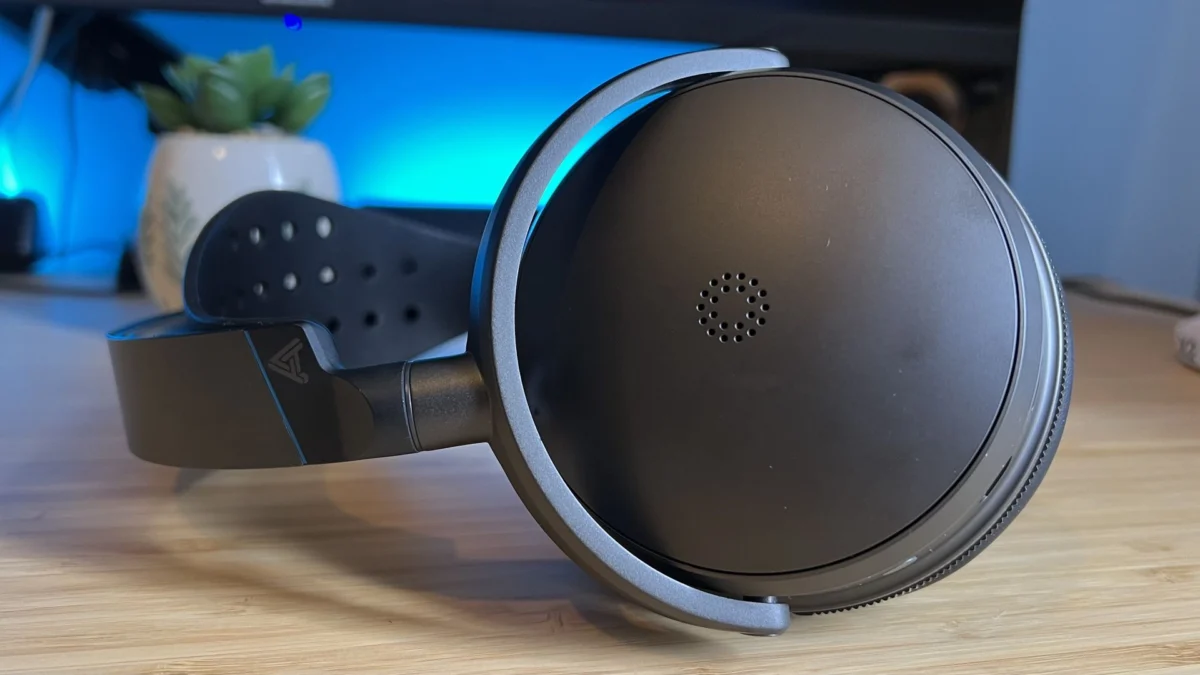
The release of the Pulse Edge puts Sony in direct competition with high-end third-party manufacturers, most notably Audeze, whose "Maxwell" headset is widely considered the gold standard for planar magnetic gaming audio. By bringing this level of audio engineering in-house, Sony is effectively challenging the third-party market to either innovate or face obsolescence.
Hardware-Software Integration
Perhaps the most significant implication is the software-level integration. Because these headsets are developed by the same team that designs the PS5 console, the integration of features like the game/chat audio mixer on the Pulse Edge is expected to be more fluid than the often cumbersome interfaces required by third-party headsets.
Looking Forward: A New Standard for Audio
As we approach the release of the Pulse series, the industry will be watching closely to see how these units perform in real-world environments. The potential weight of the Pulse Edge, due to the increased magnet count, remains a point of curiosity for many, as comfort is often the trade-off for high-performance audio components.
For those who simply cannot wait for the 2027 release of the Edge, or who are looking for an immediate upgrade, the current market offers alternatives like the Audeze Maxwell, which currently retails for approximately $329. However, the allure of the PlayStation-native ecosystem—with its promise of deep, seamless integration and potential price-to-performance advantages—will likely lead many to hold out for the official Sony launch.
Conclusion
Sony’s expansion into advanced audio hardware suggests that the company views the PS5 not just as a gaming console, but as a holistic media platform. By focusing on planar magnetic technology and active noise cancellation, Sony is acknowledging that today’s gamer is also an audiophile who demands as much fidelity from their headset as they do from their display.
As we await further details regarding pricing and the exact release date for the Pulse Edge, one thing remains clear: the barrier between professional-grade audio and home gaming is thinner than ever. Whether you are a casual player looking for better immersion or a competitive gamer seeking an edge, the upcoming Pulse lineup promises to redefine what we hear—and how we play—on the PlayStation 5.
For the latest updates on the PlayStation Pulse lineup, including pre-order availability and regional pricing as it is announced, keep an eye on our dedicated hardware news hub.

