

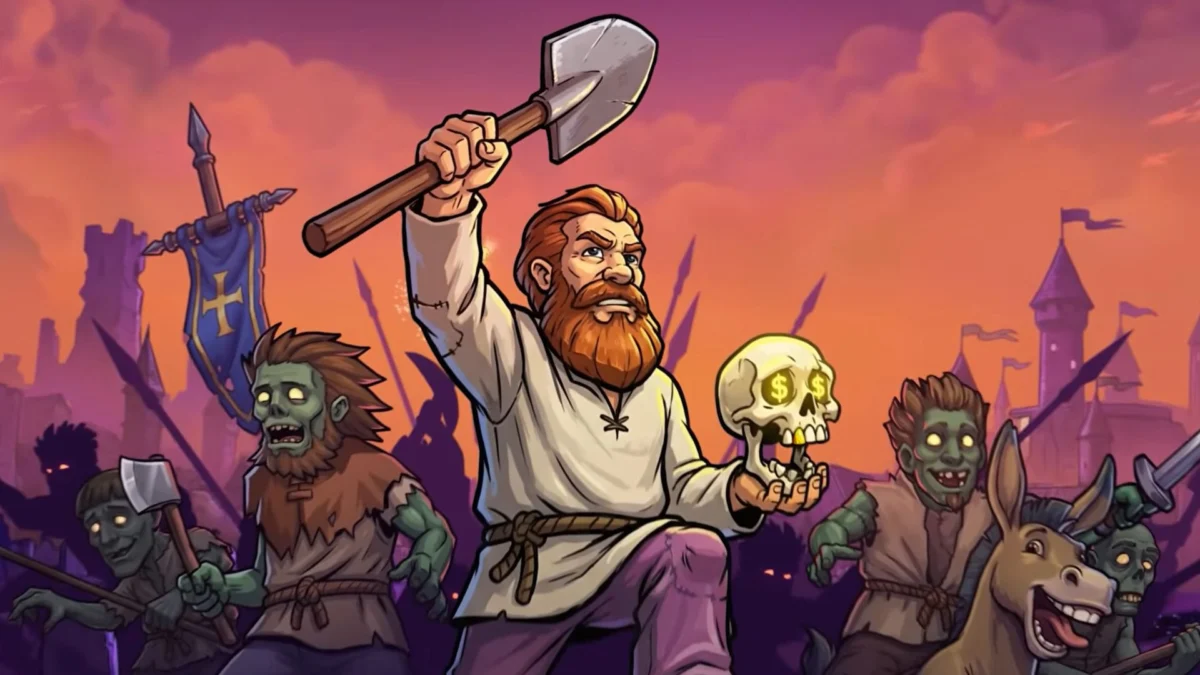
The indie gaming landscape is no stranger to success stories, but few titles have generated as much pre-launch momentum as Graveyard Keeper 2. As the highly anticipated sequel to Lazy Bear Games’ 2018 cult classic, the title is currently shattering expectations. With the game’s official release set for September 22, publisher tinyBuild has confirmed that pre-order figures and wishlist milestones have reached record-breaking levels for the studio, signaling what may be one of the most successful independent launches of the year.
The Numbers Behind the Macabre Masterpiece
The scale of the excitement surrounding Graveyard Keeper 2 is best quantified by the data currently being reported from the Steam storefront. According to official statements from tinyBuild CEO Alex Nichiporchik, the sequel has eclipsed 1 million wishlists—a pivotal metric for Steam’s algorithm and a key indicator of day-one conversion potential.
Beyond mere interest, the financial commitment from the player base is significant. As of the final countdown to release, the game has secured over 147,000 pre-orders, driving gross revenue past the $2.5 million mark and rapidly approaching a $3 million milestone. These figures are particularly impressive for an indie title, suggesting that the "cozy game" audience—a market historically dominated by titles like Stardew Valley—is eager for a more morbid, tongue-in-cheek alternative.
The success of the pre-order campaign has been bolstered by a highly effective demo period. The playable preview attracted over 22,000 concurrent players, providing a substantial testing ground for the game’s mechanics. Notably, developers have implemented a feature that allows players to transfer their progress from the demo directly into the full version of the game upon launch, a move that likely incentivized the high conversion rate of wishlists to pre-orders.
A Eight-Year Journey: The Evolution of a Cult Classic
To understand the fervor surrounding Graveyard Keeper 2, one must look at the legacy of its predecessor. Launched in 2018, the original Graveyard Keeper carved out a unique niche by blending the addictive, repetitive loop of farming simulators with a dark, humorous aesthetic that resonated with players who preferred "spooky" over "saccharine."
The Chronology of Growth:
- 2018: The original Graveyard Keeper launches, introducing players to the dark arts of cemetery management, corpse disposal, and town politics.
- 2019–2023: Lazy Bear Games consistently supports the title with major DLC expansions and patches, keeping the community engaged and expanding the game’s reach across PC, Nintendo Switch, PlayStation 4, and Xbox One.
- 2024–2025: Speculation regarding a sequel mounts as the studio hints at new technological capabilities and refined gameplay systems.
- Mid-2026: The official announcement of Graveyard Keeper 2 sends shockwaves through the community, with Steam wishlist numbers climbing rapidly.
- September 2026: A highly successful demo launch proves the game’s technical stability and confirms that the core loop is more refined than ever.
The longevity of the first game—which peaked at over 42,000 concurrent players on Steam—is a testament to the "evergreen" nature of the simulation genre. By maintaining a steady content pipeline, Lazy Bear Games successfully transformed a single-player simulation game into a long-term community project, ensuring that when the sequel was announced, there was already a massive, dedicated audience waiting to return to the crypt.
Supporting Data: Why Players Are Clicking ‘Buy’
The surge in pre-orders is not happening in a vacuum. Several factors contribute to the game’s current standing:
- The "Stardew" Effect: The insatiable demand for cozy, agricultural, and community-building simulators remains high. Graveyard Keeper 2 satisfies this demand while offering a thematic "twist" that appeals to fans of horror literature and gothic media.
- Platform Availability: By launching on multiple platforms simultaneously, the sequel is positioned to capture a wider demographic than its predecessor did at launch.
- Transitional Value: The decision to allow demo progress to carry over into the full game is a masterstroke in user retention. It turns the demo from a simple "try-before-you-buy" tool into a "head start" opportunity for the most dedicated fans.
- Seasonal Timing: Launching on September 22—just as the autumn season begins—aligns perfectly with the "spooky season" aesthetic that the game champions. It is a marketing alignment that maximizes cultural relevance.
Official Responses and Studio Outlook
The mood at both tinyBuild and Lazy Bear Games is one of cautious, albeit massive, optimism. In recent social media communications, CEO Alex Nichiporchik has been transparent about the figures, positioning the game as a potential titan in the indie space.
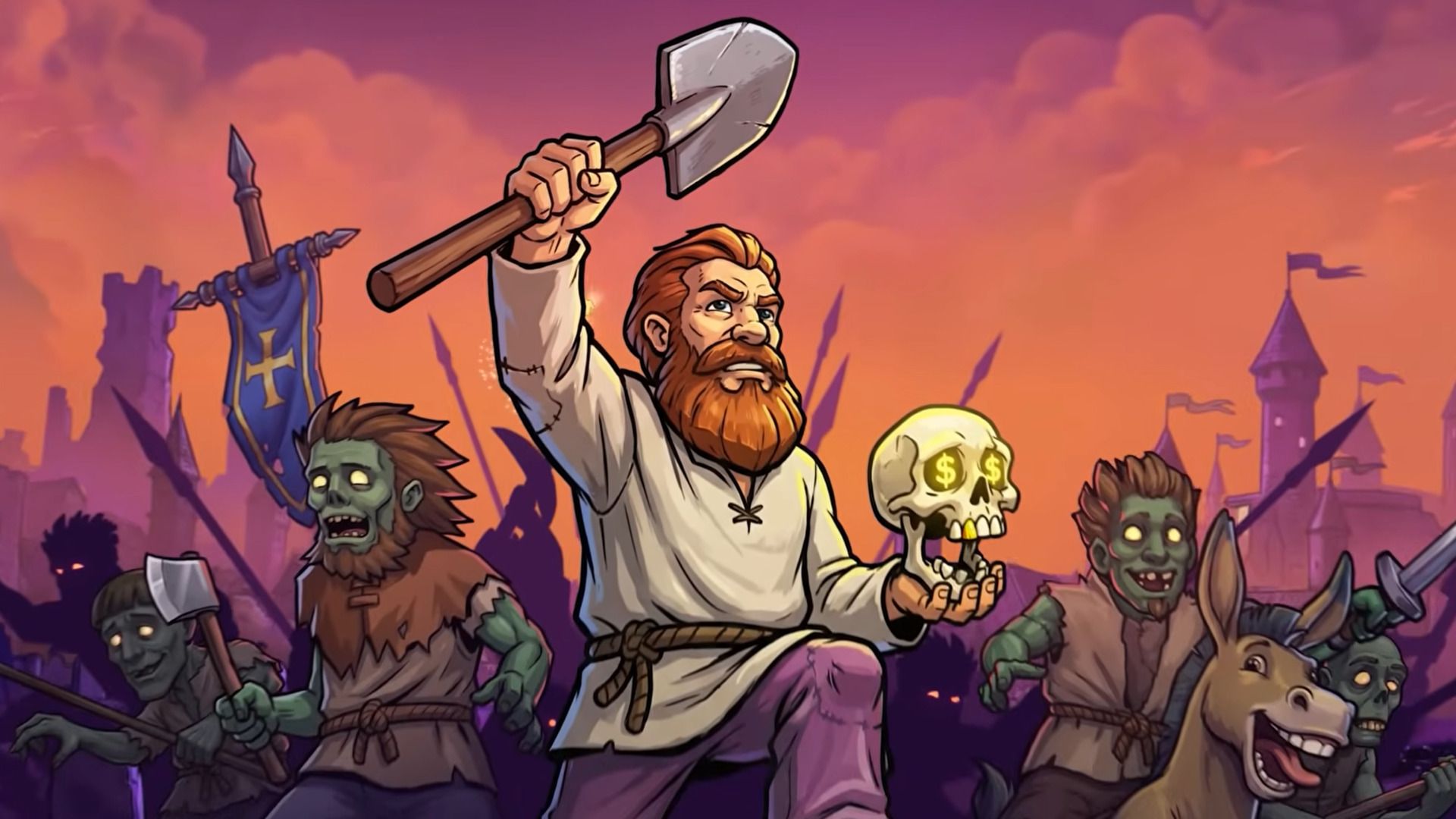
"Edging towards $3,000,000, tomorrow is the last pre-order day," Nichiporchik stated, reflecting on the developer’s hard work. "The launch for Graveyard Keeper 2 might be massive."
The studio’s confidence is rooted in the fact that they are not reinventing the wheel, but rather sharpening the tools. By iterating on the core systems that made the first game successful—such as the intricate crafting, the darkly comedic narrative, and the management of a graveyard with limited resources—they have managed to satisfy long-term fans while creating an entry point for new players who are seeking a "Stardew-like" experience with a bit more grit.
The Implications for the Indie Industry
The success of Graveyard Keeper 2 serves as a case study for the current state of independent game publishing. It highlights three critical industry trends:
1. The Power of Community Retention
Indie games that survive long-term are those that continue to provide value to their players years after release. By treating the original game as a service, Lazy Bear Games ensured that the "customer acquisition cost" for the sequel was significantly lower, as they were marketing to a pre-warmed audience.
2. The Importance of "Niche-Plus"
The most successful indie games often take a popular genre (in this case, farming simulators) and add a distinct aesthetic or mechanical flavor (dark humor/horror). By catering to the "Goosebumps-reading, Stardew-loving" demographic, Graveyard Keeper 2 successfully differentiates itself in an increasingly crowded market.
3. The Resilience of Steam as a Platform
Despite the rise of various subscription services and platform-exclusive storefronts, Steam continues to be the dominant force for indie launches. The ability to leverage the wishlist system, gather data through demos, and convert that interest into revenue remains the gold standard for independent developers.
Final Thoughts: A New Standard for Sequels
As the industry watches the clock count down to September 22, the implications for Graveyard Keeper 2 are clear. It is no longer just an "indie game"; it is a major market event. With nearly 150,000 pre-orders and a million-plus wishlists, the game is set to provide a significant revenue injection for tinyBuild and solidify Lazy Bear Games’ reputation as a premier developer in the simulation space.
For fans of the original, the wait is almost over. For the rest of the industry, Graveyard Keeper 2 will serve as a benchmark for how to build, maintain, and monetize a dedicated player base in an era of fleeting attention spans. Whether it will sustain its momentum long-term remains to be seen, but for now, the outlook is as bright as a graveyard can be.

