

The virtual and mixed reality landscape has reached a new fever pitch. With the conclusion of the UploadVR Showcase – Summer 2026, the industry has received a definitive roadmap for the remainder of the year. Featuring over 30 distinct announcements, the event served as a vibrant testament to the maturity of the VR ecosystem, bridging the gap between indie creativity and the polished, high-fidelity experiences expected from larger studios.
Whether you missed the live broadcast or are looking to parse the flood of information, this report provides a deep dive into the major titles, the technological trends emerging from the showcase, and what these developments imply for the future of the medium.
The Core Highlights: A New Wave of VR Innovation
The Summer 2026 showcase was characterized by a push toward social-first mechanics, high-stakes physics-based gameplay, and the increasingly seamless integration of mixed reality (MR) into the home environment.
Tactical and Co-op Experiences
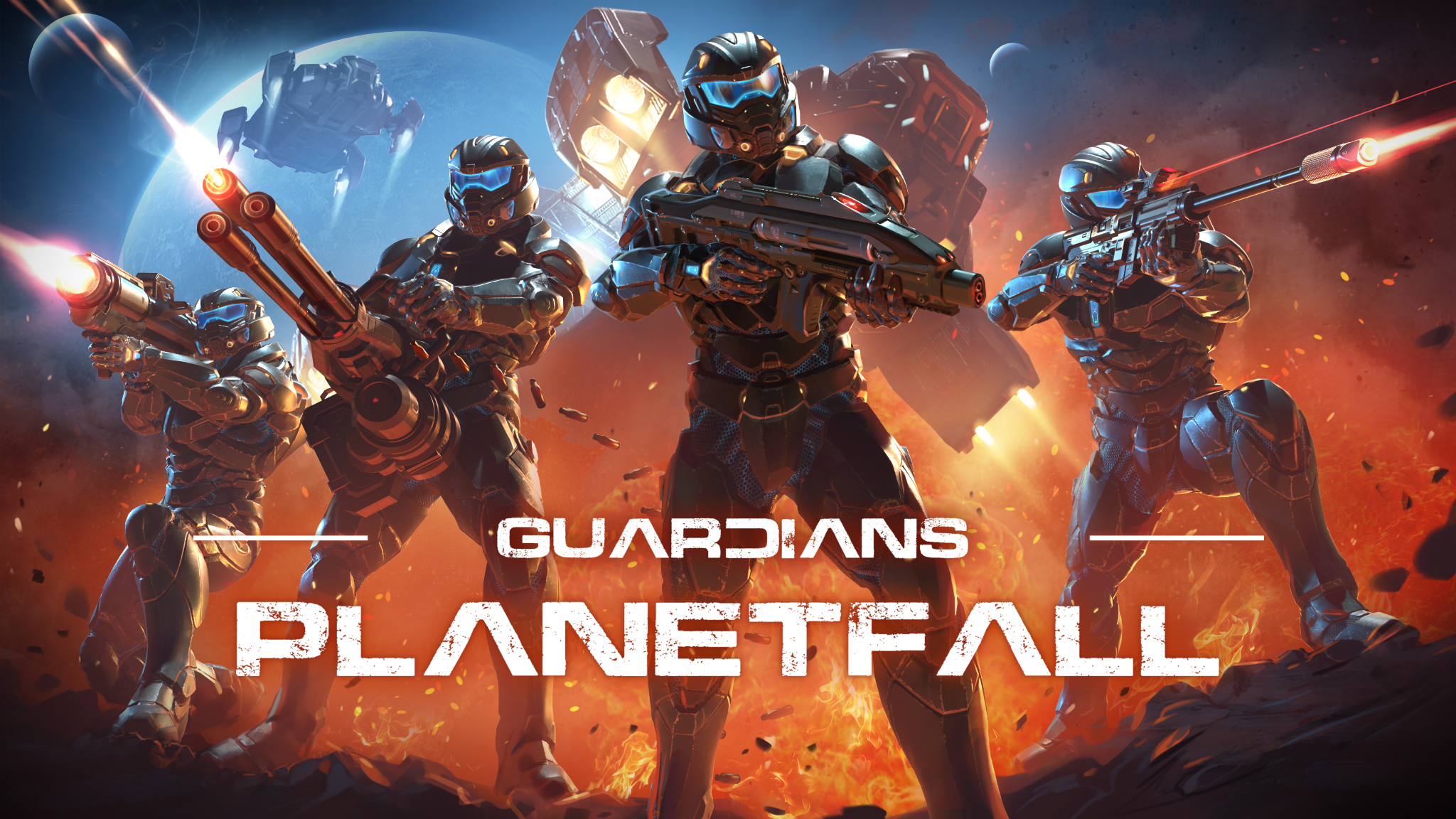
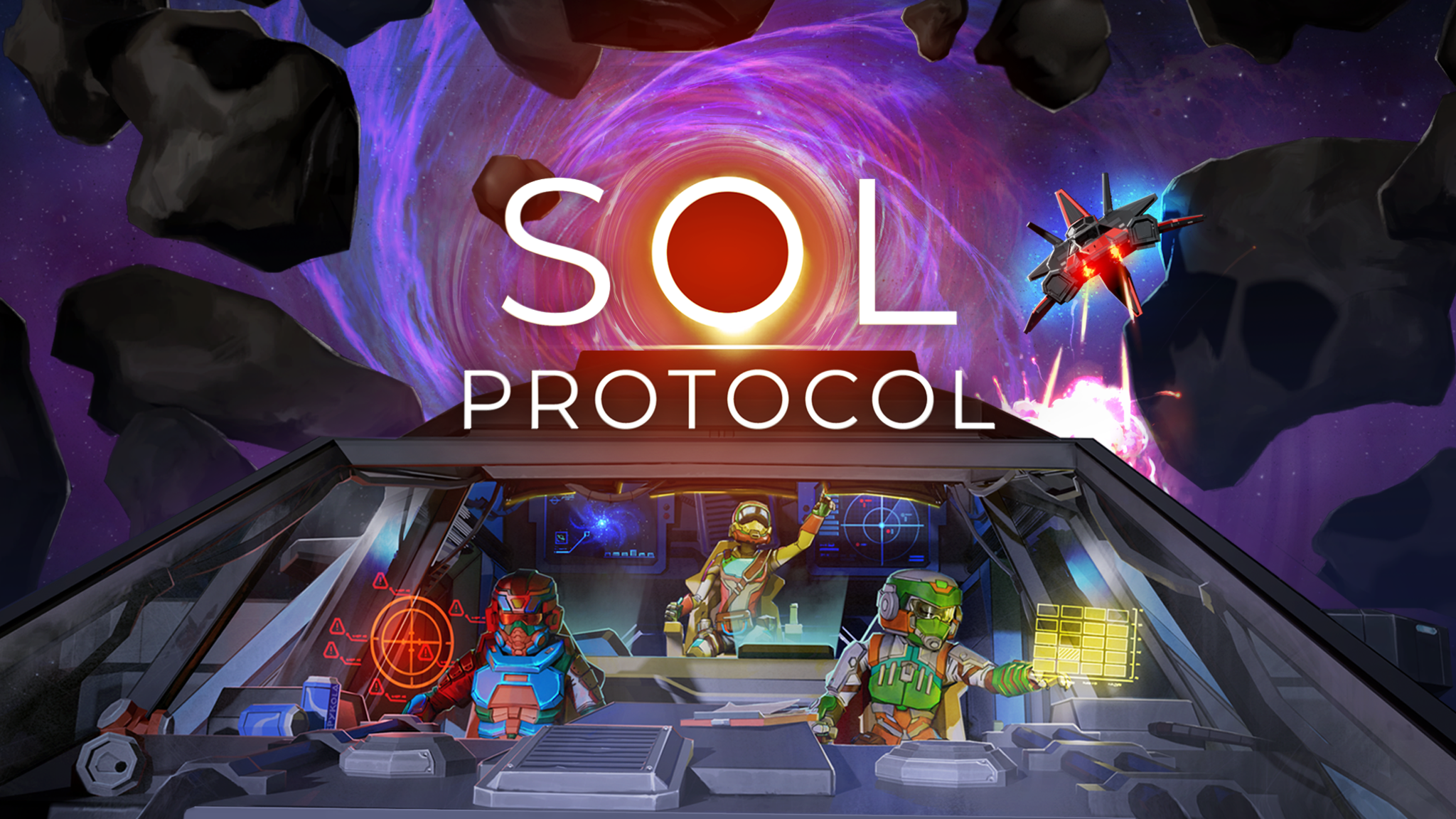
A standout trend of this year’s lineup is the emphasis on squad-based survival. Guardians Planetfall, developed by VirtualAge, promises to build on the success of Guardians Frontline by offering a high-octane, four-player sci-fi cooperative experience. The game, arriving later this year on Meta Quest and SteamVR, positions itself as a tentpole release for fans of tactical shooters. Similarly, Sol Protocol by Singular Perception introduces a roguelike twist to space exploration, tasking teams with manning a single vessel. With its free playtests currently rolling out via Discord, the title is already cultivating a dedicated community ahead of its September early access launch.
Horror and Psychological Thrillers
The horror genre remains a bedrock of VR, leveraging the medium’s ability to create genuine tension. Rustmourne, the show’s closing announcement, made an immediate impact. Drawing design inspiration from genre titans like Half-Life: Alyx and Dead Space, this sci-fi horror FPS focuses on high-fidelity, VR-native interactions.
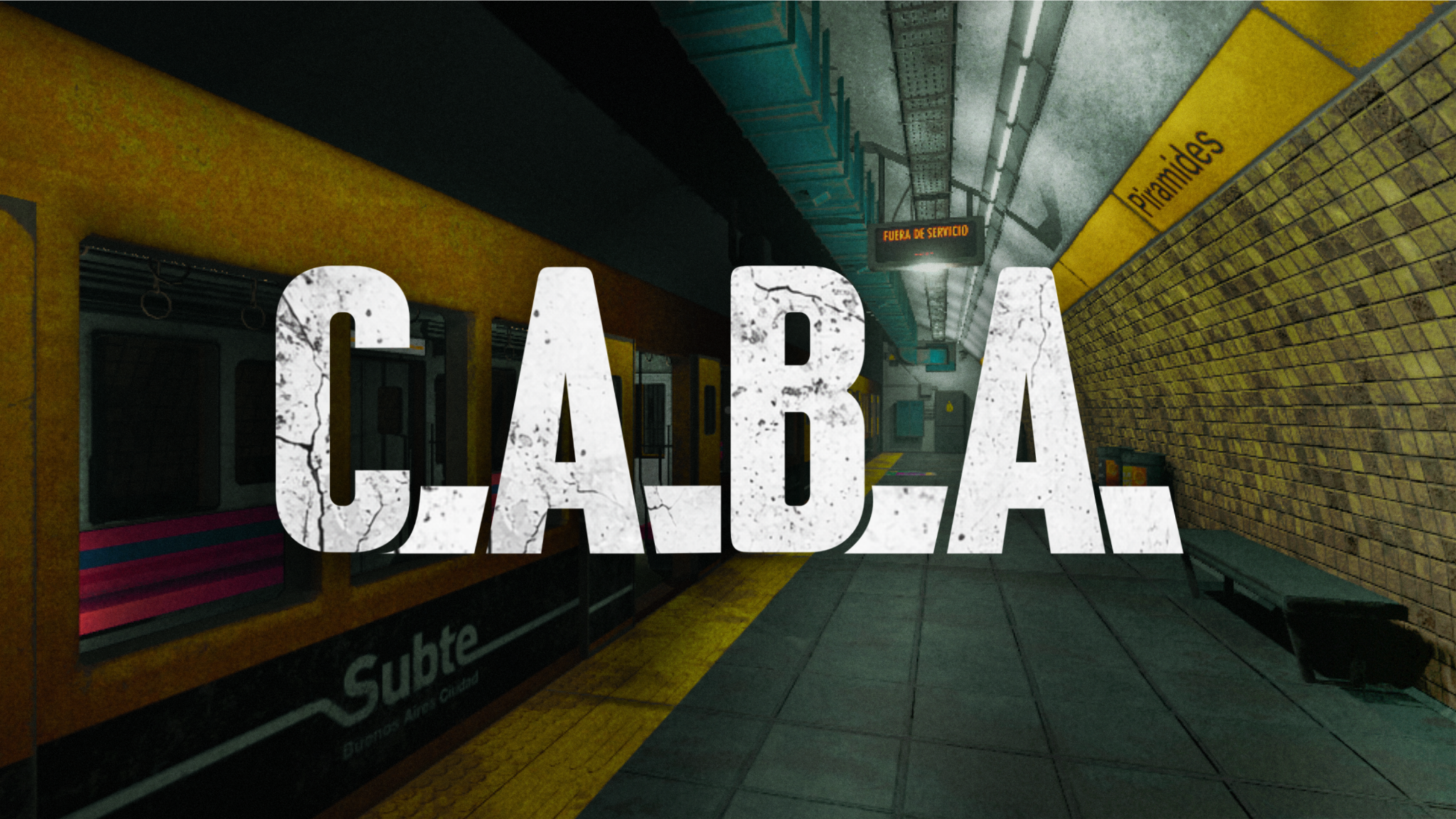
Complementing this is The Obsessive Shadow: Chapter 2, which continues a harrowing survival narrative, and the innovative C.A.B.A., which offers the first-ever playable Backrooms metro level. For those who prefer a more unsettling, localized experience, Hauntify from Virtual Go LLC is pushing the boundaries of mixed reality by allowing players to transform their own living spaces into supernatural horror zones.
Chronology of Releases: What to Play and When
The industry calendar is packed from now through the end of 2026. Here is a breakdown of the key dates announced during the showcase:
- June 12: Game Night (Co-op update); Dark Trip (Compartment of Souls update).
- June 16: Jetpack Clankers (Early Access).
- June 18: Color-A-Cube (Full Launch).
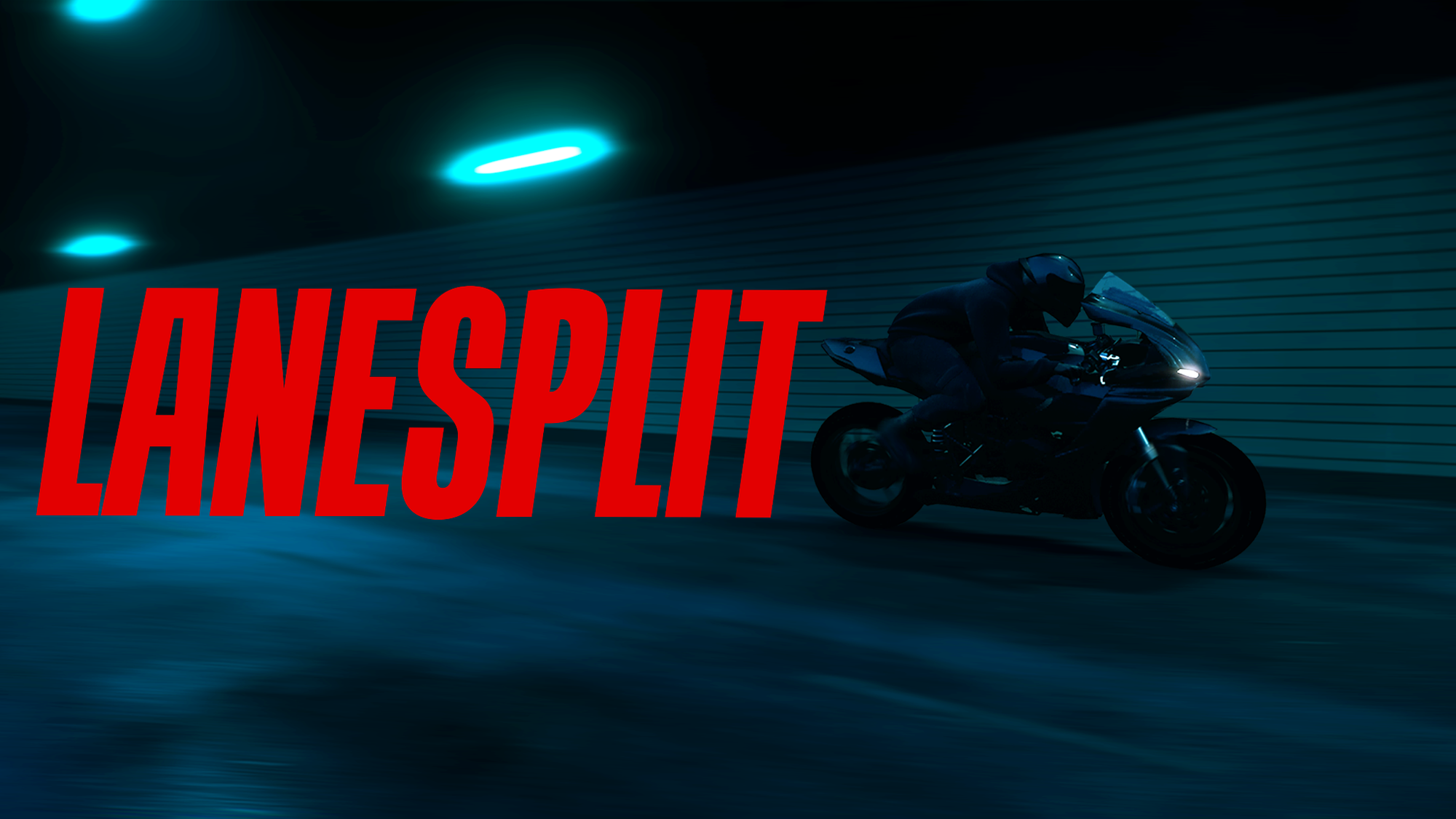
- June 23: LANESPLIT (SteamVR launch).
- June 25: Walkabout Mini Golf (Homestar Runner Distraction Pack).
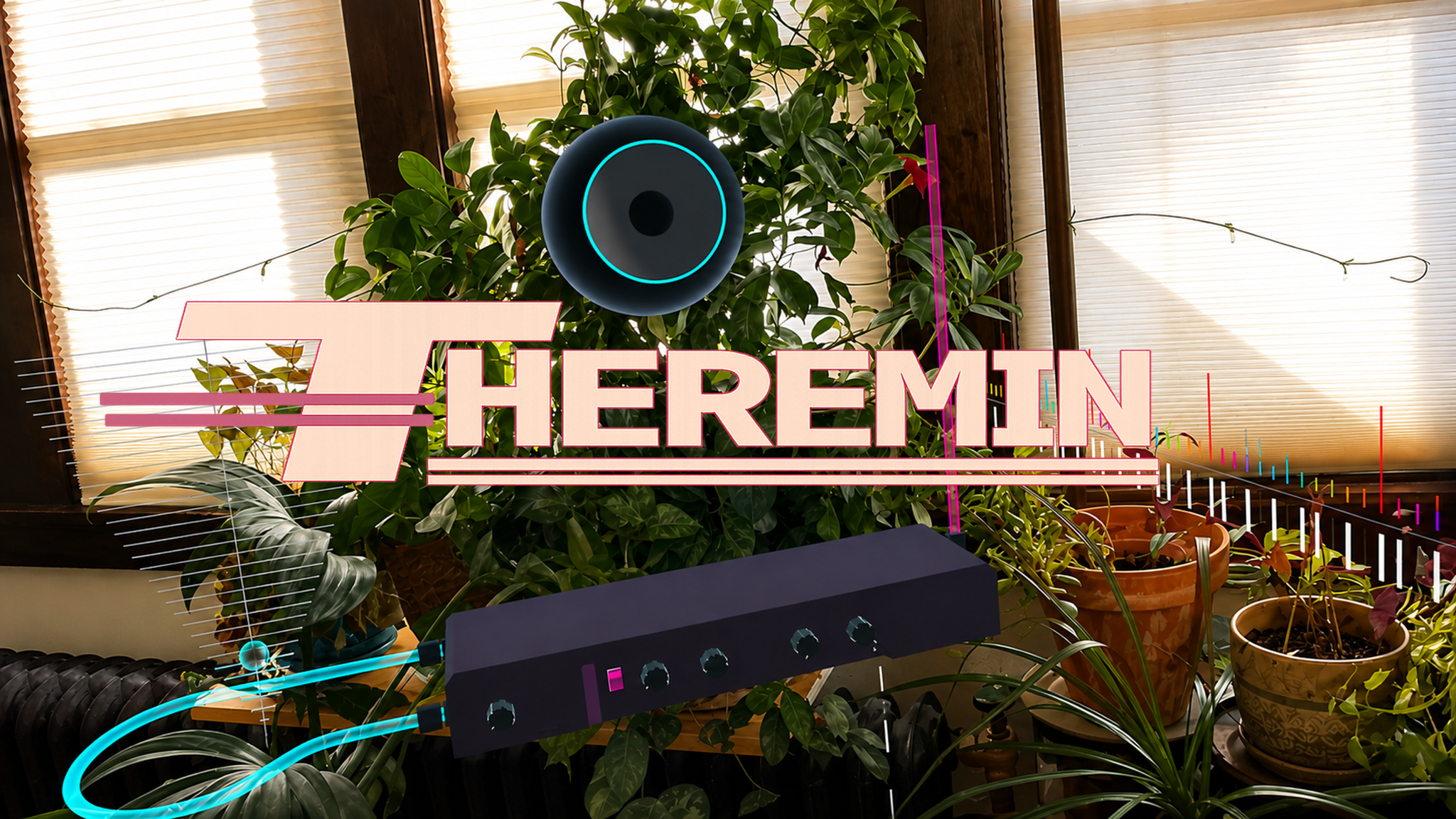
- July 1: Theremin (Ghost Hands update).
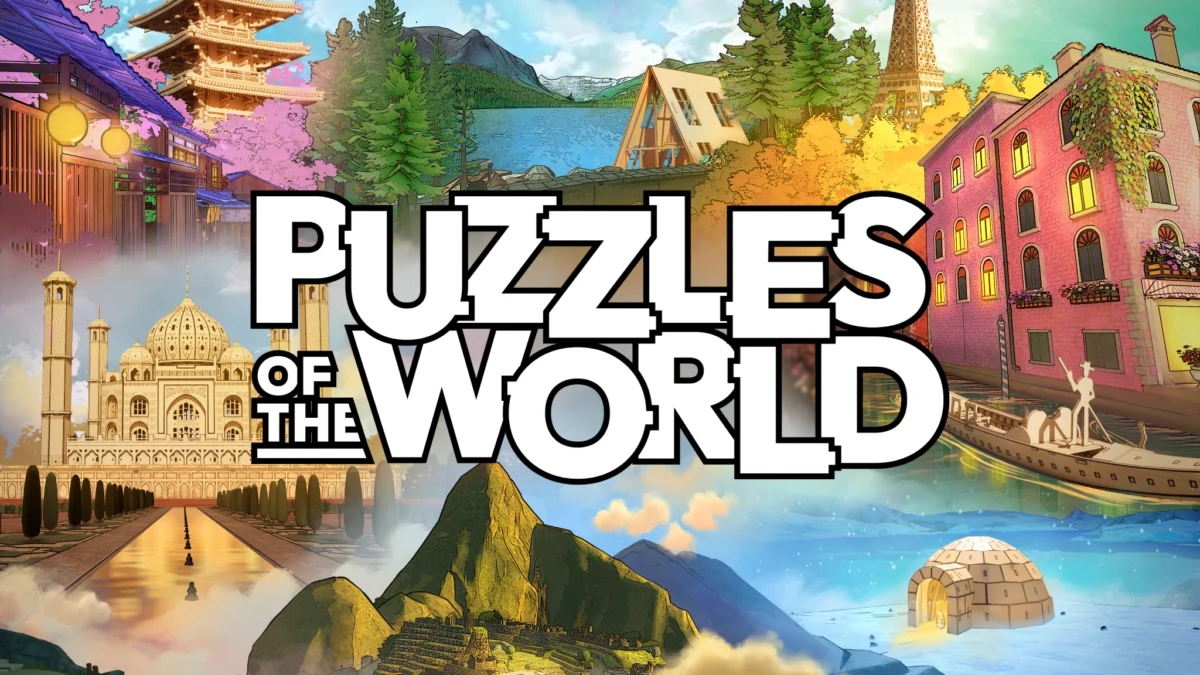
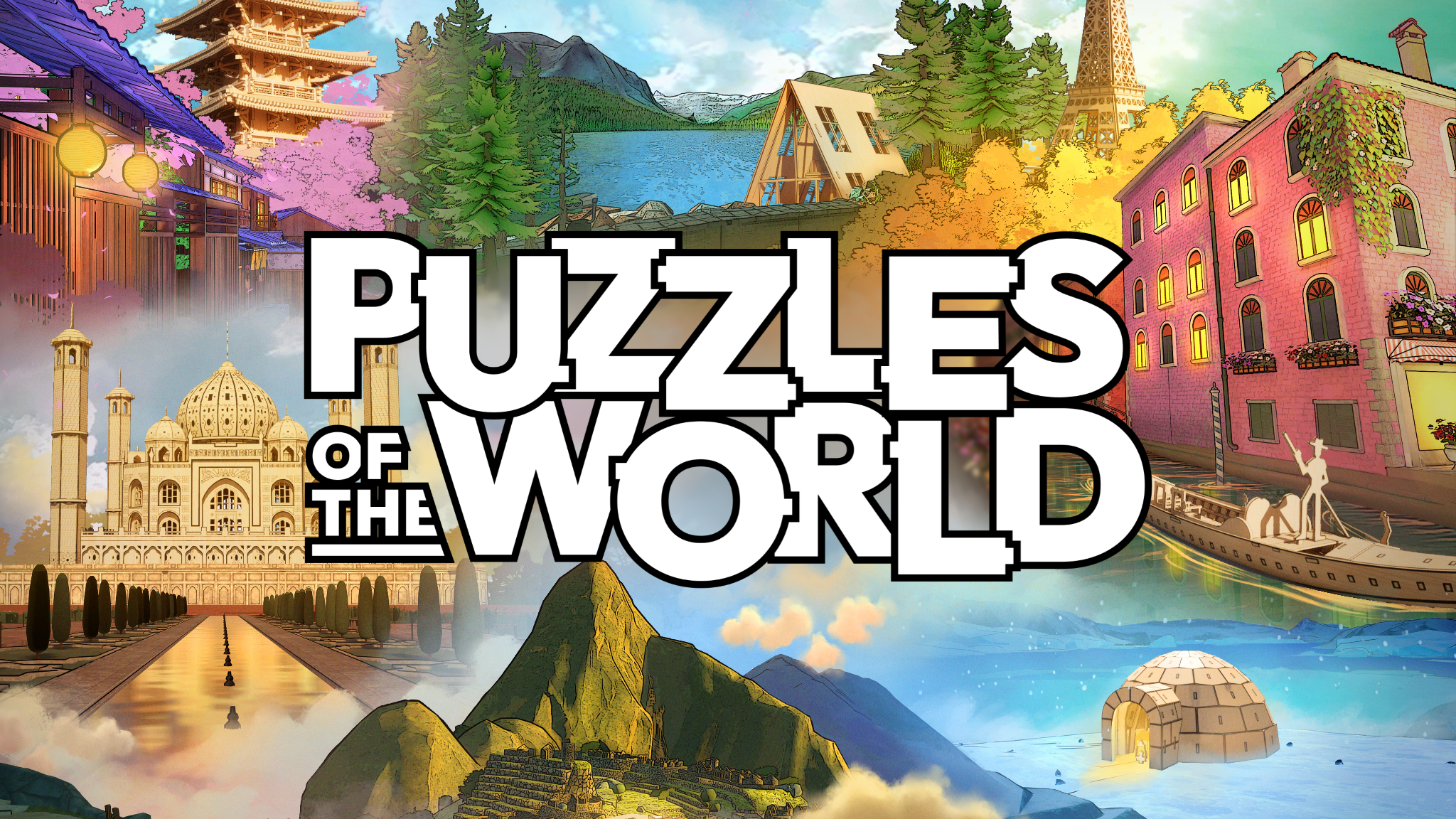
- July 23: Puzzles of the World (Full launch).
- Late July: Cave Crave (Tham Luang Cave update).
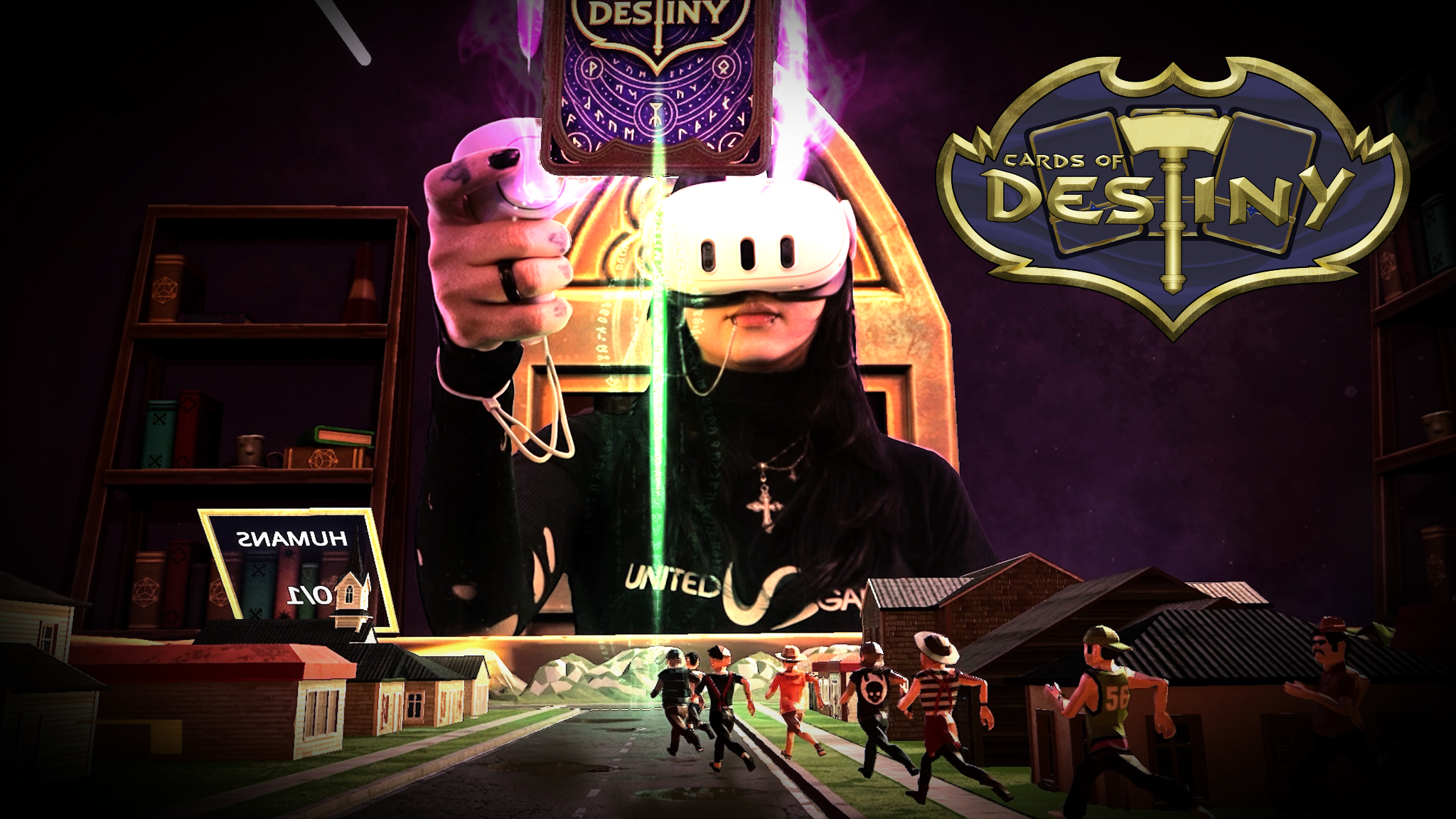
- August 28: Cards of Destiny (Early Access).
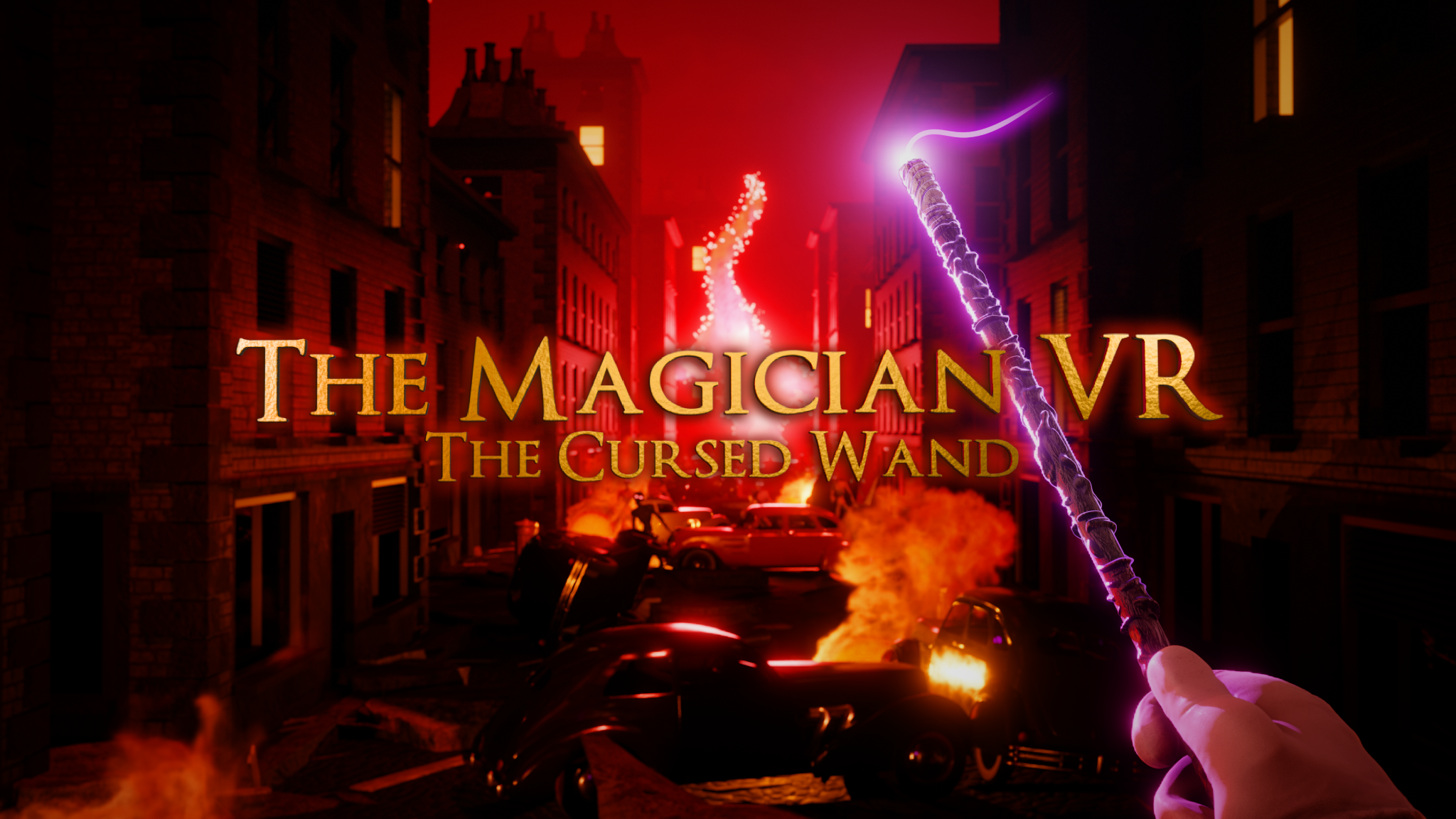
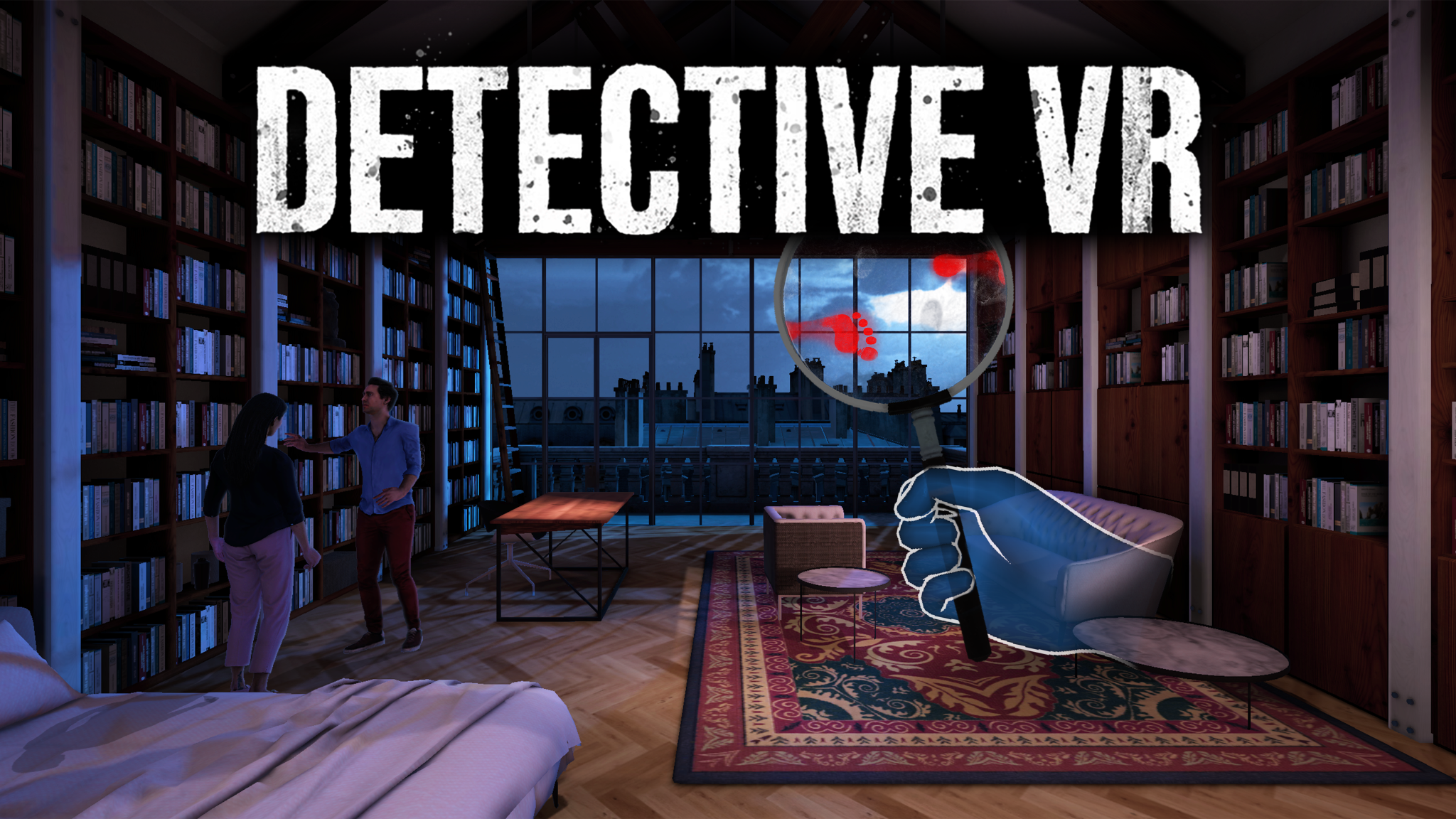
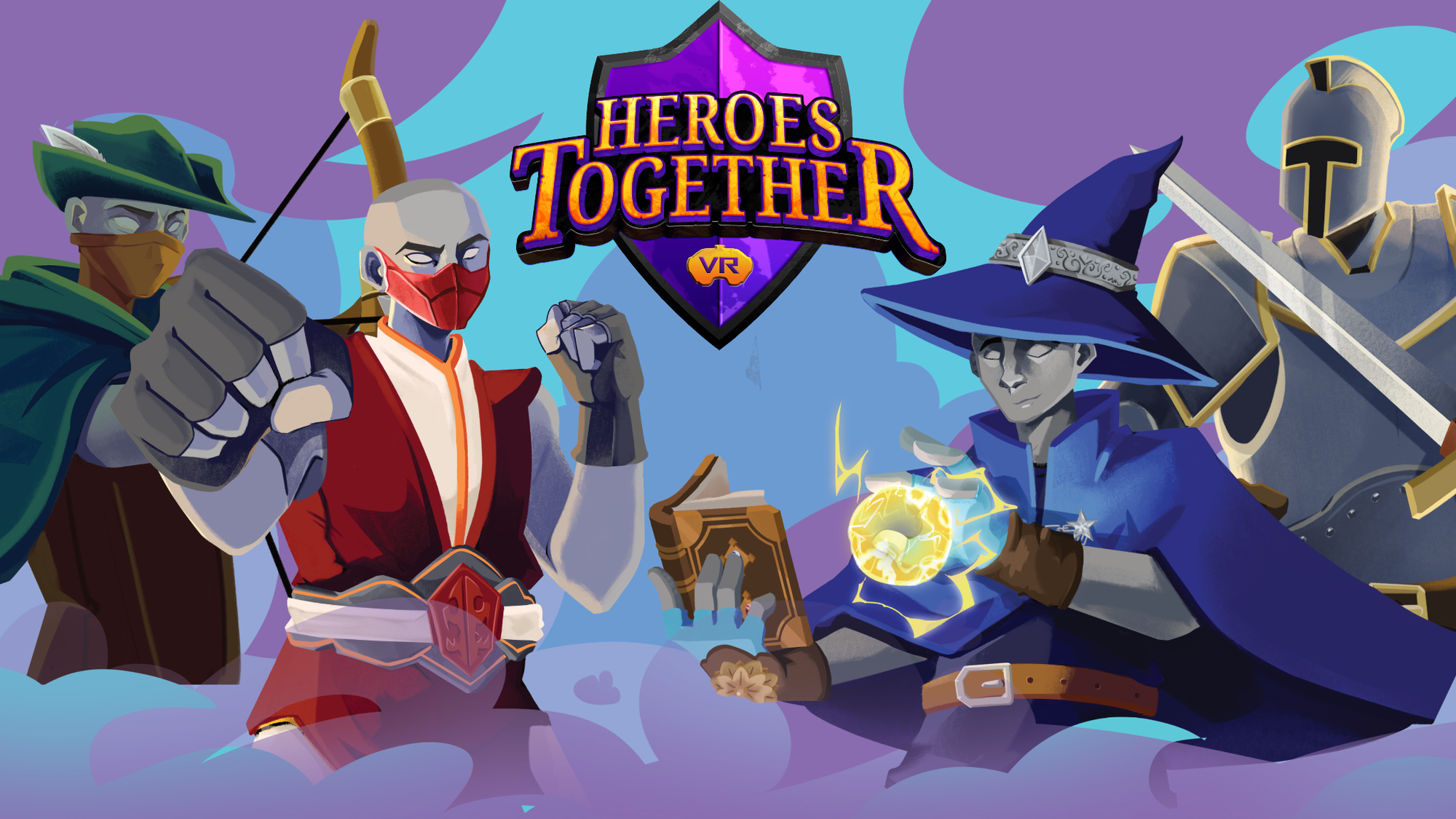
- September (TBD): Sol Protocol (Early Access); The Magician VR: The Cursed Wand; Heroes Together VR; Detective VR.
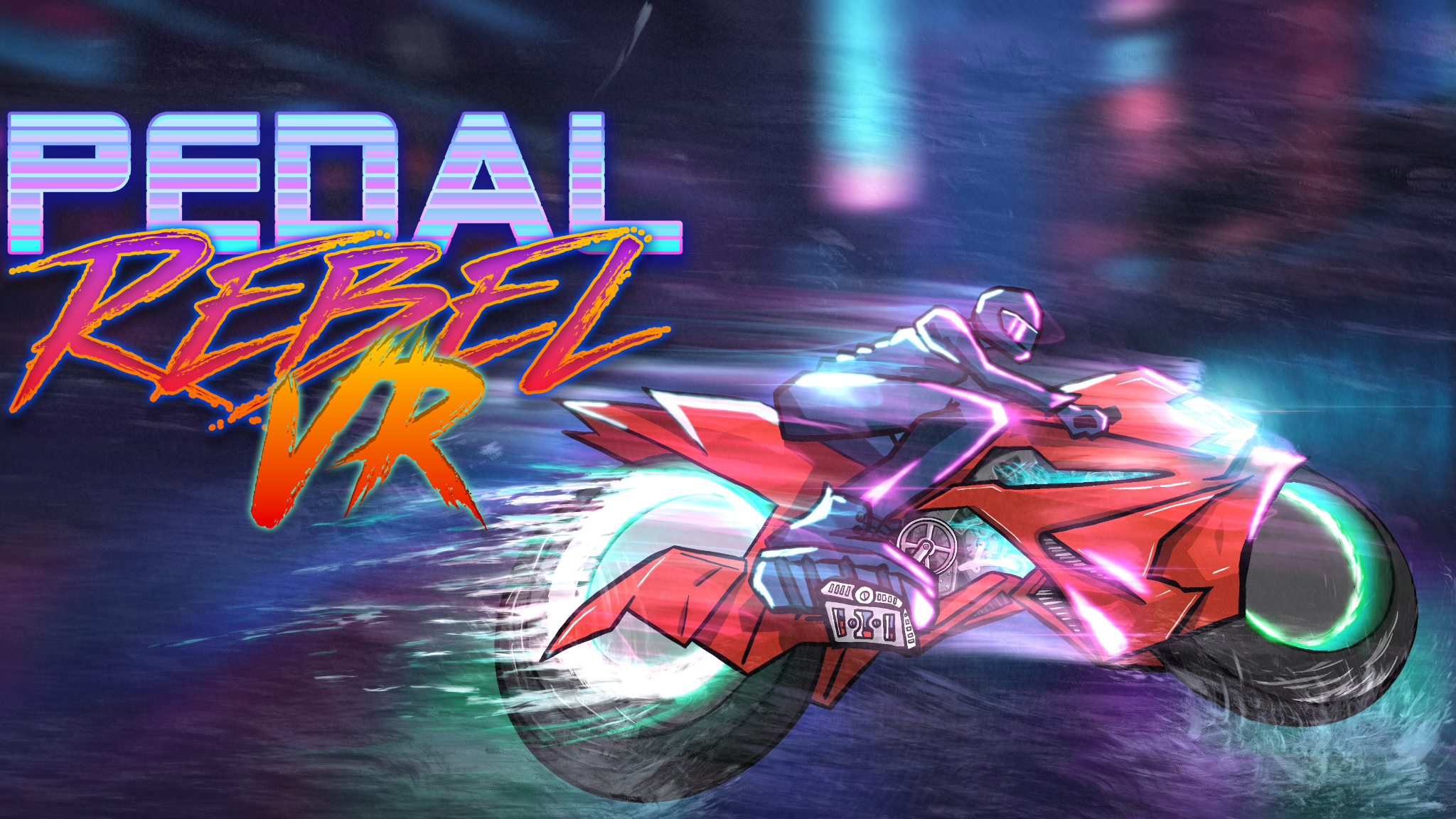
- October 5: Pedal Rebel VR (Early Access).
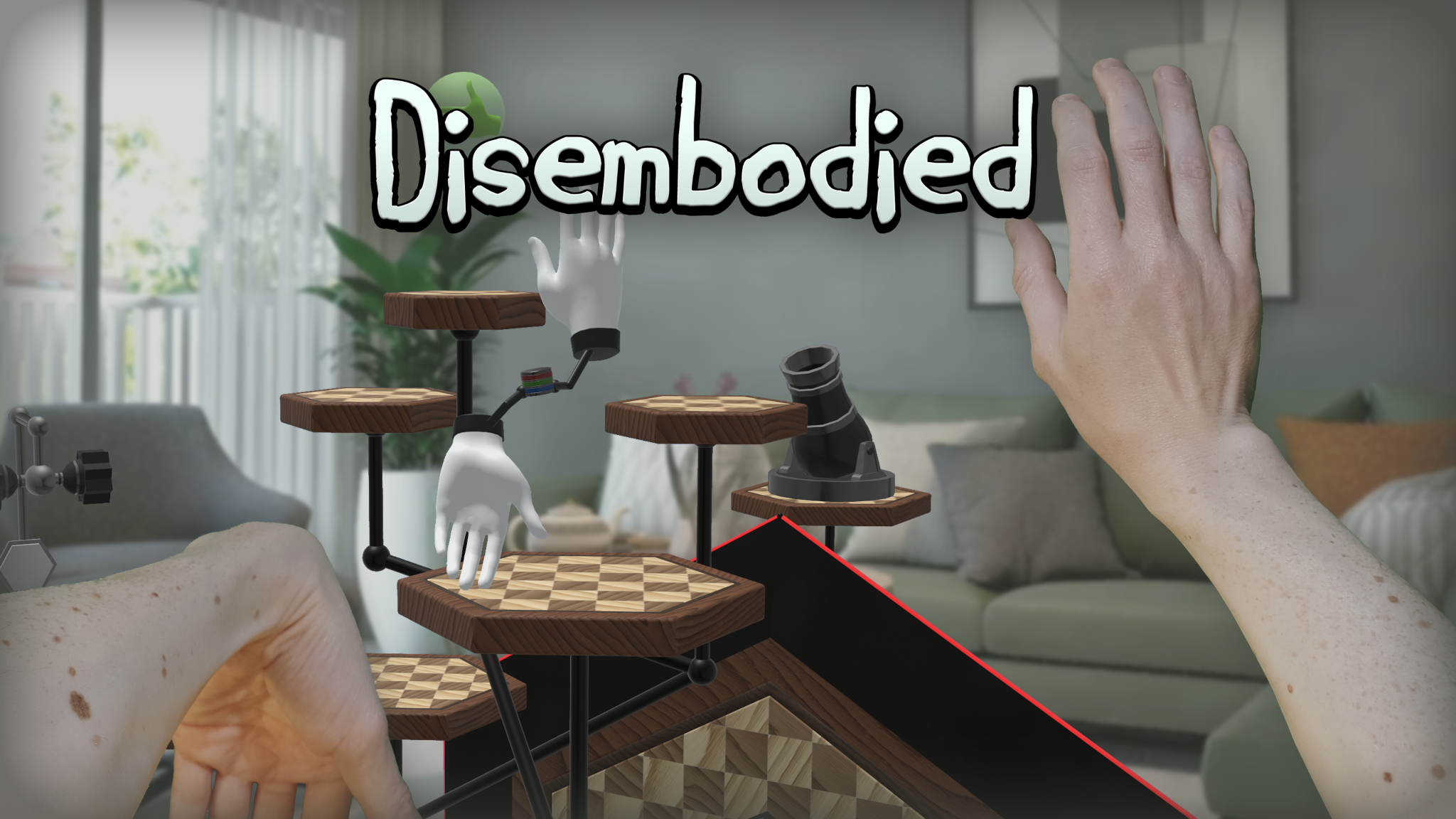
- October 15: Disembodied (Full launch).
- Q4 2026: Hyperlane Highway; POLY TRUCK; Already Dead.
Supporting Data and Technical Trends
The breadth of content showcased reveals three distinct shifts in how developers are approaching VR/MR development:
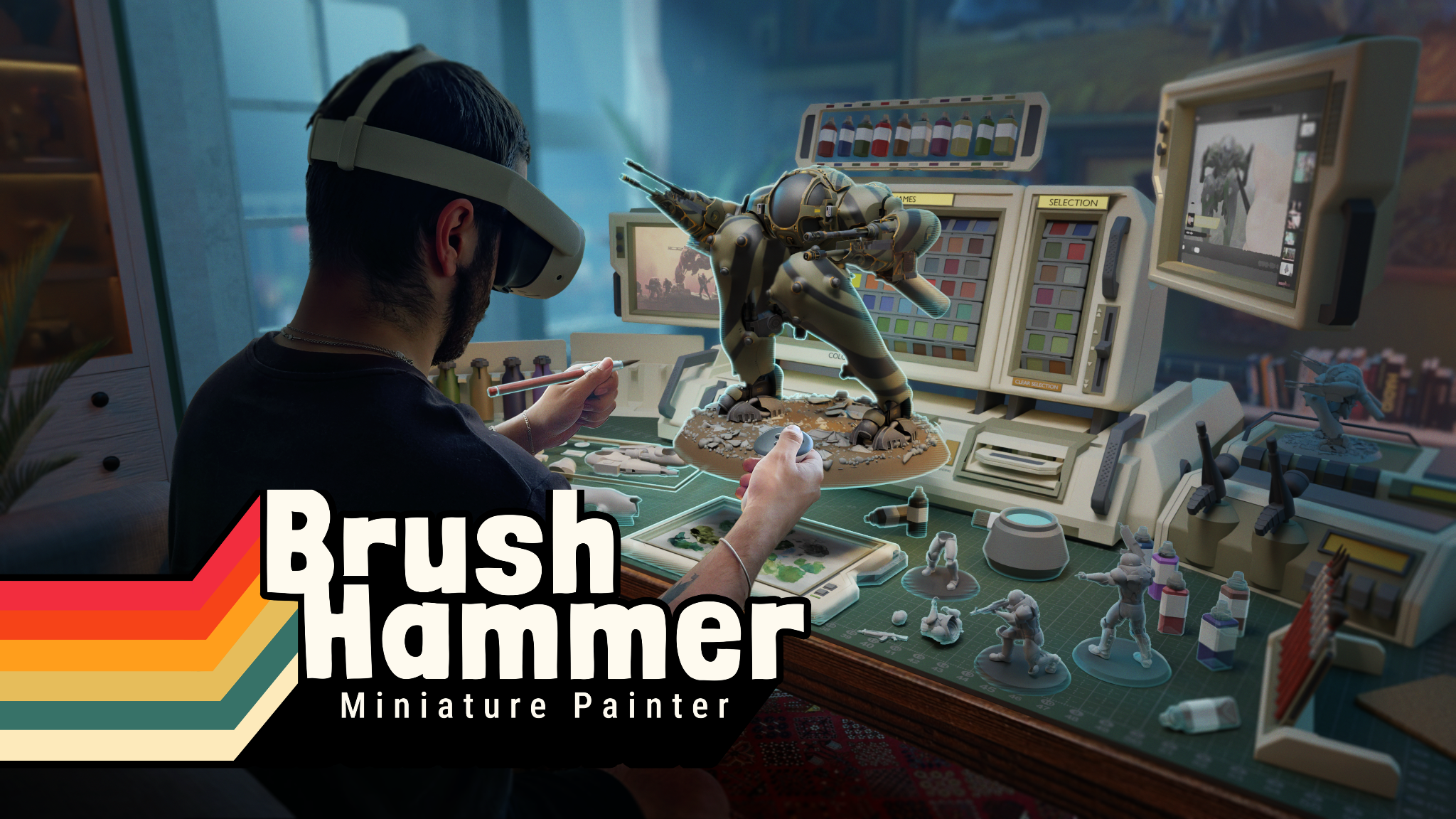
- The Rise of "Cozy" MR: Titles like Color-A-Cube and BrushHammer represent a move toward "productive play." By leveraging mixed reality, these developers are turning the headset into a digital studio or a workspace, appealing to a demographic that seeks relaxation rather than adrenaline.
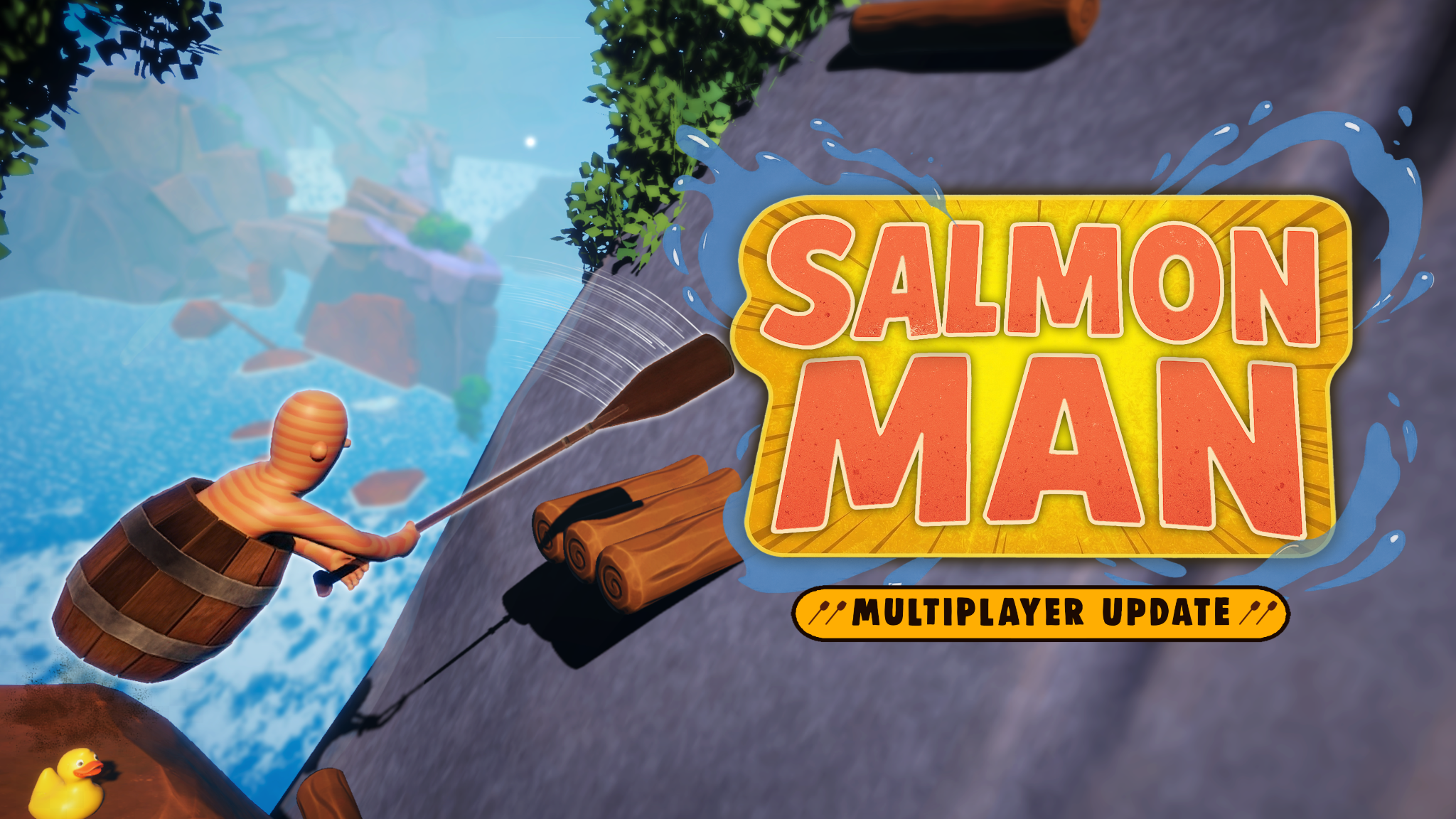
- Physics as a Primary Mechanic: Whether it is the paddle-based physics of Salmon Man or the voxel-destruction of Voxel Playground, developers are moving away from arcade-style "teleport-to-interact" mechanics in favor of tactile, physics-based simulations. This creates a higher ceiling for player skill and immersion.
- Cross-Platform Parity: A significant portion of the announcements—such as Guardians Planetfall, Salmon Man, and The Obsessive Shadow—emphasized simultaneous or near-simultaneous launches across Meta Quest, SteamVR, and PlayStation VR2. This indicates that developers are prioritizing a unified user base, reducing the fragmentation that often plagues niche hardware markets.
Official Perspectives: The Developer Voice
The showcase served as a platform for developers to explain their vision, not just sell their products.
Representatives from VirtualAge noted that the move toward "galaxy-wide war" in Guardians Planetfall was a direct response to player feedback requesting larger-scale, persistent conflict. Similarly, WooorldXR, developers of Jetpack Clankers, emphasized that their choice to make the game free-to-play was motivated by a desire to keep the multiplayer lobbies populated and vibrant, ensuring that the chaos of their arenas is always accessible.
The editorial team at UploadVR emphasized that the curation of this summer’s event was specifically aimed at highlighting "sustainable innovation." By inviting developers to showcase early access projects alongside full releases, the event provided a transparent look at the development lifecycle, allowing users to influence games through playtests and community feedback loops.
Implications: The State of the Industry
The UploadVR Showcase – Summer 2026 leaves us with several critical takeaways regarding the current state and future trajectory of the VR industry.
1. Market Maturation
The sheer number of titles—over 30—suggests that the "gold rush" phase of VR has stabilized into a sustainable, professional market. We are seeing fewer "tech demos" and more "full-scope games." The inclusion of Walkabout Mini Golf—a staple of the genre—collaborating with established IP like Homestar Runner signals that the platform is now a viable destination for cross-media synergy.
2. The "Mixed Reality" Pivot
Mixed reality is no longer a gimmick. With the launch of Disembodied and Hauntify, it is clear that developers are treating the player’s physical environment as a key gameplay asset. This shifts the value proposition of VR hardware from "isolation" to "augmentation," which may prove to be the critical factor in mass-market adoption.
3. Sustainability and Community
The repeated mentions of Discord communities, alpha testing, and early access updates demonstrate that developers are moving away from the "launch-and-forget" model. By maintaining a constant dialogue with the player base, developers are ensuring that their titles have longer lifespans, which in turn justifies the investment in high-fidelity VR assets.
Conclusion: Looking Ahead to December
The UploadVR Showcase has successfully set the stage for a busy second half of 2026. From the adrenaline-fueled hoverboard chases of Hyperlane Highway to the thoughtful, tactile puzzles of Interlocked: Puzzle Island, there is a clear expansion of the definition of what a "VR game" can be.
As we look toward the next installment in December, the bar has been raised. The industry is no longer just proving that VR works; it is now focused on demonstrating how deep, how varied, and how social these experiences can truly be.
If you are a developer with a project in the works, or a player with a passion for the latest in digital immersion, the takeaway from this showcase is clear: the ecosystem is healthy, the creative output is at an all-time high, and the best of 2026 is yet to come. For those looking to keep their finger on the pulse of the industry, remember to reach out to the editorial team at [email protected] to ensure your project is considered for the upcoming winter showcase.
The future is immersive, and based on the evidence presented this summer, it is only just beginning.

