

GLOBAL TECHNOLOGY SECTOR — In the modern electronics landscape, few components are as fundamental—or as quietly indispensable—as semiconductor memory. Whether powering high-speed multitasking on a laptop or retaining gigabytes of captured memories on a mobile device, dynamic random-access memory (DRAM) and NAND flash storage are the invisible engines of consumer electronics.
However, as the global technology industry grapples with a deepening, protracted hardware supply crisis, these vital components have transformed from off-the-shelf commodities into coveted, high-stakes geopolitical currency.
According to a comprehensive industry report by Reuters, smaller smartphone and laptop manufacturers are currently locked in a desperate battle for survival against an unrelenting memory shortage. Unlike industry giants such as Apple, Samsung, or Lenovo—tech conglomerates equipped with immense capital reserves, decades-long supply chain relationships, and ironclad multi-year allocation contracts—independent and boutique manufacturers are being squeezed out of the market.
For these smaller enterprises, the primary crisis is no longer just the skyrocketing cost of components; it is the stark, existential reality of physical availability. With components vanishing from distribution channels, survival now requires extreme operational pivoting, preemptive ordering strategies, and rigorous, high-stakes supply chain forensics just to ensure that incoming components are authentic.
Main Facts: The Anatomy of the Current Crisis
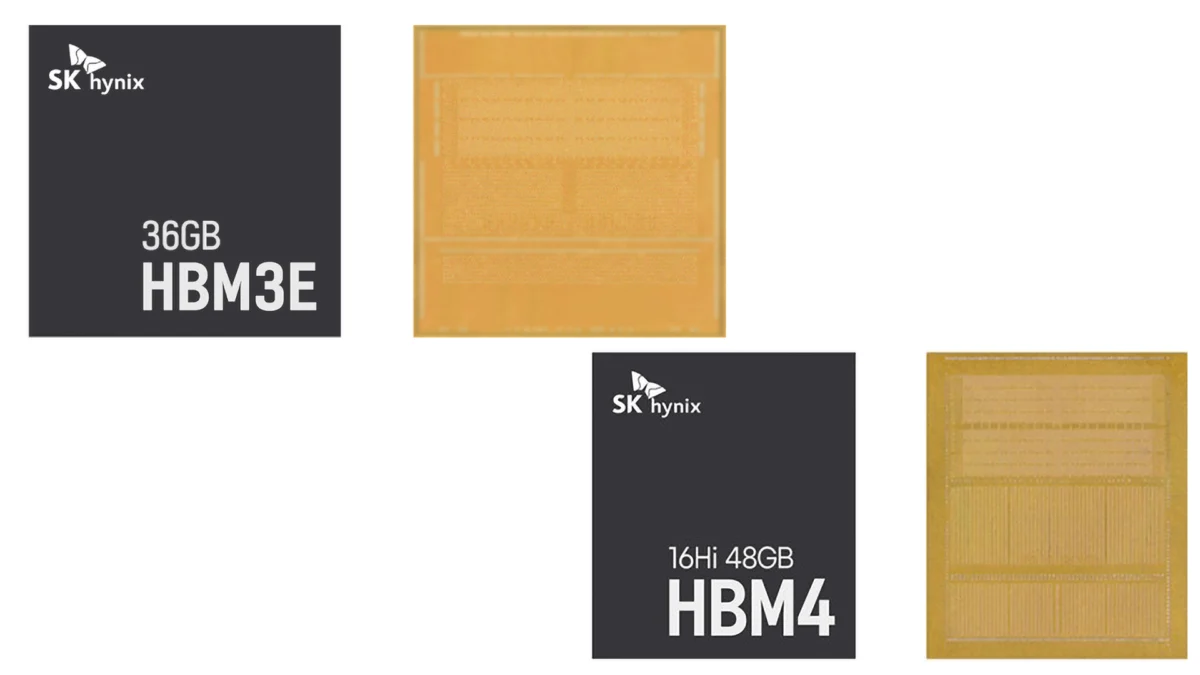
At the heart of the current crisis lies a severe market imbalance. Driven by an explosive, insatiable global demand for artificial intelligence infrastructure—particularly high-bandwidth memory (HBM) required by enterprise-grade data centers and AI accelerators—major semiconductor fabricators have dramatically shifted their production priorities. Factories that once allocated vast silicon wafers to consumer-grade DRAM and standard NAND flash have pivoted toward lucrative, high-margin enterprise products.
Consequently, the residual supply pool for traditional consumer electronics has shrunk precipitously. For boutique and independent manufacturers, the fallout has been catastrophic:
- Availability Trumps Pricing: While component costs have climbed exponentially, industry executives report that simply finding a supplier willing to sell memory chips has become the primary bottleneck.
- Soaring Production Costs: Sustainability-focused device makers, such as Fairphone, report that memory components now account for an astonishing nearly 60% of a device’s total bill of materials (BoM).
- Desperate Countermeasures: Smaller brands are being forced to redesign hardware architectures on the fly, place binding purchase orders months—and sometimes years—in advance, and implement rigorous testing protocols to defend against a surging tide of counterfeit chips.
- The Vulnerability Gap: While Tier-1 manufacturers enjoy guaranteed supply allocations, independent brands face production halts, severe inventory deficits, and the looming threat of insolvency.
Chronology: How the Silicon Squeeze Escalated
To understand how the consumer hardware market arrived at this precarious juncture, it is necessary to examine the cascading timeline of events that destabilized the global semiconductor supply chain over recent years.
The Post-Pandemic Correction (2022–2023)
Following the unprecedented consumer electronics boom of the COVID-19 pandemic, the global tech sector experienced a severe market correction. Warehouses were flooded with excess inventory, and memory prices plummeted to historic lows. Fab operators—including major players like SK Hynix, Micron, and Samsung—responded by slashing production caps, shelving capital expenditure plans, and writing down billions in depreciated stock to stabilize falling market prices.
The Generative AI Gold Rush (2023–2024)
The sudden, explosive public democratization of generative artificial intelligence fundamentally altered the semiconductor ecosystem. As hyperscalers—such as Microsoft, Google, Amazon, and Meta—raced to construct massive data centers capable of training and deploying complex large language models, demand for specialized AI hardware skyrocketed.
Chipmakers realized that every silicon wafer dedicated to standard consumer DRAM meant fewer wafers available for high-margin High-Bandwidth Memory (HBM). A massive capital reallocation ensued, silently starving the consumer electronics supply chain of foundational memory modules.
The Structural Deficit and Enterprise Pivot (2025)
By early 2025, the writing was on the wall. Major memory manufacturers officially prioritized enterprise-tier infrastructure contracts, locking in long-term supply agreements with multi-trillion-dollar tech giants. Standard consumer-grade memory production was deprioritized.
While major smartphone and laptop brands managed to insulate themselves through multi-year advance purchasing agreements and massive bulk-buying power, smaller competitors began experiencing sporadic allocation cuts.
The Present Scarcity and Desperation (2026)
As detailed in recent industry disclosures, the memory shortage has evolved from a cyclical downturn into a structural crisis. Independent manufacturers are no longer merely managing price inflation; they are grappling with complete inventory droughts.
Smaller brands have been forced to fundamentally alter their business models, diving deep into multi-year memory scarcity management, redesigning motherboard layouts to accept alternative memory configurations, and deploying specialized engineering teams solely dedicated to vetting third-party grey-market components.
Supporting Data: The Economics of Scarcity
The severity of the current memory shortage is best understood through hard economic metrics and supply chain analytics. The numbers paint a grim picture of an ecosystem under severe structural stress.
The Bill of Materials (BoM) Imbalance
Historically, memory chips accounted for a modest, predictable percentage of a device’s total production cost—typically hovering between 15% and 25% for a mid-range smartphone or laptop. However, the current scarcity has inverted this economic equation.
According to data cited by modular smartphone pioneer Fairphone, memory components now constitute close to 60% of a device’s overall bill of materials. This dramatic shift obliterates traditional profit margins. A manufacturer that once enjoyed a healthy 30% gross margin on a hardware lineup now finds itself operating at a net loss or forced to price its products out of a competitive consumer market.
Lead Times and Forward Booking
In a healthy market, component lead times—the duration between placing an order and taking delivery—range from two to six weeks. Current reports indicate that smaller manufacturers are being forced to forecast demand and submit non-cancellable purchase orders up to 12 to 18 months in advance. For a small enterprise, tying up critical liquid capital in inventory over a year ahead of product launch creates immense cash-flow vulnerability.
The Rise of the Counterfeit Market
Whenever a high-value commodity experiences severe scarcity, illicit actors inevitably move in to exploit the supply vacuum. Security audits within independent manufacturing facilities reveal an alarming surge in fraudulent components circulating through unregulated grey markets.
Scammers routinely purchase obsolete, damaged, or low-capacity memory chips, re-label their surface casings, and sell them to desperate, smaller-scale manufacturers as modern, high-speed LPDDR5 or high-density NAND modules. Consequently, smaller brands are forced to invest heavily in advanced testing equipment—such as X-ray inspection and microscopic silicon die-analysis—just to verify that incoming shipments are legitimate before they are soldered onto circuit boards.
Official Responses and Industry Adaptation
Faced with an unprecedented operational crisis, tech executives, supply chain strategists, and hardware engineers are aggressively adapting their methodologies to navigate the storm.
Fairphone and Modular Resilience
Fairphone, an enterprise renowned for its ethical sourcing and long-lasting, modular device designs, has been exceptionally vocal about the realities of the current hardware climate. Company representatives have emphasized that the modern memory crunch penalizes smaller companies that lack the leverage to secure priority allocation queues.
To cope, Fairphone and similarly mission-driven companies are doubling down on modularity—optimizing device architecture so that existing supply chains can be stretched, and ensuring that consumers can repair or upgrade devices rather than forcing manufacturers to push new production units into a starved market.
Engineering Around the Bottleneck
Hardware engineers across the independent tech sector are being forced to redesign motherboards on the fly to support multiple memory suppliers. In the past, designing a smartphone or laptop around a single memory vendor’s pinout and power profile was standard practice. Today, engineering teams must build flexible, multi-vendor support frameworks into their circuit board designs.
This multi-sourcing strategy allows manufacturers to pivot instantly to whatever memory module—whether differing in brand, speed grade, or physical packaging—happens to be available on the spot market, mitigating the risk of total production line halts.
The Shift to Advance Speculation and Pre-Financing
To secure allocation from hesitant distributors, smaller OEMs are increasingly being required to provide substantial upfront financial collateral. In some cases, device makers are forced to pre-finance raw silicon wafer production runs directly with mid-tier packaging and testing facilities. This high-risk financial maneuvering requires smaller companies to secure external bridge financing or venture capital injections solely to purchase raw components—a stark departure from traditional just-in-time manufacturing models.
Implications: The Future of the Independent Tech Ecosystem
The prolonged memory shortage carries profound, long-term implications for the future of consumer technology, market competition, and product affordability.
The Threat of Market Consolidation
The most alarming implication of the current crisis is the acceleration of market consolidation. If boutique, independent, and regional manufacturers are systematically priced and squeezed out of the memory market due to structural supply starvation, consumer choice will inevitably decline.
An electronics landscape dominated entirely by multi-trillion-dollar conglomerates stifles grassroots innovation, discourages daring industrial design, and reduces the competitive pressure that drives technological advancement. When only giants can afford to buy memory, consumers lose the diversity of choice.
Surging Consumer Prices and Lifecycle Stagnation
For the everyday consumer, the trickle-down effect of this supply chain crisis is unavoidable. Mid-range and budget laptops and smartphones are either spiking dramatically in retail price or undergoing stealth downgrades—shipped with reduced RAM configurations and smaller storage capacities to maintain palatable retail price points.
Furthermore, as memory costs consume a staggering 60% of device production budgets, brands will have less financial headroom to invest in software longevity, security updates, and innovative hardware features.
A Permanent Shift in Supply Chain Management
Ultimately, the current memory shortage may permanently dismantle the "just-in-time" manufacturing philosophy that has governed global tech supply chains for the past three decades. The era of lean inventories and rapid, frictionless component sourcing is giving way to an era of hyper-vigilance, strategic stockpiling, supply chain vertical integration, and deep cryptographic authentication of raw materials.
As the industry navigates this turbulent transition, one reality remains glaringly clear: until global semiconductor manufacturing capacity catches up to the insatiable demands of the artificial intelligence revolution and consumer electronics alike, the battle for silicon survival will remain the ultimate test of resilience for the tech world’s underdogs.

